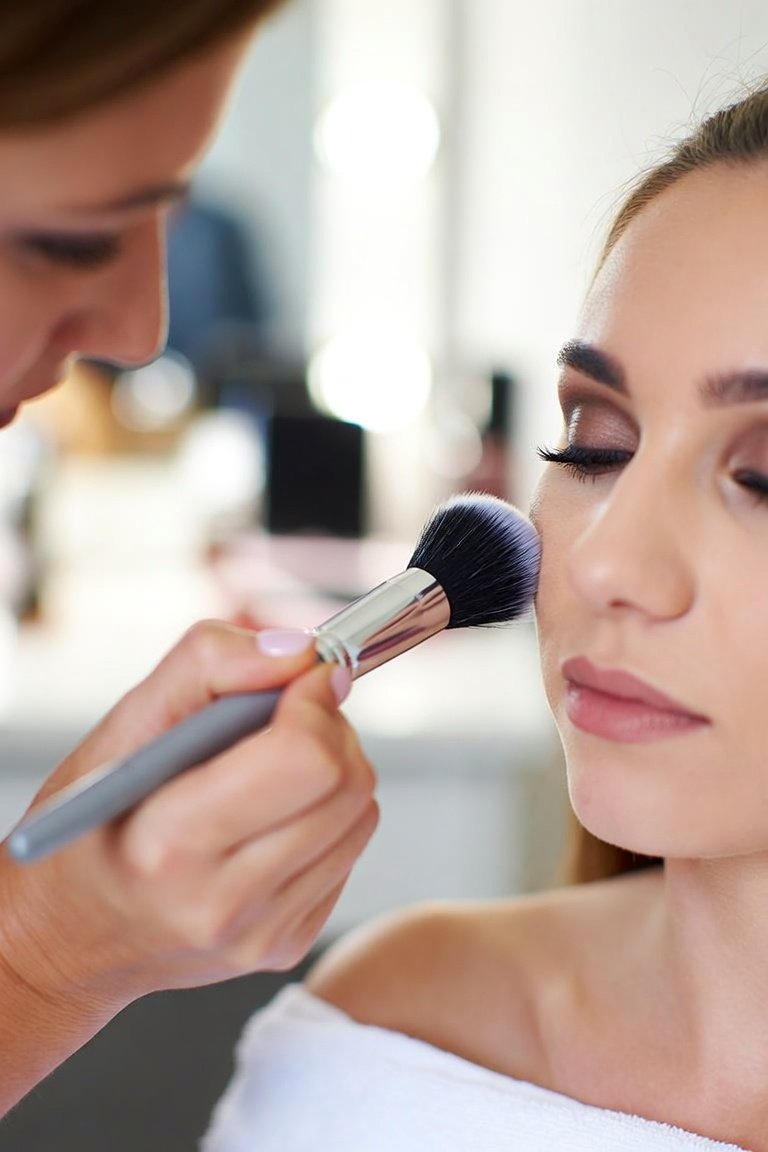
Foundation Brush: Achieve Flawless Makeup Application Every Time
A flawless makeup look often starts with a single tool: the foundation brush. Whether you are a makeup beginner or a beauty enthusiast, understanding the role of this brush can transform your routine. Foundation brushes offer more than just a way to spread liquid or powder across your skin. They can be the difference between a streaky, patchy application and a smooth, professional finish. Yet, many people underestimate their impact, using fingers or sponges and wondering why the result isn’t quite right.
Let’s explore the world of foundation brushes — from the types available and how to use them, to cleaning tips, buying advice, and lesser-known secrets for getting the most from your brush. By the end, you’ll have a clear, practical guide to choosing and caring for the best foundation brush for your needs.



What Is A Foundation Brush?
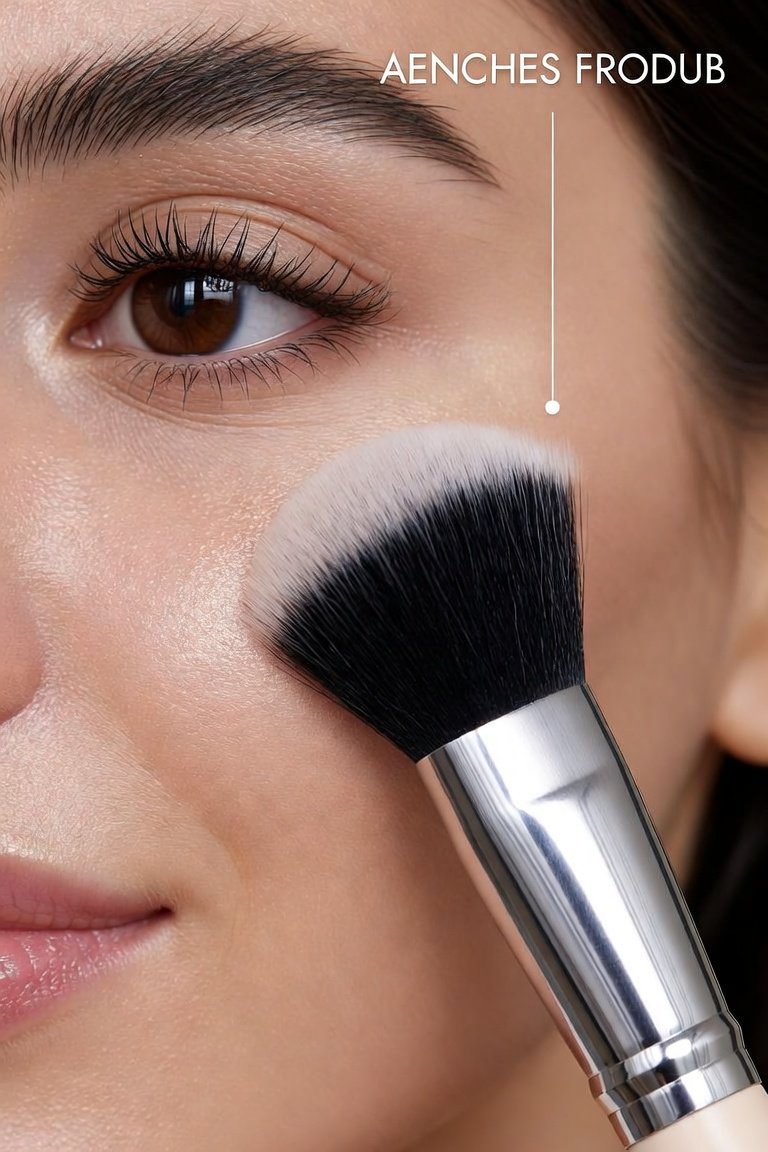
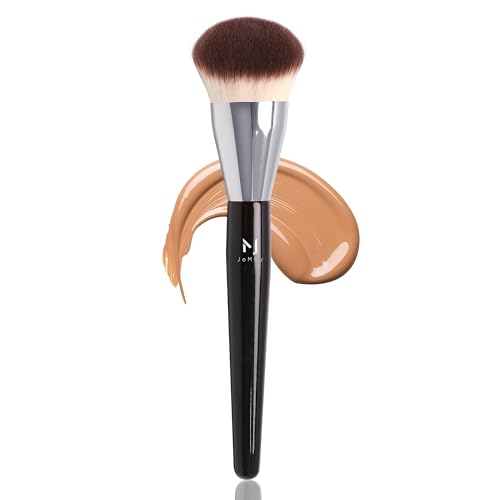
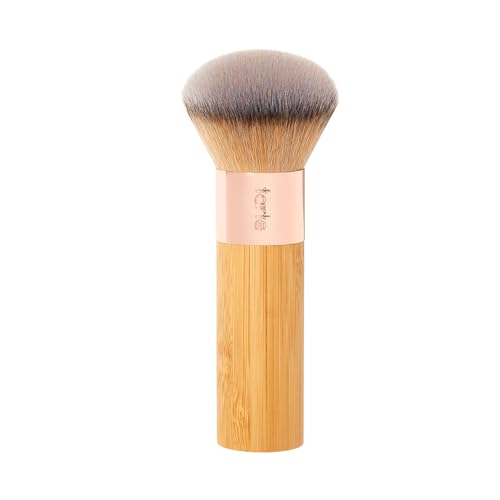
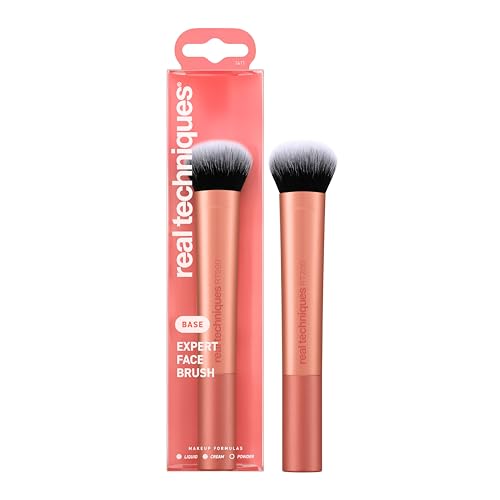
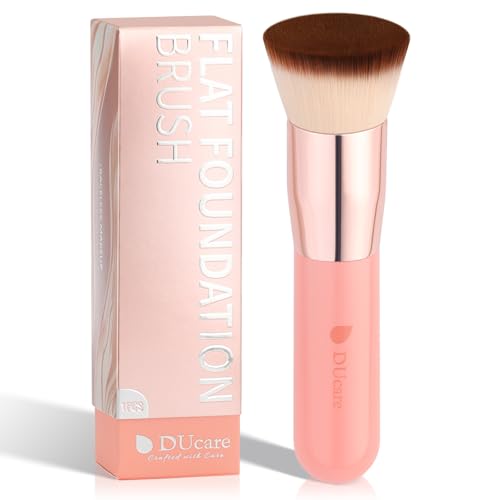
A foundation brush is a makeup tool designed to apply and blend foundation onto your face. The main job of this brush is to give an even, natural-looking base. It helps cover imperfections, smooth out skin tone, and create a lasting finish.
There are many types of foundation brushes, each made for different foundation formulas (liquid, cream, powder) and skin types. The right brush can make your foundation look almost invisible — like your skin, only better.
While fingers can work in a pinch, a foundation brush offers greater precision, hygiene, and control. It also reduces product waste, spreading foundation more evenly than your hands.
Types Of Foundation Brushes
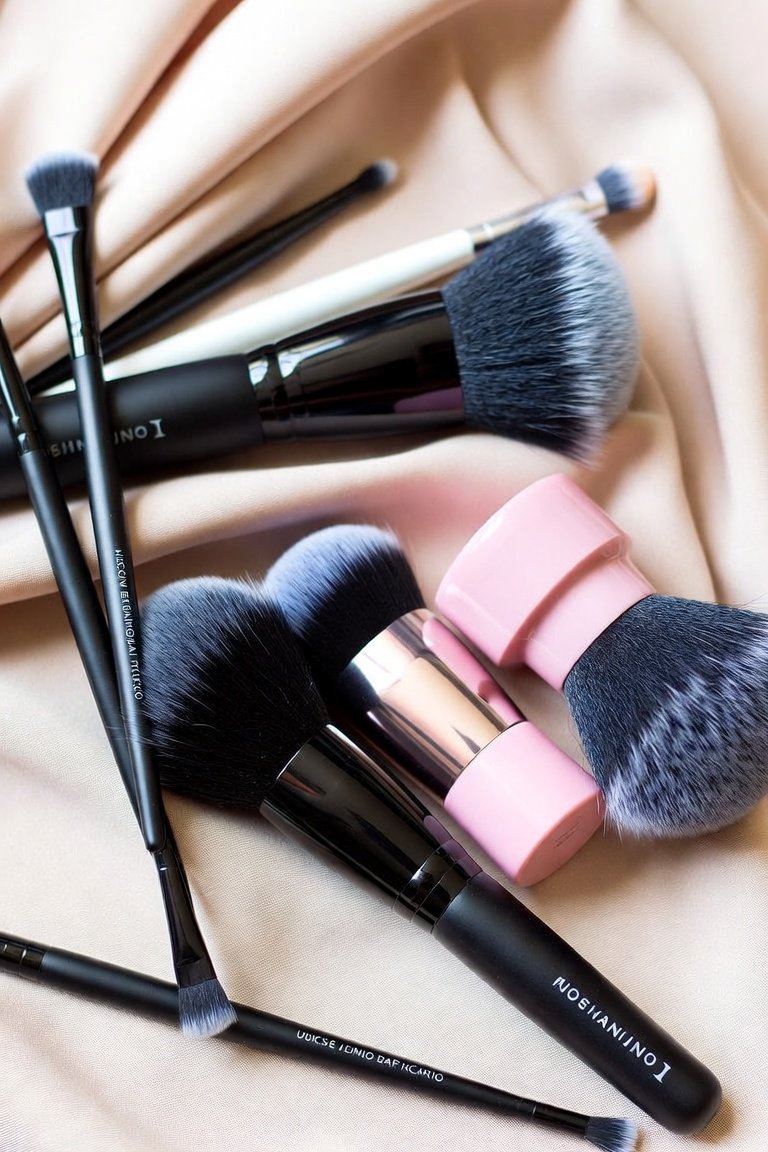
Not all foundation brushes are the same. They come in different shapes, sizes, and bristle types. Each design serves a unique purpose, and choosing the right one depends on your skin, the type of foundation you use, and the finish you want.
| Brush Type | Best For | Features |
|---|---|---|
| Flat Brush | Liquid, Cream | Smooth, precise application; great for building coverage |
| Buffing Brush | Liquid, Cream, Powder | Dense, rounded bristles; perfect for blending and a natural finish |
| Stippling Brush | Liquid, Cream | Duo-fiber; light, airbrushed effect |
| Kabuki Brush | Powder, Mineral | Short, dense bristles; covers large areas quickly |
| Angled Brush | Contouring, Cream | Slanted bristles; reaches contours of face easily |
Flat Foundation Brush
Flat brushes usually have a paddle shape. They are ideal for liquid or cream foundations. The flat surface allows you to paint on foundation, which you can then blend with gentle strokes.
Buffing Brush
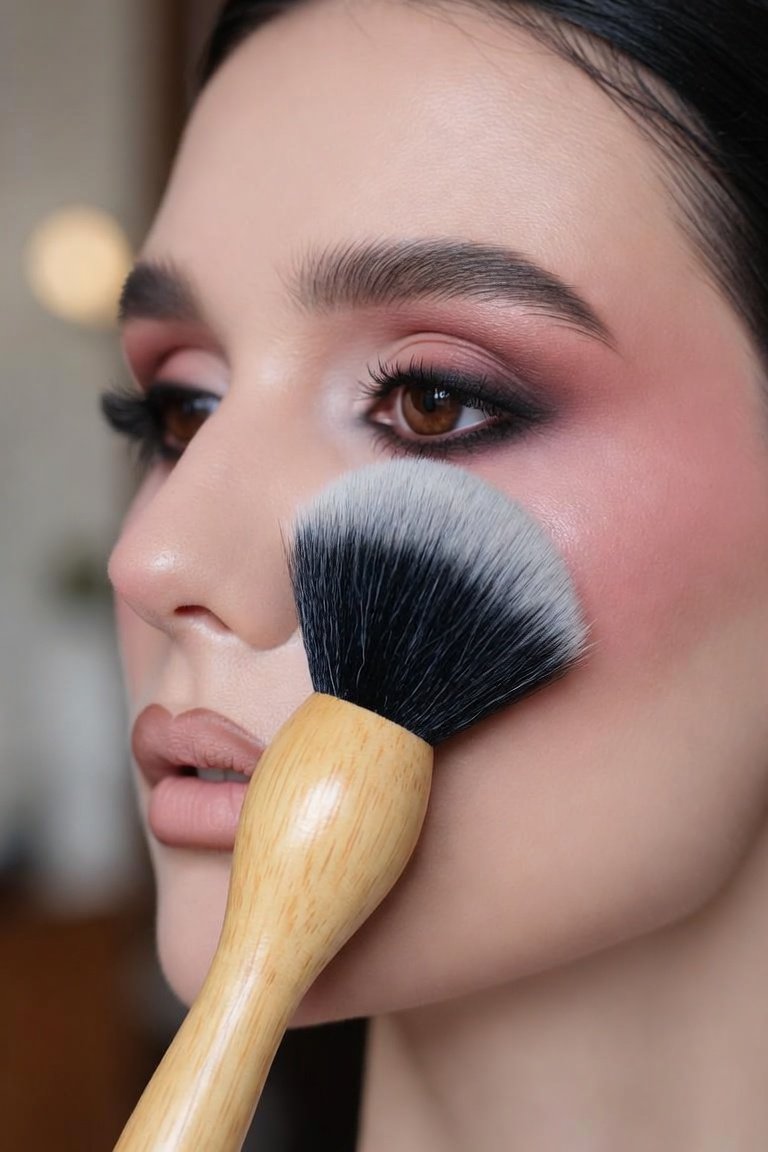
Buffing brushes are round and densely packed. They work best for buffing or blending foundation into the skin. If you want a smooth, streak-free look, this is a great choice.
Stippling Brush
Stippling brushes have two layers of bristles — one shorter, one longer. This design helps create a sheer, airbrushed finish. They work well with both liquid and cream formulas.
Kabuki Brush
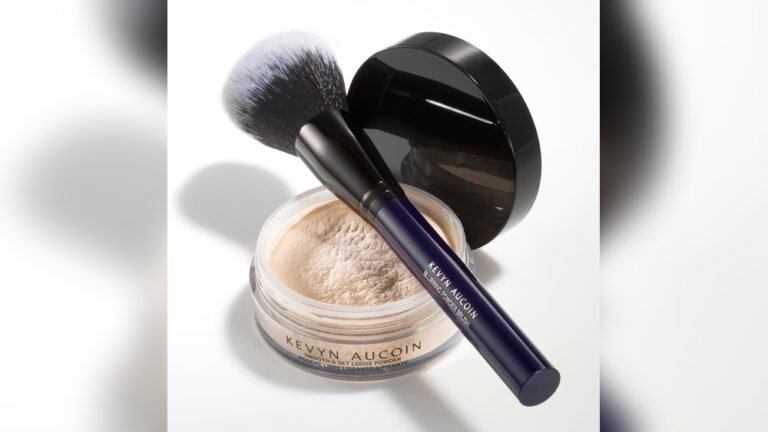
Kabuki brushes are short with very dense bristles. They are perfect for powder or mineral foundations. Their shape allows you to quickly cover large areas of your face.
Angled Foundation Brush
Angled brushes have a slant that helps you reach the contours of your face, like around the nose and jawline. They are great for blending cream foundations or contour products.
Natural Vs. Synthetic Bristles
The type of bristle in a foundation brush makes a big difference. There are two main options: natural and synthetic.
- Natural bristles are made from animal hair (such as goat or pony). They are soft and hold powder products well. However, they can absorb liquid foundation, leading to product waste. They may also cause allergies for some people.
- Synthetic bristles are made from man-made fibers (like nylon or taklon). They are ideal for liquid and cream foundations because they don’t absorb as much product. They are also cruelty-free and easier to clean.
Most modern foundation brushes use synthetic bristles for hygiene and ethical reasons. They are less likely to irritate sensitive skin and give a smoother, more even application.
How To Choose The Right Foundation Brush
Picking the best brush for your routine depends on several factors. Here’s what to consider:
- Foundation Type: Liquid, cream, and powder foundations work best with different brushes.
- Liquid/cream: Flat, buffing, or stippling brushes
- Powder/mineral: Kabuki or fluffy brushes
- Coverage Level: Want full coverage or a sheer finish?
- Full: Dense, flat, or buffing brush
- Sheer: Stippling or fluffy brush
- Skin Type: Some brushes work better for oily, dry, or sensitive skin.
- Sensitive: Soft, synthetic bristles
- Oily: Brushes that blend well, avoiding streaks
- Brush Size and Shape: Larger brushes cover more area quickly; smaller brushes are great for detail work.
- Budget and Durability: High-quality brushes last longer and shed less.
Here’s a quick comparison of popular foundation brush types:
| Brush | Best Foundation Type | Coverage | Skill Level |
|---|---|---|---|
| Flat | Liquid/Cream | Medium to Full | Intermediate |
| Buffing | Liquid/Cream/Powder | Medium | Beginner |
| Stippling | Liquid/Cream | Sheer | Intermediate |
| Kabuki | Powder/Mineral | Full | Beginner |
Non-obvious insight: Many beginners overlook that the same foundation can look completely different depending on the brush type. A buffing brush can make a full-coverage foundation look natural, while a flat brush can turn a light foundation into full coverage.
How To Use A Foundation Brush For A Flawless Finish
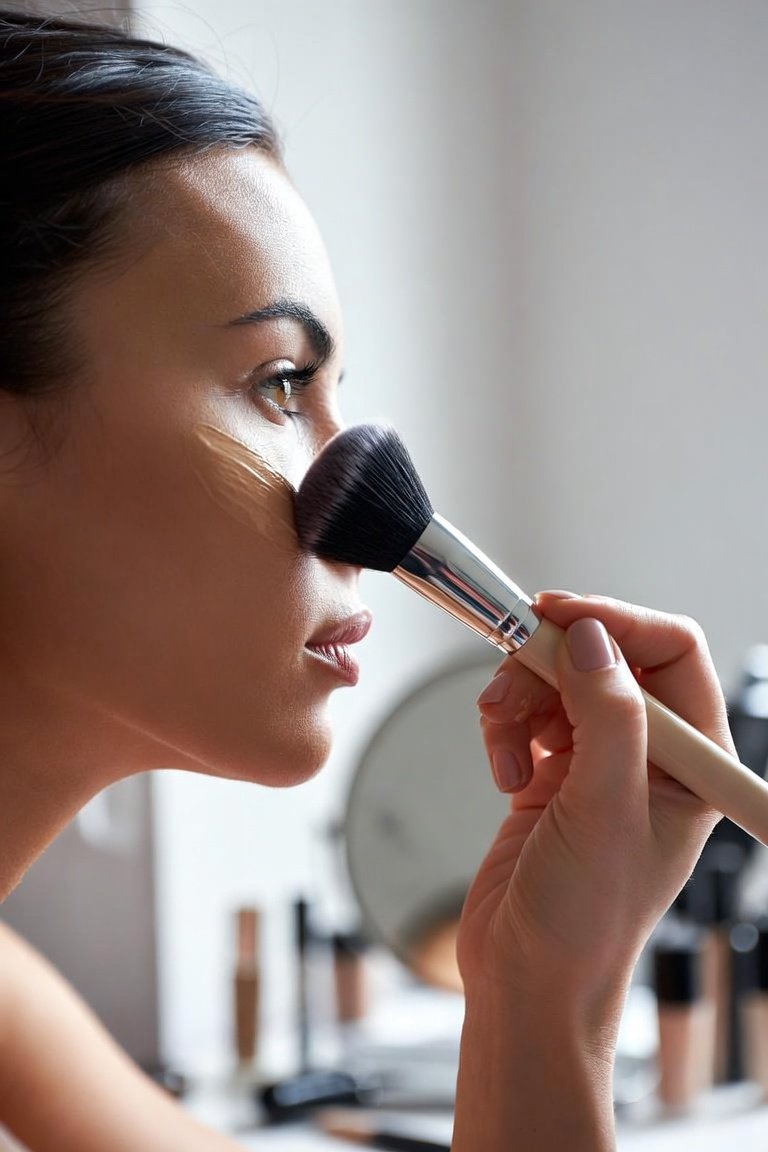
Applying foundation with a brush can feel intimidating at first, but a few simple steps can help you get a professional look.
- Start with a clean brush: Dirty brushes spread bacteria and cause streaks.
- Use a small amount of foundation: It’s easier to add more than to remove excess.
- Dot foundation on your face: Place small dots on your forehead, cheeks, nose, and chin.
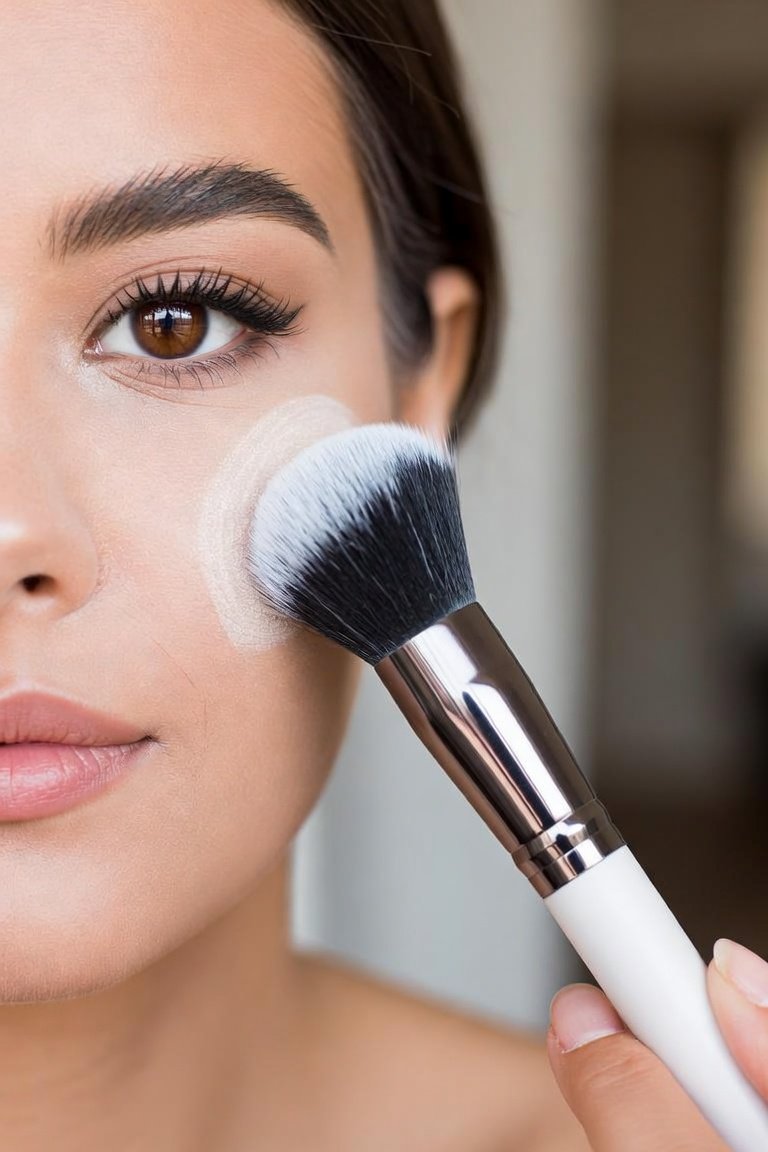
- Blend outward: Use your brush to blend the foundation from the center of your face outward.
- Use gentle strokes or circular motions: Flat brushes need painting strokes; buffing and stippling brushes need circular or tapping motions.
- Check in natural light: Make sure there are no visible lines or patches.
- Build coverage if needed: Add more foundation only where you need extra coverage.
Example: Using A Buffing Brush
- Pump a small amount of liquid foundation onto the back of your hand.
- Dip the brush into the product.
- Dot the foundation onto your face.
- Blend using circular motions, starting from the center.
- Build up coverage as needed.
Pro tip: Don’t drag your brush across your face too quickly. Gentle, slow movements help the foundation blend better.
Common Mistakes To Avoid
- Using too much product at once.
- Pressing the brush too hard, which can create streaks.
- Not cleaning the brush regularly.
- Ignoring the jawline and hairline, leading to obvious makeup lines.
Cleaning And Caring For Your Foundation Brush
A clean brush is not just about appearance; it’s about skin health. Dirty brushes collect bacteria, dead skin, and old makeup. This can lead to breakouts and uneven application.
How Often To Clean
- After every use: Quick wipe with a makeup remover cloth or spray.
- Deep clean: Once a week for liquid and cream foundation brushes; every two weeks for powder brushes.
Cleaning Steps
- Wet the bristles with lukewarm water.
- Add a drop of gentle soap or brush cleanser.
- Gently swirl the brush in your palm.
- Rinse until water runs clear.
- Squeeze out extra water and reshape the brush.
- Lay flat to dry.
Non-obvious tip: Always dry your brush with the bristles hanging off the edge of a counter. This keeps its shape and prevents mildew at the base.
Signs Your Brush Needs Replacing
- Shedding bristles
- Smell that doesn’t go away after washing
- Shape no longer holds
- Bristles feel rough or scratchy
Good brushes can last years with proper care, but don’t hesitate to replace them if they show these signs.
Foundation Brush Vs. Other Application Tools
Many people wonder if brushes are better than sponges or fingers. The answer depends on your goal.
Brushes
- Give precise, even coverage
- Work well for all foundation types
- More hygienic if cleaned regularly
- Use less product (especially synthetic brushes)
Sponges
- Create a dewy, airbrushed finish
- Absorb more product (can waste foundation)
- Need to be damp for best results
Fingers
- Warmth helps foundation melt into skin
- Can look streaky or patchy
- Not as hygienic
Here’s a quick side-by-side comparison:
| Tool | Coverage | Finish | Product Waste | Best For |
|---|---|---|---|---|
| Brush | Medium to Full | Natural/Matte | Low | All foundation types |
| Sponge | Sheer to Medium | Dewy | High | Liquid/cream |
| Fingers | Sheer | Natural | Medium | Quick fixes |
How To Store Your Foundation Brush
Proper storage extends the life of your brush and keeps it clean.
- Upright in a holder: Keeps bristles in shape and prevents them from touching dirty surfaces.
- Brush roll or case: Good for travel; protects from dust.
- Avoid closed containers while wet: Can cause mildew.
Always make sure your brush is completely dry before storing to avoid bacteria growth.
Foundation Brush Application Tips For Beginners
If you’re new to using foundation brushes, a few simple tips can help you get started with confidence.
- Practice blending: Spend extra time blending around the nose, mouth, and hairline.
- Start light: It’s easier to add more foundation than to fix heavy, cakey makeup.
- Use the right brush for your foundation: Powder brushes for powder, flat/buffing brushes for liquids.
- Clean your brush often: This makes application smoother and protects your skin.
- Choose a brush shape that fits your face: Smaller faces might prefer more compact brushes.
Example: If you have dry skin, try lightly misting your brush with water before applying foundation. This gives a more dewy, hydrated finish.
The Best Foundation Brushes By Budget
Foundation brushes come in every price range, from drugstore to luxury. Here are examples of quality brushes for different budgets:
- Affordable ($10–$20):
- Real Techniques Expert Face Brush
- E.l.f. Ultimate Blending Brush
- Mid-range ($20–$40):
- Sigma F80 Flat Kabuki Brush
- Sephora Pro Foundation Brush #56
- High-end ($40+):
- IT Cosmetics Heavenly Luxe Flat Top Buffing Foundation Brush #6
- MAC 170 Synthetic Rounded Slant Brush
While high-end brushes often use better materials and last longer, many budget-friendly options perform just as well for daily use.
How Foundation Brushes Affect Your Makeup Finish
The brush you use shapes the final look of your foundation in several ways:
- Texture: Dense brushes leave a smooth finish; fluffy brushes create a light, airbrushed look.
- Coverage: Flat and kabuki brushes build full coverage; stippling brushes keep it sheer.
- Blending: The right brush blends seamlessly, making makeup look like skin.
Non-obvious insight: If you find your makeup looks cakey, it might not be your foundation’s fault. Using a brush that’s too dense for your foundation type can pack on too much product. Try switching to a lighter brush for a more natural look.
Common Foundation Brush Myths
There’s a lot of advice online about foundation brushes, but not all of it is accurate. Let’s clear up some myths:
- Myth 1: Expensive brushes are always better.
Reality: Many drugstore brushes perform just as well as luxury brands if cared for properly.
- Myth 2: Brushes cause breakouts.
Reality: Only dirty brushes or brushes not suited for your skin type are likely to cause problems.
- Myth 3: One brush works for everything.
Reality: Different foundations need different brushes for best results.
- Myth 4: You don’t need to clean new brushes.
Reality: Always wash new brushes before first use to remove manufacturing residue.
Foundation Brush For Different Skin Types
Your skin type can affect which brush works best for you.
- Oily Skin: Use a dense buffing or flat brush for matte, even coverage.
- Dry Skin: Try a stippling or synthetic fluffy brush for a dewy, hydrated finish.
- Sensitive Skin: Soft, synthetic bristles are less likely to irritate.
- Acne-prone Skin: Clean brushes after every use and avoid using the same brush for different products.
Example: People with sensitive or acne-prone skin should look for hypoallergenic, fragrance-free synthetic brushes. These are less likely to cause a reaction and are easier to clean thoroughly.
Environmental Impact And Ethical Choices
Brushes made with synthetic bristles are now widely available. They are cruelty-free and last longer than many natural options. Many brands also use recycled or sustainably sourced materials for handles and packaging.
If you care about animal welfare or the environment, look for brands that clearly state their brushes are vegan and cruelty-free. Brands like EcoTools and Real Techniques are good examples.
For more about the benefits of synthetic brushes, visit Wikipedia’s makeup brush page.
Foundation Brush Hacks: Advanced Tips
Once you’re comfortable with the basics, try these expert tricks to get even more from your foundation brush:
- Mixing Mediums: Use your brush to mix foundation with moisturizer or serum for a custom finish.
- Spot Concealing: Use a small brush for precise application on blemishes or under the eyes.
- Layering: Apply a thin layer, let it set, then add more only where needed. This prevents caking.
- Multi-tasking: Many foundation brushes work well for applying primer, cream blush, or even masks.
Example: Try applying a thin layer of foundation, wait one minute, then buff a second layer only on areas needing extra coverage. This creates a natural look without heaviness.
Frequently Asked Questions
What Is The Best Way To Clean A Foundation Brush?
Clean your foundation brush weekly using lukewarm water and a gentle soap or brush cleanser. Swirl the brush in your palm, rinse until the water runs clear, reshape the bristles, and lay flat to dry. For daily cleaning, use a makeup remover spray after each use.
Can I Use The Same Brush For Liquid And Powder Foundation?
It’s possible, but not ideal. Using one brush for both can mix textures and affect the finish. If you must use one brush, clean it thoroughly between uses to avoid buildup and patchy makeup.
How Long Does A Good Foundation Brush Last?
A high-quality brush can last several years with regular cleaning and gentle use. Replace your brush if it starts shedding, loses its shape, or feels rough on the skin.
Are Expensive Brushes Really Worth It?
Not always. Some budget-friendly brushes work just as well as luxury brands. Focus on the quality of bristles and construction, not just the price tag.
How Do I Know If I’m Using The Wrong Foundation Brush?
If your foundation looks streaky, patchy, or too heavy, you may be using the wrong brush for your foundation type or coverage needs. Try switching to a brush that matches your desired finish (dense for full coverage, fluffy for a sheer look).
A foundation brush is more than just a tool; it’s a secret weapon for perfecting your makeup. With the right brush, you can achieve any look, from a sheer wash of color to a flawless, airbrushed finish. Remember to match your brush to your foundation type and skin needs, keep it clean, and experiment with different techniques.
Whether you’re a beginner or an expert, investing in a good foundation brush can make all the difference for your daily beauty routine.