Stippling Brush: Achieve Flawless Makeup with Expert Tips
A stippling brush is more than just a tool for makeup lovers. It’s a secret weapon that can transform your skin’s appearance and take your makeup skills to the next level. If you’ve ever wondered how celebrities get that soft, airbrushed look, or how professionals create flawless finishes without heavy layers, the answer often involves a stippling brush. Despite its popularity, many beginners misunderstand how to use it, what makes it special, and why it’s different from other brushes. This article dives deep into the world of stippling brushes—how they work, why they matter, how to choose the right one, and how to care for them. Whether you’re new to makeup or looking to refine your technique, you’ll find practical advice, comparisons, and expert tips here.
What Is A Stippling Brush?
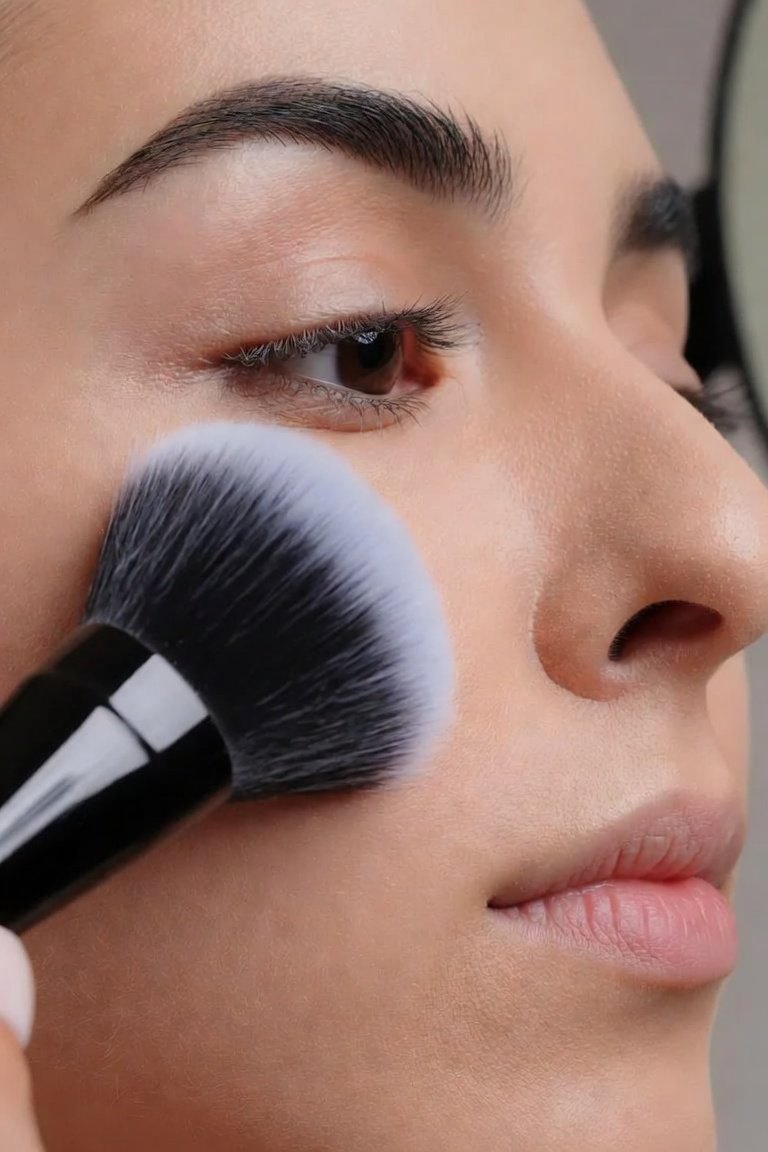
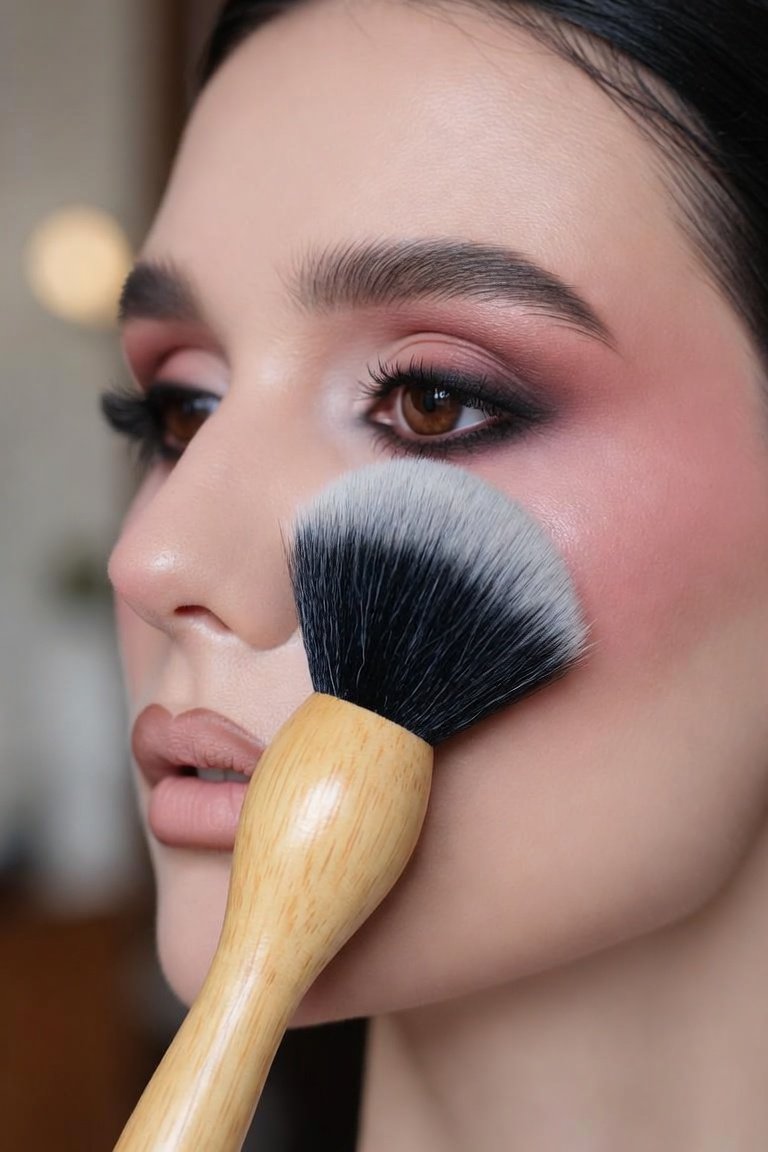
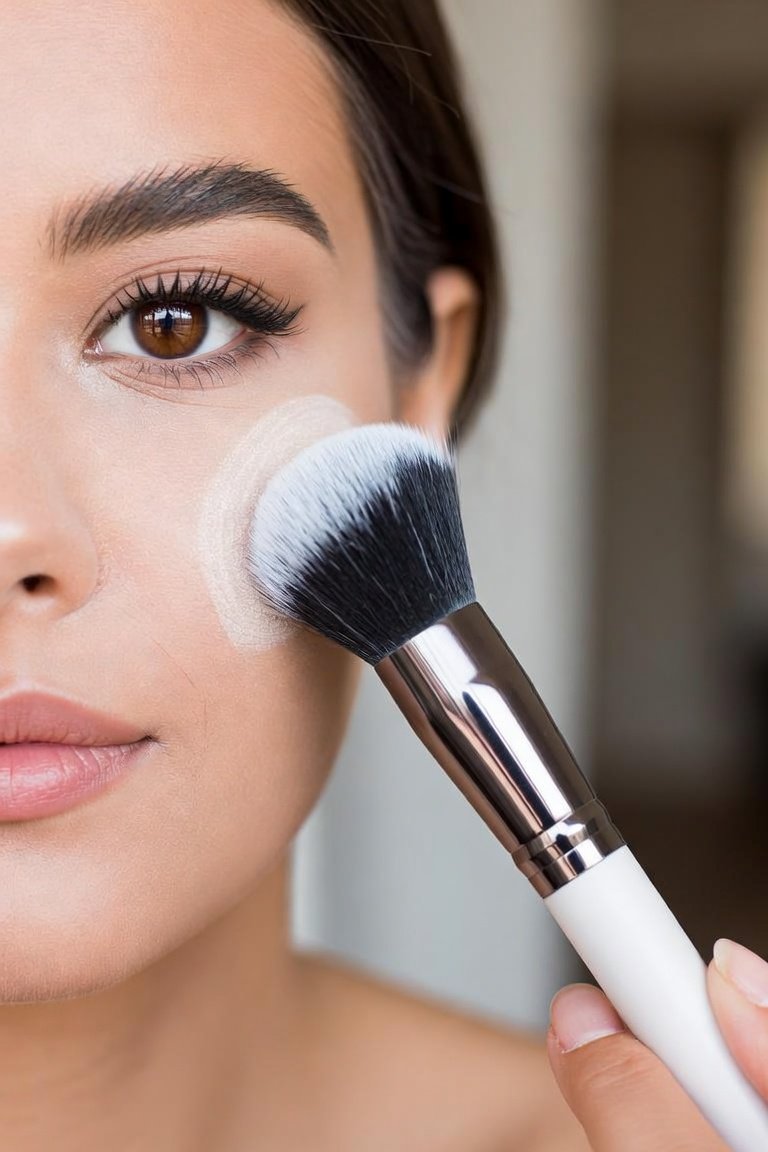
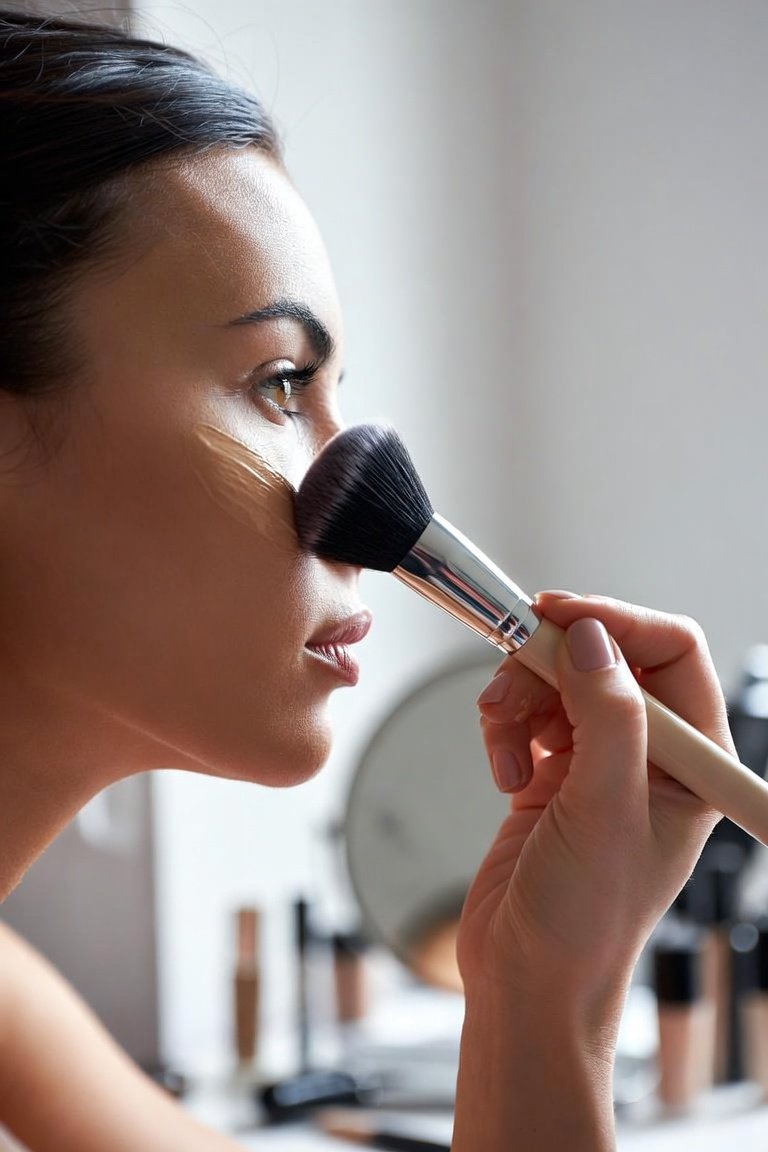
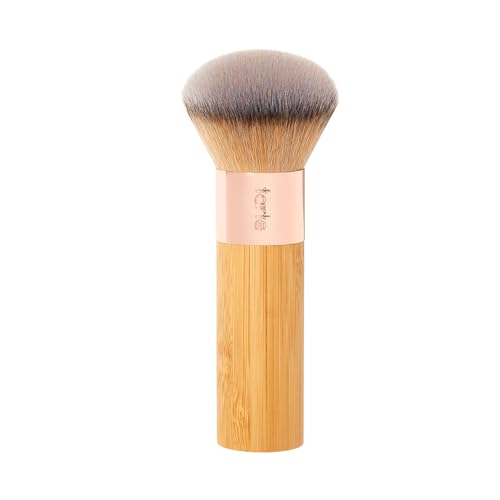
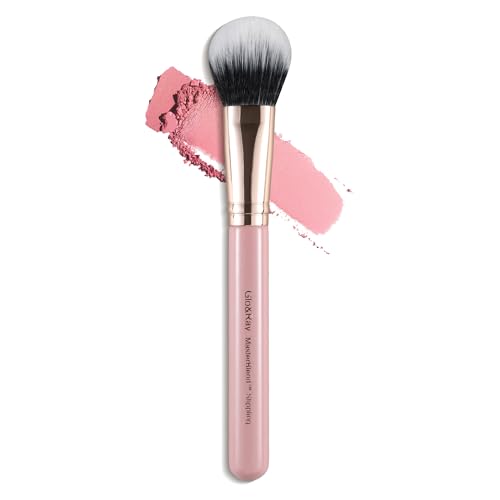
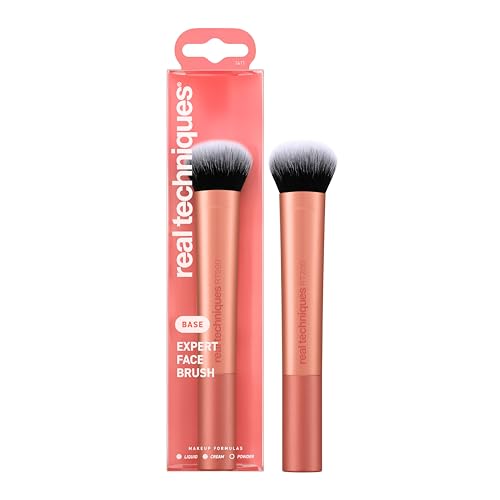
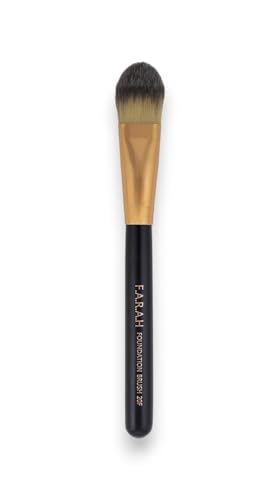
A stippling brush is a specialized makeup brush designed to create a soft, natural finish. It’s named after the stippling technique, which means applying makeup in small dots or dabs rather than sweeping motions. This technique helps blend products smoothly, giving your skin an even, flawless look.


Key Features
- Dual fibers: Most stippling brushes have two types of bristles. The longer, lighter bristles are usually synthetic, while the shorter, denser ones are natural or synthetic.
- Flat or rounded head: The brush head is often flat or slightly rounded, allowing for precise dabbing.
- Flexible bristles: These help distribute makeup evenly without streaks.
How It Differs From Other Brushes
Unlike regular foundation brushes, stippling brushes don’t drag product across your skin. Instead, they tap it gently, leaving a lighter layer. This is ideal for liquid, cream, or powder products, especially if you want a natural, buildable coverage.
The Science Behind Stippling
The stippling technique works by breaking up the makeup into tiny dots. This mimics the way airbrush machines apply foundation. As a result, you get a smoother texture, fewer visible pores, and a less cakey finish.
Why Dual-fiber Matters
Dual-fiber brushes are key for stippling. The longer bristles pick up just the right amount of product, while the shorter ones push it into your skin. This prevents over-applying and helps blend layers seamlessly.
Airbrush Effect
Stippling gives the skin an airbrush effect. This is popular for:
- High-definition TV and film
- Bridal makeup
- Photoshoots
You don’t need an expensive machine—just a good stippling brush.
Types Of Stippling Brushes
Not all stippling brushes are the same. Here are the main types you’ll encounter:
1. Classic Stippling Brush
- Shape: Flat, round head
- Bristles: Dual-fiber, typically black and white
- Use: Foundation, blush, bronzer
2. Small Stippling Brush
- Shape: Mini version of the classic
- Use: Concealer, highlighter, precise areas
3. Large Stippling Brush
- Shape: Bigger head for quick application
- Use: All-over face products
4. Angled Stippling Brush
- Shape: Slanted head for contouring
- Use: Bronzer, blush, contour
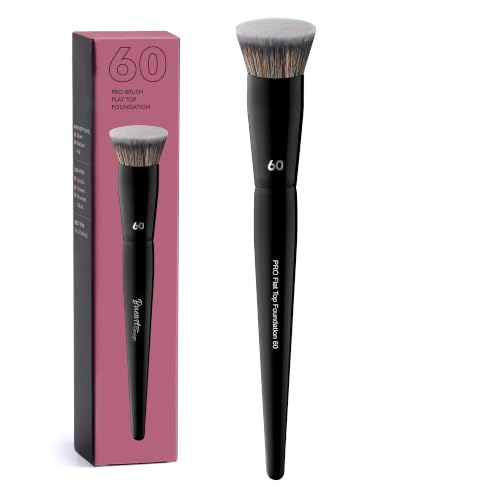
5. Flat Top Stippling Brush
- Shape: Flat surface for pressing product
- Use: Full coverage foundation
Comparison Table: Brush Types
| Brush Type | Head Shape | Main Use | Best For |
|---|---|---|---|
| Classic Stippling | Flat/Round | Foundation, blush | Airbrush finish |
| Small Stippling | Mini Flat/Round | Concealer, highlighter | Precision |
| Large Stippling | Large Flat | All-over face | Quick application |
| Angled Stippling | Slanted | Contour, blush | Cheekbones |
| Flat Top Stippling | Flat Top | Full coverage | Heavy foundation |
How To Use A Stippling Brush
Using a stippling brush isn’t hard, but the technique is different from other brushes. Here’s a step-by-step guide:
- Pick up product: Lightly dip the brush into your makeup. Don’t overload it.
- Apply in dots: Tap the brush onto your skin, creating small dots.
- Blend with light motions: Use gentle, circular or dabbing movements. Avoid dragging.
- Build coverage: Add more product if needed, repeating the stippling motion.
- Finish with blending: For a softer look, lightly swirl the brush to blend edges.
Practical Example
Imagine you’re applying liquid foundation:
- Pump a small amount onto the back of your hand.
- Dip the brush lightly.
- Stipple across cheeks, forehead, and chin.
- Blend with gentle circles.
This method avoids streaks and prevents heavy layers.
Common Mistakes
Many beginners make these errors:
- Overloading the brush: Leads to cakey finish.
- Dragging instead of tapping: Causes streaks.
- Skipping blending: Leaves harsh lines.
Try practicing on the back of your hand first. You’ll see the difference.
Products You Can Use With A Stippling Brush
Stippling brushes are versatile. Here are the types of products you can apply:
- Liquid foundation
- Cream blush
- Powder blush
- Highlighter
- Bronzer
- Concealer
Application Tips
- For liquids: Use gentle tapping and circular motions.
- For powders: Pick up a small amount and build slowly.
- For creams: Warm the product with your fingers first, then stipple.
Stippling Brush Vs. Other Makeup Brushes
Many people wonder why they should use a stippling brush instead of a foundation brush or sponge. Here’s a direct comparison:
Brush Vs. Sponge
- Stippling brush: Gives lighter, airbrushed coverage.
- Sponge: Offers more coverage, but can soak up product.
Brush Vs. Flat Foundation Brush
- Stippling: No streaks, easier to blend.
- Flat brush: Can leave lines, harder to blend.
Data Table: Application Differences
| Tool | Coverage | Finish | Product Wastage |
|---|---|---|---|
| Stippling Brush | Light to medium | Airbrushed, soft | Low |
| Sponge | Medium to full | Matte or dewy | Medium |
| Flat Foundation Brush | Medium | Streaky, flat | Low |
Choosing The Right Stippling Brush
With so many options, picking the best stippling brush can be tricky. Here’s what to consider:
1. Bristle Quality
Look for dual-fiber bristles. Synthetic tips are best for liquids, natural fibers for powders.
2. Brush Head Size
Choose a size that fits your needs:
- Small: For precision (concealer, highlighter)
- Medium: For foundation
- Large: For body or fast face coverage
3. Handle Comfort
A comfortable, easy-to-grip handle makes a difference for precise application.
4. Brand Reputation
Top brands often use better materials and have more consistent quality.
5. Price Range
Stippling brushes range from $7 to $50. You don’t need the most expensive one, but avoid very cheap brushes—they can shed and lose shape quickly.
Comparison Table: Popular Stippling Brushes
| Brand | Price | Bristles | Best Use | Durability |
|---|---|---|---|---|
| MAC 187 | $42 | Dual-fiber | Foundation | High |
| Real Techniques | $10 | Synthetic | Blush, foundation | Medium |
| e.l.f. Studio | $7 | Synthetic | Highlight, blush | Medium |
| Sigma F50 | $25 | Dual-fiber | All products | High |
Cleaning And Caring For A Stippling Brush
Proper care is important. A dirty brush can cause skin problems and ruin your makeup.
Cleaning Steps
- Rinse bristles: Use lukewarm water. Avoid soaking the handle.
- Apply cleanser: Use gentle soap or brush cleaner.
- Massage gently: Work the product through the bristles.
- Rinse thoroughly: Make sure all soap is gone.
- Reshape and dry: Lay flat on a towel. Don’t stand upright while wet.
Frequency
- If you use it daily: Clean once a week.
- If you use creams or liquids: Clean after each use.
Extra Tips
- Avoid harsh chemicals.
- Don’t pull or tug bristles.
- Make sure brush is fully dry before using again.
Stippling Brush For Different Skin Types
Every skin type can use a stippling brush, but the approach changes:
Oily Skin
- Use lightweight, oil-free products.
- Stippling prevents heavy buildup.
Dry Skin
- Use hydrating products.
- Stippling blends moisturizer and foundation well.
Sensitive Skin
- Choose soft, synthetic bristles.
- Clean brush often to avoid irritation.
Mature Skin
- Stippling minimizes settling into lines.
- Use light layers for a youthful finish.
Advanced Stippling Techniques
Once you’re comfortable with basic stippling, try these expert moves:
Layering
Build coverage slowly by adding thin layers. This keeps skin looking natural.
Mixing Products
Mix liquid foundation with moisturizer. Stipple for a glowing effect.
Spot Correction
Use a small stippling brush for concealer. Tap gently on blemishes or dark circles.
Blending Blush And Highlighter
Apply blush, then stipple highlighter. The brush blends both seamlessly.
Common Beginner Mistakes And How To Avoid Them
Even experienced users make errors with stippling brushes. Here are some pitfalls:
1. Using Too Much Product
Stippling brushes are designed for light layers. Start with less and build up.
2. Skipping Cleaning
Dirty brushes can cause breakouts and poor application.
3. Applying In Sweeping Motions
Sweeping defeats the purpose. Always tap or dab.
4. Buying Low-quality Brushes
Cheap brushes shed and don’t blend well. Invest in a reliable brush.
The Stippling Brush In Professional Makeup
Makeup artists rely on stippling brushes for flawless finishes. Here’s why:
- Versatile: Works with liquids, powders, and creams.
- Photogenic: Gives skin an even tone for photos.
- Buildable: Lets artists control coverage.
Many professional brands, like MAC and Sigma, offer high-quality stippling brushes used backstage at fashion shows and on movie sets.
Celebrity Endorsements
Celebrities like Rihanna and Kim Kardashian have credited stippling brushes for their smooth, glowing skin looks.
The History And Evolution Of Stippling Brushes
Stippling as an art technique dates back hundreds of years, used in painting to create texture and depth. Makeup artists adapted it for cosmetics in the late 20th century. The dual-fiber brush design became mainstream as HD cameras demanded flawless skin.
Recent Innovations
- Synthetic fibers: Improved durability and hygiene.
- Ergonomic handles: Easier for precise control.
- Mini brushes: Perfect for travel and touch-ups.
Stippling Brush Myths And Facts
Many myths surround stippling brushes. Let’s clear up a few:
Myth 1: Only For Foundation
Fact: You can use stippling brushes for blush, highlighter, bronzer, and even skincare.
Myth 2: Hard To Clean
Fact: With proper technique, cleaning is easy and fast.
Myth 3: Stippling Brushes Waste Product
Fact: They actually use less product than sponges or flat brushes.
Myth 4: Only Pros Can Use Them
Fact: Anyone can master stippling with practice.
Real-world Examples And Testimonials
Users often report dramatic improvements in their makeup after switching to stippling brushes.
- Sarah (age 25): “I struggled with cakey foundation for years. The stippling brush changed everything—my skin looks smoother and feels lighter.”
- David (age 34): “I used to think brushes didn’t matter. Now, I won’t do makeup without my MAC 187.”
- Jessica (makeup artist): “I use stippling brushes for every client. The buildable coverage is perfect for weddings and photoshoots.”
Stippling Brush In Everyday Routine
It’s easy to add a stippling brush to your daily routine:
- Use it for foundation, blush, and highlighter.
- Clean weekly.
- Store in a dry place.
Even if you’re not a makeup pro, you’ll notice the difference.
Sustainable And Vegan Stippling Brushes
Many brands now offer vegan stippling brushes made from synthetic fibers. These are cruelty-free and often more hygienic than natural hair brushes.
Environmental Impact
- Synthetic brushes last longer.
- Easier to clean, reducing bacteria.
- Many brands use recycled materials for handles.
Buying Guide: What To Look For
Here’s what matters most:
- Bristle type: Dual-fiber for versatility.
- Handle: Comfortable, sturdy.
- Size: Match to your main use.
- Brand: Trusted reputation.
Don’t be fooled by fancy packaging—test the brush in-store if possible.
Stippling Brush Care For Longevity
To make your stippling brush last:
- Clean regularly.
- Store upright or in a brush holder.
- Keep away from heat and moisture.
A well-cared brush can last for years.
Data: Stippling Brush Popularity
According to a 2026 survey by the American Makeup Association, 43% of professional makeup artists use stippling brushes daily, and over 60% recommend them to clients for home use. Sales for dual-fiber brushes grew by 18% in 2026, showing their rising popularity.
Practical Insights Beginners Often Miss
Many beginners overlook these points:
- Stippling brushes work best with thin layers. If you apply too much at once, the airbrush effect disappears.
- Cleaning is easier than most people expect. Many avoid cleaning because they think it’s complicated, but regular soap works well.
- Synthetic bristles are often better for sensitive skin. They’re softer and less likely to cause irritation.
Where To Buy A Stippling Brush
You can find stippling brushes in:
- Beauty stores (Sephora, Ulta)
- Online retailers (Amazon, brand websites)
- Drugstores (limited selection)
If you want more guidance, check reviews and expert opinions. For detailed product info, visit Wikipedia.
Frequently Asked Questions
What Makes A Stippling Brush Different From A Regular Foundation Brush?
A stippling brush uses dual-fiber bristles and applies makeup with a tapping motion. This creates an airbrushed, soft finish, unlike regular brushes which often leave streaks.
Can I Use A Stippling Brush For Powder Products?
Yes, stippling brushes work well for powder blush, bronzer, and highlighter. The key is to pick up a small amount and build coverage slowly.
How Often Should I Clean My Stippling Brush?
If you use it daily, clean once a week. For cream or liquid products, clean after each use to prevent buildup and bacteria.
Is A Stippling Brush Good For Sensitive Skin?
Absolutely. Choose a brush with soft, synthetic bristles and clean it regularly. This reduces irritation and keeps skin healthy.
Can Beginners Use A Stippling Brush Easily?
Yes, stippling brushes are user-friendly. Start with light layers, practice the tapping motion, and clean regularly for best results.
Stippling brushes are a smart choice for anyone who wants natural, flawless makeup. With the right brush and technique, your skin will look smoother and healthier. If you follow the tips here, you’ll avoid common mistakes and make the most of your makeup routine.
Try a stippling brush and see the difference for yourself—your skin will thank you.