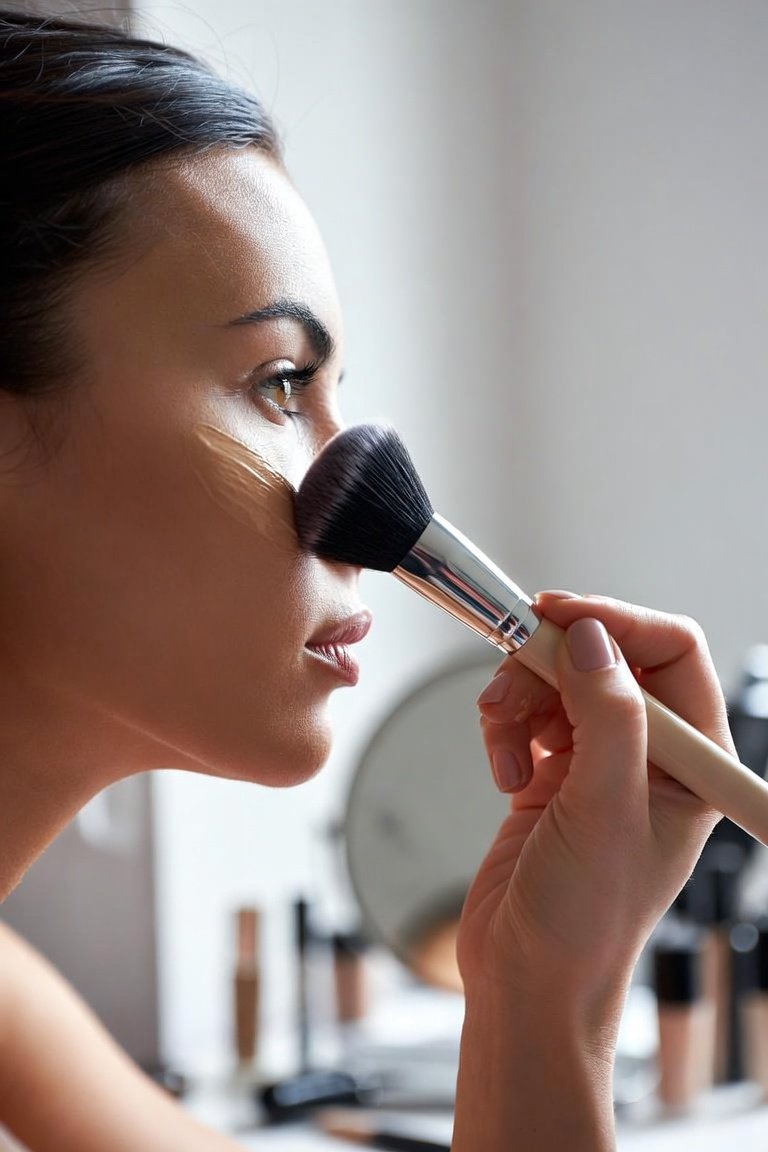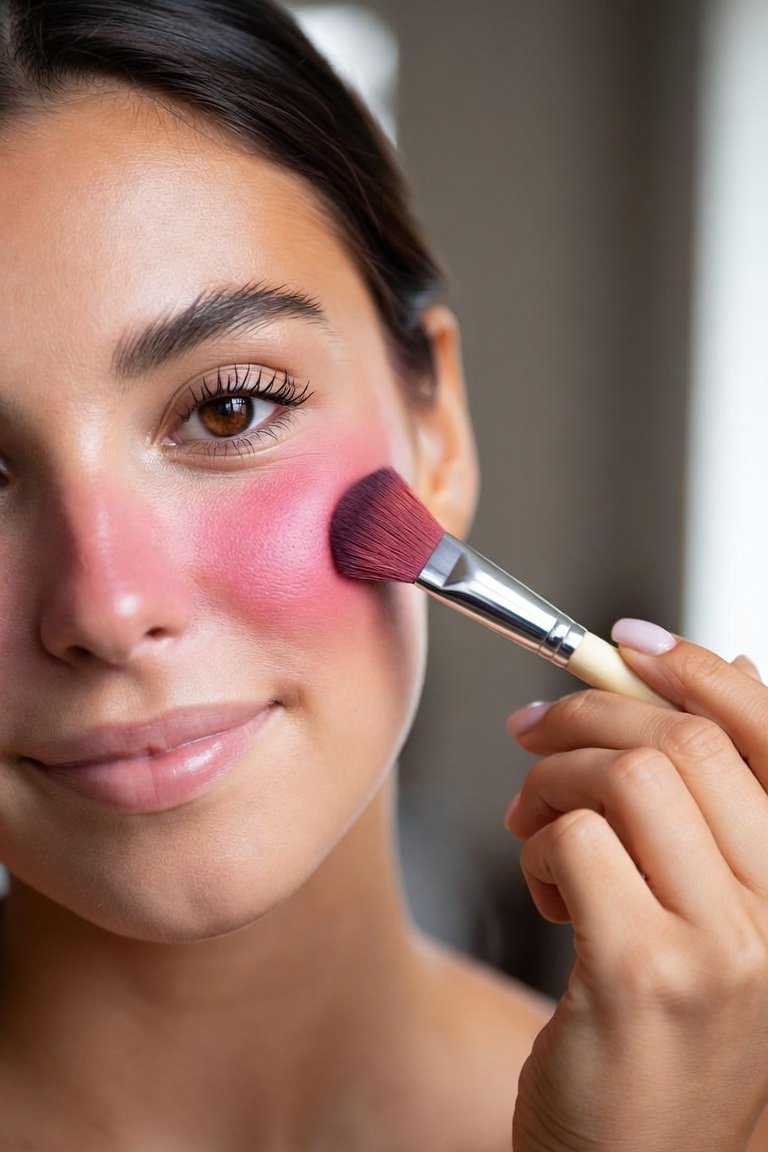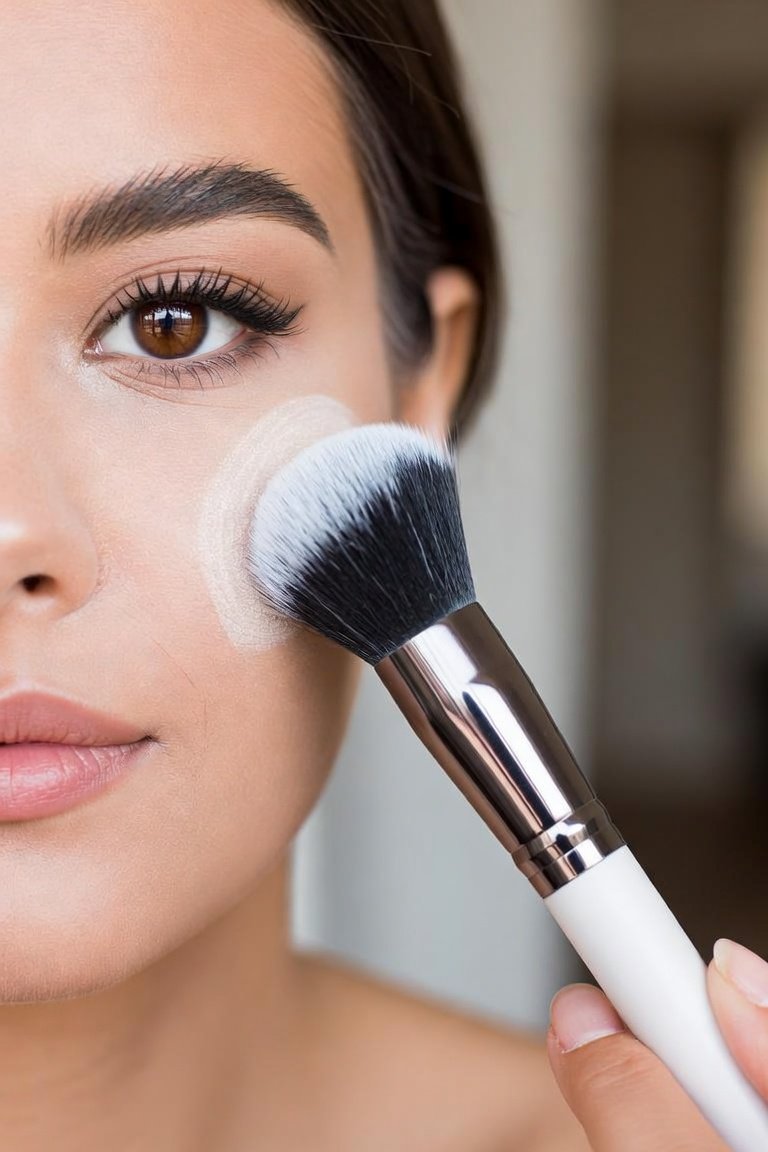
Powder Brush: How to Choose and Use for a Flawless Finish
A powder brush is a simple tool, but it holds great power in makeup routines. For many, it is the difference between a flawless, natural look and a patchy, uneven finish. Whether you are just starting with makeup or you have years of experience, understanding the powder brush can save time, money, and frustration.
Today, we will explore everything about powder brushes—how they work, which types exist, how to use them, and why choosing the right one matters.
Most people know a powder brush spreads powder on the face. But there is much more to learn. The right brush shape, size, bristle material, and care can change your makeup results completely. Many beginners overlook how brush quality and technique affect the final look.
This article will help you avoid common mistakes, find the best powder brush for your needs, and use it confidently.
What Is A Powder Brush?
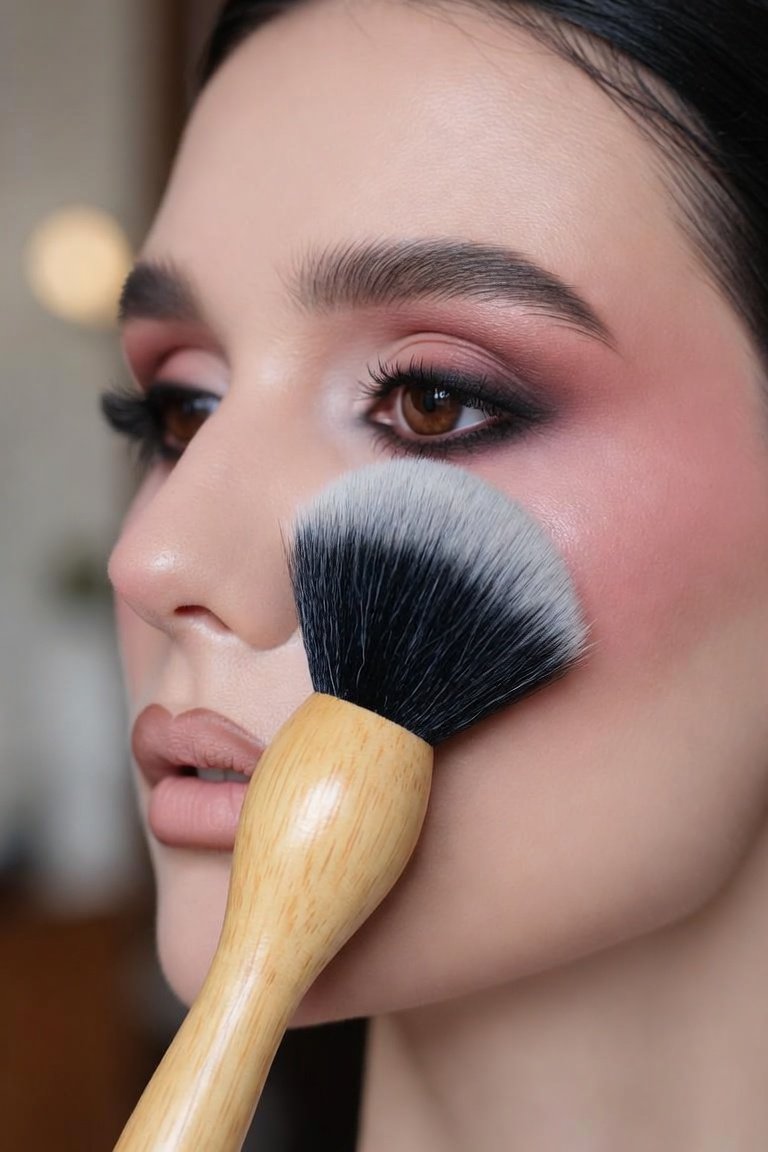
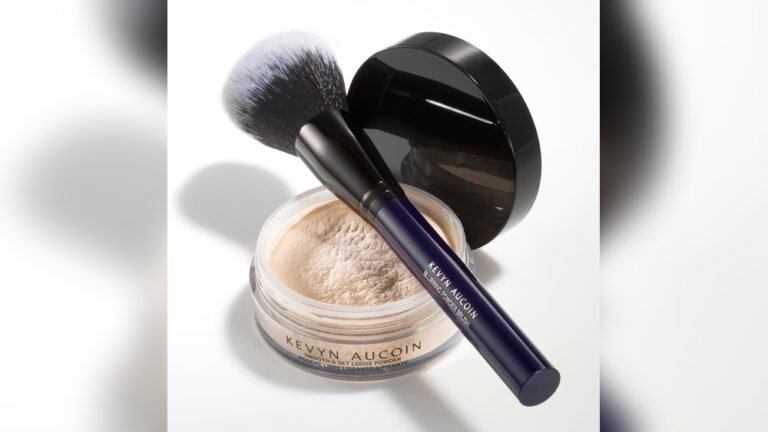
A powder brush is a makeup tool with soft, fluffy bristles. It is designed to apply loose or pressed powder products evenly across the skin. The brush helps to set foundation, control shine, and give a natural finish. It is usually larger than other makeup brushes, allowing for smooth coverage.
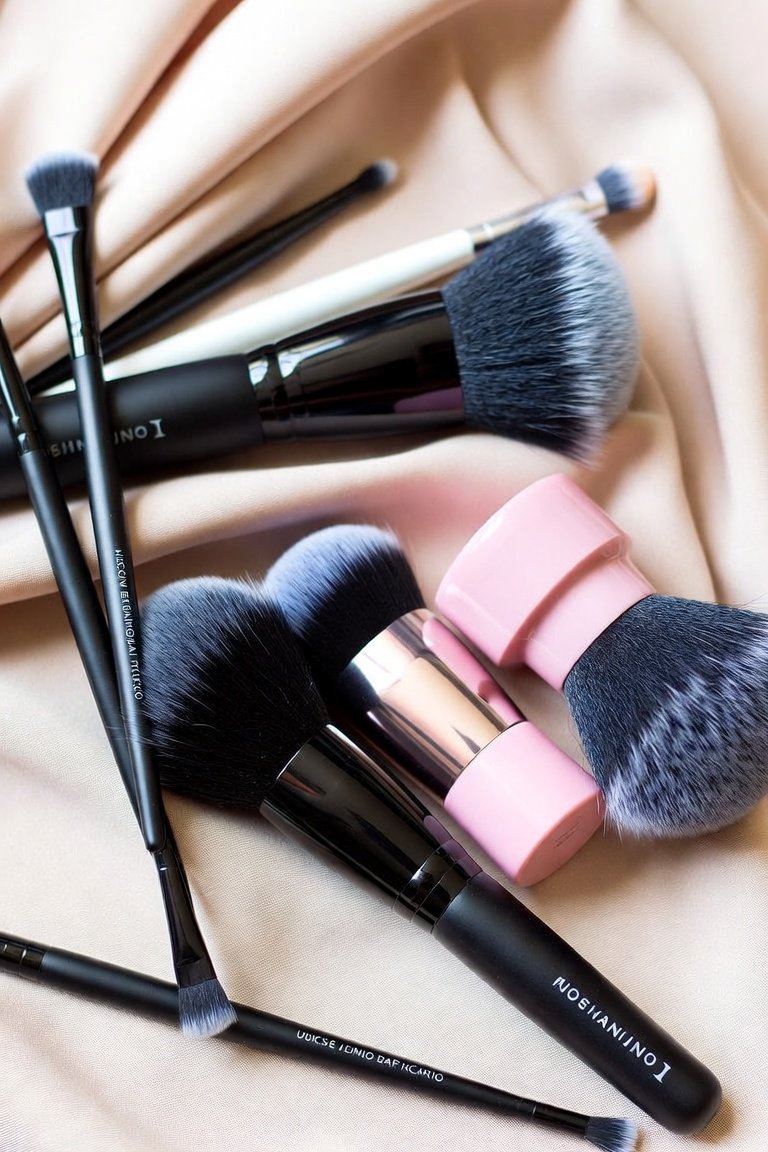
Powder brushes come in many shapes and sizes. The most common are round and dome-shaped, but you might also find flat or tapered brushes. The handle is usually long enough for easy control. Bristles can be made from synthetic fibers or natural hair.
Each material gives a different feel and result.
Main Uses
A powder brush is mainly used for:
- Applying setting powder to lock foundation in place
- Dusting finishing powder for a smooth, airbrushed effect
- Blending bronzer or blush for a soft look
- Removing excess powder or fallout
Some people also use powder brushes to apply light layers of powder foundation or to touch up oily areas during the day.
Powder Brush Vs Other Brushes
Compared to other brushes, a powder brush has:
- Bigger size: Covers more skin quickly
- Fluffier bristles: Picks up less product for a lighter application
- Soft tips: Prevents streaks and harsh lines

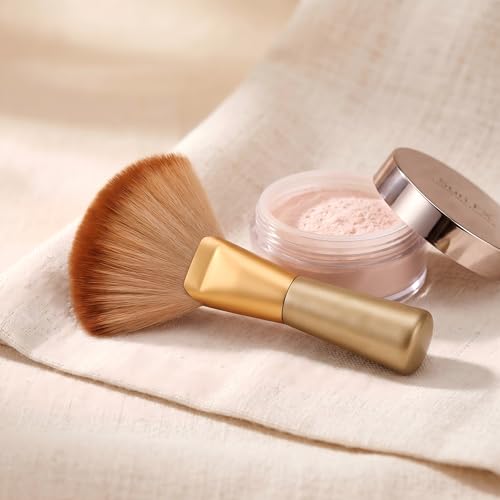

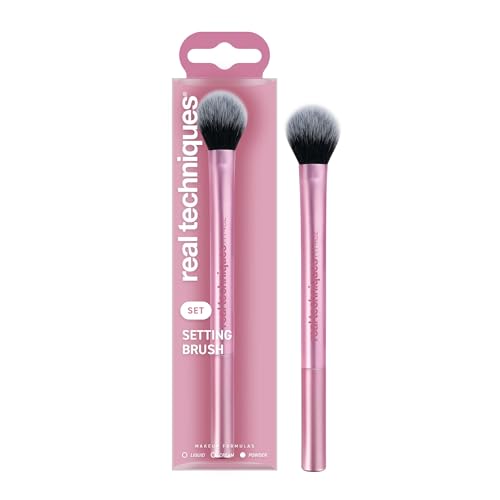
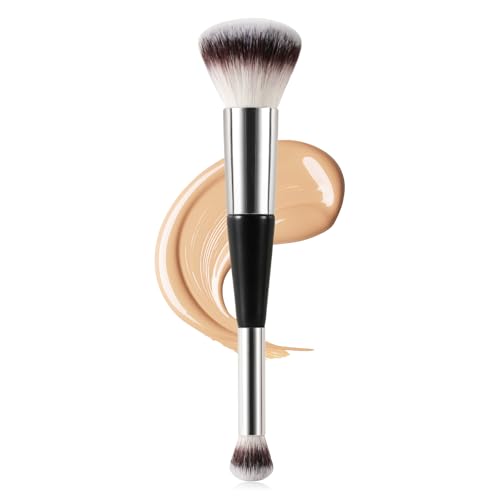


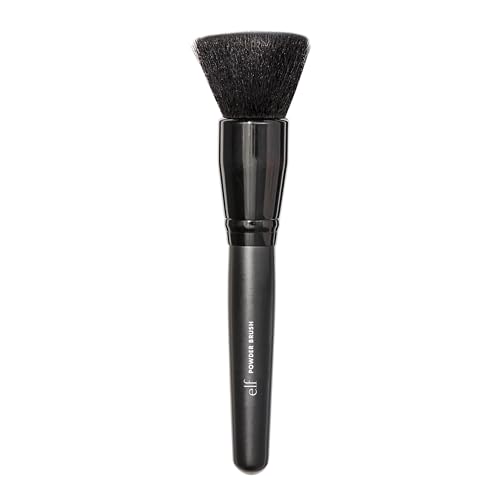
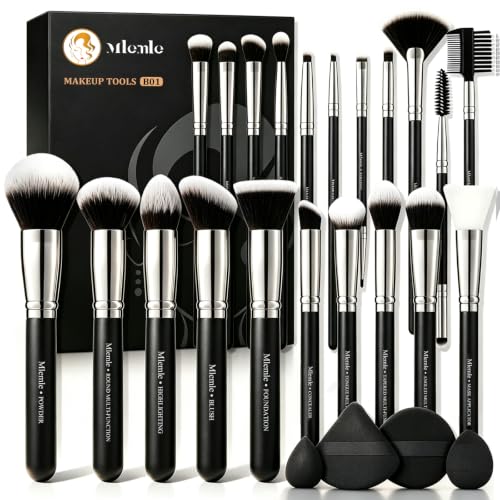
Here is a simple comparison:
| Brush Type | Bristle Shape | Main Use |
|---|---|---|
| Powder Brush | Fluffy, round/dome | All-over powder |
| Foundation Brush | Flat, dense | Liquid/cream foundation |
| Blush Brush | Medium, rounded/tapered | Blush/bronzer |
| Fan Brush | Flat, fan-shaped | Highlight/cleanup |
Types Of Powder Brushes
Choosing the right powder brush depends on your face shape, makeup style, and product preference. There are several types, each with its own purpose.
1. Classic Round Powder Brush
This is the most common design. It has a full, rounded head that spreads powder evenly. It is perfect for all-over face powder.
2. Tapered Powder Brush
A tapered brush narrows at the tip. It is good for precise powder placement, such as around the nose or under the eyes.
3. Flat Powder Brush
Flat powder brushes are less fluffy. They work well for pressing powder onto the skin, especially for oily areas.
4. Angled Powder Brush
These brushes have slanted bristles. They help in contouring or applying bronzer along cheekbones and jawlines.
5. Kabuki Brush
Kabuki brushes are short and very dense. They are great for buffing powder foundation and achieving full coverage.
6. Mini Powder Brush
Mini brushes are small, portable, and useful for touch-ups or travel.
Material: Synthetic Vs Natural Bristles
Powder brushes are made with either synthetic fibers or natural hair.
- Synthetic bristles: Often made from nylon or polyester. They are more affordable, cruelty-free, and easy to clean. Modern synthetic brushes can be very soft.
- Natural bristles: Made from animal hair, usually goat, squirrel, or pony. They are softer and hold powder better. However, they need careful cleaning and may cause allergies in some people.
Here is a comparison:
| Bristle Material | Pros | Cons |
|---|---|---|
| Synthetic | Affordable, cruelty-free, easy to clean | May be less soft, less powder pickup |
| Natural | Very soft, excellent powder pickup | Expensive, harder to clean, not vegan |
How To Choose The Best Powder Brush
Picking the right powder brush can be confusing. Many beginners only look at price or brand. But the best brush depends on several factors.
1. Face Shape And Size
If you have a small face, choose a smaller brush for better control. For larger faces, a big fluffy brush covers more area quickly.
2. Desired Finish
- For a natural look, choose a fluffy round brush.
- For precise application, use a tapered or angled brush.
- For full coverage, pick a dense kabuki brush.
3. Bristle Material
Consider allergies, ethical choices, and cleaning needs. Synthetic is better for sensitive skin and easy care. Natural bristles work well for a luxury feel.
4. Handle Length
Long handles are better for home use. Short handles are good for travel.
5. Brand Reputation
Look for brands known for quality and durability. Well-made brushes last longer and perform better.
6. Price Range
Powder brushes can cost from $5 to over $50. Higher prices usually mean better materials and craftsmanship, but not always. There are good affordable options.
7. Reviews And Testing
Read reviews and, if possible, test the brush in person. Sometimes brushes look soft but feel scratchy on the skin.
Key Features To Check
- Density: Too dense can apply too much product; too loose can waste powder.
- Shape: Should match your makeup style.
- Weight: Lightweight brushes are easier to use.
- Ferrule (metal part): Should be strong and not loose.
How To Use A Powder Brush Properly
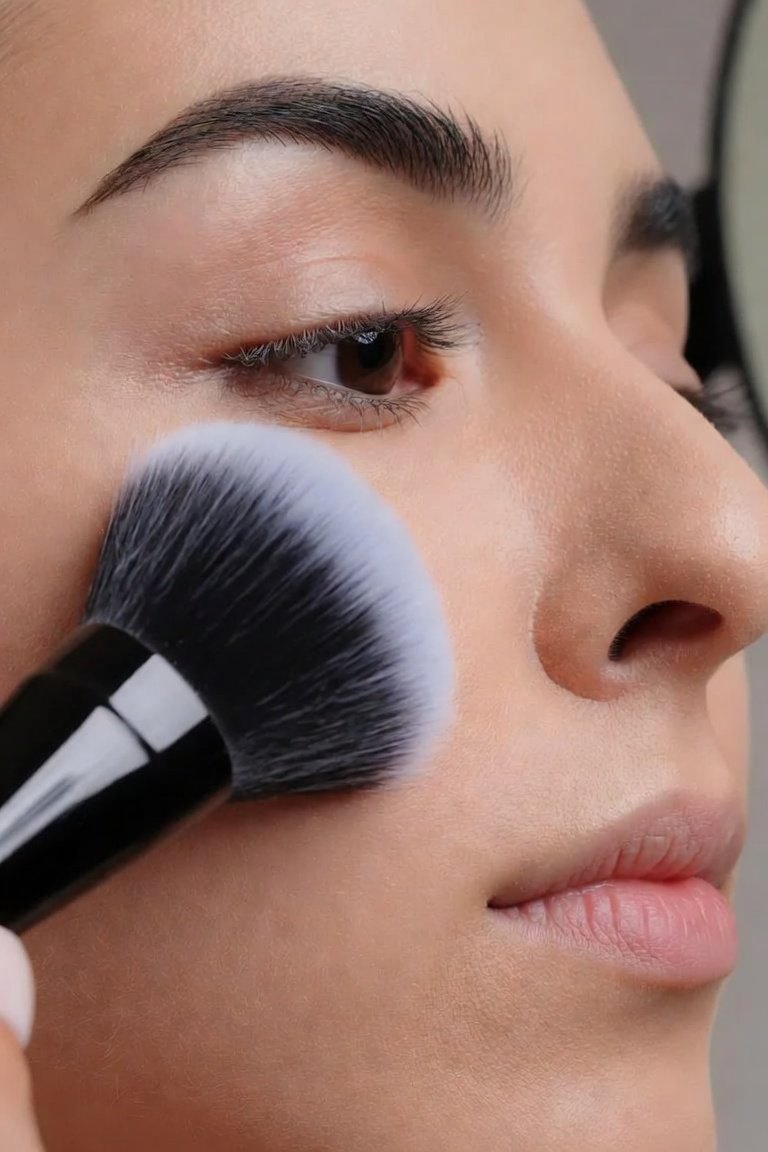
Many people swipe powder brush across the face quickly. But correct technique gives a smoother, longer-lasting finish.
Step-by-step Guide
- Pick the right powder: Loose, pressed, or mineral powder.
- Dip the brush: Tap gently in the powder. Avoid heavy loading.
- Tap off excess: Gently shake or tap the brush to remove extra product.
- Apply in circular motions: Start from the center of the face, move outward. Use light, sweeping strokes.
- Blend: Go over areas with uneven coverage.
- Build up layers: For more coverage, repeat the process. Never overload at once.
- Finish up: Check for harsh lines or powder buildup.
Tips For Best Results
- Use a clean brush to avoid mixing colors or products.
- For oily skin, press powder gently instead of sweeping.
- For dry skin, use less powder and avoid over-blending.
- Always check your makeup in natural light.
Common Mistakes To Avoid
- Using a dirty brush (can cause breakouts and uneven finish).
- Applying too much powder at once.
- Skipping the step of tapping off excess powder.
- Using the wrong brush size for your face.
Caring For Your Powder Brush
Proper care extends the life of your powder brush and keeps your skin healthy. Many users forget to clean brushes regularly, which leads to clogged pores and poor performance.
Cleaning Steps
- Wet the bristles: Use lukewarm water, avoid soaking the handle.
- Apply mild soap or brush cleanser: Rub gently.
- Rinse thoroughly: Make sure all soap is gone.
- Squeeze out excess water: Use a towel, be gentle.
- Reshape and dry: Lay flat or hang upside down. Never dry upright, as water can damage the handle.
How Often To Clean
- For powder brushes, clean every 1–2 weeks.
- For brushes used with liquid or cream products, clean more often.
Signs Your Brush Needs Replacement
- Bristles are shedding or splitting.
- Brush feels scratchy or rough.
- Handle is loose or cracked.
- Brush cannot be cleaned properly anymore.
Storage Tips
- Keep brushes in a holder or case.
- Avoid crowded spaces where bristles bend.
- Keep away from humidity and dust.
Powder Brush In Makeup History
The powder brush has evolved over centuries. Early brushes were made from animal hair and simple handles. Today, technology gives us softer, more durable bristles and ergonomic designs.
Powder brushes became popular in the early 1900s when face powders were used to set makeup and prevent shine. As makeup became more advanced, brush designs improved. Now, there are brushes for every skin type, makeup formula, and style.
Fun Facts
- Kabuki brushes were first used in Japanese theater for heavy makeup.
- The largest powder brush in history was over 1 meter long, used for promotional events.
- Some luxury brands use gold-plated handles and hand-cut bristles.
Benefits Of Using A Powder Brush
Many people still use sponges or fingers for powder, but a powder brush offers several advantages.
1. Even Distribution
The fluffy bristles spread powder smoothly. This prevents patchiness and keeps makeup looking natural.
2. Light Application
A powder brush picks up less product than a sponge. This avoids cakey buildup and helps control shine.
3. Blending Power
Brushes blend powder into the skin. This softens harsh lines and creates a seamless finish.
4. Hygiene
A clean brush keeps skin healthier by reducing the risk of bacteria transfer.
5. Versatility
Powder brushes work for many products: setting powder, finishing powder, bronzer, blush, and even powder foundation.
6. Professional Results
Makeup artists prefer brushes for their ability to create smooth, flawless looks.
Top Powder Brush Brands And Models
There are hundreds of powder brush brands. Some are famous for quality and performance. Here are a few popular ones:
- Real Techniques Powder Brush: Affordable, synthetic, soft, easy to clean.
- MAC 150 Large Powder Brush: Premium, natural bristles, very soft, used by professionals.
- EcoTools Full Powder Brush: Eco-friendly, cruelty-free, good for sensitive skin.
- Sigma Beauty F30 Large Powder Brush: Dense, round, durable, great for everyday use.
- Sephora Collection PRO Powder Brush #50: High quality, synthetic, good for travel.
- IT Cosmetics Heavenly Luxe Powder Brush: Ultra-soft, dense, luxury feel.
- Bobbi Brown Powder Brush: Natural bristles, sleek handle, trusted by makeup artists.
- E.l.f. Cosmetics Powder Brush: Budget-friendly, synthetic, suitable for beginners.
- Morphe M527 Deluxe Powder Brush: Large, fluffy, blends powder well.
- Hakuhodo Powder Brush: Handmade, luxury brand, expensive but top performance.
Each brush has its own features and price range. Beginners should start with affordable, reliable brands. Professionals might invest in high-end brushes for better results.
Powder Brush Vs Sponge Vs Puff
Many people wonder if they should use a brush, sponge, or puff for powder. Each tool has pros and cons.
| Tool | Finish | Best For | Drawbacks |
|---|---|---|---|
| Powder Brush | Light, natural | All skin types, blending | May not press powder deeply |
| Makeup Sponge | Medium, smooth | Liquid/cream, touch-ups | Can waste product, needs frequent cleaning |
| Powder Puff | Heavy, matte | Oily skin, baking technique | Can look cakey, less blending |
Most makeup artists recommend brushes for everyday powder application. Puffs are good for oily skin or special techniques. Sponges work best with liquids or creams.
Powder Brush For Different Skin Types
Your skin type affects how you use a powder brush.
Oily Skin
Use a flat or dense brush to press powder onto oily areas. Focus on the T-zone (forehead, nose, chin). This helps control shine.
Dry Skin
Use a fluffy, soft brush. Apply powder lightly. Avoid over-blending, which can highlight dry patches.
Combination Skin
Use a round brush for all-over coverage. Then, use a smaller brush for oily spots.
Sensitive Skin
Choose synthetic, hypoallergenic brushes. Avoid rough or scratchy bristles.
Powder Brush For Different Powder Products
Powder brushes work with many types of powder. Each product needs a slightly different approach.
Loose Powder
Loose powder is fine and lightweight. Use a fluffy brush, tap off excess, apply in light layers.
Pressed Powder
Pressed powder is compact. Use a denser brush, swirl gently, apply where needed.
Mineral Powder
Mineral powders are often used for foundation. Use a kabuki brush, buff in circles for even coverage.
Translucent Powder
Translucent powder is colorless. Use a round brush, focus on oily areas.
Bronzer And Blush
Powder brushes can also apply bronzer and blush. Use a smaller, angled brush for precise placement.
Advanced Powder Brush Techniques
A powder brush is not just for spreading powder. You can use advanced techniques for special effects.
Baking
Baking is a makeup method where a heavy layer of powder is applied to set concealer. After a few minutes, excess powder is brushed away. Use a powder brush to remove the extra powder for a smooth finish.
Layering
Apply powder in layers for long-lasting makeup. Use a powder brush between foundation, blush, and highlighter to blend each step.
Setting And Finishing
Setting powder locks makeup in place. Finishing powder gives a soft, airbrushed look. Use different powder brushes for each product.
Highlighting
Some powder brushes can apply highlighter for a subtle glow. Choose a smaller, tapered brush.
The Science Behind Powder Brushes
Why do powder brushes work so well? The answer lies in bristle design and powder texture.
Bristles are cut and shaped to hold small amounts of powder. When you sweep the brush, powder is released evenly. This prevents clumps and streaks.
Powder brushes are tested for softness, durability, and product pickup. Quality brushes can last for years with proper care.
According to a study, people who use clean, soft brushes have 30% fewer makeup-related skin issues. Proper brush use also increases makeup staying power by up to 40%.
Eco-friendly Powder Brushes
More brands now offer eco-friendly powder brushes. These are made with recycled materials, bamboo handles, and cruelty-free bristles.
Benefits include:
- Less environmental impact
- No animal harm
- Safe for sensitive skin
EcoTools and Real Techniques are popular eco-friendly brands. They use recycled packaging and sustainable materials.
Powder Brush Myths And Facts
Many myths surround powder brushes. Here are the truths:
- Myth: Expensive brushes are always better. Fact: Some affordable brushes perform as well as high-end brands.
- Myth: Natural bristles are always softer. Fact: Modern synthetic bristles can be equally soft.
- Myth: Brushes do not need cleaning. Fact: Dirty brushes cause skin problems and poor makeup results.
- Myth: One brush fits all. Fact: Different powder products need different brushes.
Powder Brush In Professional Makeup
Professional makeup artists use powder brushes for many reasons:
- Speed: Brushes cover large areas quickly.
- Precision: Brushes allow control for blending and layering.
- Versatility: One brush can work for several products.
- Hygiene: Clean brushes are a must for clients.
Many artists carry multiple powder brushes in their kits. They use different sizes and shapes for various effects.
Buying Powder Brushes Online Vs In Store
You can buy powder brushes both online and in stores. Each has its pros and cons.
Online Shopping
- Wider selection
- Reviews and ratings
- Discounts and deals
But you cannot feel the brush before buying. Some brushes look soft in photos but feel rough in reality.
In-store Shopping
- Test the brush for softness and shape
- Immediate purchase
- Personal advice from staff
But stores may have limited brands and higher prices.
Always check return policies and customer feedback.
Powder Brush For Men
Powder brushes are not just for women. Many men use them for makeup, skincare, or grooming.
Uses for men include:
- Setting foundation or concealer
- Applying bronzer for a healthy look
- Blending powder for shine control
Men should choose brushes that suit their skin type and makeup needs. Synthetic brushes are usually easier to clean and maintain.
Traveling With Powder Brushes
Travel can damage powder brushes if not packed correctly. Here are some tips:
- Use a brush case or pouch.
- Choose mini brushes for convenience.
- Clean brushes before travel.
- Avoid packing with heavy items that can crush bristles.
Many brands offer travel kits with compact brushes and protective cases.
How To Spot Fake Powder Brushes
Fake brushes are common, especially online. They may look similar but perform poorly.
Signs of fake brushes:
- Loose bristles
- Cheap packaging
- Bad smell
- No brand markings
- Rough feel
Always buy from trusted stores and check brand reputation.
Powder Brush And Skin Health
A clean, soft powder brush helps keep your skin healthy.
Benefits:
- Reduces acne and irritation
- Prevents clogged pores
- Avoids bacteria buildup
Always clean brushes, store them safely, and replace when needed.
Frequently Asked Questions
How Often Should I Clean My Powder Brush?
It is best to clean your powder brush every 1–2 weeks. This prevents bacteria buildup and keeps your makeup looking smooth.
Can I Use A Powder Brush For Liquid Products?
Powder brushes are designed for powder products. Using them with liquid makeup can damage bristles and reduce performance. Use a foundation brush or sponge for liquids.
What Is The Difference Between Synthetic And Natural Bristles?
Synthetic bristles are made from fibers like nylon. They are cruelty-free and easy to clean. Natural bristles are made from animal hair and are very soft, but they need more care and may cause allergies.
How Can I Tell If My Powder Brush Needs Replacing?
If your brush is shedding, feels rough, or cannot be cleaned properly, it is time to buy a new one. A damaged brush can harm your skin and ruin your makeup.
Are Expensive Powder Brushes Worth The Price?
Not always. Some affordable brushes work as well as expensive ones. Quality depends on material, craftsmanship, and brand reputation. Read reviews and test brushes if possible.
Powder brushes may seem simple, but choosing, using, and caring for them can make a big difference in your daily makeup routine. With the right knowledge, you can achieve flawless results and keep your skin healthy. For more expert tips on makeup tools, visit Wikipedia.