How Often Should You Replace Makeup Brushes and Sponges? Lifespans and Signs to Watch
In one UK lab study of used makeup, 93 percent of beauty sponges had never been cleaned, and 64 percent had been dropped on the floor and used again. That finding explains why sponges top most hygiene warnings. It also raises the question this guide answers: how often should you replace makeup brushes and sponges, and what tells you a tool is done?
Quick answer: there is no official expiry date for applicators, so condition decides. Sponges wear out fastest, and Beautyblender, the brand behind the original egg-shaped sponge, suggests a new one about every three months, sooner with daily use. Well-kept brushes can last for years, although one brush maker says many need replacing every three to five years. Replace any tool right away if it sheds, splays, smells, stays stained, tears, shows dark spots or irritates your skin.
Sponges go first because of their structure. Foam soaks up liquid makeup and water, and Cleveland Clinic warns that this trapped moisture can lead to bacteria and yeast overgrowth. Brushes fail more slowly and more visibly instead: the glue loosens, the fibers bend and the shape goes. The study authors also point out that applicators have no preservative system of their own, unlike the makeup you use them with.
So treat the calendar as a backstop, not the rule. How often you use a tool, what you use it with and how you dry it matter more than its age.
Below you will find typical lifespans by tool, a quick replace-or-keep check, the warning signs, how material changes the timeline, and a simple routine for retiring old tools.
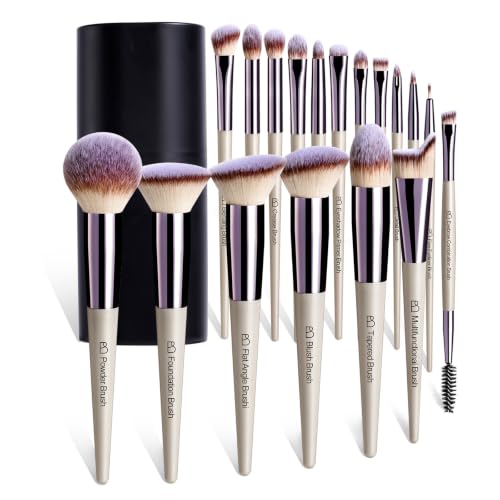
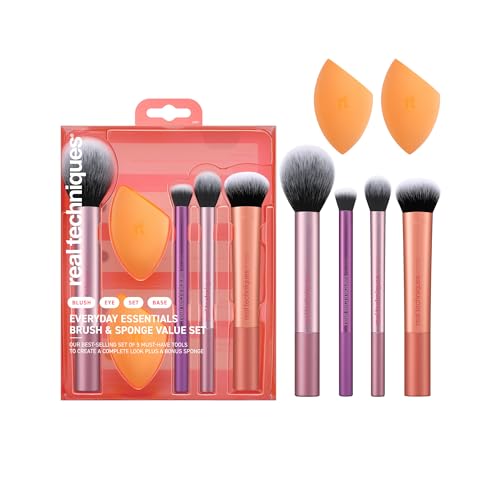
Recommended Makeup Brush Sets and Sponges for a Fresh Start
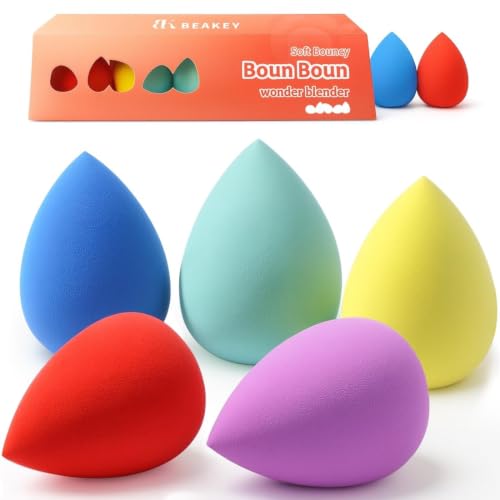
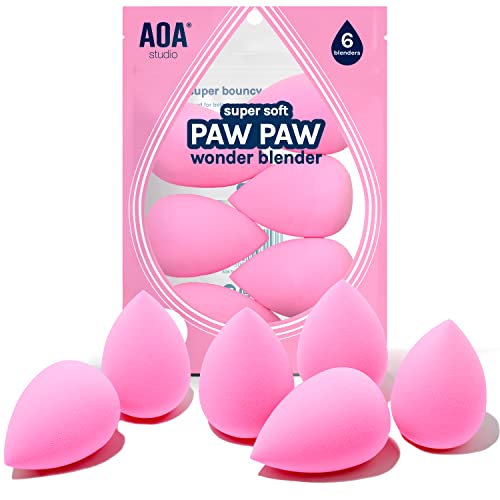
These picks are complete brush sets and multi-pack makeup sponges, so you can swap out a worn kit in one go. Sponge multi-packs make the three-month rotation easier to keep, because a fresh one is always ready. See how we test and choose products for the rules behind every pick.



Key Takeaways
- No law or standard sets an expiry date for brushes or sponges, so condition is the real signal.
- Sponges wear out fastest; Beautyblender suggests about every three months, and sooner if you use one daily.
- Good brushes can last for years, but shedding, splaying, a lost shape or a lasting smell means it is time to replace them.
- Tears, dark spots, a sour smell or new skin irritation mean you should stop using a tool right away.
- Dirty and worn out are different problems: washing fixes the first, only replacement fixes the second.
- Synthetic brushes handle liquids and frequent washing well; natural hair suits powders but needs gentler care.
- Drying tools flat and never sharing them does more for tool life than any special cleanser.

The Calendar Myth: Why a Date Alone Tells You Little
Many lists give one neat number for every tool, such as “replace sponges monthly” or “brushes once a year”. Those numbers are easy to remember. However, they are rarely sourced, and they ignore how differently two people use the same brush.
Think about two foundation brushes bought on the same day. One is used every morning with liquid foundation, washed weekly and dried flat. The other comes out twice a month for powder. After a year, the first may be soft but tired, while the second looks almost new. Same age, very different condition.
That is why the honest answer to when you should replace makeup brushes is “when they stop doing their job or start carrying risk”. A date on a calendar is still useful, because it reminds you to look closely. It just should not be the only thing you check.
How Often to Replace Makeup Brushes and Sponges
The ranges below come from what manufacturers and clinicians actually say, not from a single magic number. Use them as a prompt to inspect your tools, then let the signs in the next sections make the final call.
| Tool | Typical guidance | Who says so | Replace sooner if |
|---|---|---|---|
| Foam blending sponge | About every 3 months; sooner with daily use | Beautyblender | It tears, stays stained, smells, hardens or shows dark spots |
| Disposable foam wedges | Designed for short-term use | Sold as disposable in bulk packs | Used once with liquid product, especially around the eyes |
| Face brushes (foundation, powder, blush) | Often several years with good care; one maker says many need replacing every 3 to 5 years | IT Cosmetics | Bristles shed, splay, stiffen or the head loosens |
| Eye and detail brushes | Similar to face brushes, but check more often | Cleveland Clinic advice on eye-area hygiene | You had an eye infection, or the tip no longer holds a point |
| Premium synthetic brushes | “Years, not months”, backed by a 4-year warranty | Sigma Beauty | The ferrule or glue fails, which a warranty may cover |
Two things stand out. First, every brand range comes with the words “depends on use and care”. Second, the brush figures come from companies that sell brushes, so read them as optimistic best cases. Cleveland Clinic keeps it simpler: when a brush becomes frayed or worn, or loses its shape, replace it.
Replace or Keep? A Two-Minute Self-Check
Run this check every few months, or whenever a tool starts to feel “off”. Do it on a clean, fully dry tool, so you judge wear rather than leftover makeup.
- Smell it. Does it smell sour, musty or damp even after washing and drying? (Yes = replace now.)
- Look closely. Any tears, crumbling foam, dark or black spots, or a loose head? (Yes = replace now.)
- Tug gently. Do more than a few fibers come out on your fingers, or does the head wobble? (Yes = replace soon.)
- Check the shape. Do the bristles splay out, bend to one side or feel scratchy instead of soft? (Yes = replace soon.)
- Test the finish. Does your makeup look streaky or patchy with this tool but fine with a newer one? (Yes = replace soon.)
- Think about your skin. Have you had new breakouts, a rash or an eye infection while using it? (Yes = stop using it and see the section on professionals.)
Any “replace now”: throw it away today. Washing will not reverse mold or torn foam.
One or two “replace soon”: keep using it with care, but buy a replacement and swap it within a few weeks.
All clear: keep it, note the date, and check again in a few months.
Signs It Is Time to Replace Makeup Brushes
Brushes rarely fail overnight. Instead, they give small warnings that are easy to ignore. Here is what each sign means and why it matters.
- Shedding: a few loose fibers on a new brush are normal. Steady shedding on an older one usually means the glue in the ferrule (the metal collar) is breaking down. As a result, the head gets thinner and will keep losing fibers.
- Splaying or a lost shape: bristles that fan out or bend to one side no longer place product where you aim. Cleveland Clinic names a lost shape as a clear reason to replace a brush.
- Stiff or scratchy fibers: rough fibers drag across skin. That friction can irritate sensitive skin, so comfort is a fair reason to retire a brush.
- A smell that will not wash out: IT Cosmetics links a lingering bad odor to mildew, mold or bacteria. If a full wash and dry does not fix it, the brush has to go.
- A loose or cracked handle: once the head wobbles, water can get into the joint, which speeds up the damage.
- Poor results: if foundation streaks or eyeshadow will not blend with one brush but works with another, the tool is the problem, not your technique.
For sponges, the list is shorter and stricter. Beautyblender lists rips, nicks, lasting discoloration, a foul odor, dark spots of mold, hardening and poor blending as signs it is done. Mold is a “throw it away now” sign, not a “wash it again” sign.
Dirty vs Worn Out: Two Problems People Mix Up
Many people throw away tools that only need a wash, while others keep washing tools that are long past saving. The table separates the two, so you fix the right problem.
| What you notice | Usually means dirty | Usually means worn out |
|---|---|---|
| Color | Makeup tint that fades with each wash | Stains that stay after a thorough wash and full dry |
| Texture | Stiff, clumped bristles that soften after washing | Bristles that stay bent, frayed or scratchy when clean |
| Smell | Faint product scent that goes once washed | Sour or musty smell that returns, or never leaves |
| Shedding | Loose fibers caught in buildup | New fibers coming out every time you use it |
| Application | Patchy because old product is caked on | Patchy even when the tool is clean and dry |
| Fix | Wash, rinse well and dry flat | Replace |
A simple rule follows from this: wash first, judge second. If a tool still fails the self-check after a proper wash and a full day of drying, you have your answer. Our sister guide on cleaning covers the washing itself, so this guide stays on lifespan.
Why Sponges Fail First: What the Research Shows
The strongest evidence on applicator hygiene concerns sponges. In a study published in the Journal of Applied Microbiology, Amreen Bashir and Peter Lambert of Aston University tested 467 used makeup products, including 79 beauty sponges. Most used products carried bacteria. However, the sponges stood out, with the highest average bacterial loads of all five product types.
The researchers found organisms such as Staphylococcus aureus and E. coli across the samples. They also detected fungi in roughly 57 percent of the sponges. On top of that, 93 percent of sponges had never been cleaned, and 64 percent had been dropped on the floor and then used again.
The mechanism is simple. A sponge is a soft network of open cells, so it holds water, product and skin oils deep inside where rinsing barely reaches. If it stays damp, it becomes a warm, wet place for microbes. The authors add that sponges are applicators, not cosmetics, so they lack the preservative system built into makeup formulas.
Material Matters When You Replace Makeup Brushes and Sponges
What a tool is made of shapes how fast it wears and how you should treat it. Knowing the material helps you set realistic expectations before you buy.
- Synthetic fibers: man-made fibers absorb less liquid, so they suit foundation, concealer and cream products. They also tolerate frequent washing well. Sigma, for example, builds its synthetic brushes for repeated cleaning and backs them with a 4-year warranty.
- Natural hair: animal hair picks up and diffuses powder well. On the other hand, it soaks up more liquid and can dry out or break with harsh cleansers, so it suits powder brushes washed gently and less often.
- Foam sponges: soft polyurethane-type foams are the shortest-lived tools in a kit. They tear, harden and hold moisture, which is why a regular rotation makes sense.
- Silicone applicators: non-porous, so they do not soak up product the way foam does. They are easy to wipe clean, although they blend differently and still need replacing when nicked or torn.
Construction counts too. The American Academy of Dermatology advises drying brushes flat, not upright, because water running down into the brush loosens the glue. Brushes with a well-sealed ferrule resist that damage better, which is one reason better-made brushes tend to last longer.
How to Replace Makeup Brushes and Sponges Step by Step
A short routine every few months keeps your kit safe without wasting good tools. It takes about ten minutes.
- Gather every tool. Pull brushes and sponges out of every bag, drawer and travel kit, because forgotten tools are often the oldest.
- Wash and dry first. Clean anything that looks dirty and let it dry completely, so you judge wear rather than buildup.
- Run the self-check. Smell, look, tug and test each tool using the checklist above.
- Bin the failures. Throw away anything with mold, tears, a lasting smell or a loose head, and any tool used during an eye or skin infection.
- Replace by role. Swap like for like: a liquid-foundation brush for a synthetic one, a sponge for a fresh sponge, so your routine does not change.
- Date the new tools. Write the start date on a small label or in your phone, especially for sponges.
- Set the next check. Add a reminder for about three months, then repeat the routine.
For specific tools, our related guides cover what to look for in foundation, blush and stippling brushes, so a replacement fits the job.
Habits That Stretch Tool Life
Most early wear comes from a few avoidable habits. Fix those and you will replace makeup brushes far less often.
- Wash brushes about every 7 to 10 days, as the AAD suggests
- Squeeze out water and dry brushes flat, tips over a counter edge
- Let sponges dry fully in open air before storing
- Store tools in a clean, ventilated holder
- Keep separate tools for eyes and face
- Wash your hands before applying makeup
- Dry brushes standing upright in a cup
- Soak the whole brush head and ferrule
- Seal a damp sponge in a makeup bag
- Share brushes or sponges, even with family
- Keep using a sponge that fell on the floor without washing it
- Use a hair dryer on a sponge, which can damage the foam
Cleaning is the biggest lever here, so a quick word on frequency. The AAD recommends washing brushes every 7 to 10 days. Cleveland Clinic suggests weekly for brushes used with liquids, every two weeks for eye brushes and monthly for powder brushes. Beautyblender recommends cleaning its sponges after each use. For the full method, see our separate cleaning guide.
Why Brushes Shed and When Shedding Means Replace
Most shedding comes from weakened glue under the bristle head, not from the bristles themselves. Water that reaches the ferrule is the usual culprit: soaking the whole head or the handle, or rinsing with hot water, softens the adhesive a little more with every wash. Keep the water lukewarm and wet only the tips.
Drying position matters as much as washing. A brush stood upright in a cup drains water into the ferrule; laid flat, or with the head hanging off the edge of a counter, it drains away from the glue. Heavy pressure and rubbing the tips during washing snaps bristles too, especially on thin, tapered brushes.
A few loose hairs from a new brush are normal and stop after the first washes. A wobbly head, clumps of bristles coming out, or a visible gap between ferrule and bristles are the signs the brush is finished. No brush is shed-proof, so when you replace one, choose by construction and read recent reviews rather than trusting a label.
Honest Limits
There is little hard research on how long applicators last. Most lifespan figures come from brands that sell brushes and sponges, so they have an interest in both durability claims and regular replacement. The ranges in this guide are guidance, not tested limits.
Similarly, the lab studies show contamination, not proven harm. Bashir and Lambert measured microbes on used products; they did not track infections in the people who used them. The Jeddah brush study even found no clear link between cleaning habits and reported skin problems. Contaminated tools are a reasonable risk to avoid, but a used sponge is not a guaranteed breakout.
Finally, your own results depend on your skin, your products and your climate. Humid bathrooms, heavy cream formulas and daily use all shorten tool life, while dry storage and gentle care extend it.
When to See a Professional
Replacing tools is good hygiene, but it is not a treatment. See a doctor, dermatologist or eye specialist if you notice:
- Red, painful or swollen eyes, discharge or crusting, especially after using eye makeup
- Breakouts or a rash that keeps returning in the areas where you apply makeup
- Pus-filled bumps, spreading redness or skin that feels hot
- Signs of a fungal skin problem, such as an itchy, scaly patch
- A reaction that continues after you switch to new, clean tools
Take the products and tools you were using to the appointment, or photos of their labels. That helps a clinician spot an ingredient allergy rather than a hygiene problem.
- Choosing a foundation brush: fiber types and shapes for liquid formulas.
- Blush brush guide: picking a soft, even-blending face brush.
- Stippling brush guide: dual-fiber brushes for a light, airbrushed finish.
- Cleaning brushes without brush cleaner: gentle soap methods that extend brush life.
- Drying makeup brushes: how to protect the glue in the ferrule.
- Cleaning a stained beauty blender: what comes out and what means replace.
Frequently Asked Questions
How often should you replace makeup brushes?
There is no fixed date. Well-kept brushes can last years; replace them when they shed, splay, lose their shape, stiffen or keep a smell after washing.
How often should you replace a makeup sponge?
Beautyblender suggests about every three months, and sooner with daily use. Replace it right away if it tears, hardens, smells or shows dark spots.
Do you need to replace makeup brushes after an eye infection?
It is the safest choice. The FDA advises throwing away eye makeup after an eye infection, and the same reasoning applies to the brushes and sponges you used on your eyes.
Can washing bring an old sponge back to life?
Washing removes product and some microbes, but it cannot fix torn foam, hardening or mold. Those sponges need replacing.
Why do my brushes keep shedding?
Steady shedding usually means the glue in the ferrule is breaking down, often from water running into it. Drying brushes flat helps prevent it.
Should I replace makeup brushes made of natural hair more often?
Not necessarily. Natural hair can last a long time if you wash it gently and use it mainly for powders, but harsh cleansers and liquids wear it out faster.
Is it safe to share makeup brushes or sponges?
No. The FDA advises against sharing makeup, and the AAD advises against sharing brushes, because tools can carry bacteria from one person to another.
Do expensive brushes last longer?
Often, because of better glue, sealed ferrules and sturdier fibers, but care matters as much as quality. A budget brush dried flat can outlast a premium one dried upright.
Is it time to replace makeup brushes that smell bad?
Wash and dry them fully first. If a sour or musty smell remains, replace them, because a lasting odor can point to mold or bacteria.
What should I do with a sponge I dropped on the floor?
Wash it thoroughly and let it dry before using it again. If it was already old, stained or torn, replace it instead.
Why is my makeup brush shedding after washing?
Usually because water reached the glue inside the ferrule: the head was soaked, the water was hot, or the brush dried upright. Wet only the tips and dry flat.
Is shedding normal on a new brush?
A handful of loose bristles in the first week is normal. Continuous shedding or a loose head on a new brush is a defect, not a break-in.
How do I stop makeup brush bristles from shedding?
Lukewarm water, tips only, no squeezing or rubbing, and flat drying. If the head already wobbles, replacing the brush is the only fix.
The Bottom Line
Sponges are the short-lived part of any kit, so plan on a regular swap, roughly every three months or sooner with daily use. Brushes can last for years, which is why their condition, not their age, should decide when they go.
Check your tools every few months, wash before you judge, and throw away anything that sheds steadily, splays, smells, tears or grows spots. Dry everything flat or in open air, keep your tools to yourself, and see a professional if your skin or eyes react despite fresh tools.



5 Comments