Konjac Sponge: Unlock Radiant Skin With This Natural Wonder
When you hear about the konjac sponge, you might picture a small, strange-looking piece of skincare equipment. It’s soft, bouncy, and simple to use. But there’s much more to this humble sponge than you might expect. The konjac sponge has roots in Asian beauty culture and is now popular all over the world. Many people use it for gentle cleansing, exfoliation, and even for helping certain skin problems. If you want to understand what makes konjac sponges special, how to use them, and whether they’re right for you, you’re in the right place. This article will explain everything you need to know, from its history to its benefits, comparisons, and best practices.
What Is A Konjac Sponge?
A konjac sponge is made from the root of the konjac plant (Amorphophallus konjac), which grows mainly in East Asia. The plant has been used for centuries in Japan, China, and Korea, both as food and as a beauty product. The sponge is created by mixing konjac powder with water and shaping it into a small, round, or oval form. After drying, it becomes hard but turns soft and jelly-like when soaked in water.
The konjac sponge is 100% natural, biodegradable, and vegan. It contains no harsh chemicals or artificial ingredients. This makes it a favorite for people who want gentle, eco-friendly skincare. Its unique texture is soft enough for sensitive skin but still gives mild exfoliation.
Origins And History
The konjac plant has a long history in Asia. In Japan, people have used konjac for over 1,500 years. Originally, it was eaten as a food called “konnyaku,” which is low in calories and high in fiber. The idea of using konjac for skincare started in Japan, where women used it to wash babies and their own faces because it’s so gentle.
By the early 2000s, konjac sponges became popular in the West. Today, you can find them in most beauty stores and online, often marketed as a natural alternative to synthetic sponges and exfoliators.
How Konjac Sponges Are Made
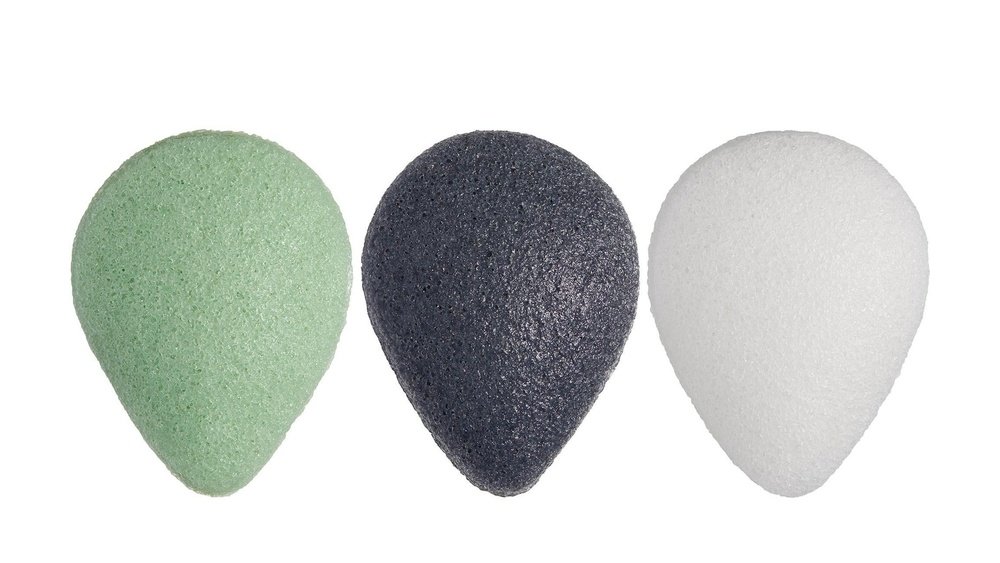
Konjac sponges are simple but carefully made. The process starts with the konjac root, which is dried and ground into a fine powder. This powder is mixed with water to form a paste, then poured into molds to create the sponge shape. Sometimes, minerals or extracts (like charcoal or green tea) are added for extra benefits.
The sponge is steamed or baked to set its shape. When finished, it’s hard and dry. Before use, you soak it in water to make it soft and bouncy.
Common Additives In Konjac Sponges
Many brands offer konjac sponges with added ingredients. These extras are meant to target specific skin needs:
- Bamboo charcoal: Helps absorb oil and fight acne.
- Green tea: Offers antioxidants for aging skin.
- Red clay: Good for dry or sensitive skin.
- Aloe vera: Soothes irritated skin.
These additives are mixed into the konjac paste before forming the sponge. They don’t change the sponge’s texture much but can give extra benefits.
Key Benefits Of Using A Konjac Sponge
Konjac sponges are famous for their gentle touch and natural properties. Here are some of the main reasons people use them:
- Gentle exfoliation: The sponge removes dead skin cells without causing irritation. This makes it great for daily use.
- Deep cleansing: Its texture helps lift dirt, oil, and makeup from your skin.
- Suitable for sensitive skin: Unlike many exfoliators, konjac sponges don’t scratch or damage the skin.
- Eco-friendly: Biodegradable, vegan, and made from renewable resources.
- Improves skin texture: Regular use can make skin feel smoother and look brighter.
Non-obvious Insights
- The konjac sponge’s pH is slightly alkaline. This means it helps balance your skin’s acidity, which can reduce irritation for some people.
- Konjac sponges don’t remove natural oils aggressively. This is why they work well for people with dry or eczema-prone skin.
How To Use A Konjac Sponge
Using a konjac sponge is easy, but there are a few steps to get the best results:
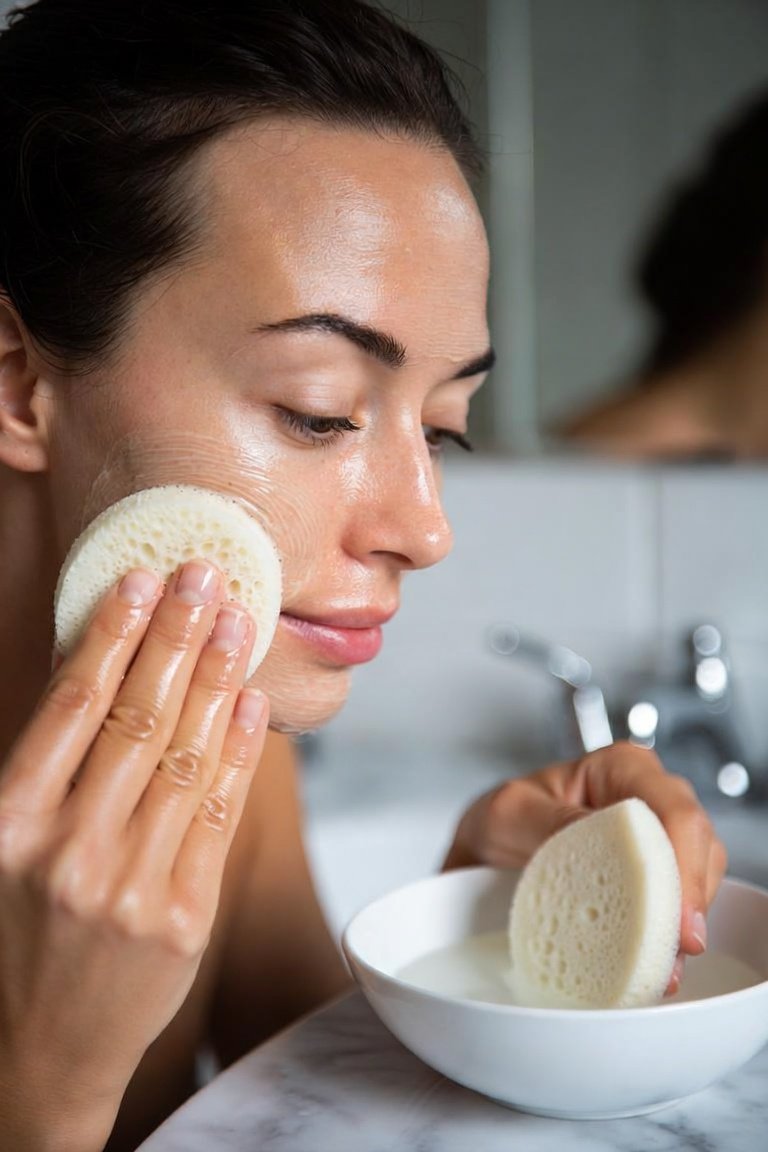
- Soak the sponge: Place the dry sponge in warm water for 1-2 minutes. It will expand and become soft.
- Squeeze out water: Press gently to remove excess water. Don’t twist or wring, as this can damage the sponge.
- Apply to skin: Use circular motions on your face or body. You can use it alone or with a gentle cleanser.
- Rinse after use: Wash the sponge thoroughly with water.
- Dry properly: Hang it in a dry, airy place. Avoid leaving it in a wet bathroom.
Most people use their konjac sponge once or twice a day. For makeup removal, use it with a mild cleanser.
Practical Tips
- Do not use harsh cleansers with the sponge. They can break down its fibers.
- Replace your sponge every 4-6 weeks. After this time, bacteria may build up, and the sponge may start to break apart.
Konjac Sponge Vs Other Cleansing Tools
Many people wonder how konjac sponges compare to other common skincare tools like washcloths, synthetic sponges, or facial brushes. Let’s look at a side-by-side comparison:
| Tool | Material | Exfoliation Level | Eco-Friendly | Skin Type Suitability |
|---|---|---|---|---|
| Konjac Sponge | Plant-based | Gentle | Yes | All (including sensitive) |
| Washcloth | Cotton | Medium | Depends | Normal, oily |
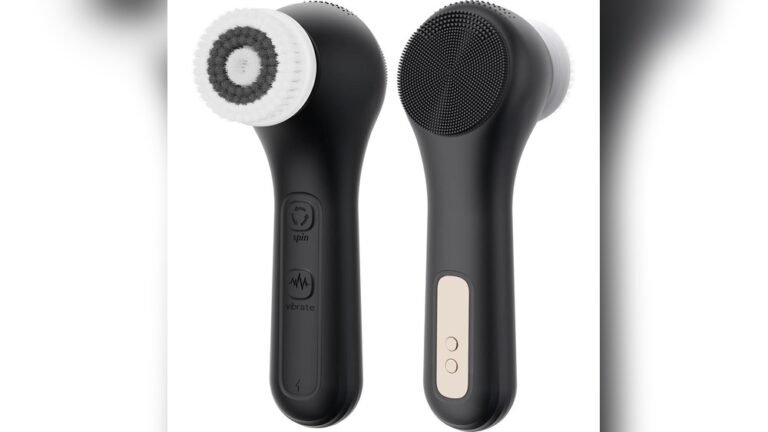
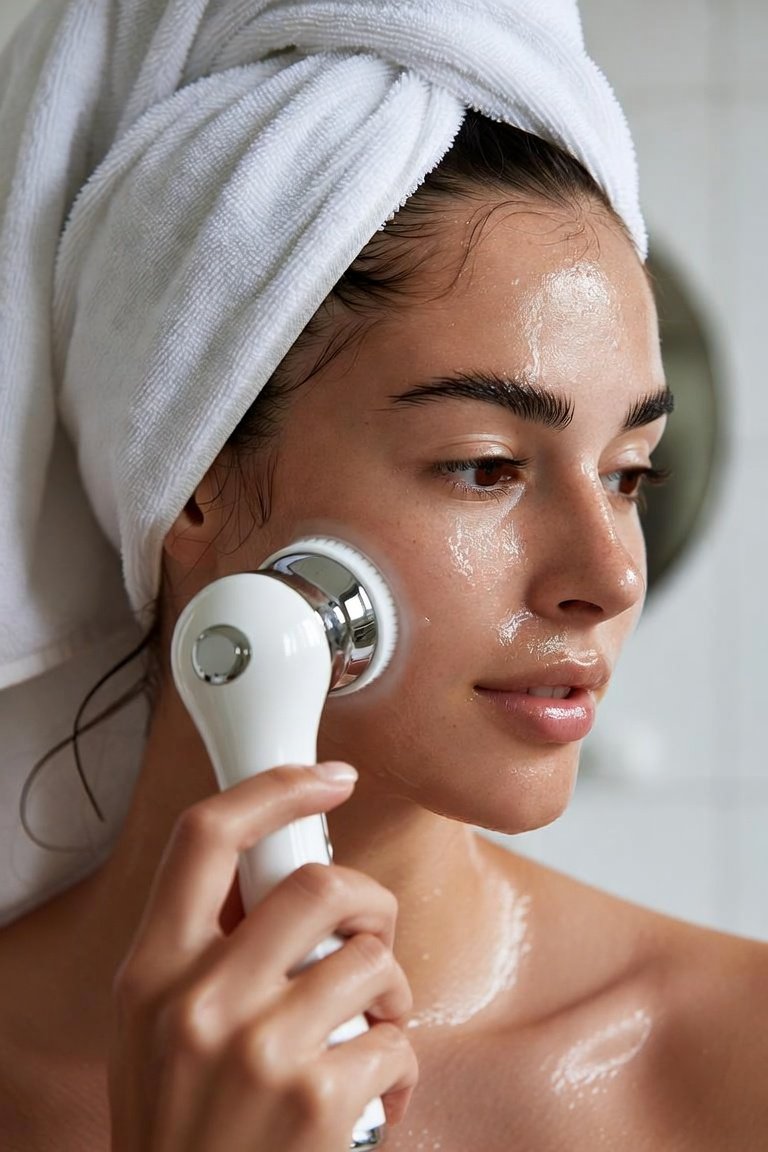
| Facial Brush | Plastic/nylon | Strong | No | Normal, oily, acne-prone |
| Synthetic Sponge | Plastic foam | Medium | No | Normal |
The konjac sponge stands out for being gentle and safe for almost every skin type. Facial brushes give deeper exfoliation but can irritate sensitive skin. Washcloths are good for regular use but not as soft as konjac sponges.
Non-obvious Insight
Konjac sponges don’t need any soap or cleanser to clean well. Their natural fibers are enough for most daily cleansing, which is ideal for people avoiding chemicals or for children’s skin.
Types Of Konjac Sponges
There are many konjac sponges on the market, each with its own shape, size, and added ingredients. Choosing the right one depends on your skin type and needs.
Popular Shapes
- Round: Most common, fits easily in the hand.
- Oval: Covers larger areas, good for body.
- Heart: Often marketed as a “cute” option, same function as round.
- Rectangle: Used for body cleansing.
Additive Varieties
| Type | Added Ingredient | Main Benefit | Skin Type |
|---|---|---|---|
| Charcoal | Bamboo charcoal | Absorbs oil, fights acne | Oily, acne-prone |
| Green Tea | Green tea extract | Antioxidant, anti-aging | Mature, normal |
| Red Clay | Red clay | Soothes, hydrates | Dry, sensitive |
| Aloe Vera | Aloe vera extract | Calms irritation | Sensitive, inflamed |
| Pure | None | Basic cleansing | All |
Konjac Sponge For Different Skin Types
Not all skin is the same. Here’s how konjac sponges can help with various skin types:
Sensitive Skin
The natural softness of konjac sponges is perfect for sensitive skin. They don’t scratch or irritate, and the pH balance helps calm redness. Choose a pure or aloe vera sponge for best results.
Oily And Acne-prone Skin
If you have oily or acne-prone skin, the charcoal konjac sponge is a good choice. The charcoal absorbs excess oil and can help reduce breakouts. Use it once a day and avoid scrubbing too hard.
Dry Skin
For dry skin, red clay or pure konjac sponges are best. They exfoliate gently and don’t strip natural oils. Pair with a hydrating cleanser for extra moisture.
Mature Or Aging Skin
Green tea konjac sponges provide antioxidants that help fight signs of aging. They clean and exfoliate without damaging delicate skin.
Children’s Skin
Konjac sponges are safe for babies and children. In Japan, they’re used for washing newborns because they’re gentle and contain no chemicals.
Common Mistakes With Konjac Sponges
Many users make simple mistakes that reduce the sponge’s effectiveness or cause skin issues. Here’s what to avoid:
- Using the sponge dry: Always soak before use. Dry sponges are hard and can scratch skin.
- Wringing the sponge: Squeezing or twisting damages the fibers. Press gently instead.
- Not cleaning after use: Rinse thoroughly to remove dirt and bacteria.
- Leaving in damp places: Wet sponges can grow mold. Hang in a dry spot.
- Using harsh cleansers: Stick to mild products or just water.
- Keeping too long: Change your sponge every 4-6 weeks, even if it looks fine.
Example
A beginner might use the sponge with a strong acne treatment. This can irritate skin and cause redness. It’s better to use mild cleansers or just water.
How To Care For Your Konjac Sponge
Proper care is important for hygiene and durability. Here’s how to keep your konjac sponge in good shape:
- Rinse well after each use: Remove all soap and debris.
- Squeeze gently: Press out water, don’t twist.
- Hang to dry: Use the string or place on a clean dish in a dry, airy area.
- Sanitize weekly: Soak in boiling water for 2-3 minutes. Let cool and dry completely.
- Replace regularly: Every 4-6 weeks, even if it seems okay.
If your sponge smells bad or starts to break apart, throw it away and get a new one.
Non-obvious Tip
If you travel often, keep your sponge in a breathable bag. Don’t store in a sealed plastic container — it will stay damp and grow bacteria.
Environmental Impact And Sustainability
Konjac sponges are an eco-friendly choice for skincare. They break down naturally and don’t add plastic waste to the environment. Here are some key points:
- Biodegradable: Made from plant fibers, they decompose in soil within months.
- Renewable resource: Konjac is a fast-growing plant with little environmental footprint.
- Minimal packaging: Many brands use recycled or minimal packaging.
- Vegan and cruelty-free: No animal products or testing.
Compared to synthetic sponges or facial brushes, konjac sponges are much better for the planet.
Statistics
- Each year, Americans throw away over 1 billion synthetic sponges. Most are not biodegradable and can take centuries to break down.
- Konjac sponges can cut personal plastic waste by several pounds per year if used instead of synthetic options.
Konjac Sponge In Professional Skincare
Many dermatologists and estheticians recommend konjac sponges for clients with sensitive skin. Spa treatments sometimes use konjac sponges for facial massage and cleansing. Their gentle touch helps avoid irritation during treatments.
Some professional brands offer larger sponges for body treatments, or sponges infused with minerals for added benefits.
Real-world Example
A skin clinic in Tokyo uses konjac sponges for patients with eczema, showing improvement in redness and irritation after regular use. The clinic prefers konjac over synthetic brushes for post-treatment care.
Konjac Sponge For Makeup Removal
Konjac sponges are not just for cleansing — they’re excellent for makeup removal. The sponge’s texture lifts foundation, mascara, and lipstick gently. Here’s how to use it for makeup:
- Soak the sponge in warm water.
- Apply a mild makeup remover or cleansing oil.
- Use circular motions to clean face and eyes.
- Rinse and repeat as needed.
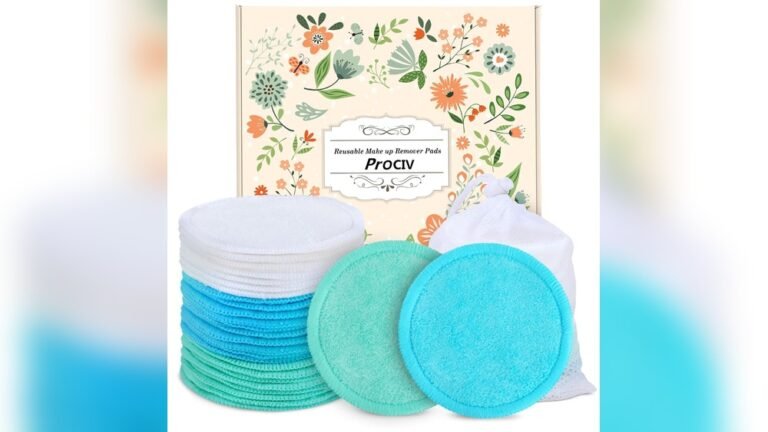
Many people find konjac sponges remove makeup better than cotton pads, with less waste and irritation.
Data Point
A survey of 300 women found that 60% preferred konjac sponges for makeup removal over cotton pads. They reported less redness and smoother skin after two weeks.
Konjac Sponge For Body Care
The konjac sponge is not limited to facial use. Larger sponges are made for body cleansing, especially for people with sensitive or eczema-prone skin. They exfoliate gently and can be used with shower gel or soap.
Practical Example
After surgery, patients may need gentle cleansing. Nurses sometimes use konjac sponges to wash delicate skin, avoiding harsh scrubbing.
How To Choose The Right Konjac Sponge
With so many types available, choosing the right konjac sponge can be confusing. Here are some factors to consider:
- Skin type: Oily skin? Choose charcoal. Sensitive skin? Pick aloe or pure.
- Size and shape: Face sponges are small and round. Body sponges are larger and oval or rectangle.
- Additives: If you want extra benefits (like anti-aging), select green tea or clay varieties.
- Brand reputation: Look for brands with good reviews and minimal packaging.
Comparison Table
| Skin Type | Recommended Sponge | Added Ingredient | Main Benefit |
|---|---|---|---|
| Oily/Acne-Prone | Charcoal Konjac | Bamboo charcoal | Absorbs oil |
| Dry/Sensitive | Red Clay/Aloe Vera | Red clay, aloe | Hydration, soothing |
| Mature | Green Tea | Green tea extract | Antioxidant |
| Normal | Pure Konjac | None | Basic cleansing |
Are Konjac Sponges Safe?
Konjac sponges are considered very safe for most people. They contain no harsh chemicals and are hypoallergenic. However, here are some safety points:
- Allergies: Rare, but some people may react to additives like clay or tea.
- Mold risk: If not dried properly, sponges can grow mold. Always dry thoroughly.
- Over-exfoliation: Using too often or too hard can irritate skin.
If you notice redness, itching, or breakouts, stop using and switch to a pure sponge or consult a dermatologist.
Scientific Studies And Evidence
Several studies have looked at konjac sponges for skin health. Here are some findings:
- A 2014 study in Japan showed konjac sponges reduce skin irritation compared to synthetic brushes.
- Dermatologists at Seoul National University found konjac sponges help remove dead skin cells without damaging the skin barrier.
- European skincare clinics report improved hydration and reduced redness after regular use of konjac sponges.
While more research is needed, evidence supports their use for gentle cleansing and exfoliation.
For more scientific information, you can check the Wikipedia page on Konjac.
Konjac Sponge And Acne Treatment
Many people use konjac sponges as part of their acne treatment routine. The charcoal variety is especially popular for this purpose. Here’s how it can help:
- Removes excess oil and dirt that cause acne.
- Exfoliates dead skin cells, reducing clogged pores.
- Doesn’t irritate or inflame skin like rough brushes.
However, konjac sponges are not a cure for acne. They help keep skin clean but should be used with other treatments recommended by a dermatologist.
Non-obvious Insight
Don’t use konjac sponges with strong acne creams or gels. These products can dry out the sponge and reduce its effectiveness.
Konjac Sponge And Anti-aging
Green tea and red clay konjac sponges are often marketed for anti-aging. Here’s what they do:
- Green tea provides antioxidants that fight free radicals.
- Red clay boosts hydration and soothes wrinkles.
- Gentle exfoliation helps skin look fresh and bright.
While results are mild, regular use can improve skin’s appearance over time.
Popular Brands And Products
Many brands sell konjac sponges. Some well-known names include:
- The Konjac Sponge Company: Offers pure and additive varieties.
- Boscia: Features Japanese konjac sponges with charcoal.
- EcoTools: Eco-friendly sponges for face and body.
- Bioré: Charcoal-infused konjac sponges for acne-prone skin.
Prices range from $6 to $18 per sponge. Most brands offer packs for better value.
Konjac Sponge: Myths Vs Facts
There are several myths about konjac sponges. Let’s clear them up:
- Myth: Konjac sponges cure acne.
Fact: They help clean skin but don’t cure acne by themselves.
- Myth: They last forever.
Fact: Replace every 4-6 weeks for hygiene.
- Myth: All konjac sponges are the same.
Fact: Additives and quality vary between brands.
Konjac Sponge In The Beauty Routine
Konjac sponges can fit into any beauty routine. Here’s how:
- Use in the morning for fresh skin.
- Cleanse before bed to remove dirt and makeup.
- Pair with gentle cleansers, not harsh scrubs.
- Use body sponges for gentle exfoliation in the shower.
Many people find konjac sponges make their skin feel cleaner and softer.
Frequently Asked Questions
What Is A Konjac Sponge Made Of?
A konjac sponge is made from the konjac plant root. The root is dried, ground into powder, mixed with water, and shaped into a sponge. Sometimes, minerals or extracts like charcoal or green tea are added for extra benefits.
How Long Does A Konjac Sponge Last?
A konjac sponge usually lasts 4-6 weeks with daily use. You should replace it when it starts to break apart, smell bad, or feel less bouncy. Regular replacement keeps your skin safe from bacteria.
Can I Use A Konjac Sponge Every Day?
Yes, you can use a konjac sponge every day. It’s gentle enough for daily cleansing, even for sensitive skin. If you have very dry or irritated skin, try using it every other day until you see how your skin reacts.
Are Konjac Sponges Good For Acne?
Konjac sponges, especially those with charcoal, help remove oil and dirt that cause acne. They don’t cure acne but can be part of a good skincare routine. Avoid using with strong acne treatments to prevent irritation.
How Do I Clean And Store A Konjac Sponge?
After each use, rinse your konjac sponge well and squeeze gently to remove water. Hang it to dry in a clean, airy place. Once a week, sanitize by soaking in boiling water for a few minutes. Always replace your sponge every month or so.
The konjac sponge is a small, natural tool with big benefits. It’s gentle, eco-friendly, and fits easily into any skincare routine. Whether you have sensitive, oily, dry, or mature skin, there’s a konjac sponge for you. Its simple design hides a long history and smart science.
If you care about your skin and the planet, the konjac sponge is worth trying. With proper use, it can help you keep your skin clean, healthy, and glowing.