Buffing Brush: Achieve a Flawless Makeup Finish Every Time
A flawless makeup finish is a dream for many, but it often comes down to using the right tools. Among these, the buffing brush stands out as a game-changer. Whether you are a beginner, a makeup enthusiast, or a professional, understanding the buffing brush’s role can elevate your makeup routine. This essential tool helps create a smooth, natural, and airbrushed look, reducing visible lines and blending foundation seamlessly into the skin. But what exactly is a buffing brush? Why is it so popular, and how can you choose and use the best one for your needs? In this guide, you will discover everything you need to know about buffing brushes, from their history and types, to expert application tips and maintenance advice. By the end, you’ll feel confident in making informed choices and achieving that coveted flawless finish.
What Is A Buffing Brush?
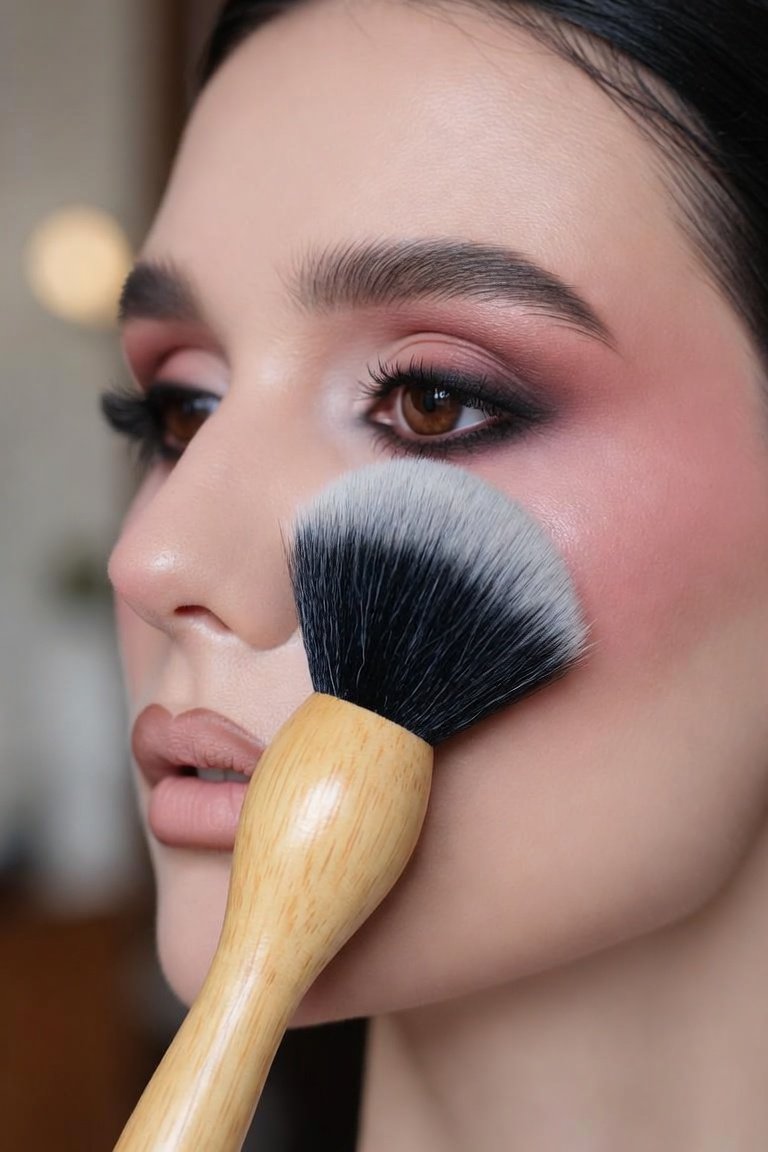
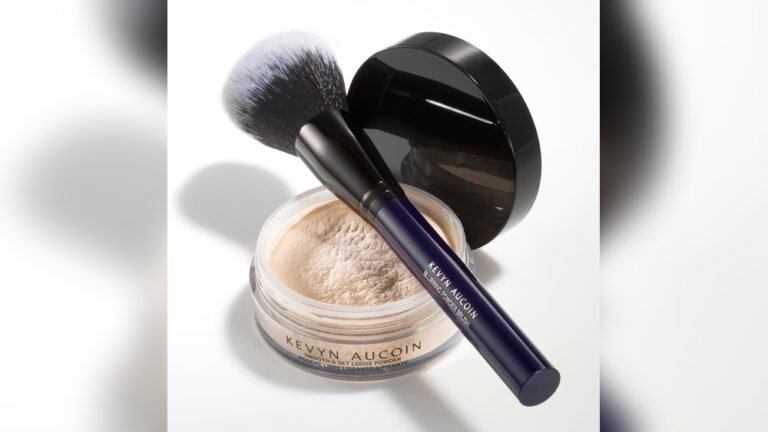
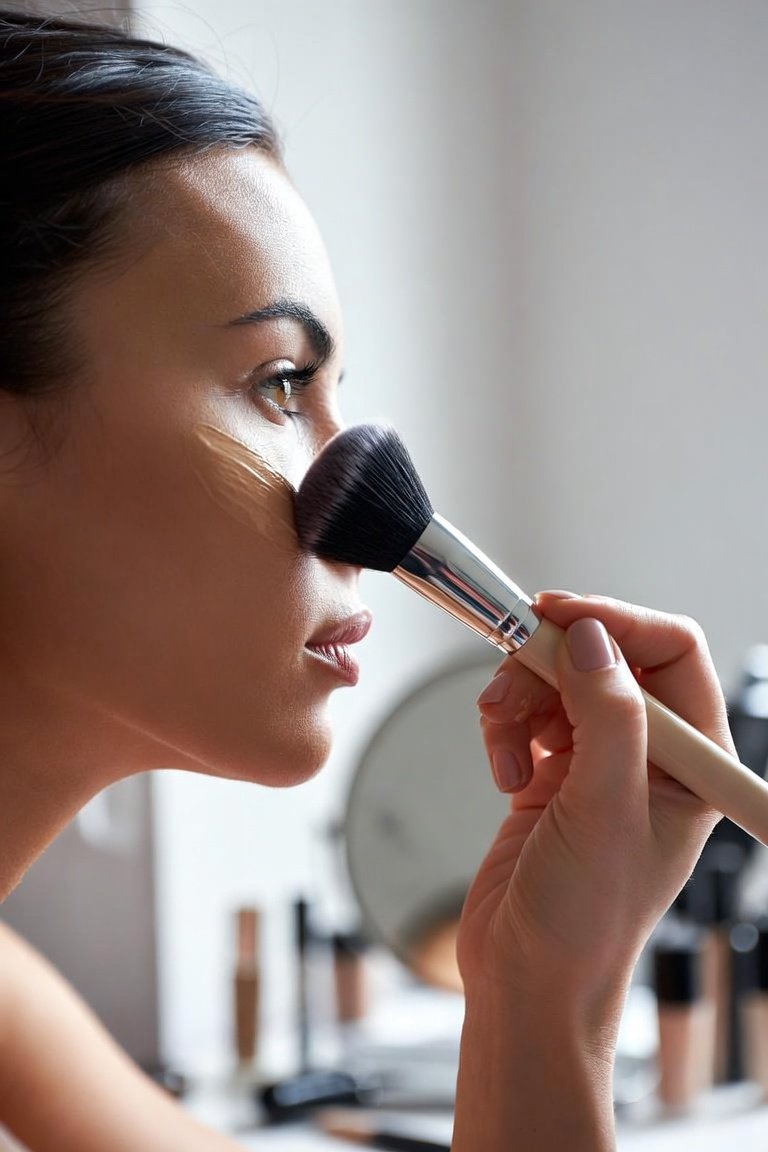
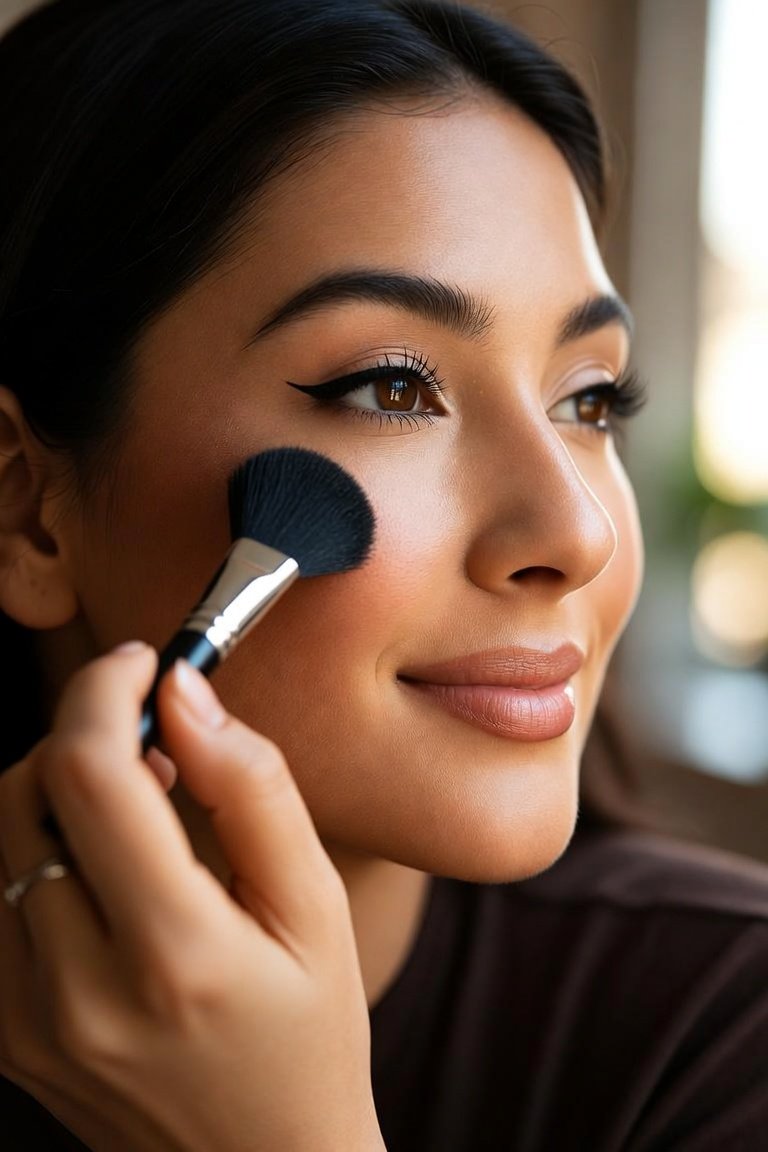
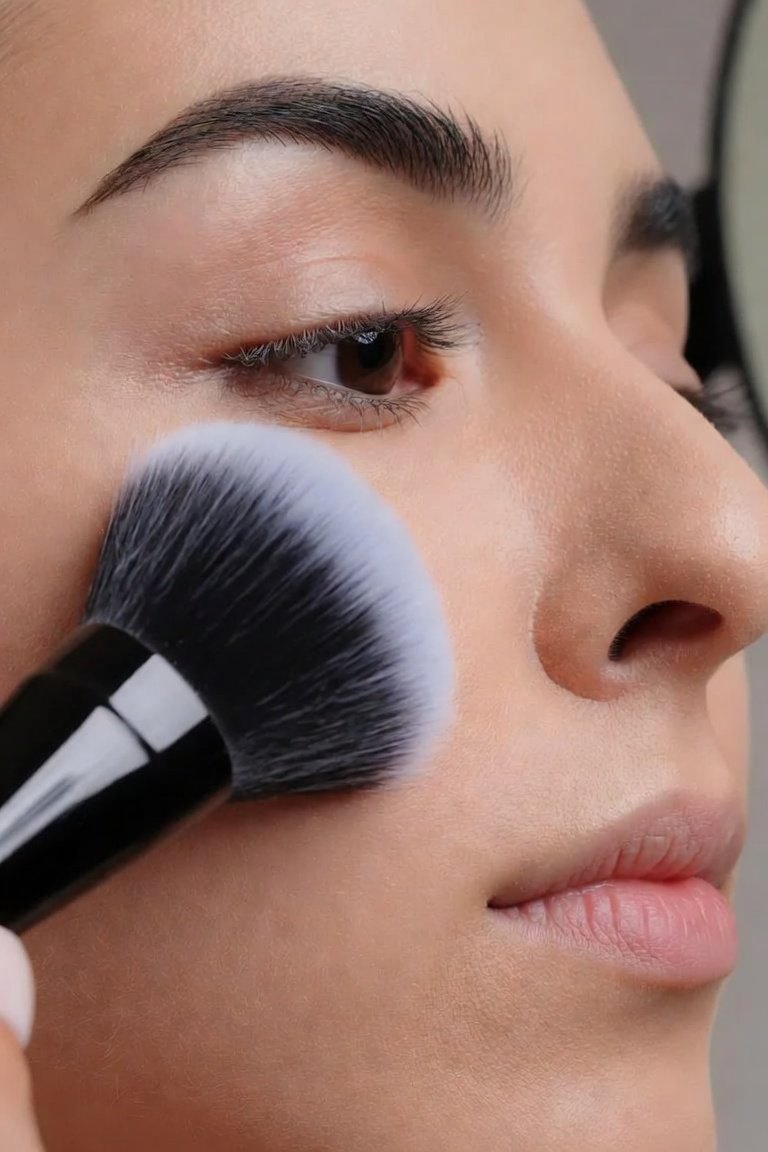
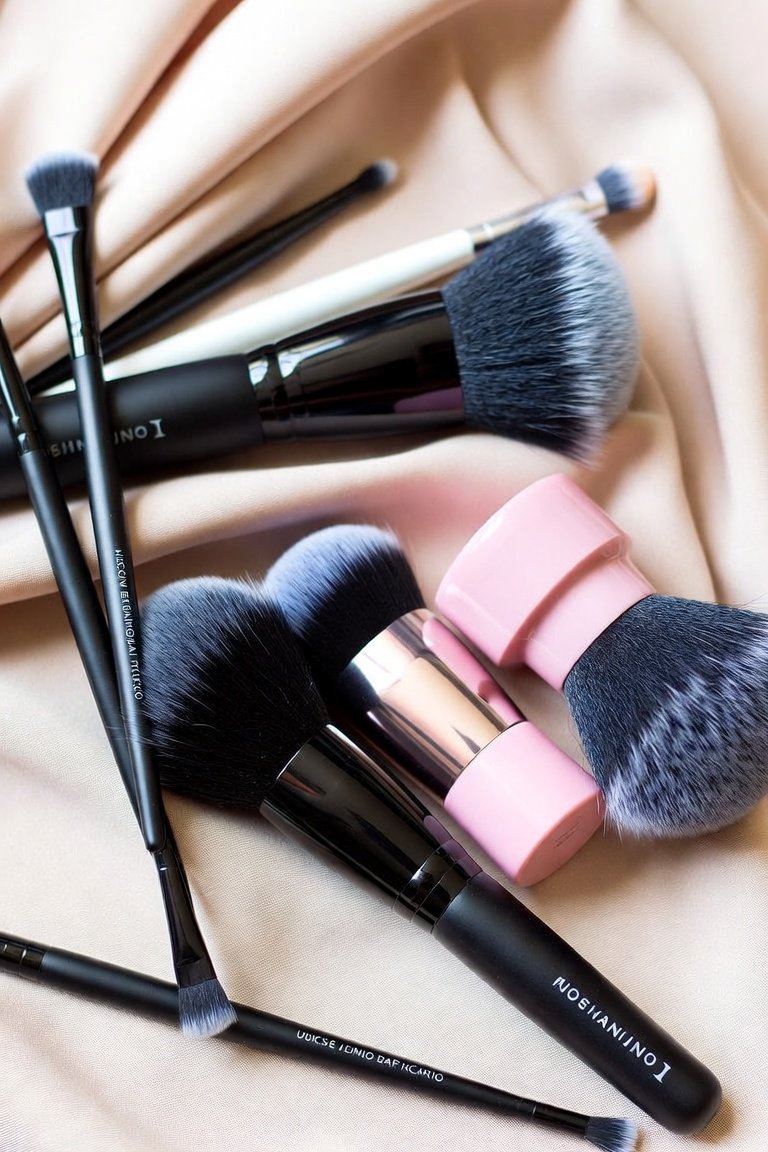
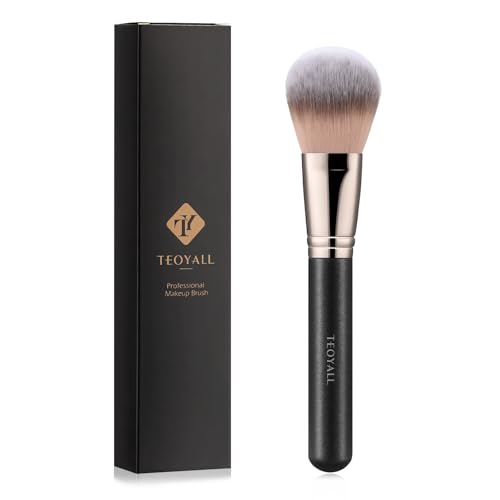
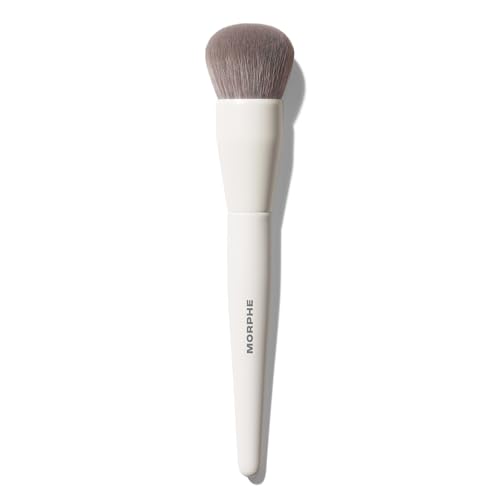
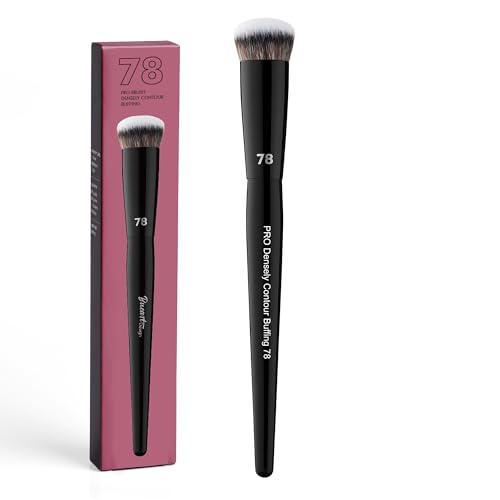
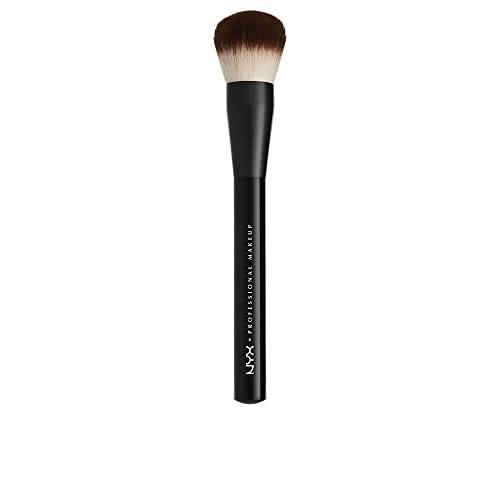
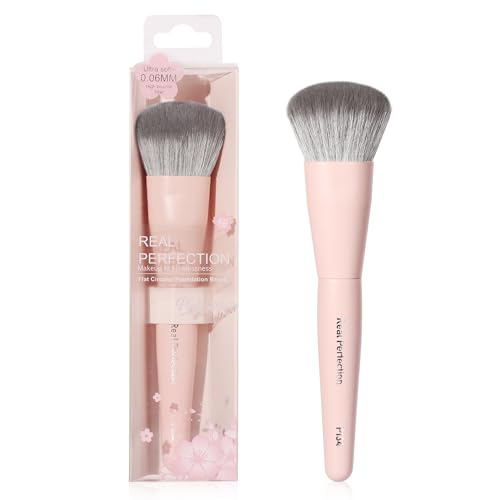
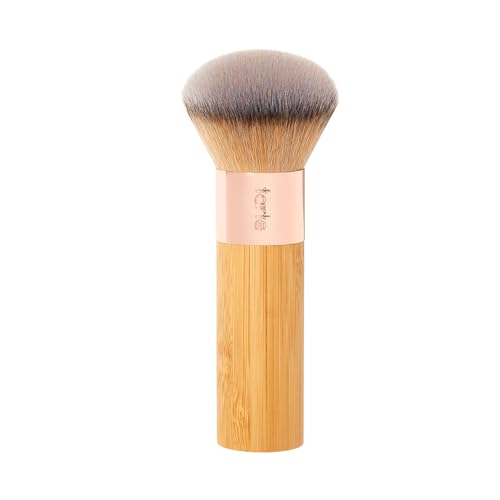
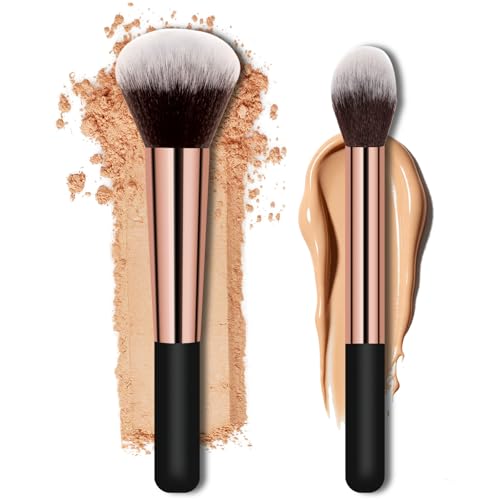
A buffing brush is a makeup tool with dense, soft bristles designed for blending and buffing products into the skin. Typically, the bristles are arranged in a rounded or slightly flat top, allowing even pressure and smooth motions across the face. Buffing brushes are primarily used for liquid, cream, or powder foundations, but they also work well for bronzers, blushes, and even finishing powders.
The main purpose of a buffing brush is to blend makeup so it sits naturally on your skin without streaks or uneven patches. This is achieved through circular or stippling motions, which distribute the product evenly. Compared to traditional flat foundation brushes, a buffing brush creates a more diffused and airbrushed effect.


The Evolution Of Buffing Brushes
The concept of using brushes for makeup isn’t new. Ancient Egyptians used handmade brushes to apply pigments. However, the modern buffing brush emerged in the late 20th and early 21st centuries, driven by the beauty industry’s focus on flawless skin and high-definition makeup.
With the rise of HD cameras and social media, people demanded makeup tools that could create a seamless finish. Brands responded by developing denser, softer, and more specialized brushes. Synthetic fibers became popular due to their durability and cruelty-free appeal, while brush shapes diversified for various uses.
Today, buffing brushes are a staple in both personal and professional makeup kits. Their popularity is fueled by beauty influencers and artists showcasing how these brushes can transform the final look, making them a must-have tool for anyone seeking a polished appearance.
Key Features Of A Buffing Brush
Understanding the main features of a buffing brush will help you select the best one for your needs.
- Bristle Density: Buffing brushes have tightly packed bristles. This density is crucial for blending and diffusing makeup smoothly.
- Bristle Material: Most modern buffing brushes use synthetic fibers. These are soft, easy to clean, and work well with both cream and liquid products. Some high-end brushes use natural hair, but these are less common due to ethical concerns.
- Brush Shape: The most common shapes are rounded and flat-top. Rounded brushes are great for small circular motions, while flat-tops provide a slightly fuller coverage.
- Handle Length and Grip: A comfortable handle gives better control. Some prefer short handles for closer work, while others like long handles for broader strokes.
- Size: Buffing brushes come in various sizes. Larger brushes cover more area quickly, while smaller ones offer precision around the nose or eyes.
Here is a simple comparison of key features you might find in buffing brushes:
| Feature | Benefit | Drawback |
|---|---|---|
| Dense Bristles | Even, streak-free blending | May absorb more product |
| Synthetic Fibers | Cruelty-free, easy to clean | May not feel as soft as natural hair |
| Flat Top | Full coverage, easy buffing | Harder to reach small areas |
| Round Top | Great for blending corners | May take longer for large areas |
Types Of Buffing Brushes
Buffing brushes come in various forms to suit different products and preferences. Understanding these types can help you pick the perfect one for your routine.
Flat-top Buffing Brush
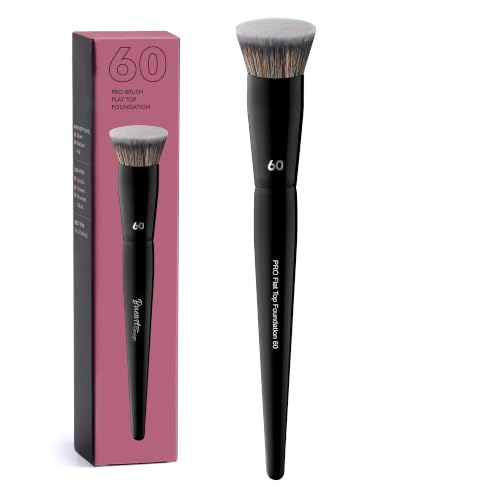
This type features a flat, wide surface with densely packed bristles. It is excellent for applying and blending liquid or cream foundation, providing a full-coverage look. The flat top allows you to use both circular and stippling motions, making it versatile for different finishes.
Round-top Buffing Brush
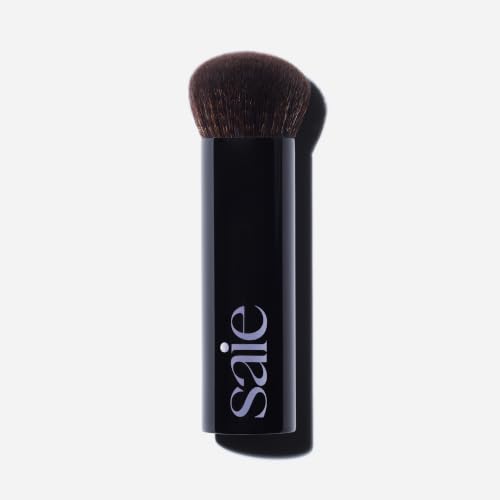
A round-top buffing brush has bristles arranged in a dome or rounded shape. It works well for blending foundation, blush, or bronzer in circular motions. This shape is ideal for creating a soft, diffused look, especially on areas like the cheeks and jawline.
Angled Buffing Brush
With bristles cut at an angle, this brush is designed for contouring and blending products along the natural curves of your face. The slanted edge fits perfectly under cheekbones and along the jaw, making it easier to define and blend at the same time.
Mini Buffing Brush
Smaller versions are perfect for precise application around the nose, under the eyes, or for spot concealing. They are also handy for travel or for those who prefer detailed work.
Duo-fiber Buffing Brush
This brush combines two types of bristles—typically synthetic and natural, or two different lengths. The result is a lighter, airier finish, as the longer bristles pick up product while the shorter bristles buff it into the skin. Duo-fiber brushes are especially good for applying powder products or for a more sheer foundation application.
Why Use A Buffing Brush?
Many people wonder if a buffing brush is really necessary. After all, fingers and sponges can also apply makeup. However, there are several unique advantages to using a buffing brush:
- Seamless Blending: The dense bristles blend foundation smoothly, avoiding streaks or patchiness.
- Natural Finish: A buffing brush helps makeup “melt” into the skin, creating a skin-like, airbrushed appearance.
- Buildable Coverage: You can easily layer foundation for more coverage without looking cakey.
- Versatility: Buffing brushes work with liquids, creams, and powders, making them multi-purpose.
- Hygiene: Brushes can be cleaned thoroughly, reducing the risk of transferring bacteria compared to using fingers.
A less obvious benefit is time-saving. With practice, you can apply foundation much faster with a buffing brush than with a sponge or fingers. Also, a buffing brush wastes less product than a sponge, which tends to absorb more foundation.
How To Use A Buffing Brush
Using a buffing brush may look easy, but there are techniques that can make a big difference in your results. Here’s a step-by-step approach to get the most out of your brush.
1. Prep Your Skin
Clean and moisturize your face before applying makeup. This helps makeup glide on smoothly and prevents dry patches.
2. Apply Foundation
Dot your liquid or cream foundation onto your face using clean fingers or a spatula. Focus on the center of the face, as this area typically needs the most coverage.
3. Start Buffing
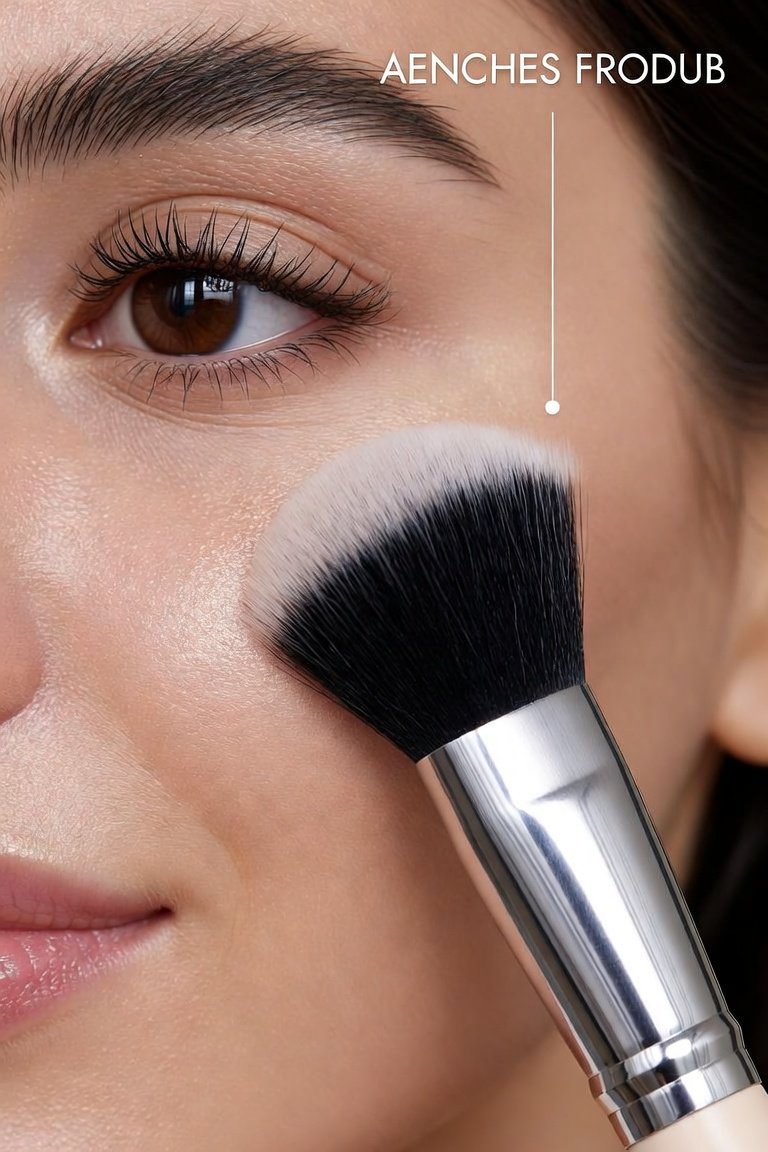
Use your buffing brush to blend the foundation in small, circular motions. Start from the center of your face and work outward. Apply gentle, even pressure to avoid streaks.
4. Layer For More Coverage
If you want more coverage, apply a little extra foundation and repeat the buffing motion. Buffing brushes allow you to build up coverage without cakiness.
5. Blend Edges
Don’t forget to blend around the jawline, hairline, and ears for a seamless transition between your face and neck.
6. Use For Other Products
Buffing brushes aren’t just for foundation. Try using them to blend cream blush, bronzer, or finishing powder for a polished look.
Pro Tip: Clean Your Brush Regularly. Product Buildup Can Cause Streaks And Even Breakouts. Weekly Cleaning Is Ideal For Brushes Used With Liquid Products.
Buffing Brush Vs. Other Makeup Tools
Many makeup lovers wonder how a buffing brush compares to other popular tools like sponges or flat foundation brushes. Here’s a side-by-side look:
| Tool | Finish | Coverage | Best For | Drawback |
|---|---|---|---|---|
| Buffing Brush | Airbrushed, natural | Buildable (sheer to full) | Liquid, cream, powder | Needs regular cleaning |
| Makeup Sponge | Dewy, soft | Medium to full | Liquid, cream | Absorbs more product |
| Flat Foundation Brush | Smooth, polished | Full | Liquid foundation | Can leave streaks |
| Fingers | Natural | Sheer | Quick fixes | Not hygienic, uneven |
One insight beginners often miss: A buffing brush can be more hygienic than a sponge if cleaned properly. Sponges, especially if used damp, can harbor bacteria easily. Also, flat foundation brushes, while popular for coverage, can create visible streaks if not used with care, while buffing brushes blend product more seamlessly.
How To Choose The Best Buffing Brush
With so many options, it’s easy to feel overwhelmed. Here are the key factors to consider when picking a buffing brush:
- Bristle Type: Synthetic bristles are best for liquid and cream products, as they don’t absorb as much product and are easier to clean. Natural bristles are better for powder but are less common in buffing brushes.
- Bristle Density: Choose a brush with dense but flexible bristles for smooth blending. Too stiff, and you might get streaks; too soft, and blending will take longer.
- Shape and Size: Flat-top brushes give more coverage, while round or dome shapes are better for blending around curves. Pick the size based on your face shape and how much detail you want.
- Handle Comfort: If you have small hands, a short handle may be easier to maneuver. For a broader grip, pick a longer handle.
- Price and Brand Reputation: Expensive doesn’t always mean better. Check reviews and look for brands known for quality tools.
- Versatility: Some brushes are labeled “multi-tasking” and can be used for foundation, blush, bronzer, and powder. If you want to minimize your brush collection, choose one of these.
Common Buyer Mistakes
- Choosing by appearance only: A beautiful brush isn’t always effective. Focus on bristle quality and density.
- Ignoring reviews: Always check user feedback. Some brushes shed bristles or lose shape after washing.
- Confusing size with effectiveness: A large buffing brush covers more area but isn’t ideal for details. Match brush size to your needs.
Caring For Your Buffing Brush
A well-maintained buffing brush lasts longer and performs better. Dirty brushes not only apply makeup poorly but can also harbor bacteria that cause breakouts or skin irritation.
How Often To Clean
- Daily: Light wipe with a brush cleaner or micellar water for brushes used with liquid products.
- Weekly: Deep clean with gentle soap or brush shampoo.
Cleaning Steps
- Wet bristles with lukewarm water, avoiding the handle.
- Add a small amount of gentle soap or brush cleanser.
- Swirl the brush on your palm or a cleaning mat to lather and remove makeup.
- Rinse until water runs clear.
- Squeeze out excess water gently.
- Reshape bristles and lay flat to dry overnight.
Storage Tips
- Store brushes upright in a holder to keep bristles in shape.
- Keep away from direct sunlight and humidity.
- Use brush covers for travel to protect the bristles.
Pro tip: Never dry your buffing brush standing upright with wet bristles, as water can seep into the handle and loosen the glue over time.
Best Practices For Buffing Brush Application
Even the best brush can give poor results if used incorrectly. Here are expert tips for getting a flawless finish:
- Don’t overload the brush: Apply foundation in small dots on your face first, rather than pouring product directly onto the brush. This prevents wasting product and avoids cakey buildup.
- Use light, circular motions: This blends makeup evenly and prevents streaks.
- Start with less product: Build coverage slowly. It’s easier to add more than to remove excess.
- Clean your brush often: Dirty brushes can cause streaky makeup and skin issues.
- Blend into the hairline, jawline, and ears: This ensures your makeup looks natural in all lighting.
One detail many overlook: The way you hold the brush affects your application. Gripping closer to the bristles gives you more control and pressure for fuller coverage, while holding the end of the handle gives a lighter, more diffused finish.
Buffing Brush Myths And Facts
There are many misconceptions about buffing brushes. Let’s clear up a few common ones:
- Myth: Buffing brushes cause breakouts. Fact: Dirty brushes can cause breakouts, but a clean brush is safe for skin.
- Myth: Only professionals need buffing brushes. Fact: Anyone can benefit from using a buffing brush, regardless of skill level.
- Myth: Buffing brushes waste product. Fact: Compared to sponges, buffing brushes actually absorb less foundation if used correctly.
Buffing Brushes For Different Skin Types
Your skin type can affect how a buffing brush performs and which products work best with it.
Oily Skin
A buffing brush works well with matte or oil-free foundations. Avoid using too much product, as this can lead to cakiness. Use a clean brush to prevent transferring oil back to the skin.
Dry Skin
A buffing brush can help blend hydrating foundations for a dewy look. Prep skin with moisturizer first, and use light pressure to avoid aggravating dry patches.
Sensitive Skin
Choose ultra-soft synthetic bristles and avoid harsh scrubbing. Always clean brushes thoroughly to prevent irritation.
Combination Skin
Buffing brushes are ideal for blending different products on various areas—matte for T-zone, hydrating for cheeks, etc. The even blending helps smooth transitions between products.
Popular Buffing Brush Brands
Some brands are especially known for their high-quality buffing brushes. Here are a few trusted names:
- Real Techniques: Known for affordable, high-performing synthetic brushes.
- Sigma Beauty: Popular among professionals for sturdy, long-lasting brushes.
- Morphe: Offers a wide range of shapes and sizes at various price points.
- IT Cosmetics: Their brushes are known for ultra-soft bristles and ergonomic handles.
- E.l.f. Cosmetics: Great for budget-friendly options without sacrificing quality.
Insider tip: Sometimes, drugstore brushes perform just as well as high-end ones. Don’t judge only by price—test bristle density and handle comfort.
Buffing Brushes In Professional Makeup
Professional makeup artists often rely on buffing brushes for editorial shoots, weddings, and TV work. The dense bristles and even coverage help makeup last under hot lights and cameras. Many pros own multiple buffing brushes to switch between products quickly and maintain hygiene.
One advanced trick: Some artists use two buffing brushes at once—one for applying foundation, and another clean one for final blending. This creates an ultra-flawless, “second skin” effect, especially under HD cameras.
Environmental Impact And Sustainability
With growing awareness of environmental issues, many brands now focus on making eco-friendly buffing brushes. Look for the following features if sustainability is important to you:
- Recycled or recyclable handles: Bamboo and recycled plastic are becoming more common.
- Synthetic bristles: Cruelty-free and vegan options avoid animal hair.
- Minimal packaging: Less waste, more environmentally friendly.
Before buying, check if the brand has certifications like cruelty-free or vegan. This ensures ethical sourcing and manufacturing.
Buffing Brush Faqs
Frequently Asked Questions
What Is The Difference Between A Buffing Brush And A Stippling Brush?
A buffing brush has dense, packed bristles for smooth, circular blending. A stippling brush uses two layers of bristles (long and short) to “dot” foundation onto the skin. Buffing brushes give a more full-coverage, airbrushed look, while stippling brushes create a lighter, more natural finish. Both can blend foundation, but the buffing brush is generally better for fast, seamless blending.
How Often Should I Replace My Buffing Brush?
A high-quality buffing brush can last several years with proper care. Replace your brush if the bristles become loose, shed excessively, or if the shape changes so much that it no longer blends well. On average, many makeup users replace brushes every 1-2 years.
Can I Use A Buffing Brush For Powder Products?
Yes, a buffing brush works well with powder foundation, blush, and bronzer. For powder, use a light hand and tap off excess product before applying. The dense bristles distribute powder evenly and prevent cakiness, but be sure to clean the brush to avoid mixing leftover cream or liquid products.
What Is The Best Way To Dry My Buffing Brush After Washing?
After washing, gently squeeze out excess water, reshape the bristles, and lay the brush flat on a clean towel. Let the bristles hang over the edge of a counter so air circulates all around. Never dry upright, as water can run down into the handle and damage the glue.
Are Expensive Buffing Brushes Really Better Than Budget Ones?
Not always. While some high-end brushes use better materials and may last longer, many affordable brands offer excellent performance. Focus on bristle quality, density, and comfort. Always check user reviews and don’t assume the most expensive brush is automatically the best for your needs. For more details, check Wikipedia’s make-up brush article for background.
—
A buffing brush is more than just a tool—it’s a key to unlocking flawless, natural-looking makeup. By understanding the features, types, and correct techniques, you can take your routine to the next level. Remember to choose the right brush for your skin and products, maintain it with regular cleaning, and use expert tips for best results.
The right buffing brush can make even an everyday makeup routine feel professional, giving you the confidence of a smooth, radiant finish every time.