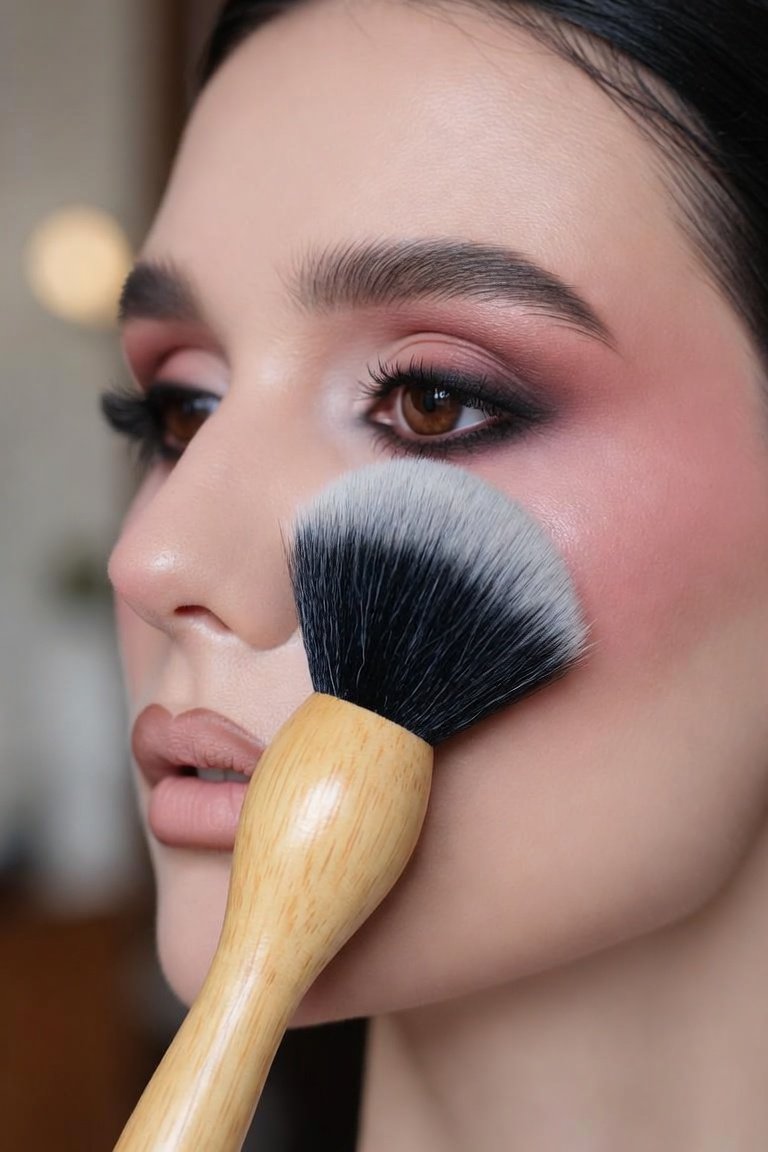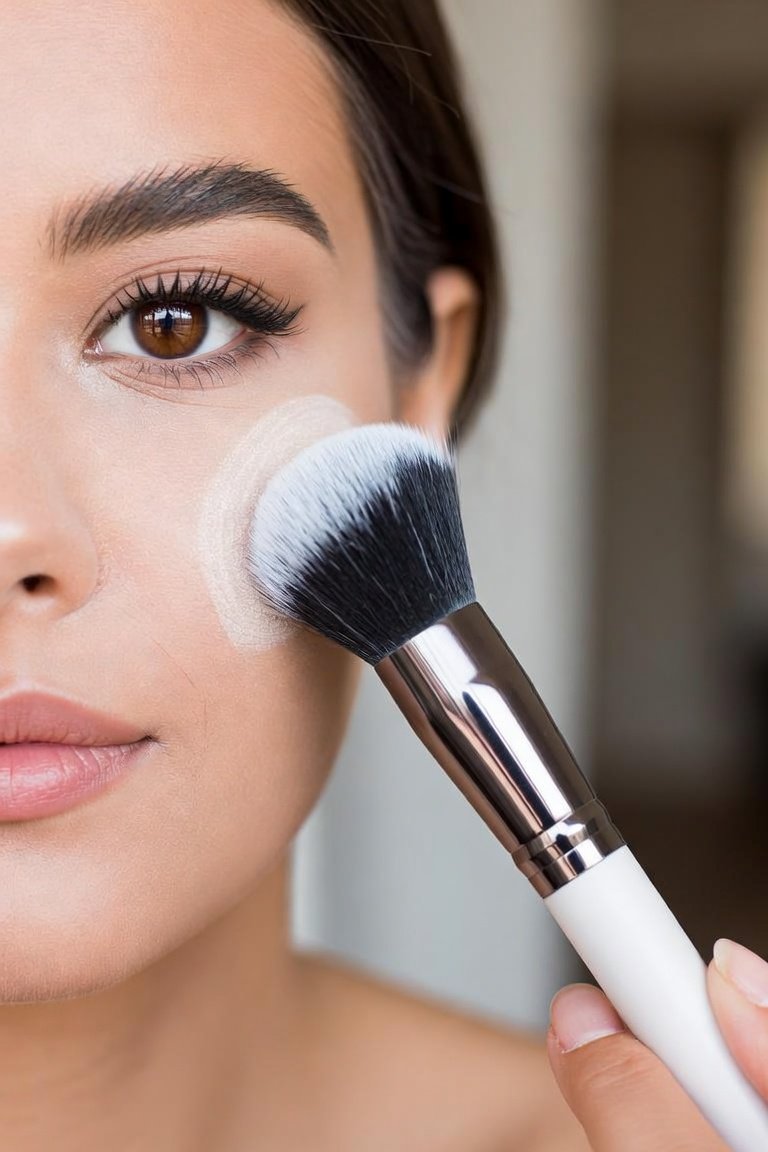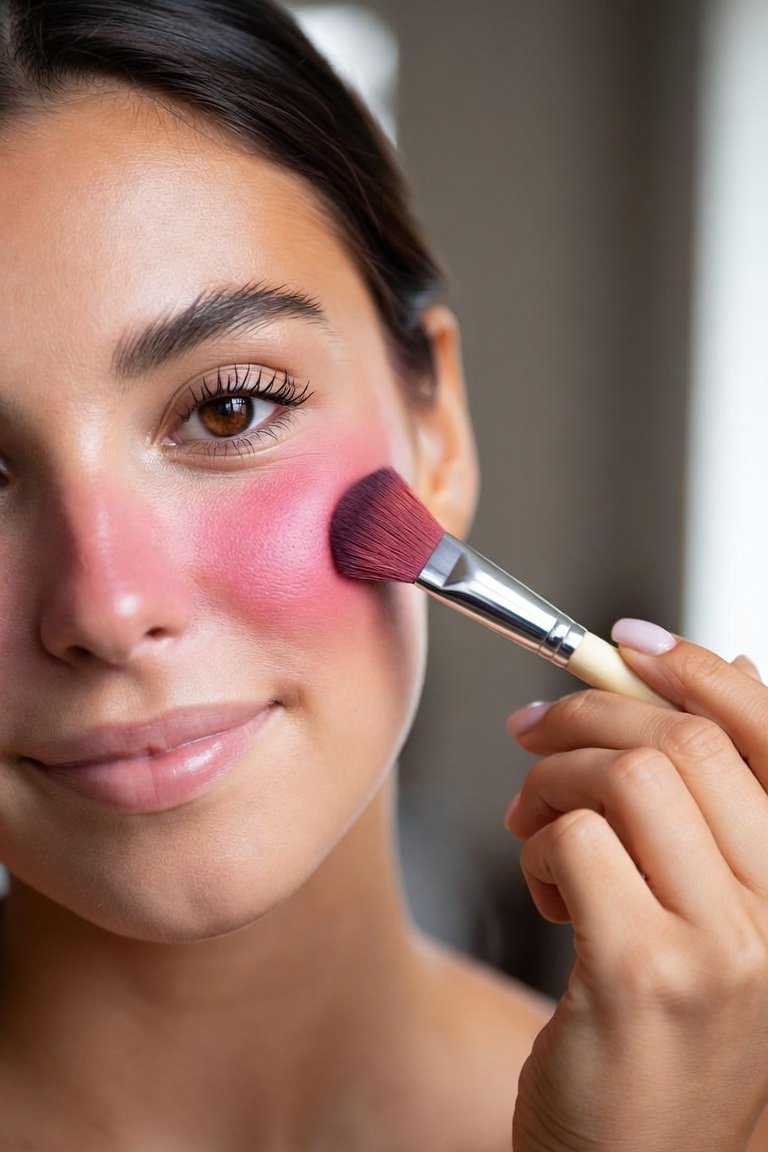
Blush Brush: How to Choose and Use for Flawless Cheeks
When you think about makeup, you may imagine bold colors, smooth foundation, and perfect eyeliner. But one tool can make or break your whole look: the blush brush. For many, this simple brush seems straightforward. Yet, understanding its role and choosing the right one can transform your face from flat to fresh. Whether you are a beginner or a makeup lover, knowing more about blush brushes helps you achieve that healthy, glowing look with confidence.
A blush brush does more than just add color to your cheeks. It shapes your face, blends color, and gives a natural finish. But with so many options in stores and online, picking the right one can be confusing. Should you go for angled or round?
Natural or synthetic bristles? And once you have it, how do you use it for the best results? In this article, you’ll learn everything about blush brushes—how they work, how to choose them, tips for use, and even how to care for them.
By the end, you’ll know how to make your blush brush your favorite beauty tool.
What Is A Blush Brush?
A blush brush is a makeup tool designed to apply blush, which is a colored powder, cream, or liquid used on the cheeks. Its main job is to deliver just the right amount of color to the face, helping you look healthy and awake. The shape and bristles make it different from other brushes, like those for foundation or eyeshadow.
A good blush brush has soft bristles, a rounded or angled head, and a handle that feels comfortable. The softness lets the brush pick up and spread blush without harsh lines. The shape—round, tapered, or angled—helps you control where the color goes.
Some people use other brushes for blush, but a real blush brush gives the best, most even result.
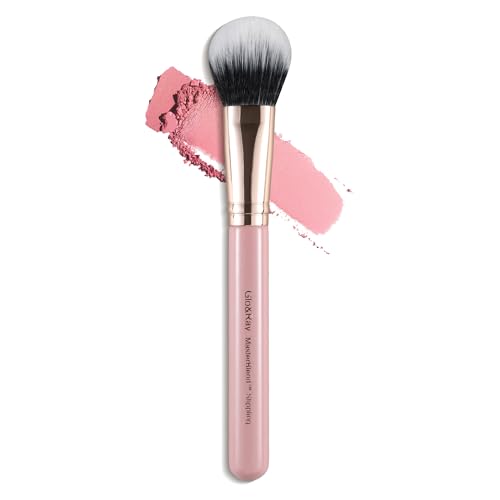

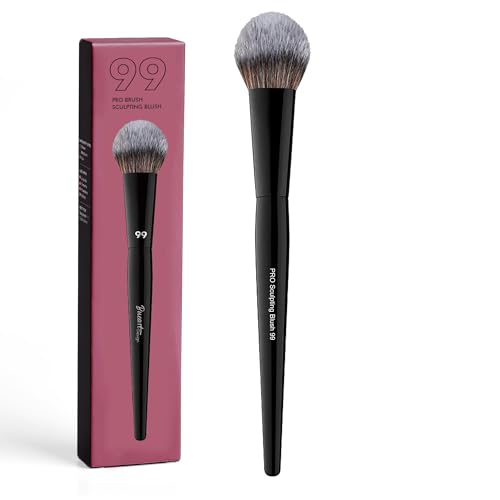
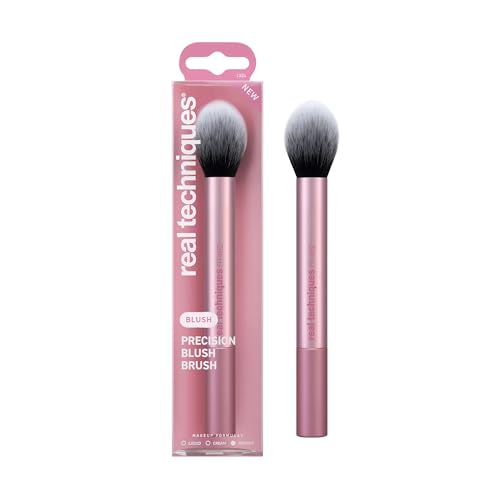

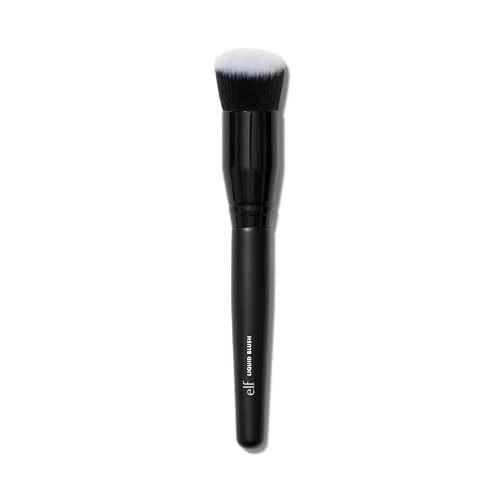
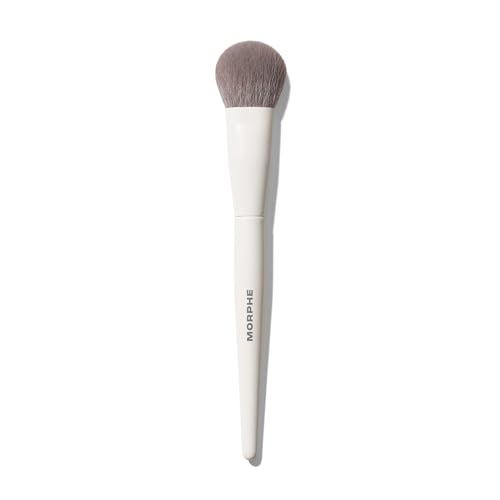
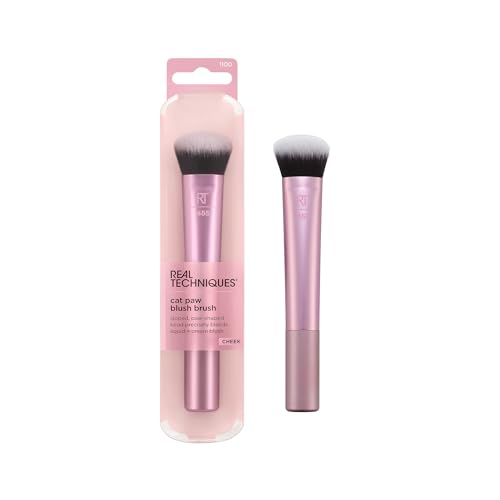
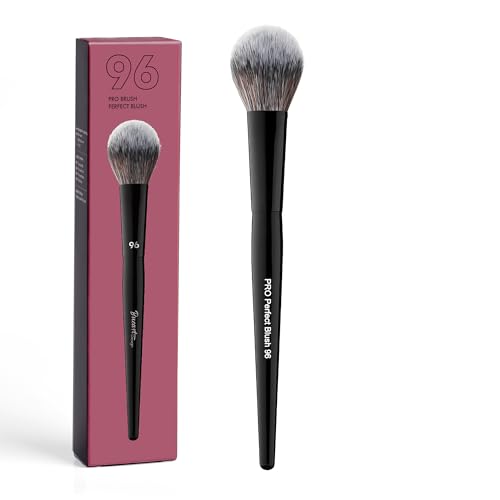
Types Of Blush Brushes
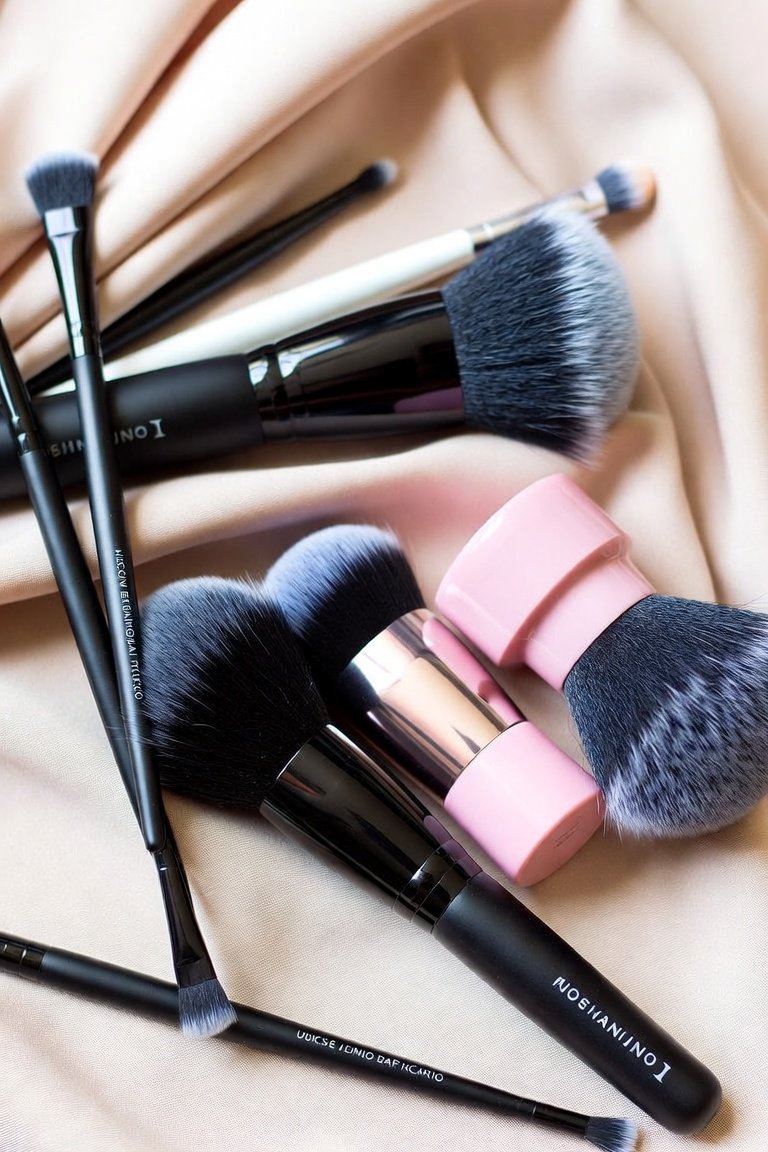
There are several types of blush brushes, each made for a different effect or blush formula. Here are the most common ones:
1. Rounded Blush Brush
A rounded blush brush has a dome-shaped head with soft, fluffy bristles. This classic style is great for powder blush. It helps you apply color gently and blend it well for a soft, natural look. Beginners often find this type easiest to use.
2. Angled Blush Brush
An angled blush brush has bristles cut at a slant. This shape hugs the cheekbones, making it easy to sculpt and define your face. If you want a sharp, lifted look, or if you use blush for contouring, the angled brush is a smart choice.
3. Tapered Blush Brush
A tapered brush comes to a slight point. This lets you place color exactly where you want it, then blend outward. It’s ideal if you like precise control or want to use blush for more than just the cheeks—like along the nose or jawline.
4. Duo Fiber Blush Brush
Duo fiber brushes use two kinds of bristles—some stiff, some soft. This mix is perfect for cream or liquid blush, as it helps you create a sheer, buildable finish. The lighter touch means less risk of heavy, clown-like cheeks.
5. Flat Blush Brush
With a flat, paddle-like shape, this brush presses blush onto the skin rather than dusting it. It’s often used for cream blush but can also work with powder. If you want more color in one spot, a flat brush helps.
6. Fan Blush Brush
Fan brushes look like a small, flat fan. They’re not as common for blush but can be useful for a very light, soft wash of color. Some people use fan brushes to blend out harsh edges or apply highlighter.
Comparison: Common Blush Brush Shapes
Here’s how some popular blush brush shapes compare:
| Brush Type | Best For | Common Use | Skill Level |
|---|---|---|---|
| Rounded | Powder blush | Natural, blended finish | Beginner |
| Angled | Sculpting, contouring | Defined cheekbones | Intermediate |
| Tapered | Precise placement | Targeted blush | Advanced |
| Duo Fiber | Cream/liquid blush | Sheer, buildable color | All levels |
Blush Brush Materials: Natural Vs. Synthetic
Blush brush bristles are either natural (from animal hair) or synthetic (man-made fibers). Each has pros and cons.
Natural Bristles
Natural bristles often come from goat, pony, or squirrel hair. They are very soft and pick up powder products easily. Because they have tiny cuticles, they can hold powder and blend it smoothly onto the skin.
Benefits Of Natural Bristles:
- Excellent for powder blush
- Very soft, feels gentle on the skin
- Blends color easily
Drawbacks:
- Can be expensive
- May cause allergies for some people
- Not vegan or cruelty-free
- Needs more careful cleaning
Synthetic Bristles
Synthetic brushes use fibers like nylon or Taklon. These bristles are smooth, uniform, and do not absorb as much product.
Benefits Of Synthetic Bristles:
- Great for cream or liquid blush
- More affordable
- Easier to clean
- Vegan and cruelty-free
Drawbacks:
- May not blend powder as softly
- Sometimes feel less luxurious
Quick Comparison: Natural Vs. Synthetic
| Material | Best For | Price Range | Maintenance | Ethics |
|---|---|---|---|---|
| Natural | Powder blush | Higher | Tricky | Not vegan |
| Synthetic | Cream/liquid blush | Lower | Easy | Vegan |
Non-obvious insight: Some high-end synthetic brushes now mimic the softness and performance of natural hair. So, don’t think only natural bristles mean quality.
How To Choose The Right Blush Brush
Picking the perfect blush brush depends on your needs, skin type, and makeup habits. Here are some steps and tips to help you decide:
1. Know Your Blush Formula
- Powder blush: Go for a fluffy, rounded or angled brush, usually with natural or high-quality synthetic bristles.
- Cream or liquid blush: Use a duo fiber or synthetic brush to avoid streaks and absorb less product.
2. Consider Brush Size
If you have smaller cheeks, a huge brush will cover too much area. For larger cheeks, a tiny brush may take too long. Try holding brushes in the store to see what fits your face best. A medium-sized head gives the most flexibility.
3. Test Handle Length And Weight
A brush should feel comfortable in your hand. Longer handles give more control for sweeping motions. Shorter ones are great for travel or close-up work. Some people like a heavier brush for stability; others prefer a light one.
4. Check Bristle Density
A dense brush packs more color and works for bold looks. A looser, fluffier brush gives a softer finish. Beginners often prefer softer, less dense brushes for a natural result.
5. Think About Maintenance
If you don’t want to spend much time cleaning, synthetic brushes are easier and dry faster. Natural brushes need more care.
6. Budget
Blush brushes range from under $10 to over $60. Sometimes, a mid-priced brush performs as well as a luxury one. Read reviews and, if possible, try before you buy.
7. Ethics
If you care about animal welfare, choose vegan or cruelty-free synthetic brushes. Many brands now offer excellent vegan options.
Non-obvious insight: Shape matters more than price. A well-shaped, affordable brush often beats an expensive brush with the wrong shape for your face.
How To Use A Blush Brush: Step-by-step Guide
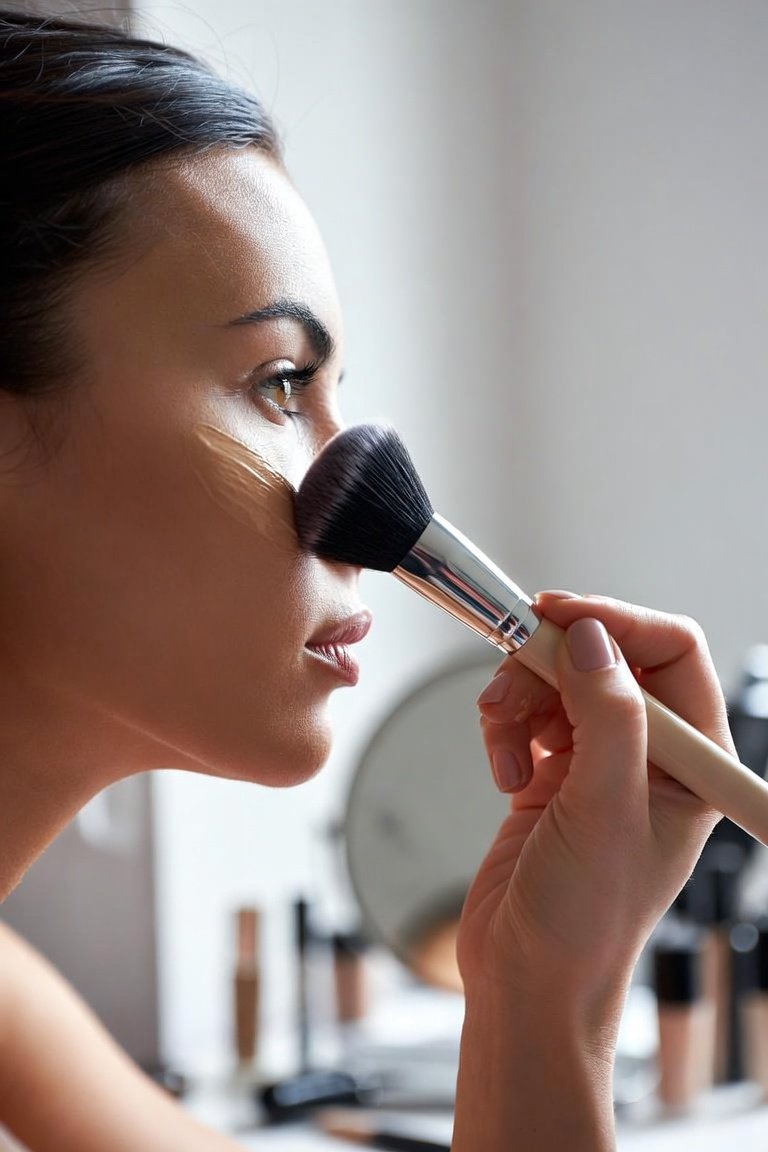
Knowing how to use your blush brush is as important as picking the right one. Here’s a simple method for a natural, healthy look:
1. Pick Up The Blush
Lightly dip your brush into the blush. Tap off any excess, especially for powder blush. Too much product can make blending hard.
2. Smile Gently
A gentle smile helps you find the apples of your cheeks—the round, raised part when you smile. This is usually the best spot to start applying blush.
3. Apply In Gentle Sweeps
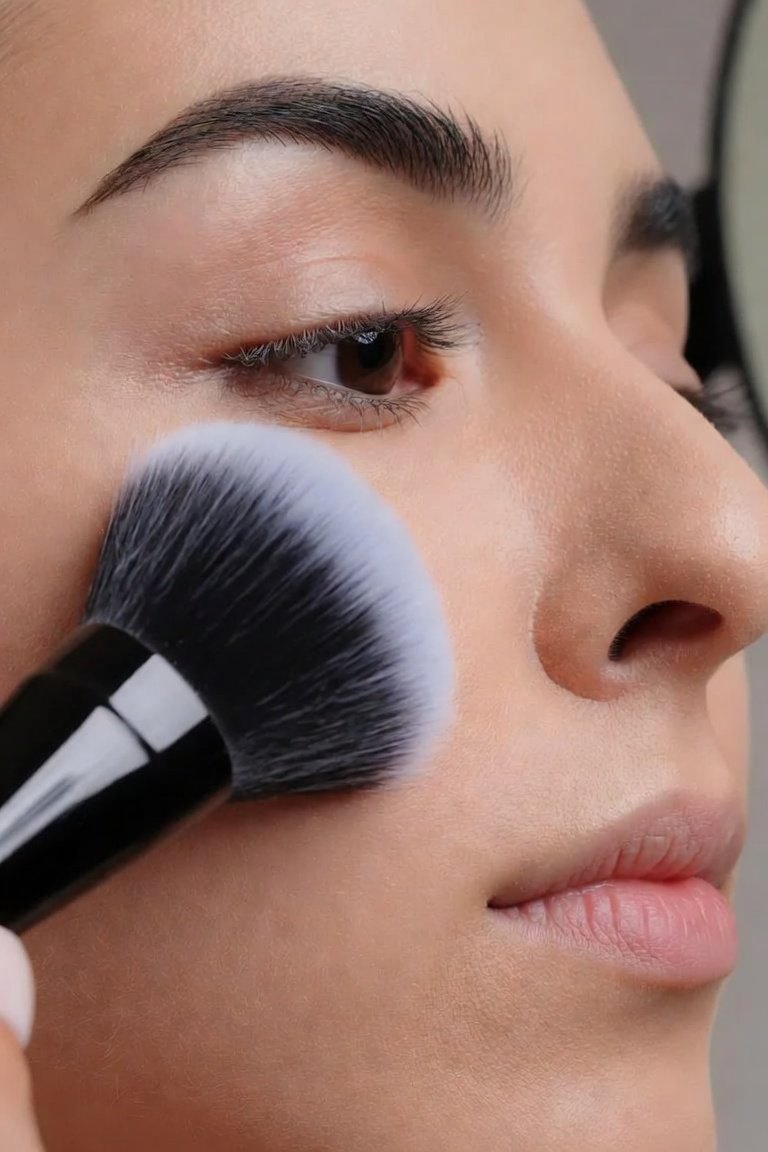
Start at the apples of your cheeks and sweep the brush upward toward your temples. Use light, circular motions for a soft finish. For angled or tapered brushes, follow the cheekbone line for a sculpted effect.
4. Blend
Blending is key. Use clean, soft strokes to diffuse any harsh lines. You can use the same brush or a clean, fluffy brush for this step.
5. Adjust As Needed
If you want more color, repeat the above steps. It’s better to build up slowly than to start with too much.
6. Set (optional)
If you use cream blush, you can set it with a light dusting of powder blush or translucent powder for longer wear.
Pro Tips
- For a sun-kissed look, sweep blush across the nose bridge.
- Always check your blush in natural light—bathroom or store lights can be misleading.
- To fix over-applied blush, use a clean powder brush and a bit of translucent powder to soften the color.
Cleaning And Caring For Your Blush Brush
A clean brush means better makeup and healthier skin. Dirty brushes can spread bacteria, cause breakouts, and make color muddy. Here’s how to care for your blush brush:
How Often Should You Clean A Blush Brush?
- Powder blush brush: Clean every 1–2 weeks.
- Cream/liquid blush brush: Clean after every use, if possible.
Cleaning Steps
- Rinse the bristles under lukewarm water, keeping the handle and ferrule (metal part) dry.
- Apply gentle soap or brush cleanser to the bristles. Baby shampoo works well.
- Massage the bristles with your fingers to remove makeup.
- Rinse thoroughly until water runs clear.
- Squeeze out excess water gently with a towel.
- Reshape the brush head.
- Lay flat to dry on a clean towel, with bristles hanging off the edge of a counter. Never dry upright—water can loosen the glue inside.
Extra Tips
- Never soak the whole brush; water can damage the handle and glue.
- For fast cleaning between colors, use a spray brush cleaner and wipe on a tissue.
- Replace your blush brush every 1–2 years, or sooner if it sheds or loses shape.
Common Blush Brush Mistakes (and How To Avoid Them)
Even experienced makeup lovers make mistakes with blush brushes. Here are some common errors and tips to avoid them:
1. Using The Wrong Brush For The Product
Powder blush with a stiff, synthetic brush can look patchy. Cream blush with a loose, natural brush may streak. Match the brush to your product for best results.
2. Applying Too Much Pressure
Pressing hard packs on too much color and can disturb foundation underneath. Use a light hand and build color slowly.
3. Skipping Blending
Unblended blush looks harsh and unnatural. Always blend the edges, even if you want a bold look.
4. Not Cleaning The Brush
Dirty brushes not only spread bacteria but also affect color payoff. Blush can look muddy or dull if old product is stuck in the bristles.
5. Ignoring Face Shape
Applying blush in the wrong place can drag the face down or look unflattering. Adjust application for your face shape:
- Round face: Sweep blush slightly above the apples and out toward the temples.
- Long face: Apply blush horizontally across the cheeks.
- Heart-shaped face: Focus on the outer cheek and blend toward the ear.
Non-obvious insight: The right brush can actually save you product. Soft, quality bristles pick up just enough, so you waste less blush.
Blush Brush Vs. Other Face Brushes
Many people wonder if they really need a special brush just for blush. After all, can’t you use a powder or foundation brush? Here’s how blush brushes compare to other common face brushes:
| Brush | Shape | Best Use | Why Not for Blush? |
|---|---|---|---|
| Blush Brush | Rounded/Angled | Blush | — |
| Powder Brush | Large, fluffy | Setting powder | Too big for precise blush |
| Contour Brush | Angled, narrow | Contour powder | Too dense or sharp for soft blush |
| Foundation Brush | Flat, dense | Liquid/cream foundation | Spreads blush unevenly |
A blush brush is designed for just the right amount of color in the right spot. Using another brush might work in a pinch but won’t give the same soft, blended effect.
How To Store Blush Brushes
Proper storage keeps your brushes clean, shaped, and ready to use.
Storage Tips
- Keep brushes upright in a cup or holder. This helps keep their shape and dries them well.
- If you travel, use a brush case or roll. Don’t toss brushes loose in a bag—they’ll collect dust and lose their shape.
- Avoid storing wet brushes in closed containers. Let them dry completely to prevent mold.
Organizing Your Brushes
If you have several brushes, label or separate them by use—one for blush, one for powder, one for contour. This avoids color mixing and makes your routine faster.
Blush Brushes For Beginners Vs. Professionals
Not all blush brushes are the same. Some are designed for beginners; others are for makeup artists.
For Beginners
- Look for medium-sized, soft, rounded brushes.
- Avoid very dense or tiny brushes—they can be hard to use.
- Synthetic brushes are low-maintenance and affordable.
For Professionals
- May use multiple shapes for different effects.
- Invest in high-quality natural or advanced synthetic bristles.
- Prefer brushes with solid construction for daily use and cleaning.
Non-obvious insight: You don’t need a “pro” brush to get a pro result. Technique and regular cleaning matter more than price for most people.
Popular Blush Brush Brands And Price Ranges
Many brands offer blush brushes, from budget to luxury. Here’s a look at some popular options:
- EcoTools: Budget-friendly, eco-conscious, synthetic bristles, around $10–$15.
- Real Techniques: Known for quality at a low price, synthetic bristles, $8–$15.
- Morphe: Wide range, from $7 to $25. Popular with makeup lovers.
- Sigma Beauty: Mid-range, high-quality synthetic, $20–$30.
- MAC Cosmetics: Professional-level, natural and synthetic, $30–$40.
- IT Cosmetics: Soft, cruelty-free, $20–$40.
- Wayne Goss: Luxury, mostly natural hair, $30–$60.
- Hakuhodo: Japanese, hand-crafted, natural bristles, $40–$100+.
Tip: Don’t assume higher price always means better performance. Some affordable brushes perform as well as luxury brands.
The Science Behind Blush Brush Design
Brush design is based on both art and science. The way bristles are cut, placed, and shaped affects how product is picked up, held, and deposited on the skin.
- Tapered bristles give you precision and help blend edges.
- Rounded heads diffuse color for a natural finish.
- Angled brushes follow bone structure for contouring effects.
- Bristle density affects how much product is picked up.
Some brands use 3D modeling and skin studies to design brushes that work with different face shapes and products. For more on brush construction, see the detailed guide from Wikipedia.
Sustainable And Ethical Choices In Blush Brushes
With growing awareness, many people want makeup tools that are cruelty-free and better for the planet. Look for:
- Synthetic bristles (vegan, no animal harm)
- Recycled or sustainable handles (like bamboo)
- Brands with ethical manufacturing (fair labor, low waste)
Some brands clearly label their products as vegan or cruelty-free. If this matters to you, check for certifications or brand statements before buying.
Blush Brush Hacks And Multi-use Tips
A blush brush can do more than just apply blush. Here are a few extra ways to use this tool:
- Use with bronzer for a warm, sun-kissed look.
- Apply setting powder to small areas, like under the eyes.
- Blend contour products softly along the cheekbones.
- Dust on highlighter for a natural glow.
- Use a clean blush brush to remove eyeshadow fallout from cheeks.
Pro tip: If you use your blush brush for multiple products, clean it between uses to avoid muddy colors.
Frequently Asked Questions
What Makes A Blush Brush Different From A Powder Brush?
A blush brush is usually smaller, with a rounded or angled head, designed for precise color placement on the cheeks. A powder brush is larger and fluffier, meant for spreading powder over the whole face. Using a powder brush for blush can give you less control and may make blush look uneven.
How Do I Know When To Replace My Blush Brush?
Replace your blush brush if it starts to shed bristles, loses its shape, feels scratchy, or cannot get clean anymore. Most quality brushes last 1–2 years with good care. If you notice skin irritation or the brush looks worn out, it’s time for a new one.
Can I Use My Fingers Instead Of A Blush Brush?
You can use fingers for cream or liquid blush, but it’s harder to get a smooth, blended finish. Brushes give a softer, more even result, especially with powder blush. If you use fingers, tap gently and blend well.
How Do I Sanitize A Blush Brush?
To sanitize, wash your brush with gentle soap and water, then spray with a 70% isopropyl alcohol solution. Let it dry fully before using. Regular cleaning keeps brushes sanitary and safe for your skin.
Are Expensive Blush Brushes Really Worth It?
Expensive brushes can offer better materials, softness, and durability. However, many affordable brushes now perform almost as well. The most important things are the right shape, clean bristles, and good technique—not just the price tag.
A well-chosen blush brush is more than just a tool—it’s the secret to natural, beautiful makeup. With the right brush, you can bring life to your face in just a few sweeps. Remember to match your brush to your product, clean it often, and use a light touch for best results.
Your blush brush, when chosen and used well, can help you look fresh, healthy, and confident every day.