

Natural vs Synthetic Makeup Brushes: Which Fiber Suits Which Product
A soft brush that glides through powder can turn streaky and stained the first time it touches liquid foundation. That gap sits at the heart of the natural vs synthetic makeup brushes question, and it comes down to what the bristles are made of.
Quick answer: choose natural hair brushes for powders and pigments, and synthetic fibers for liquids and creams. Natural hair is porous, so it grabs powder well but soaks up wet product. Synthetic fibers absorb very little, so they blend foundation, concealer and cream blush without waste. If you will only buy one type, make it synthetic, because it handles the widest range of products and washes out more easily.
Magazine guides and brush makers agree on this split, and the care pages from makers add a second rule: wash on a schedule and keep water off the metal band. However, nobody has published a controlled test of finish quality. Treat the advice below as practical consensus, not proof, and expect some exceptions. A well-made brush of either type will usually beat a poor one of the other.
This guide gives you a 20-second picker, two comparison tables, a myths section, a washing routine and a rule for when a brush is finished. It also covers allergies, animal-free options and the honest limits of the whole debate, so you can put your money into the right brushes first and skip the ones you will never use.
Recommended Brush Sets for Natural vs Synthetic Makeup Brushes
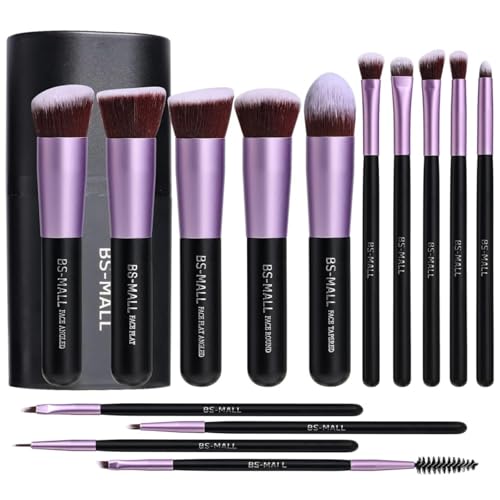
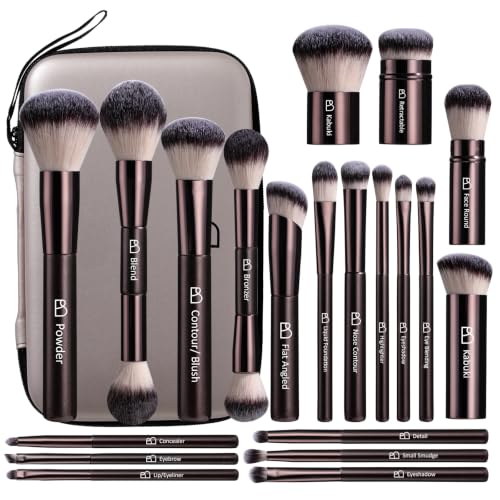
These picks cover both camps: several synthetic sets for face and cream work, plus two natural goat hair sets for powder and eye blending. Check each listing for the fiber type before you buy, because wording on set pages varies. See how we test and choose products for the rules behind every pick.



Key Takeaways
- The fiber sets the job: natural hair suits powders and pigments, while synthetic fibers suit liquids and creams.
- Natural hair is porous, so it soaks up wet product, wastes formula and can stain the brush.
- Synthetic fibers take up little product and rinse out more easily, which makes them the safer single choice for beginners.
- Natural brushes tend to shed more and may trigger allergies in some people.
- Synthetic brushes are typically made without animal hair, which matters if you avoid animal products.
- A weekly wash with gentle shampoo, bristles down and water kept off the metal band, suits both types.
- Shape and density change coverage as much as the fiber does, so match all three to the product.

What the Bristles Are Actually Made Of
Every makeup brush has three parts: the bristles, a metal band called the ferrule, and the handle. The ferrule holds the bristles in place, and the glue inside it is the reason you should not soak a brush. Only the bristle type separates the two camps.

Natural brushes use animal hair, such as goat, squirrel or boar. Synthetic brushes use man-made fibers such as nylon or polyester, often sold under names like taklon. A brush can also blend both, which some brands label as duo fiber.
Fiber is not the whole story, though. Density, length and tip shape change how the brush behaves. A tight, dense head gives more coverage, while a fluffy head spreads product more lightly. So a dense synthetic brush and a fluffy synthetic brush can feel like different tools even though the fiber is identical.
The 20-Second Brush Picker
Answer these four questions. Each one points to a fiber, so you can see where you land before reading the details.
- What will you put on the brush most often? Liquid or cream (S), loose or pressed powder (N), or both equally (S first, N later).
- Do you avoid animal-derived products? Yes (S). If not, this question does not decide anything.
- Are you prone to skin or scalp reactions to animal hair or wool? Yes (S). Test any natural brush on a small area first.
- How much time do you want to spend on cleaning? Little (S), because synthetic fibers do not hold pigment as stubbornly.
Mostly S: buy synthetic brushes for base, concealer and cream color, and add nothing else until those feel right.
Mostly N: natural hair is a good fit for loose powder, pigmented eyeshadow and soft blending, as long as you accept the extra care.
A mix: use synthetic for anything wet and natural for anything dry. That is how most kits are built.
The tie-breaker is nearly always the first question. Product texture, not brand or budget, decides whether a fiber works.
Natural vs Synthetic Makeup Brushes Side by Side
The table lists the practical differences that show up in daily use. It follows the points repeated in beauty-editor guides and in brush makers’ care notes.

| Feature | Natural hair | Synthetic fiber |
|---|---|---|
| Made from | Animal hair such as goat, squirrel or boar | Man-made fibers such as nylon or polyester |
| Best with | Powders and pigments | Liquids and creams, including concealer and foundation |
| Absorbs product | Yes, readily, including wet formulas | Very little |
| Washing | Harder; holds on to pigment | Easier; rinses out more fully |
| Feel | Often very soft | Ranges from stiff to very soft, depending on quality |
| Shedding | Tends to shed more | Tends to shed less |
| Allergy risk | May trigger reactions in some people | Lower, since there is no animal protein |
| Animal-free | No | Typically yes |
Notice that “better” never appears in the table. Each fiber wins in a different column, which is why the question is about fit, not rank.
Natural vs Synthetic Makeup Brushes: Why Wet Products Clash With Natural Hair
Powder and pigment are dry particles. Porous natural hair holds them between the strands and releases them in a soft, controlled sweep. That is why a natural brush picks up and diffuses powder so smoothly.
Liquid and cream formulas behave differently. They are mostly oils, waxes and water, and porous hair draws them in rather than leaving them on the surface. As a result, you load more product, apply less of it to your skin, and end up with a stained, heavy brush that is slow to clean.
Synthetic fibers are smoother and not porous, so wet product stays at the surface where you can move it. They also release it fully when you press or buff, which is why they are the usual choice for concealer, foundation, cream blush and lipstick.
| Product type | What happens with natural hair | What happens with synthetic fiber |
|---|---|---|
| Loose or pressed powder | Picks up evenly and diffuses softly | Works well, but can feel less delicate on very fine powder |
| Eyeshadow pigment | Strong pickup and soft blending | Good for packing color, less for airy blending |
| Cream or liquid foundation | Absorbs product, can streak and stain | Spreads evenly, little waste |
| Concealer | Soaks up formula, hard to control | Precise, easy to wash out |
| Cream blush or bronzer | Grips and drags, loads unevenly | Blends smoothly |
Myths About Natural vs Synthetic Makeup Brushes
A few ideas keep circulating, and they cost people money or leave them with the wrong brush. Here is what holds up and what does not.
- Myth: natural is always the premium choice. Natural hair is softer and often more expensive to produce, but softness does not help with liquids. For a base, a good synthetic brush usually does the job better.
- Myth: synthetic means stiff and scratchy. Quality varies a lot. Fine, well-made synthetic fibers can feel very soft, while poorly made sets of either type can feel rough.
- Myth: you must pick one camp. Most working kits use both. Natural for dry powder, synthetic for everything wet.
- Myth: natural hair is more hygienic because it is natural. The material has no special cleanliness property. What matters is how often you wash the brush and how fully it dries.
- Myth: a bigger set means better value. Many large sets include shapes you will not use. A few well-chosen brushes outperform a long roll of duplicates.
Matching Brush Type to Product
Once the fiber is clear, assign each product to the brush that suits it. The columns below turn the rules into a quick habit.
- Use synthetic for foundation, concealer and cream color
- Use natural for loose powder and pigmented shadow
- Choose a dense head for coverage, a fluffy head for a sheer finish
- Wipe a brush between very different colors
- Check the listing to confirm the fiber
- Keep one brush per texture, not one per product
- Load a natural brush with liquid foundation
- Assume a soft feel means natural hair
- Buy a large set before you know which shapes you use
- Dunk the whole brush up to the handle
- Store damp brushes in a closed case
- Mix a wet product and a dry powder on one brush
If you want to dig into shapes, our powder brush guide explains how head size changes the finish, and the blush brush guide covers placement. A round kabuki brush is a good example of a dense head that works with either fiber, depending on the product.
How to Wash Natural and Synthetic Makeup Brushes
The method is the same for both types, with one extra care point for natural hair. Brush maker Sigma recommends washing weekly and keeping water away from the metal band, which is where the glue sits.
- Wet the bristles only. Hold the brush bristles down under lukewarm running water so the water does not run into the ferrule.
- Add a small amount of gentle shampoo. Use a drop of brush cleanser or mild shampoo in your palm or on a textured cleaning mat.
- Swirl, do not scrub. Move the head in small circles until the lather runs clear of color. Dense brushes and cream residue may need a second pass.
- Rinse thoroughly. Keep the bristles pointing down until no soap or product remains.
- Squeeze out water and reshape. Press gently with a towel and shape the head as it was when new.
- Dry flat or angled down. Lay the brush flat or hang it bristles-down so water does not seep into the handle. Natural hair dries more slowly, so give it extra time.

How Often to Wash and When to Retire a Brush
A weekly wash is a sensible default for brushes that touch your face, based on maker guidance such as Sigma’s. Dry-powder brushes can go a little longer, while anything used with cream, liquid or eye products deserves a quick clean sooner.
- After every use: wipe liquid and cream brushes on a clean tissue, and tap off excess powder.
- Weekly: full wash for foundation, concealer and cream-color brushes.
- Every few weeks: full wash for dry powder and shadow brushes, or whenever the color of the bristles changes.
Retire a brush when the bristles splay and will not return to shape, when the head sheds clumps, or when the ferrule feels loose. A brush that no longer holds its shape cannot blend evenly. Brushes with a sour smell, stained discoloration or a stiff, crusty head may also be past saving.
Allergies, Shedding and Animal-Free Choices in Natural vs Synthetic Makeup Brushes
Three practical points sit behind the fiber choice, and they matter more to some people than coverage does.
First, shedding. Natural hair generally sheds more than synthetic fiber, especially when new. A few loose hairs in the first weeks is common, but a continual stream suggests poor construction or damage from soaking.
Second, allergies. Animal hair can trigger reactions in some people, so a sensitive person may do better with synthetic from the start. If a natural brush causes itching or redness near the eyes, stop using it.
Third, animal-free preference. Synthetic brushes are typically made without animal hair, so they suit anyone who avoids animal products. Labels such as “vegan” or “cruelty-free” are marketing terms that vary by brand, so look for the brand’s own explanation instead of relying on the word alone.
Honest Limits
The natural-versus-synthetic rule is a guideline, not a law. Most of what is written comes from beauty editors, makeup artists and brush makers’ own pages, rather than from controlled tests that compare finish quality on skin. No study here tells you that one fiber is better overall.
Quality also swamps type. A well-made synthetic brush will beat a poorly made natural one on almost any task, and vice versa. Listings rarely tell you how a fiber was treated or how well the head is secured.
Finally, preference matters. Some artists use natural hair for light cream work and synthetic for powder because they like the result. The advice here is where most people will be happiest, not a ban on experimenting.
When to See a Professional
Brush choice is a low-risk question, but two situations call for expert input.
- You get redness, itching or swelling around the eyes or face after using a new brush. Stop using it and ask a pharmacist, doctor or dermatologist.
- You want to build a kit for a specific skill, such as bridal or stage work. A working makeup artist can test brushes on skin and tell you what holds up in a long session.
- You have a recurring skin condition near the areas you brush. A dermatologist can advise whether your tools or products are part of the problem.
- Foundation brush guide: shapes, motions and a streak-free finish.
- When to replace makeup brushes: shedding, wobbly heads and the other signs.
Frequently Asked Questions
What separates natural vs synthetic makeup brushes?
Natural brushes use animal hair, which is porous and suits powders and pigments. Synthetic brushes use man-made fibers that absorb little product, so they suit liquids and creams.
Are natural vs synthetic makeup brushes better for beginners?
Synthetic ones. They handle the widest range of products, wash out more easily and are less likely to cause allergies, so one small synthetic set covers most basics.
Can you use a natural brush with liquid foundation?
You can, but it is not ideal. Natural hair soaks up liquid, which wastes product and makes the brush harder to clean.
Which is better for powder, natural or synthetic?
Natural hair is generally preferred for loose powder because it picks up and diffuses the product softly. A good synthetic powder brush also works well, so it is a preference more than a rule.
Are synthetic brushes vegan?
They are typically made without animal hair. Check the brand’s own description, since the glue, handle or other parts can differ.
Do natural makeup brushes shed more?
Generally yes. Natural hair tends to shed more than synthetic fiber, especially in the first weeks of use.
How do you tell natural vs synthetic makeup brushes apart?
Read the listing for the fiber name. Visually, synthetic bristles look uniform and smooth, while natural hair has tapered tips and slight variation in length and color.
How often should you wash makeup brushes?
Weekly is a common maker recommendation for brushes that touch your face. Wipe cream and liquid brushes after each use.
Should you wash a brush with the bristles up or down?
Down. Keep the bristles pointing toward the sink so water does not run into the metal band and loosen the glue.
Are natural vs synthetic makeup brushes safer for sensitive skin?
Synthetic fibers are the safer start, because they lack animal protein. Whichever type you choose, wash the brush regularly and stop using it if skin reacts.
The Bottom Line
Natural hair is made for dry, pigmented products, and synthetic fiber is made for wet ones. If you remember only that, you will avoid the streaky, stained brush that started this debate, and you will buy fewer tools that sit in a drawer.
Start with a small synthetic kit for base and concealer, add a natural brush for powder if you like the soft finish, and wash weekly with the bristles down. For the evidence behind these rules, see the Bustle breakdown of synthetic and natural brushes and Sigma’s brush cleaning guidance.



One Comment