
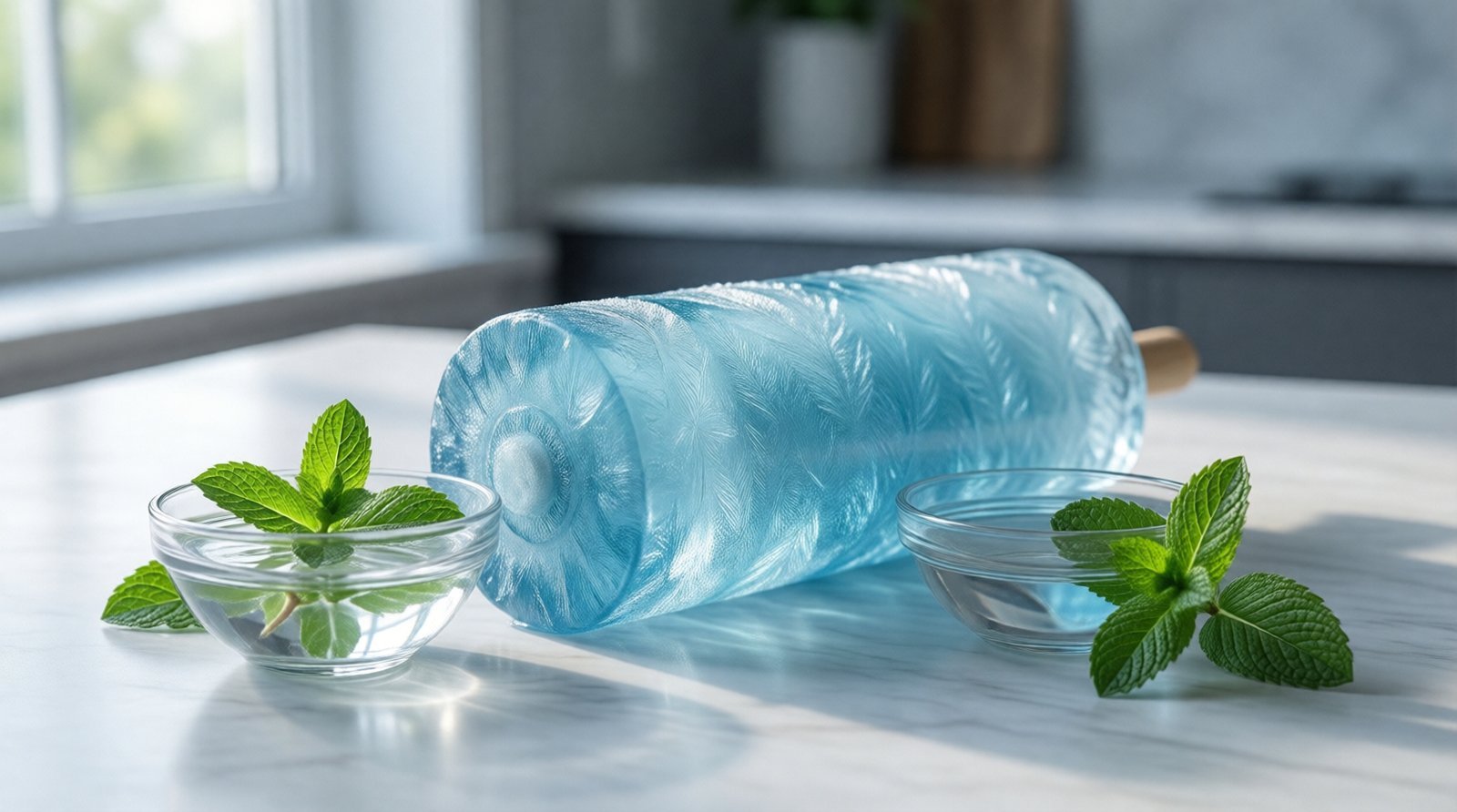
Ice Roller for Face: Benefits, How to Use It and What It Can’t Do
You wake up with a puffy face, roll something cold over it for two minutes, and the mirror looks a little better. Is that real, or just a nice feeling? An ice roller for face use does something real, but it is smaller and shorter-lived than most product pages suggest.
Quick answer: cold narrows small blood vessels near the skin, so an ice roller can briefly reduce morning puffiness and calm redness or irritation. The effect is temporary, usually gone within hours. There is no good evidence that ice rolling builds collagen, shrinks pores for good, removes wrinkles or “detoxes” the lymph system. Keep the roller moving, keep sessions short, and stop if skin turns pale, numb or painful.
The evidence is thin and mostly indirect. Cleveland Clinic experts say cold helps restrict blood vessels and reduce swelling around the eyes. However, genetic eye bags from fat pads or loose skin are a different problem that cold cannot fix. The best research on cold and facial swelling comes from dental surgery, not beauty tools. Even there, a 2025 evidence map rated ice only “probably beneficial”, and most reviews behind it were low quality.
Cold also has a safety side. Skin that gets too cold for too long can be injured, and some people react badly to cold in the first place.
This guide covers how the cooling works, a quick self-check, a step-by-step routine, gel vs steel rollers, frostnip warning signs, cleaning, and when puffiness needs a doctor instead.
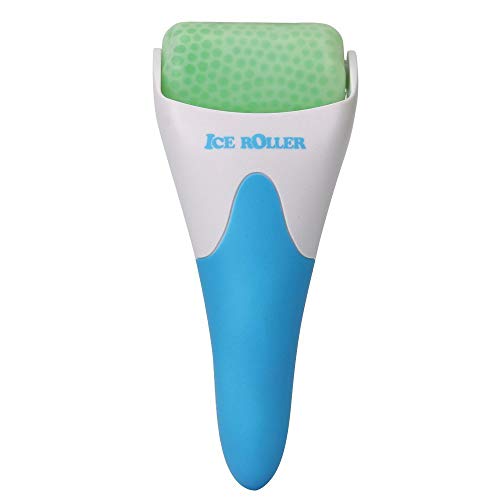
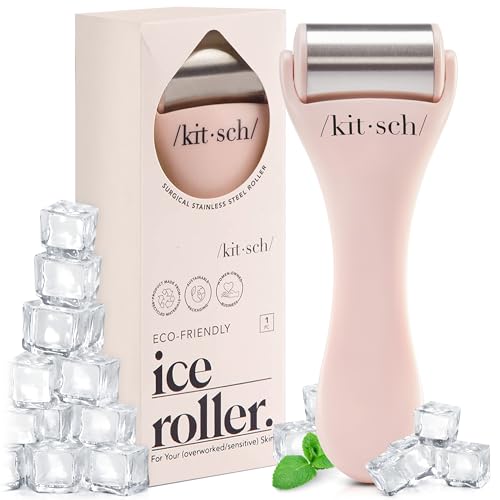
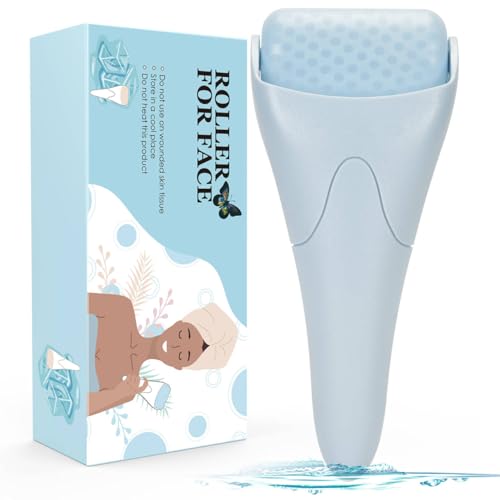
Recommended Ice Rollers for Face
Every pick below is a face ice roller: gel or water-filled rollers that stay cold longer, stainless steel heads that chill fast and wipe clean, a set with a travel case, and one bundled with a gua sha. Whichever you choose, the safety and timing rules in this guide apply the same way. See how we test and choose products for the rules behind every pick.




Key Takeaways
- Cold narrows small blood vessels, which can briefly reduce puffiness and redness.
- Any visible change from an ice roller for face use is temporary, often lasting hours rather than days.
- Puffiness from fluid responds to cold; eye bags from fat pads, bone structure or loose skin do not.
- No good evidence links ice rolling to collagen, permanent pore shrinking, wrinkle removal or lymphatic “detox”.
- Short sessions with a moving roller are the safe pattern; never hold a frozen roller still on one spot.
- Pale, numb, blotchy or painful skin means stop at once.
- Rosacea, Raynaud’s, reduced feeling in the face or broken skin are reasons to skip it or ask a doctor first.

What an Ice Roller for Face Actually Does to Skin
An ice roller is a small cold head on a handle. The head is usually a gel or water-filled plastic cylinder, or a block of stainless steel. You chill it in the fridge or freezer, then roll it across your skin.
The main effect is simple. When skin gets cold, the small blood vessels near the surface narrow. Doctors call this vasoconstriction. Less blood flows into the area for a while, so less fluid leaks into the surrounding tissue. As a result, a puffy area can look a little flatter, and pink or flushed skin can look calmer.
Cold also dulls nerve signals for a short time. That is why a cold roller feels soothing on irritated or itchy skin, and why people reach for one after a long day. Rolling adds light pressure too, which may push some loose fluid along, although nobody has measured how much that adds.
Then the skin warms up again. Blood vessels widen, blood flow returns to normal, and so does most of the effect. In short, an ice roller for face routines works like a quick reset, not a treatment that changes skin structure.
Ice Roller for Face Claims vs the Evidence
Product listings make a long list of promises. Some match what cold is known to do. Others have no support at all. The table sorts them so you can judge a listing for yourself.
| Claim | What the evidence suggests | Verdict |
|---|---|---|
| Reduces morning puffiness | Cold narrows vessels and reduces swelling; dermatology and eye experts recommend cold compresses for puffy eyes | Plausible, short-lived |
| Calms redness and irritation | Cooling eases the feeling of heat and itch for a while | Plausible, short-lived |
| Reduces swelling after procedures | Dental surgery research rates ice as probably helpful in the first 72 hours, with low-quality evidence | Some support, follow your clinician |
| Shrinks pores | Pores may look smaller while skin is cold; no evidence of a lasting change | Cosmetic and temporary at most |
| Boosts collagen or removes wrinkles | No good studies support this for ice rollers | Unsupported |
| Lymphatic drainage or “detox” | No studies show an ice roller drains lymph or removes toxins | Unsupported |
| Treats acne | Cold may make a swollen spot feel better; it does not treat the cause | Comfort only |
The strongest research on cold and facial swelling comes from wisdom tooth surgery. A 2025 evidence map in Medicina Oral pooled systematic reviews and classed cryotherapy as “probably beneficial” for pain and swelling in the first 72 hours after surgery. However, the authors also rated most of those reviews as critically low in quality. So even in a setting with real swelling, the case for cold is modest.
Ordinary morning puffiness is far milder than surgical swelling. That makes the benefit of an ice roller for face routines plausible but small, and it has not been tested in good trials of its own.
Puffiness vs Eye Bags: Why Cold Fixes One and Not the Other
Many articles treat “puffy eyes” and “eye bags” as the same thing. They are not, and the difference decides whether a roller can help you at all.
| Feature | Puffiness (fluid) | Eye bags (structure) |
|---|---|---|
| Main cause | Fluid that collects overnight, salty food, short sleep, allergies, crying | Fat pads that move forward, bone structure, loose skin, aging, genetics |
| Pattern | Worse in the morning, better by afternoon | Present most of the day, most days |
| Response to cold | Often looks better for a few hours | Little or no visible change |
| Longer-term options | Sleep, less salt in the evening, allergy care, raising the head of the bed | Medical or surgical treatments discussed with a specialist |
Cleveland Clinic notes that for some people eye bags are genetic, due to fat pad prominence, bone structure or skin laxity, and can be hard to correct without medical treatment. Mayo Clinic describes the same aging process, where supporting tissue weakens and fat moves into the lower lids. Cool compresses can improve how they look, but only for a while.
Self-Check: Will an Ice Roller for Face Help You?
Run through this short check before you buy one or reach for it each morning. It takes under a minute.
Count your “yes” answers in each group.
Group A – likely to notice a small benefit
- Is your face or under-eye area puffier in the morning than later in the day?
- Does the puffiness come and go with sleep, salty dinners or allergy season?
- Do you enjoy a cooling feeling on tired or warm skin?
Group B – unlikely to see much change
- Are your under-eye bags there all day, every day?
- Are you hoping for fewer wrinkles, firmer skin or smaller pores long term?
Group C – check with a doctor first
- Do you have rosacea, Raynaud’s, a cold-triggered rash, or reduced feeling in your face?
- Is the swelling new, one-sided, painful, or paired with redness, itching or vision changes?
Mostly A: an ice roller is a reasonable, low-risk comfort tool. Mostly B: it may feel nice, but expect no lasting change. Any C: pause and get advice before using cold on your face.
How to Use an Ice Roller for Face Step by Step
The routine below keeps the cold moving and the session short. That is what gives you the cooling effect while avoiding cold damage.
- Chill it the right amount. Put the roller in the fridge or freezer, following the maker’s instructions. If it comes out frosted or painfully cold, let it sit for a minute first.
- Start with clean skin. Wash your face and pat it dry. Rolling over makeup or sunscreen just smears product around.
- Add a thin layer if you like. A light serum or moisturizer helps the roller glide. Skip anything that stings, such as strong acids or retinoids, before cold.
- Roll from the center outward. Move from the middle of your face toward the ears and hairline with light pressure. Then work along the jaw and down the neck.
- Keep it moving. Never park a frozen roller in one place. Next, treat the under-eye area last, on the bone below the eye, with very light pressure.
- Stop after a few minutes. Most people find one to five minutes is plenty. Finally, check your skin and stop sooner if it turns pale, blotchy or numb.
- Clean and store it. Wipe the head and handle, let it dry, and put it back in a clean bag or case.
How Long and How Often to Use an Ice Roller for Face
There is no clinical standard for facial ice rolling. No trial has tested the best time or frequency. So the safest approach is to borrow from what is known about cold on skin and keep well inside those limits.
For injuries, the Gloucestershire Hospitals NHS ice and heat leaflet suggests 10 to 15 minutes on small, bony areas and up to 20 minutes on large muscles. It also advises a damp cloth under the ice and a skin check every five minutes. The face is small and bony, and it is not an injury. Therefore a few minutes of moving cold is a sensible ceiling for beauty use.
- Session length: one to five minutes, always moving.
- Frequency: once a day is enough for most people, usually in the morning when fluid has built up overnight.
- Breaks: give your skin time to warm back to normal before any second session.
- Sensitive days: skip it if your skin is already stinging, windburned or freshly treated.
Longer or more frequent sessions will not give a better result. The vessel-narrowing effect does not build up over time, so extra minutes add risk without adding benefit.
Gel, Water, Steel and Ice Globes: Choosing a Roller
Most face ice rollers fall into a few designs. The cooling effect is the same; the differences are in how long the cold lasts, how harsh it feels and how easy the roller is to clean.
- Gel or water-filled plastic heads hold cold for longer, so they suit a slower routine. They can crack if dropped or squeezed. Stop using one that leaks.
- Stainless steel heads chill quickly and are easy to wipe clean. Because metal pulls heat from skin fast, a freezer-cold steel head can feel much colder than it looks.
- Ice globes are glass or steel spheres filled with liquid. They do the same job with a different shape and are more fragile if glass.
- Combination sets pair a roller with a gua sha stone or a travel case. The extra tool is optional; the cold head does the work.
Also look for a head that rolls smoothly without squeaking, a handle that stays dry, and a case or pouch if you keep it in the freezer next to food. None of these features changes the science, but they make daily use more pleasant.
Frostnip Signs and Who Should Skip Ice Rolling
Cold is gentle when used briefly, but skin that stays too cold for too long can be injured. The NHS frostbite page lists early signs such as cold, firm skin, numbness, stinging or burning, and skin that turns red or pale. It also notes that redness can be harder to see on black or brown skin. Those are your signals to stop rolling at once.
- Keep the roller moving at all times
- Let a frosted roller warm for a minute
- Use light pressure, especially near the eyes
- Check your skin every minute or two
- Store it in a clean bag or case
- Stop at the first sign of numbness
- Hold a frozen head on one spot
- Roll over broken skin, cuts or active flare-ups
- Press hard on the eyelid itself
- Use a cracked or leaking gel roller
- Roll right after a peel or laser unless your provider agrees
- Expect more minutes to give better results
Some people should be extra careful. The NHS ice leaflet says cold should only go on skin with normal feeling and normal circulation. In addition, the American Academy of Dermatology lists wind and cold among common rosacea triggers. If you have rosacea, Raynaud’s, nerve problems that reduce feeling in your face, or any skin reaction to cold, ask a doctor before trying an ice roller.
Cleaning and Storing Your Roller
A roller touches your face every day and then sits in a cold, sometimes damp place. Without basic care, it can collect old product, skin oils and bacteria.
- Wipe the head and handle after each use with mild soap and water, or follow the cleaning method the maker gives.
- Dry it fully before it goes back in the cold, because water on the surface can freeze into a rough layer.
- Keep it in a sealed bag or its own case, away from raw food in the freezer.
- Check gel and water heads for cracks or leaks every few weeks and replace any damaged roller.
- Avoid sharing it, and do not use it on an infected spot unless you clean it straight after.
Pair the roller with a gentle cleansing routine for the best start. A clean face lets the roller glide and keeps it from picking up makeup.
Honest Limits
An ice roller will not change how your skin ages. It does not build collagen, tighten loose skin or erase lines. Any smoothing you notice comes from less fluid and calmer blood flow, and it fades as your skin warms.
It also cannot fix structural eye bags, dark circles from pigment or thin skin, or puffiness caused by a medical problem. Allergies, thyroid disease and kidney or heart problems can all cause swelling, and cold only hides the surface sign for a short while.
Finally, the research gap is real. No good trials test ice rollers themselves. What we know comes from basic physiology, expert advice on cold compresses, and surgical studies of much larger swelling. That is enough to call an ice roller a reasonable comfort tool, but not enough to back the bigger claims on many listings.
When to See a Professional
Morning puffiness that fades by lunch is usually harmless. Book an appointment with a doctor, dermatologist or eye specialist instead of reaching for a roller when:
- Swelling is new, sudden, or on one side only
- Your eyes are red, painful, itchy or crusted, or your vision changes
- Puffiness comes with a rash, headache, or swelling in other places such as your legs
- Your face swells after a new product, food or medicine
- Your skin stays numb, blistered, white or blotchy after cold
- You want lasting change to eye bags or skin firmness and want to know your real options
Mayo Clinic also suggests seeing a provider when eye bags come with vision problems, irritation, headaches or a skin rash, to rule out conditions such as thyroid disease, infection or allergy. If your face, lips or throat swell suddenly, or you have trouble breathing, get emergency help right away.
- Silicone cleansing brushes: a gentle way to prep skin first.
- Konjac sponges: soft daily cleansing for sensitive skin.
- Microfiber makeup remover cloths: clear makeup before you roll.
- Using a dermaplaning tool safely: steps, limits and aftercare.
Frequently Asked Questions
Does an ice roller for face use really work?
It can briefly reduce puffiness and calm redness, because cold narrows small blood vessels. The effect is temporary and modest.
How long does the depuffing effect last?
Usually a few hours at most. As skin warms up, blood flow and most of the effect return to normal.
Should I keep my ice roller for face use in the freezer or the fridge?
Follow the maker’s instructions. The fridge gives a gentler cold; if you use the freezer, let a frosted roller warm for a minute first.
How long should I roll each time?
One to five minutes, always moving. Stop sooner if your skin turns pale, blotchy, numb or painful.
Can I use an ice roller every day?
Most people can use one once a day without trouble. Skip it on irritated, windburned or freshly treated skin.
Does an ice roller shrink pores or remove wrinkles?
No good evidence shows a lasting effect on pores or wrinkles. Pores may look smaller while skin is cold, but that fades.
Is an ice roller for face use safe with rosacea?
Be careful. The AAD lists wind and cold as common rosacea triggers, so ask your dermatologist before trying one.
Can an ice roller get rid of eye bags?
It can ease fluid puffiness for a while. Bags caused by fat pads, bone structure or loose skin do not respond to cold.
Is a steel ice roller better than a gel one?
Neither is better at cooling in a way that matters. Steel is easy to clean; gel holds cold longer but can crack or leak.
Can I use an ice roller after a facial procedure?
Only if your provider agrees. Freshly treated skin can be more sensitive, and your aftercare instructions come first.
The Bottom Line
An ice roller for face routines is a simple comfort tool. Cold narrows small blood vessels, so morning puffiness and redness can look better for a few hours. However, it does not build collagen, remove wrinkles, drain toxins or fix structural eye bags.
Use it on clean skin, keep it moving, stop after a few minutes, and watch for numb or pale patches. If swelling is new, painful or one-sided, or you have rosacea or a circulation problem, see a professional first.





One Comment