Cellulose Facial Sponge: The Ultimate Guide to Glowing Skin
A glowing, healthy face often starts with the right skincare tools. One item that has quietly taken center stage in many routines is the cellulose facial sponge. At first glance, these small, unassuming pads may seem basic, but they offer impressive benefits for cleansing, exfoliating, and supporting clear skin. Whether you are new to skincare or simply looking for an effective, eco-friendly tool, learning about cellulose facial sponges can help you achieve better results every day.
What Is A Cellulose Facial Sponge?
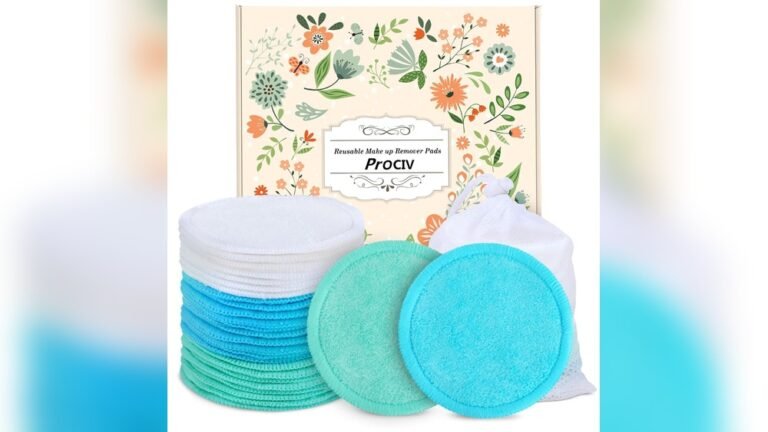
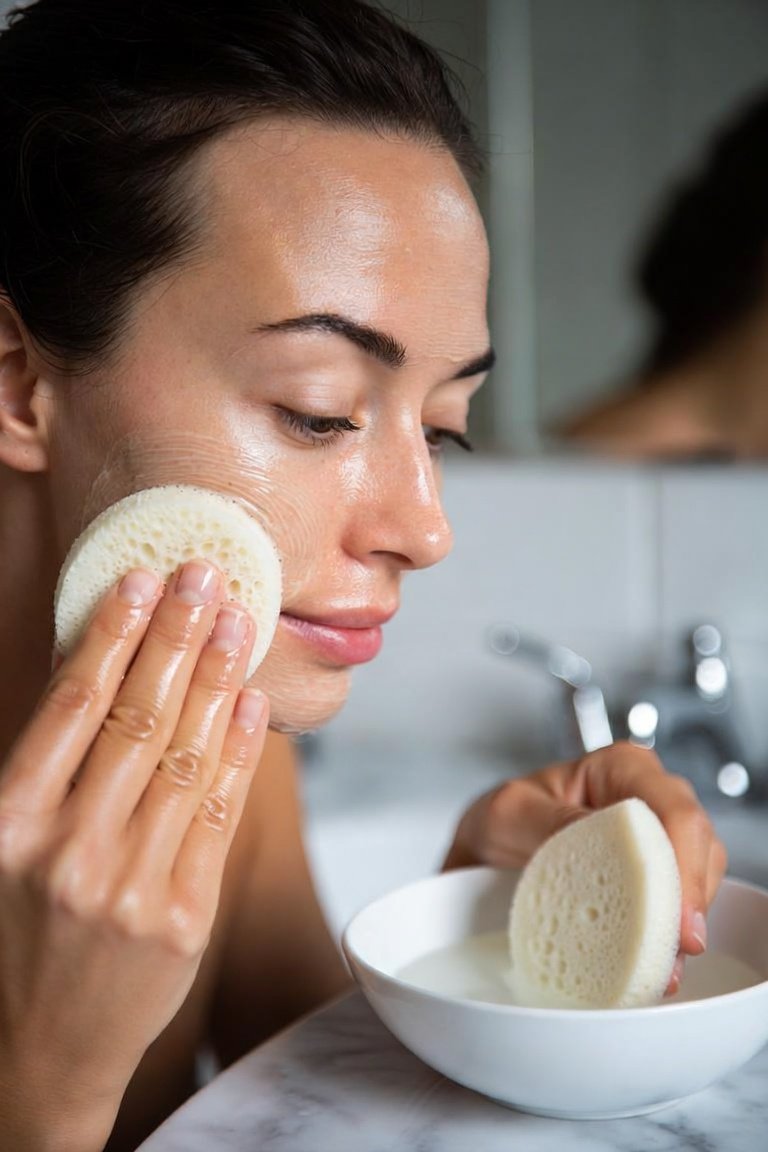
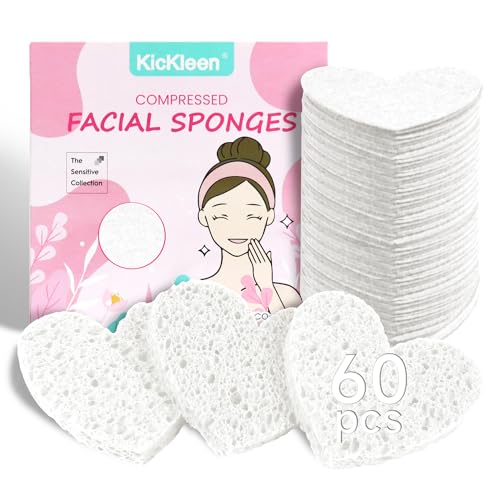
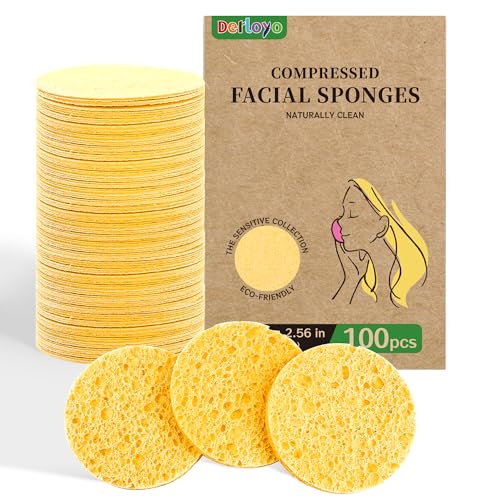
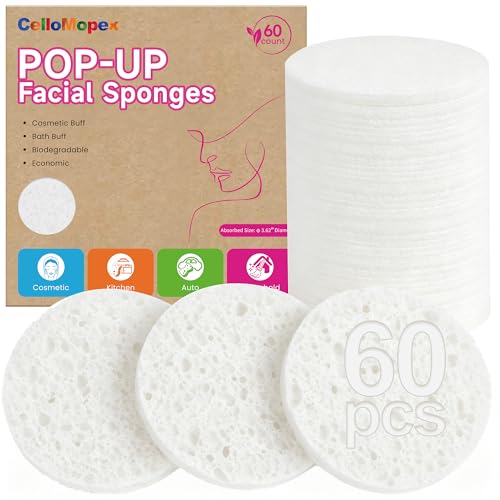
A cellulose facial sponge is a soft, porous cleaning pad made from cellulose fibers. Cellulose is a natural material derived mainly from wood pulp or cotton. When processed, it forms a lightweight, absorbent structure that feels gentle on the skin but is tough enough to remove dirt, oil, and makeup. Unlike plastic sponges, cellulose sponges are biodegradable and more environmentally friendly.
Many people use these sponges as part of their daily face washing routine. They are usually round or oval, small enough to fit in the palm, and expand when wet. Some brands add extra ingredients, such as charcoal or green tea, to offer additional skin benefits.


How Are Cellulose Facial Sponges Made?
The creation of a cellulose facial sponge involves several steps to ensure safety and performance:
- Sourcing cellulose: Manufacturers extract cellulose from renewable sources like wood pulp or cotton fibers.
- Dissolving and filtering: The cellulose is dissolved in a solution and filtered to remove impurities.
- Forming the sponge: The mixture is poured into molds and treated with steam or chemicals to form a sponge structure.
- Washing and drying: The sponges are washed thoroughly to remove any residues and then dried.
- Cutting and packaging: After drying, the sponges are cut into standard shapes and packaged for sale.
High-quality cellulose sponges do not contain harsh chemicals or artificial fragrances. This process ensures the product remains safe for sensitive skin.
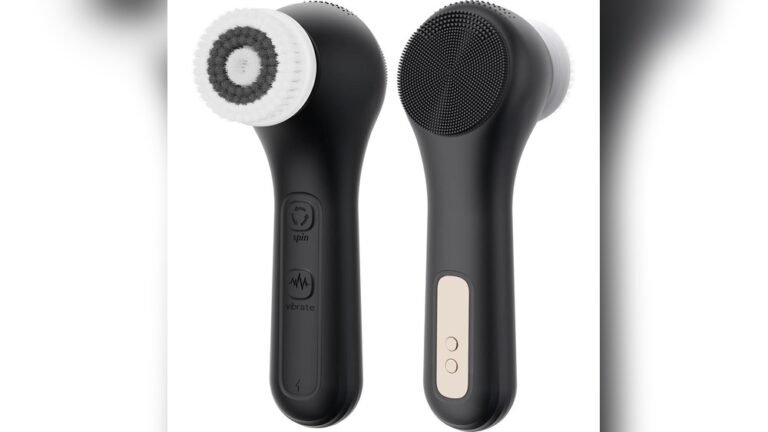
Also Read:Sonic Facial Cleansing Brush: Transform Your Skincare Routine Today
Key Benefits Of Using A Cellulose Facial Sponge
Many people wonder why they should use a cellulose facial sponge instead of just their hands or a washcloth. Here are the main advantages:
1. Gentle Exfoliation
The sponge’s texture removes dead skin cells without harsh scrubbing. This mild exfoliation helps your skin look brighter and smoother, and it can reduce clogged pores.
2. Better Cleansing
A cellulose sponge holds water and cleanser well, allowing you to create a rich lather. It lifts dirt, oil, and makeup more effectively than hands alone, leading to a deeper clean.
3. Suitable For Sensitive Skin
Because cellulose is soft and natural, these sponges are less likely to irritate the skin. People with conditions like eczema or rosacea often prefer them over rougher materials.
4. Eco-friendly Choice
Traditional sponges may contain plastic or synthetic fibers. In contrast, cellulose sponges break down naturally, reducing waste and environmental impact.
5. Cost-effective
Cellulose facial sponges are affordable and reusable. With proper care, one sponge can last for several weeks, making them a smart choice for budget-conscious users.
Different Types Of Cellulose Facial Sponges
Not all cellulose facial sponges are exactly the same. Here are some common types you may find:
Pure Cellulose Sponges
These are made from 100% cellulose, offering maximum softness and absorbency. They are ideal for those with allergies or sensitive skin.
Infused Cellulose Sponges
Some sponges contain added ingredients such as charcoal, green tea, or vitamin C. These help address specific skin concerns like oiliness or dullness.
Compressed Sponges
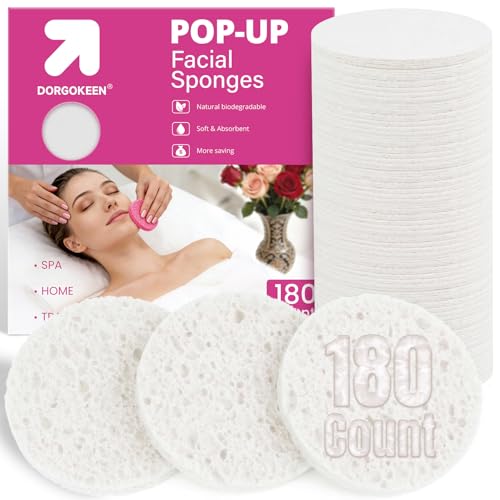
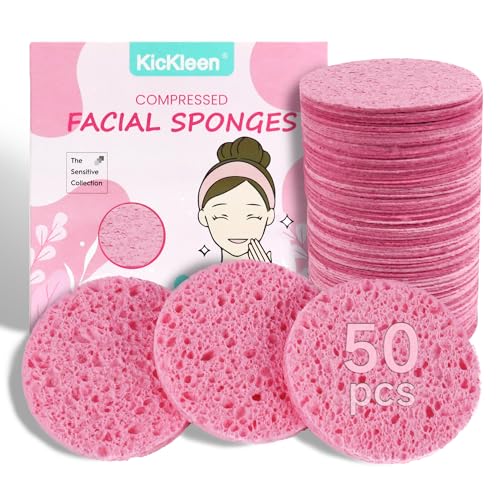
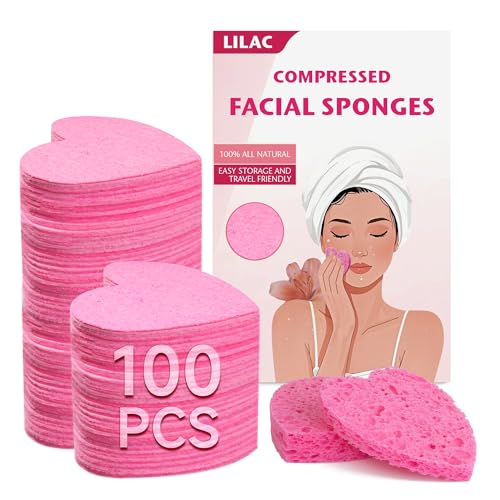
Sold flat and thin, these sponges expand when wet. They are great for travel or for professional use in salons and spas.
Shaped Sponges
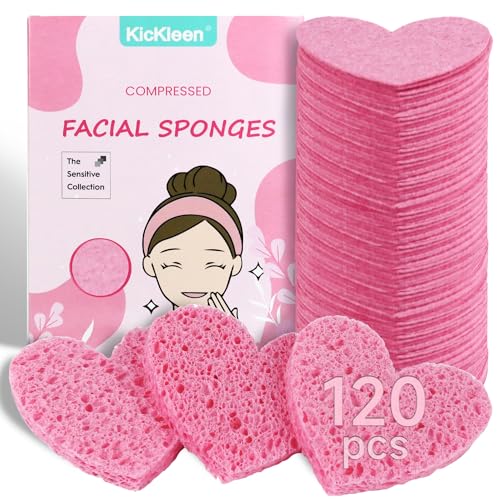
Some brands offer sponges in special shapes, such as hearts or stars, to make skincare more fun or to reach difficult areas of the face.
Cellulose Facial Sponge Vs. Other Cleansing Tools
It’s helpful to compare cellulose facial sponges to other popular cleansing tools. The table below shows some key differences.
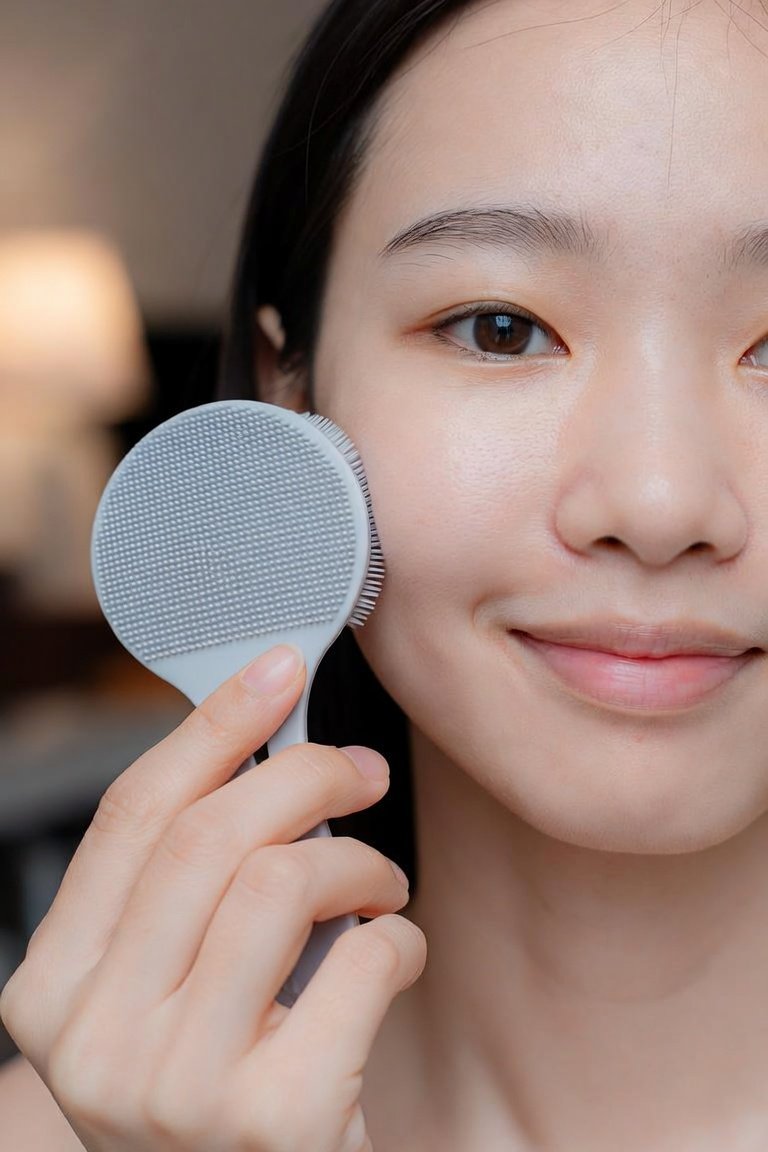
| Feature | Cellulose Facial Sponge | Silicone Brush | Washcloth |
|---|---|---|---|
| Material | Natural cellulose | Silicone | Cotton or synthetic |
| Eco-friendly | Yes | No | Sometimes |
| Exfoliation Level | Gentle | Medium to strong | Varies |
| Reusable | Yes (2-4 weeks) | Yes (months-years) | Yes (months) |
| Cost | Low | Medium to high | Low |
| Hygiene | Good with care | Excellent | Varies |
How To Use A Cellulose Facial Sponge
Using a cellulose facial sponge is simple, but there are a few steps to get the best results:
Step 1: Wet The Sponge
Always soak your sponge in warm water before use. This helps it soften and expand, making it comfortable on your skin.
Step 2: Apply Cleanser
You can apply your regular face wash to the sponge or directly to your damp skin. Both methods work.
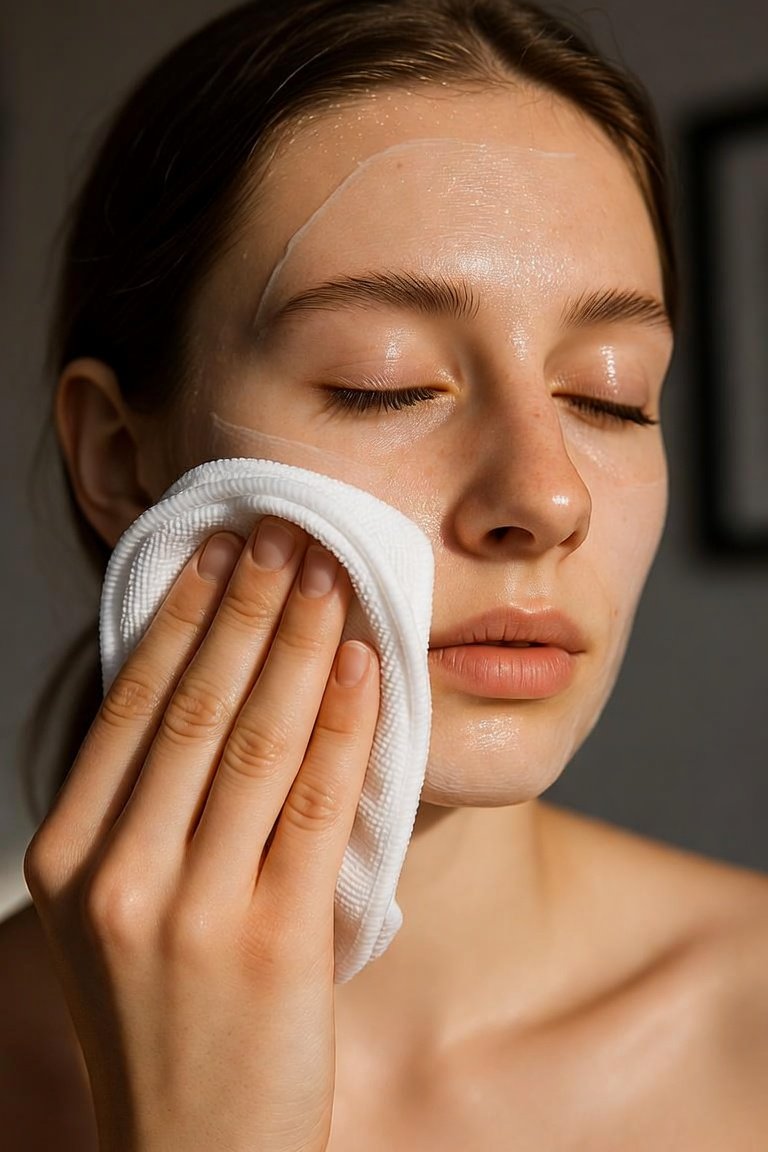
Step 3: Massage Your Face
Use gentle, circular motions to clean your face. Focus on areas that need extra attention, like the T-zone, but avoid scrubbing too hard.
Step 4: Rinse Thoroughly
After cleansing, rinse your face with cool water to remove any remaining cleanser.
Step 5: Clean The Sponge
Rinse the sponge under running water until it looks clean. Squeeze out excess water, but do not twist or wring the sponge, as this can damage its structure.
Step 6: Air Dry
Let the sponge dry completely in a well-ventilated area. Avoid leaving it in a damp place, as this can lead to bacteria growth.
Tips For Getting The Most From Your Cellulose Facial Sponge
A few small habits can make your sponge last longer and keep your skin healthier:
- Replace regularly: Change your sponge every 2–4 weeks or as soon as it shows signs of wear.
- Avoid sharing: Each person should use their own sponge to prevent spreading bacteria.
- Sanitize weekly: Soak the sponge in boiling water for a few minutes to kill germs.
- Store properly: Keep the sponge in a dry, open area, not inside a closed container.
Who Should Use A Cellulose Facial Sponge?
Cellulose facial sponges are suitable for almost everyone, but especially helpful for:
- People with sensitive skin who need gentle exfoliation
- Those who wear heavy makeup and want a deeper clean
- Eco-conscious users looking for biodegradable options
- Teenagers or adults dealing with oily or combination skin
However, people with open wounds, active acne lesions, or severe skin conditions should consult a dermatologist before using any exfoliating tool.
Common Mistakes To Avoid
Even a simple tool can be used incorrectly. Here are some frequent errors and how to fix them:
- Scrubbing too hard: Pressing down aggressively can irritate or damage the skin. Always use light, gentle strokes.
- Not cleaning the sponge: Skipping this step allows bacteria to grow, which can cause breakouts.
- Using one sponge too long: Old sponges may hold germs and lose effectiveness. Replace them on schedule.
- Not drying completely: Damp sponges are a breeding ground for mold and bacteria. Air dry thoroughly.
- Using harsh cleansers: Pair your sponge with mild, non-abrasive cleansers to protect your skin barrier.
Comparing Cellulose Facial Sponges To Konjac Sponges
Many people confuse cellulose facial sponges with konjac sponges. Both are natural and biodegradable, but they have some differences. Here’s a quick comparison:
| Feature | Cellulose Sponge | Konjac Sponge |
|---|---|---|
| Source | Wood pulp or cotton | Konjac root (plant) |
| Texture | Smooth, soft | Gel-like, softer |
| Absorbency | High | Moderate |
| Price | Low | Medium |
| Best for | Daily cleansing, mild exfoliation | Very sensitive or dry skin |
When And How To Replace Your Sponge
A cellulose facial sponge is not meant to last forever. Most people should replace their sponge every 2 to 4 weeks. If you notice the sponge starts to smell, changes color, or falls apart, it’s time to get a new one.
Some signs you need a replacement:
- The sponge does not return to its original shape when wet
- It feels slimy or sticky even after washing
- There are visible spots or mold
If you are using the sponge for removing makeup, you may want to replace it more often to avoid buildup.
Are Cellulose Facial Sponges Safe For All Skin Types?
Generally, cellulose sponges are safe for most skin types. They are especially popular among people with sensitive or combination skin because they are less abrasive than many other tools. However, everyone’s skin reacts differently, and a small number of people may experience irritation.
If you have a known allergy to wood or cotton, check the ingredient list to make sure the sponge is safe for you. Always do a patch test first if you are unsure.
Some people with severe acne, eczema, or rosacea may need to avoid any exfoliating tool during flare-ups. In these cases, talk to a skin care professional before trying a new product.
Cleaning And Caring For Your Cellulose Facial Sponge
Keeping your sponge clean is essential for healthy skin and longer sponge life. Here are some practical care tips:
Daily Cleaning
After each use, rinse the sponge under warm running water. Squeeze out excess water gently and let it air dry in a clean, open space.
Weekly Deep Cleaning
Once a week, you can disinfect your sponge by:
- Boiling it in water for 2–3 minutes
- Soaking it in a bowl with a few drops of white vinegar and water for 10 minutes, then rinsing
Never use bleach or harsh chemicals, as these can damage the sponge and leave residues that irritate skin.
Proper Storage
Avoid storing your sponge in the shower or a closed container. Instead, hang it or place it on a rack where air can circulate.
Environmental Impact: Why Choose Cellulose?
Choosing a cellulose facial sponge is not only good for your skin but also better for the planet. Traditional face sponges and cleansing pads are often made from synthetic materials like polyurethane, which do not break down easily.
Cellulose, on the other hand, comes from renewable sources and is biodegradable. When disposed of properly, it returns to the earth without leaving harmful residues.
According to the US Environmental Protection Agency, reducing single-use plastics and synthetic materials in personal care products can significantly lower waste in landfills and oceans. For those wanting to make small eco-friendly choices, switching to cellulose sponges is a practical step.
How To Choose The Right Cellulose Facial Sponge
With many options available, picking the right sponge may feel confusing. Here are some factors to consider:
1. Skin Type
- Sensitive skin: Choose pure cellulose without added fragrances or colors.
- Oily skin: You may prefer a sponge infused with charcoal or green tea.
- Dry skin: Look for sponges that are extra soft and avoid rough textures.
2. Size And Shape
Smaller sponges are good for detail work around the nose and eyes, while larger ones cover the whole face quickly.
3. Additives
Some sponges include ingredients like aloe vera or vitamin E for extra benefits. Make sure you’re not allergic to any additives.
4. Packaging
Select brands that use minimal or recyclable packaging to maximize your environmental impact.
Diy Facial Masks With A Cellulose Sponge
A cellulose facial sponge isn’t just for cleaning. You can also use it to apply and remove facial masks, making at-home spa days easier.
How To Use:
- Apply your favorite mask as usual.
- Dampen the sponge with warm water.
- Use the sponge to gently wipe away the mask after the recommended time.
- Rinse the sponge thoroughly after use.
This method is less messy and helps remove all traces of mask from your skin.
Real-life Examples: Who Uses Cellulose Facial Sponges?
Many beauty professionals, estheticians, and makeup artists rely on cellulose sponges during facials and makeup removal. For example:
- Estheticians often use compressed cellulose sponges to remove cleansers, exfoliants, and masks in spas. Their gentle touch is suitable for clients with all skin types.
- Makeup artists keep these sponges in their kits to clean up foundation or correct makeup mistakes without irritating the skin.
- People with acne-prone skin find that using a clean, new sponge each week can reduce breakouts compared to using washcloths or hands.
Where To Buy Cellulose Facial Sponges
You can find cellulose facial sponges in most beauty supply stores, pharmacies, and online. Look for brands that clearly state their ingredients and have good user reviews.
Buying in packs can save money, especially if you plan to replace your sponge often. Some eco-friendly companies also offer sponges with minimal packaging.
For safety, avoid sponges with unknown additives or artificial colors, as these may not be skin-safe.
Cost And Value Compared To Other Tools
On average, a single cellulose facial sponge costs between $1 and $3. In comparison:
- High-quality silicone brushes can cost $10–$30
- Konjac sponges usually range from $5–$10
- Washcloths are about $2–$5 each but may not offer the same gentle exfoliation
Because you replace cellulose sponges regularly, the cost over a year is still low, especially considering their skin and environmental benefits.
Are There Any Risks Or Drawbacks?
No tool is perfect for everyone. Some possible drawbacks include:
- Short lifespan: Needs replacing often, which may be inconvenient for some.
- Potential for bacteria: If not cleaned and dried properly, sponges can harbor bacteria.
- Not for broken skin: Should not be used on open wounds or severe acne.
However, these risks are easy to manage with good hygiene and regular replacement.
Cellulose Facial Sponge In Professional Skincare
Many spas and dermatology clinics use cellulose facial sponges for their clients. They are preferred because:
- They are disposable or single-use, reducing cross-contamination risks.
- Soft texture is suitable for post-procedure skin (like chemical peels).
- Easy to sanitize in bulk with boiling water.
Some professionals cut larger sponges into smaller pieces for each client, ensuring the highest level of hygiene.
Popular Myths About Cellulose Facial Sponges
Let’s clear up some common myths:
Myth 1: Sponges Are Too Harsh
In reality, cellulose facial sponges are much gentler than most scrubs or brushes. When used correctly, they are suitable for daily use.
Myth 2: They Don’t Clean Well
Because of their absorbency, cellulose sponges actually lift away more dirt and oil than hands alone.
Myth 3: Only For Women
Anyone can use a cellulose facial sponge, regardless of gender. Men with oily or rough skin may also benefit from gentle exfoliation.
Myth 4: Only For The Face
While they are designed for facial use, these sponges can also clean the neck, décolleté, or even hands before a manicure.
Sustainable Disposal: What To Do With Old Sponges
Once your cellulose sponge reaches the end of its life, there are eco-friendly ways to dispose of it:
- Compost: Most pure cellulose sponges can go in your compost bin.
- Household cleaning: Use old sponges to clean sinks, counters, or shoes before final disposal.
- Art projects: Kids can use sponges for painting or crafts.
Always check for added dyes or chemicals before composting, as some ingredients may not be biodegradable.
Data And Trends: Rising Popularity Of Cellulose Facial Sponges
Interest in cellulose facial sponges has grown with the rise in eco-friendly beauty products. According to a 2026 survey by Statista, over 35% of US skincare buyers prefer tools made from natural materials.
Social media platforms like Instagram and TikTok feature thousands of posts and reviews about these sponges, showing their popularity among younger users. Beauty experts on YouTube often recommend cellulose sponges for gentle, daily exfoliation.
As more people seek sustainable beauty choices, sales of cellulose sponges continue to rise in both online and physical stores.
What Beginners Usually Miss
Many new users overlook a few important points:
- Pre-soaking is essential: Using the sponge dry can feel rough and scratchy. Always wet it first.
- Replace more often if acne-prone: Changing your sponge every 1–2 weeks can prevent breakouts if you have oily or acne-prone skin.
- Don’t over-exfoliate: Even though the sponge is gentle, daily use with harsh cleansers can irritate some skin types.
Additional Uses For Cellulose Facial Sponges
Besides daily cleansing, you can use cellulose facial sponges for:
- Removing face masks: Less messy than using hands or towels.
- Travel: Compressed sponges are light and easy to pack.
- Spa parties: Affordable for group facials at home.
Expert Advice: Getting The Best Results
To get the most from your cellulose facial sponge:
- Use lukewarm water, not hot, to avoid damaging the sponge or your skin.
- Pair with a gentle, sulfate-free cleanser.
- Massage for 30–60 seconds—long enough for a deep clean but not so long you irritate your skin.
If you want more details on the science of cellulose, check the Wikipedia entry on cellulose.
Frequently Asked Questions
How Often Should I Replace My Cellulose Facial Sponge?
For best results, replace your sponge every 2–4 weeks. If you notice any bad smell, discoloration, or the sponge breaking apart, change it sooner. People with acne-prone skin may want to replace it even more often.
Can I Use A Cellulose Facial Sponge With Exfoliating Cleansers?
Yes, but use caution. Cellulose sponges already provide gentle exfoliation. If your cleanser contains scrubbing particles or acids, use the sponge less often to avoid irritation.
Are Cellulose Facial Sponges Safe For Children Or Teens?
Yes, as long as they are used gently and cleaned properly. Many teens find these sponges help with oily or combination skin, but they should avoid scrubbing too hard.
Can I Use A Cellulose Facial Sponge To Remove Eye Makeup?
Yes, but be gentle around the delicate eye area. Use a soft sponge and avoid rubbing, which can cause redness or irritation.
Do Cellulose Facial Sponges Harbor Bacteria?
Like all reusable skincare tools, sponges can hold bacteria if not cleaned and dried properly. Rinse thoroughly after each use, air dry, and disinfect weekly to keep your sponge safe.
A cellulose facial sponge is a simple, effective, and eco-friendly addition to any skincare routine. With proper care, it can help you achieve cleaner, smoother, and healthier skin while making a positive impact on the environment. Whether you are a skincare beginner or a seasoned beauty lover, these sponges offer real value, gentle results, and a small step toward a greener planet.