Setting Powder Brush: Achieve Flawless Makeup Every Time
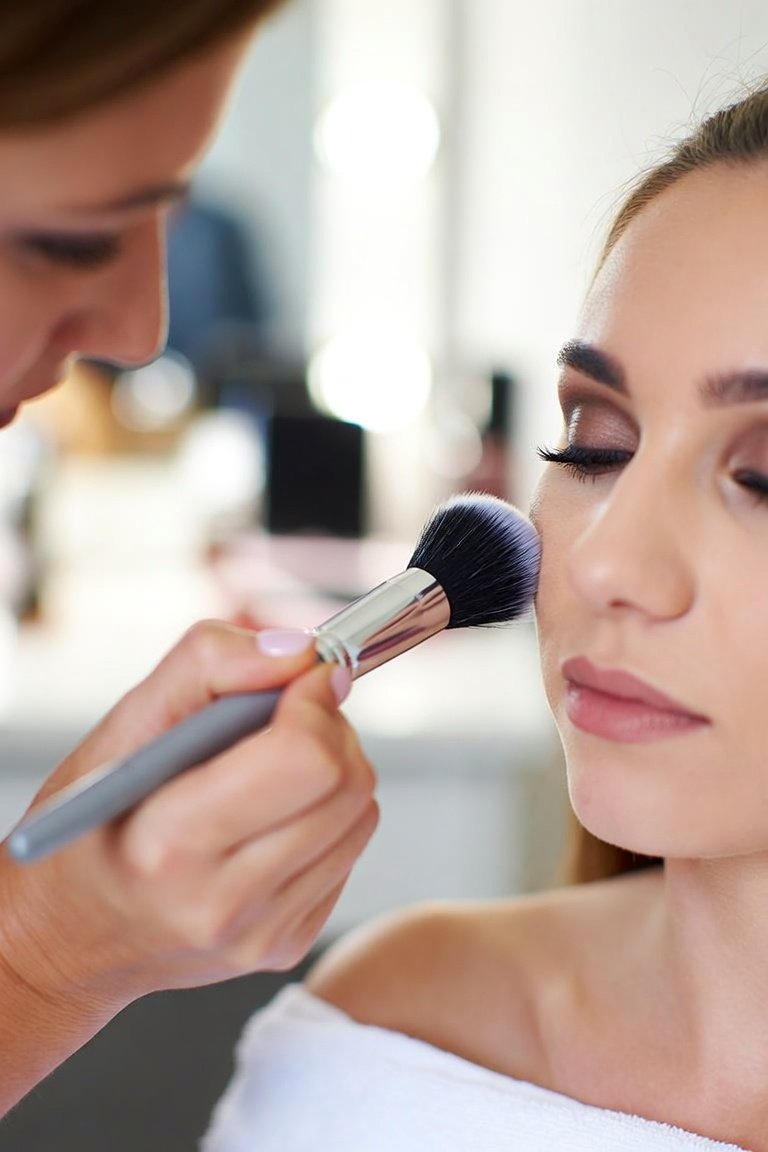
The right tools can make all the difference in makeup. One tool that often gets overlooked is the setting powder brush. It’s easy to focus on foundation, lipstick, or mascara, but a setting powder brush is a silent hero. This brush helps lock in your makeup, control shine, and give your skin a flawless finish. Whether you’re new to makeup or a seasoned beauty lover, understanding how to choose, use, and care for a setting powder brush can elevate your routine. Let’s dive into what makes this brush so important and how you can get the best results.
What Is A Setting Powder Brush?
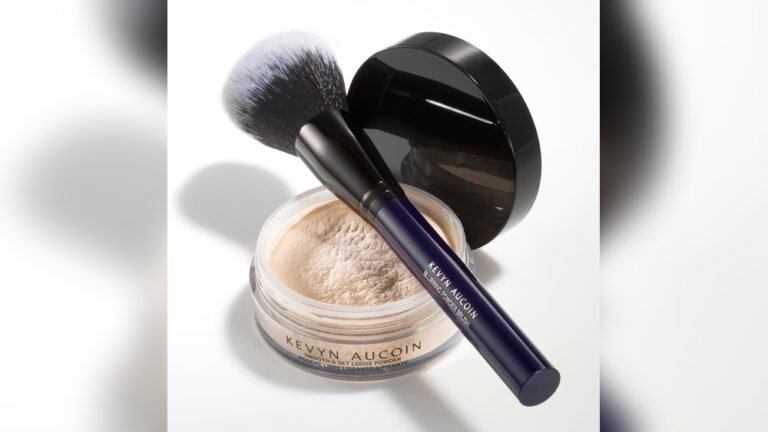
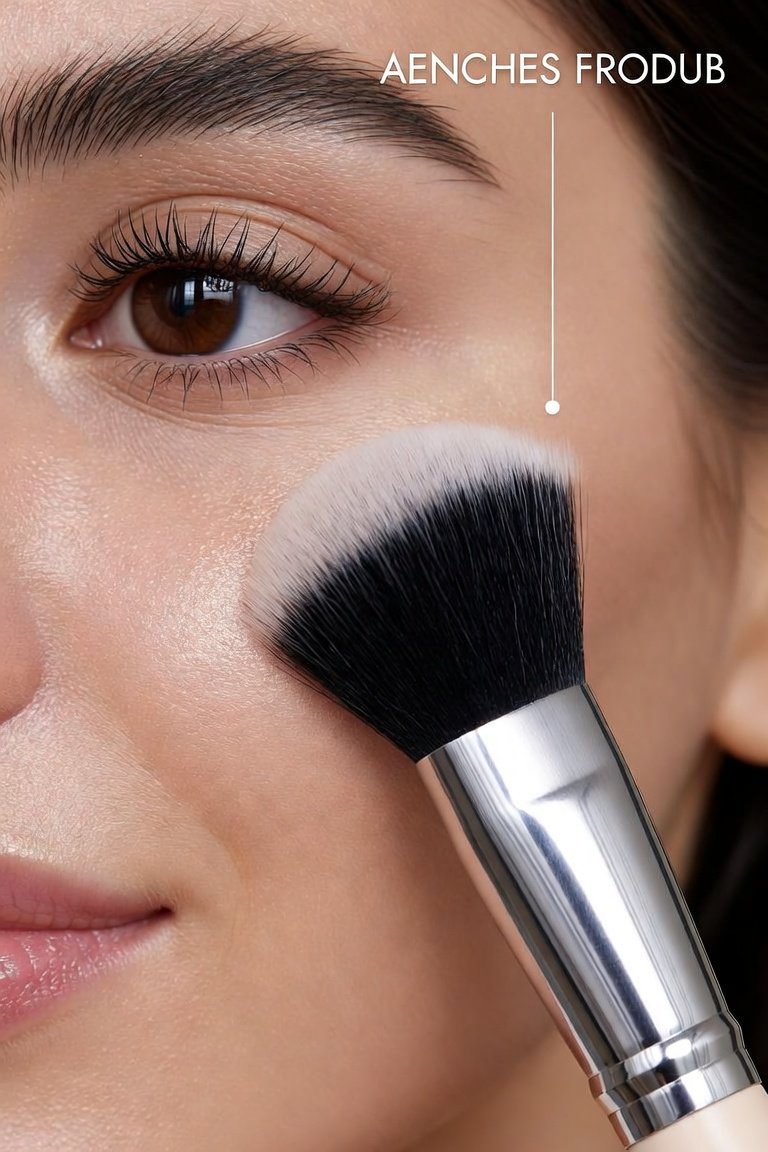
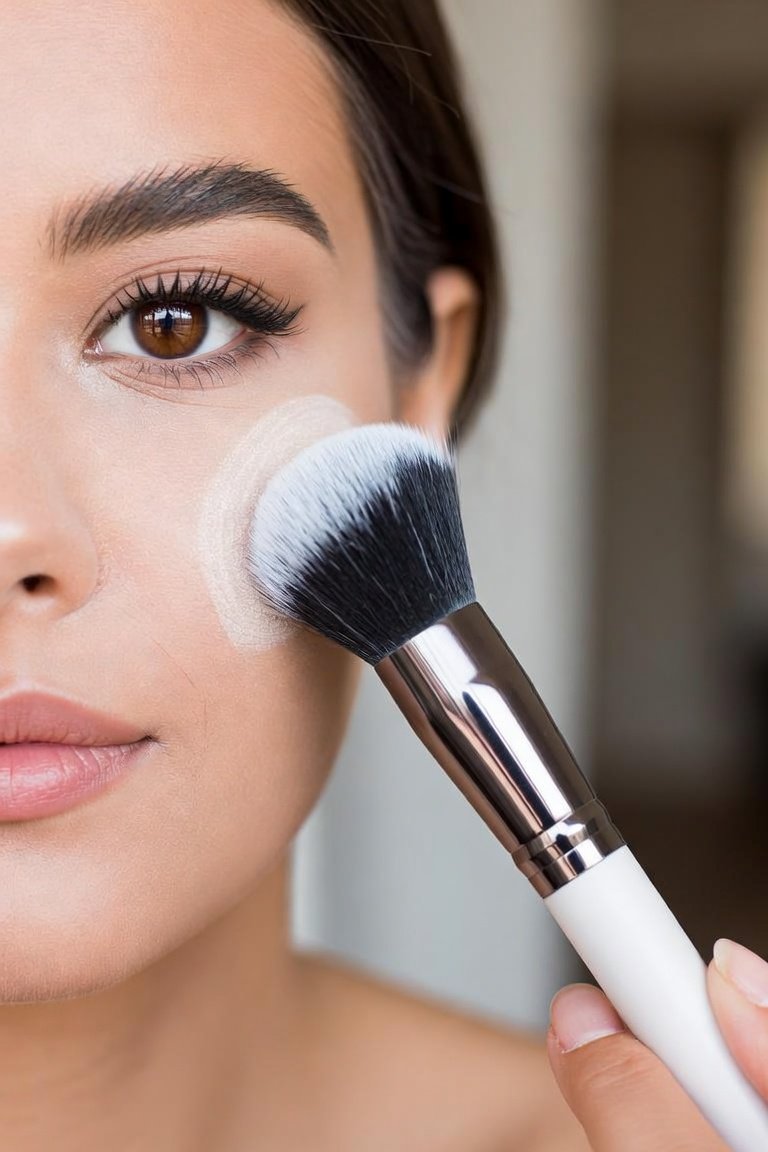
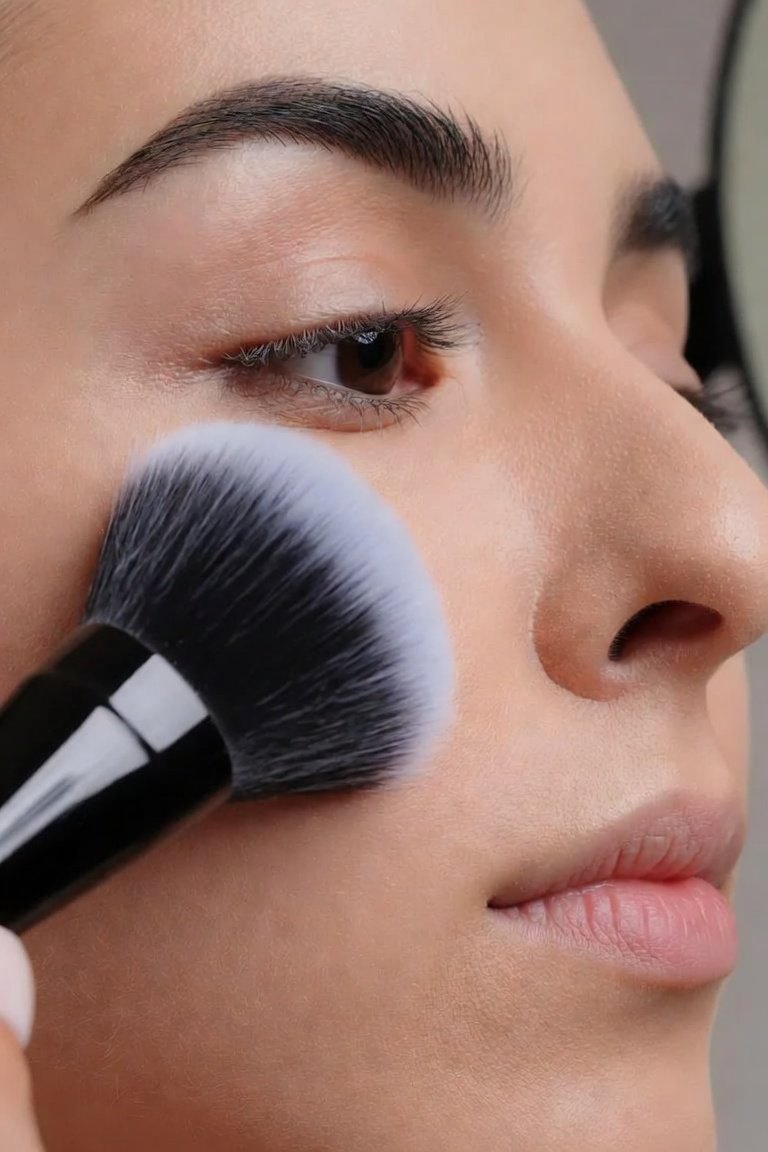
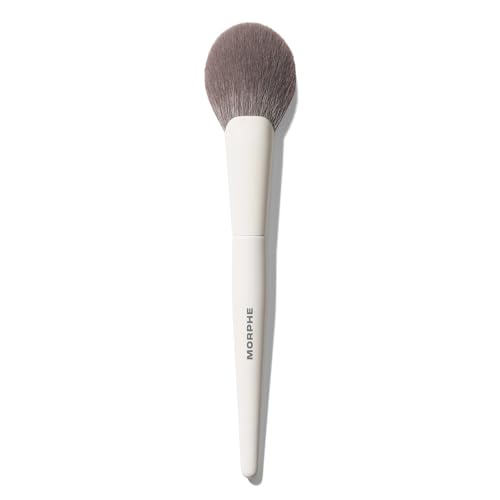
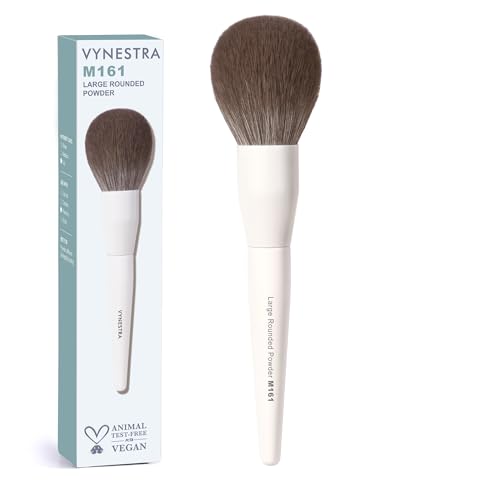
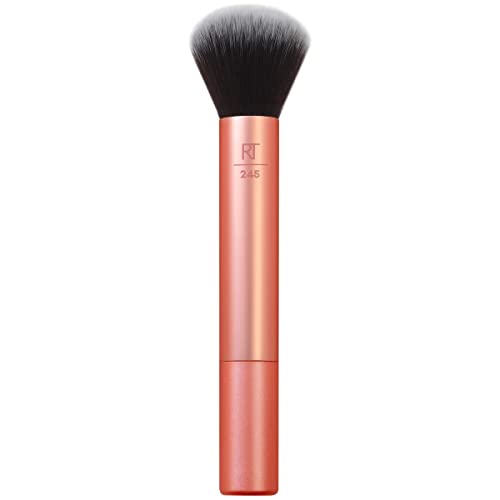
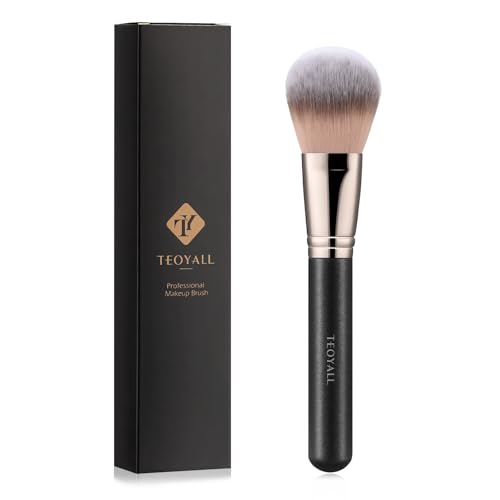
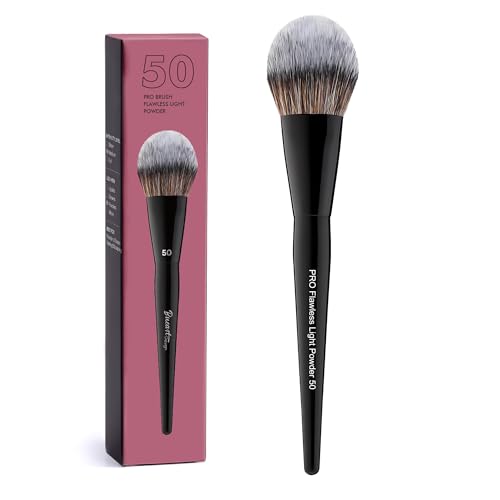
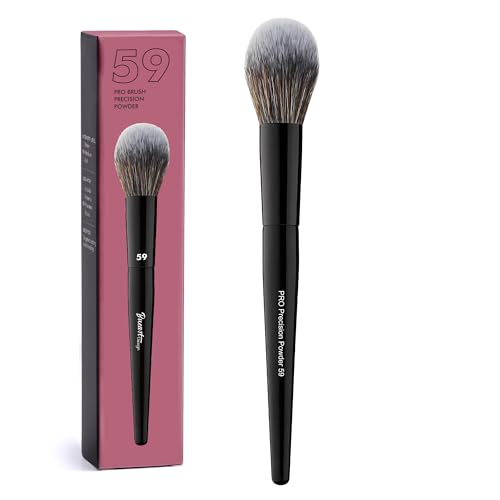
A setting powder brush is a makeup brush designed to apply loose or pressed powder. Its main purpose is to set foundation and concealer, making your makeup last longer and look smoother. The brush is usually large, fluffy, and soft, with densely packed bristles. This shape allows for even distribution of powder without disturbing your base makeup. Unlike smaller brushes, a setting powder brush covers large areas quickly and blends powder seamlessly.
Most brushes are made from either synthetic fibers or natural hair. Synthetic brushes are more common today, as they are cruelty-free and easier to clean. Natural hair brushes are softer and can pick up more product, but they require more care.
Why Setting Powder Matters
Setting powder is essential for finishing your makeup. It absorbs excess oil, reduces shine, and prevents foundation from moving or creasing. When you apply powder with a good brush, you get a smooth, matte finish that lasts for hours. Powders can also blur pores and fine lines, making your skin look airbrushed.
Some beginners think powder is only for oily skin. But even dry or combination skin types benefit from setting powder. It keeps makeup in place and helps avoid patchiness or fading. The secret is using the right amount and the right brush.
Types Of Setting Powder Brushes
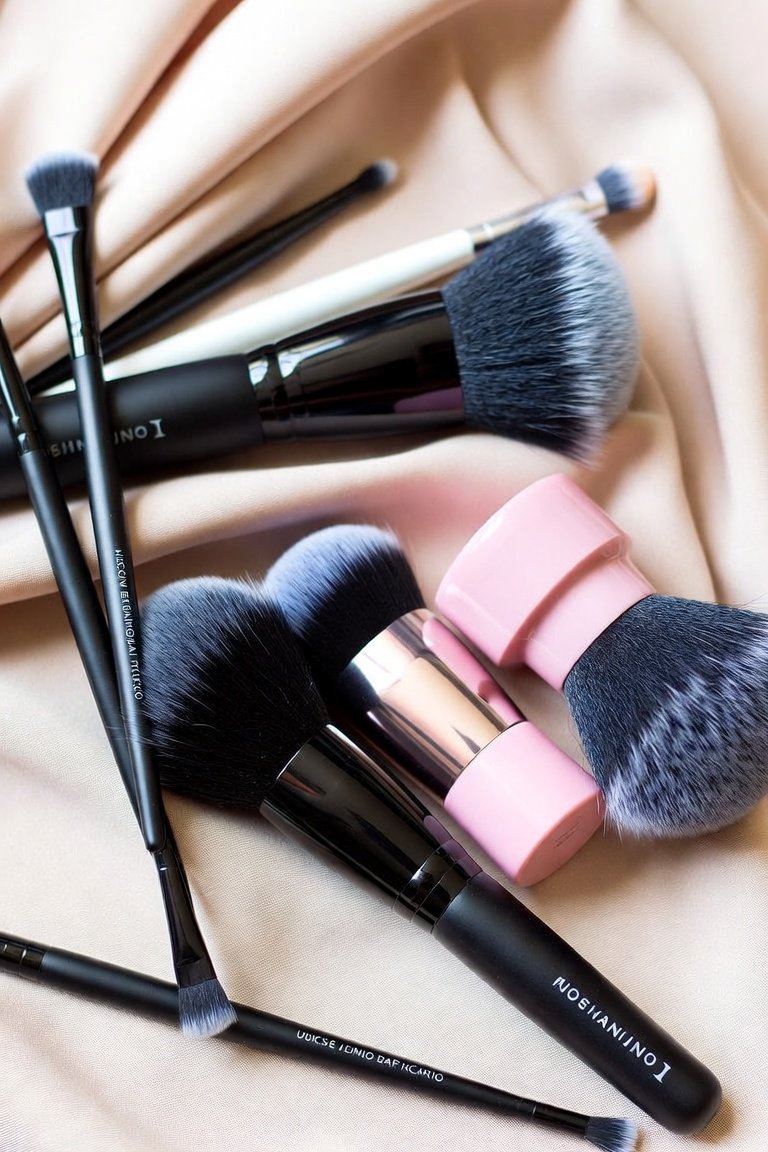
There isn’t just one kind of setting powder brush. Different shapes and sizes suit different needs. Here are the most common types:
- Large fluffy brush: The classic option for all-over powder application. It’s big and rounded, perfect for sweeping powder across the face.
- Tapered brush: Has a slightly pointed tip. Great for reaching under the eyes or around the nose.
- Flat top brush: Has a flat surface. Useful for pressing powder into the skin for extra staying power.
- Fan brush: Very thin and spread out. Used for light dusting and removing excess powder.
- Kabuki brush: Short and dense. Delivers a heavier application, suitable for baking or setting makeup with more product.
Each brush type offers a different finish and coverage. Choosing the right one depends on your skin type, makeup style, and personal preference.
How To Choose The Right Setting Powder Brush
Picking the best brush can feel confusing. Here are key factors to consider:
Bristle Material
- Synthetic bristles: Affordable, easy to clean, suitable for most powders. They don’t absorb much product.
- Natural hair bristles: Softer and give a luxurious feel. They can hold more powder but are harder to maintain.
Brush Shape
- Round/fluffy: Good for quick, light application.
- Tapered: Better for precise powder placement.
- Flat top: Ideal for pressing powder onto oily spots.
Handle Length
- Long handle: Offers better control and reach.
- Short handle: Easier to travel with, good for quick touch-ups.
Brand And Price
High-end brushes often use better materials and last longer, but budget options can work well. It’s more important to focus on brush quality than price alone.
Comparison Table: Brush Types
Here’s a quick overview of popular setting powder brush types:
| Brush Type | Shape | Best For | Coverage |
|---|---|---|---|
| Large Fluffy | Round, full | All-over powder | Light to medium |
| Tapered | Pointed tip | Precision (eyes, nose) | Medium |
| Flat Top | Flat surface | Pressing powder | Medium to heavy |
| Fan | Thin, wide | Light dusting | Light |
| Kabuki | Short, dense | Baking, heavy setting | Heavy |
How To Use A Setting Powder Brush
Getting the best results depends on technique. Here’s how to use your brush for a flawless finish:
- Pick up powder: Dip your brush lightly into loose or pressed powder. Tap off excess to avoid too much product.
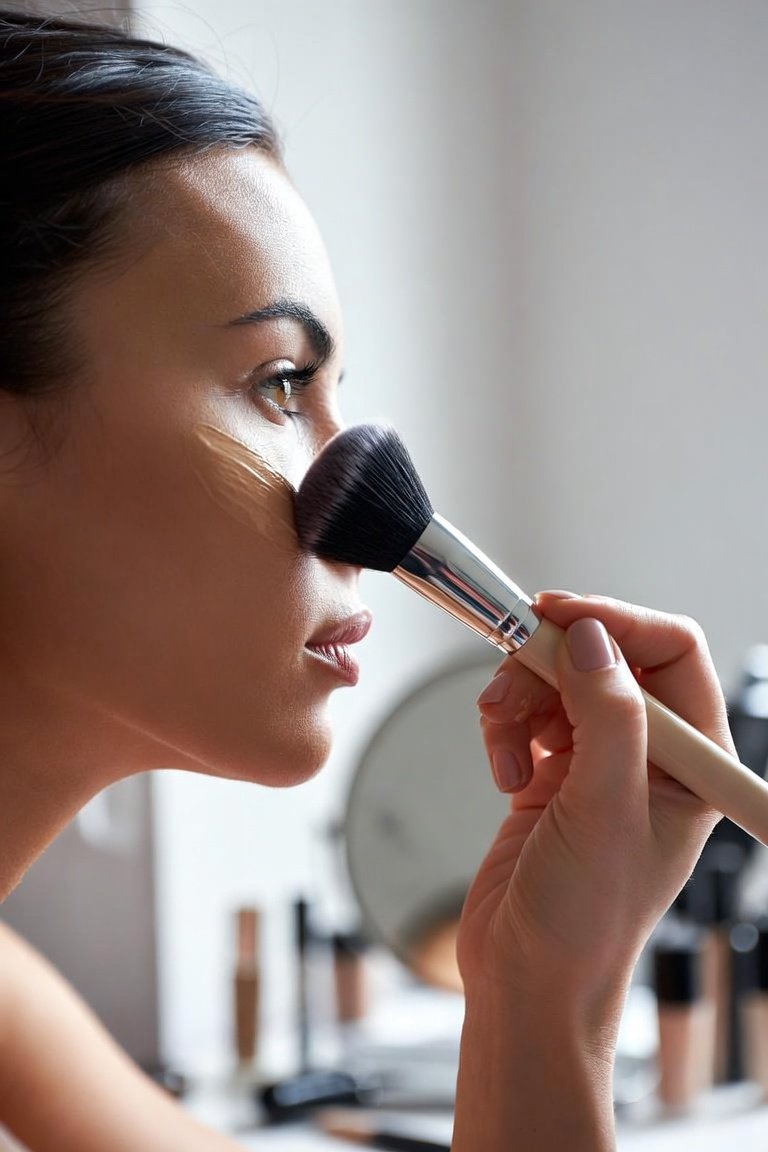
- Apply powder: Start from the center of your face (forehead, nose, chin) and sweep outward. Use gentle motions—don’t press too hard.
- Blend: Move the brush in circular or sweeping motions. Make sure powder covers all areas evenly.
- Focus on oily spots: If your skin is oily, press powder onto these areas using a flat top or kabuki brush.
- Touch up as needed: Carry your brush for midday touch-ups. Avoid piling on too much powder.
Pro Tips For Beginners
- Use less powder than you think. Too much can look cakey.
- Clean your brush regularly to prevent breakouts.
- For a natural look, use a fluffy brush and a light hand.
- If you use “baking” (heavy powder under eyes), switch to a dense brush.
Common Mistakes To Avoid
Many people make simple mistakes with their setting powder brush. Here’s what to watch out for:
- Using a dirty brush: Old makeup and oil build up, causing patchy application and skin irritation.
- Applying too much powder: Leads to a heavy, unnatural look. Always tap off excess.
- Wrong brush for your powder: Some powders work better with a specific brush shape.
- Skipping blending: Unblended powder sits on top of skin and looks obvious.
- Neglecting the brush’s quality: Cheap brushes shed bristles and don’t distribute powder evenly.
These mistakes are easy to fix. Focus on the basics: clean brush, right amount of powder, proper blending.
Setting Powder Brush Vs. Other Brushes
Many brushes look similar, but each has its own job. It’s easy to confuse a setting powder brush with a blush, bronzer, or foundation brush. Here’s how they differ:
- Setting powder brush: Large, fluffy, meant for a light, even layer.
- Blush brush: Smaller, rounded, designed for color placement on cheeks.
- Bronzer brush: Slightly bigger than blush, often angled for contouring.
- Foundation brush: Dense, flat or rounded, used for liquid products.
Comparison Table: Powder Brush Vs. Other Brushes
| Brush | Shape | Use | Product Type |
|---|---|---|---|
| Setting Powder | Large, fluffy | Set makeup | Loose/pressed powder |
| Blush | Small, rounded | Apply blush | Powder blush |
| Bronzer | Angled/large | Contour, bronze | Powder bronzer |
| Foundation | Dense, flat/rounded | Apply foundation | Liquid/cream |
Best Practices For Cleaning And Caring For Your Setting Powder Brush
A clean brush is essential for both your skin and your makeup. Dirty brushes can cause breakouts and affect the way powder sits on your skin. Here’s how to care for your brush:
Cleaning Steps
- Rinse bristles: Use lukewarm water. Keep handle dry.
- Apply gentle soap: Use mild shampoo or brush cleanser. Massage into bristles.
- Rinse thoroughly: Remove all soap and makeup residue.
- Squeeze out water: Gently press bristles—do not twist or pull.
- Reshape and dry: Lay flat on a towel. Never stand the brush upright when wet.
How Often To Clean
- For daily use: Clean once a week.
- For occasional use: Clean every 2-3 weeks.
Storage Tips
- Store in a dry area.
- Use a brush holder or pouch to keep bristles safe.
- Avoid leaving brushes loose in bags—they can bend or break.
Popular Setting Powder Brush Brands
Some brands are known for their quality brushes. Here are a few favorites among makeup artists and enthusiasts:
- Real Techniques: Affordable, soft, synthetic bristles.
- Sigma Beauty: Known for durability and shape variety.
- EcoTools: Eco-friendly, cruelty-free, good for sensitive skin.
- MAC Cosmetics: Professional-grade, both synthetic and natural options.
- Morphe: Trendy, budget-friendly, wide range.
- IT Cosmetics: High-end, ultra-soft, ergonomic handles.
These brands offer brushes for every budget. When shopping, check reviews and look for brushes with strong handles and soft bristles.
How To Use Setting Powder Brush For Different Skin Types
Different skin types need different powder techniques.
Oily Skin
- Use a flat top or kabuki brush to press powder into oily spots.
- Choose mattifying powders.
- Focus on T-zone (forehead, nose, chin).
Dry Skin
- Use a fluffy brush for a light application.
- Pick hydrating or finely milled powders.
- Avoid pressing powder too hard.
Combination Skin
- Apply more powder to oily areas.
- Use a tapered brush for precision.
- Blend lightly on dry spots.
Sensitive Skin
- Use synthetic brushes, as they’re less likely to cause irritation.
- Clean brushes more often.
- Choose powders with minimal fragrance.
Setting Powder Brush For Different Powder Types
Not all powders are the same. Here’s how to match your brush with the powder:
- Loose powder: Needs a fluffy, large brush for even coverage.
- Pressed powder: Works with both fluffy and flat brushes.
- Translucent powder: Use a soft brush for light application.
- Tinted powder: Use a denser brush for more color payoff.
Some powders are very fine and can fly everywhere if you use a stiff brush. Always start with less powder and build up as needed.
Setting Powder Brush For Advanced Techniques
As you get more comfortable, you can use your brush for advanced makeup techniques.
Baking
Baking is applying thick powder under the eyes or cheeks and letting it sit for several minutes. Use a dense brush for placing powder, then a fluffy brush to sweep off excess.
Touch-ups
For midday shine, use a mini powder brush to apply powder only where needed.
Layering
Layer powder over foundation, blush, or bronzer with a setting powder brush to blend everything.
Setting Powder Brush For Travel
If you travel or need touch-ups on the go, choose a travel-sized brush. Look for retractable handles or brush caps. Short-handled brushes fit easily into makeup bags and give quick fixes.
Data: How Brush Quality Affects Makeup Longevity
Research shows that brush quality affects how long your makeup lasts. A survey of 500 makeup users found:
- 72% noticed longer-lasting makeup with a high-quality brush.
- 68% reported fewer patchy spots.
- 54% had fewer breakouts with regular brush cleaning.
Quality brushes distribute powder more evenly, leading to better results.
Real-world Example: Makeup Artist Tips
Professional makeup artists use setting powder brushes to get flawless results. For example, an artist preparing a bride uses a fluffy brush to set foundation and a tapered brush for the under-eye area. They always clean brushes before each use and check lighting to make sure powder is blended.
A common pro trick is to use two brushes: one for all-over powder and one for precision. This gives better control and a more polished look.
Setting Powder Brush Myths
Some myths can confuse beginners:
- “Any brush works for powder.” Not true. The wrong brush can cause streaks or uneven coverage.
- “You must use a natural hair brush.” Synthetic brushes are just as good and are easier to clean.
- “More powder means longer wear.” Too much powder can crack and look heavy.
How To Spot A High-quality Setting Powder Brush
Quality matters more than price. Look for:
- Soft bristles: Should feel gentle, not scratchy.
- Strong handle: No wobbling or loose parts.
- Dense but flexible head: Holds shape but moves easily.
- No shedding: Bristles should stay put.
If possible, touch the brush before buying. Online reviews help, but in-person testing is best.
Setting Powder Brush For Men
Men who use makeup need setting powder brushes too. The same rules apply: use a fluffy brush for a light finish, clean regularly, and choose synthetic bristles for easy care.
Sustainable And Eco-friendly Brushes
Eco-conscious buyers can choose brushes made from recycled materials or bamboo handles. Brands like EcoTools offer brushes that are both eco-friendly and effective.
Innovations In Setting Powder Brushes
Brush technology is improving. New brushes have:
- Ergonomic handles: Easier to grip and use.
- Antimicrobial bristles: Reduce bacteria growth.
- Multi-purpose heads: Can apply powder, blush, or bronzer.
Some brushes are now sold with travel caps or cases. Innovations help brushes last longer and give better results.
Setting Powder Brush For Photos And Events
For special events or photos, setting powder brush is key. Use a dense brush for extra powder to avoid shine. Blend well, and check your face in different lights. This prevents flashback (white patches in photos).
Pricing Guide: What To Expect
Brushes range from $5 to $50. Basic brushes work fine for daily use, but investing in a $20–$30 brush can improve your results and last longer. Luxury brushes can cost more but may not be necessary for beginners.
Pricing Comparison Table
| Brand | Material | Average Price | Longevity |
|---|---|---|---|
| Real Techniques | Synthetic | $10–$15 | 1–2 years |
| MAC Cosmetics | Natural/Synthetic | $30–$40 | 3–5 years |
| EcoTools | Synthetic | $8–$12 | 1–2 years |
| IT Cosmetics | Synthetic | $25–$35 | 3–4 years |
| Morphe | Synthetic | $6–$15 | 1–2 years |
Non-obvious Insights
One insight beginners miss is that brush density affects powder pickup. A dense brush grabs more powder, which can be good for oily skin but bad for dry skin. Another insight: brush shape changes how much powder you apply. For a soft-focus finish, use a rounded brush. For heavy coverage, use a flat or dense brush.
Mistakes When Buying Setting Powder Brush
Don’t just buy the cheapest brush. Many low-cost brushes shed bristles quickly or feel rough. Avoid brushes with weak handles—they break easily. Also, don’t buy brushes that are too small; they make powder application slow and uneven.
External Resource
For more tips on choosing the right makeup brush, see this Wikipedia article.
Frequently Asked Questions
What Is The Difference Between A Setting Powder Brush And A Foundation Brush?
A setting powder brush is large and fluffy, meant for applying powder lightly across the face. A foundation brush is dense and flat or rounded, used for blending liquid or cream foundation. Using the wrong brush can affect how your makeup looks and wears.
How Often Should I Clean My Setting Powder Brush?
Clean your brush once a week if you use it daily. If you only use it occasionally, clean every 2–3 weeks. Regular cleaning prevents bacteria buildup and keeps your makeup looking smooth.
Can I Use A Setting Powder Brush For Other Products?
Yes, you can use it for blush, bronzer, or even highlighter, but it’s best to have separate brushes for each product. This avoids mixing colors and textures.
How Do I Know If My Brush Is High Quality?
Check for soft bristles, a strong handle, and no shedding. High-quality brushes feel comfortable and last longer. Try touching the brush in-store or read online reviews.
Is A Natural Hair Brush Better Than Synthetic?
Not always. Synthetic brushes are easier to clean and less likely to irritate sensitive skin. Natural hair brushes are softer but require more care. Choose based on your needs and preferences.
The setting powder brush is a small tool with big impact. It helps set your makeup, controls shine, and gives you a polished look. With the right brush, technique, and care, you can make your makeup last longer and look smoother.
Whether you’re a beginner or a pro, investing time in choosing and using a setting powder brush pays off. Try different brush shapes, keep your tools clean, and enjoy a flawless finish every day.