Hairdressing Scissors: Top Tips for Choosing the Best Pair
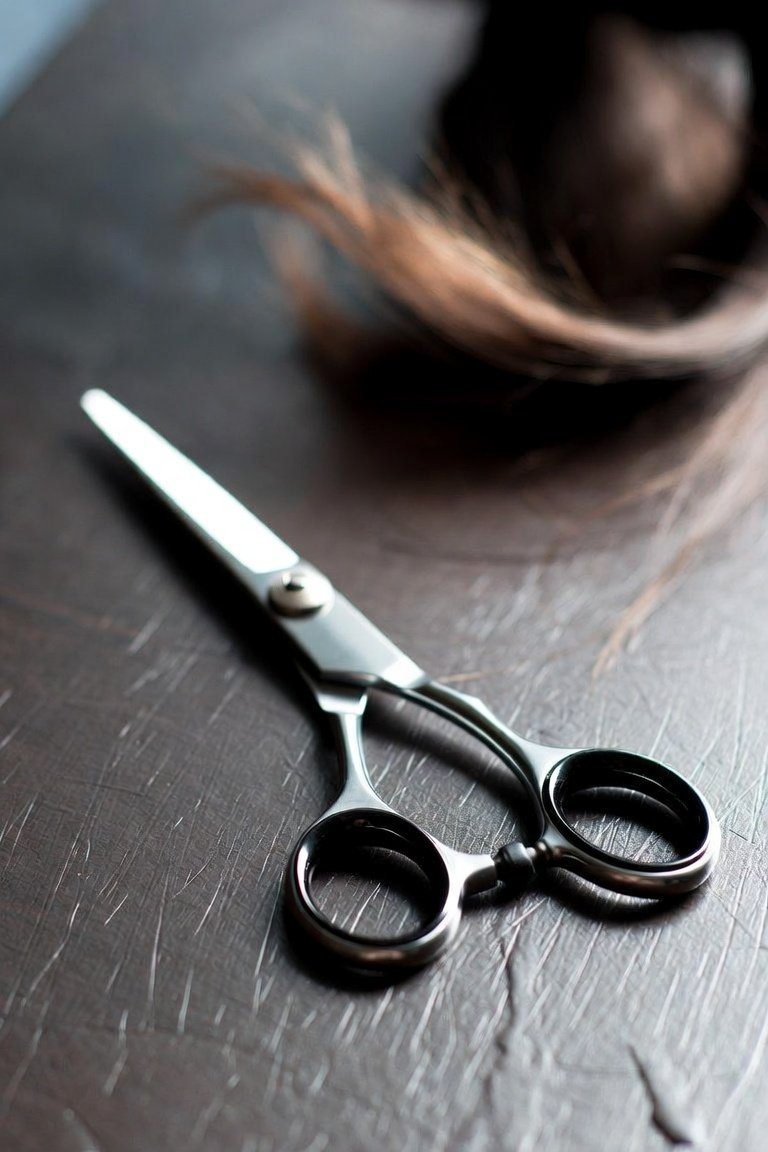
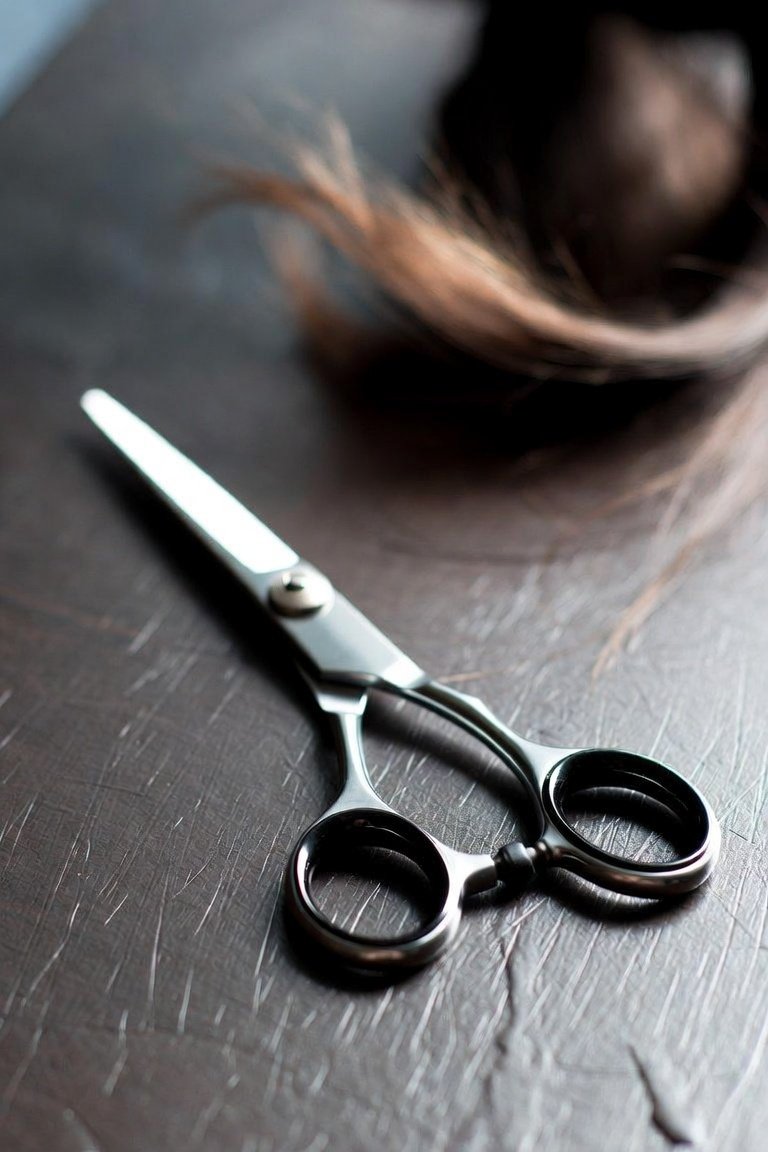
Hairdressing scissors are much more than simple cutting tools. They are the backbone of every professional salon, helping stylists create clean lines, beautiful shapes, and precise finishes. If you have ever wondered how a haircut can look so polished and neat, the answer lies in the scissors used.
Picking the right pair, understanding their features, and caring for them properly can change your entire hairdressing experience. Whether you are a student starting your journey, a seasoned stylist, or just curious about the craft, learning about hairdressing scissors can help you understand the art behind every great haircut.
What Makes Hairdressing Scissors Special?
Unlike ordinary scissors, hairdressing scissors are designed for accuracy and comfort. They are engineered to cut hair smoothly without pulling or damaging strands. The blades are sharper, the handles more ergonomic, and the materials chosen for durability. The difference is visible in the results—clean cuts, less split ends, and more control.
Professional scissors often use high-grade stainless steel, Japanese steel, or even cobalt alloys. These materials keep the blades sharp for longer and reduce rust. The handle designs, such as offset or swivel, help reduce strain on the wrist, making long styling sessions easier. Most hairdressing scissors are between 5 to 7 inches long, allowing stylists to choose based on their hand size and cutting technique.


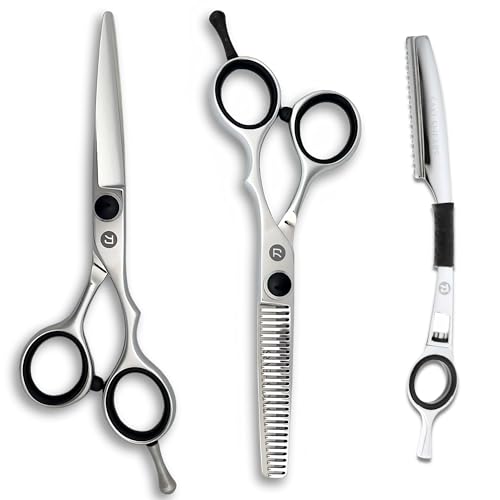


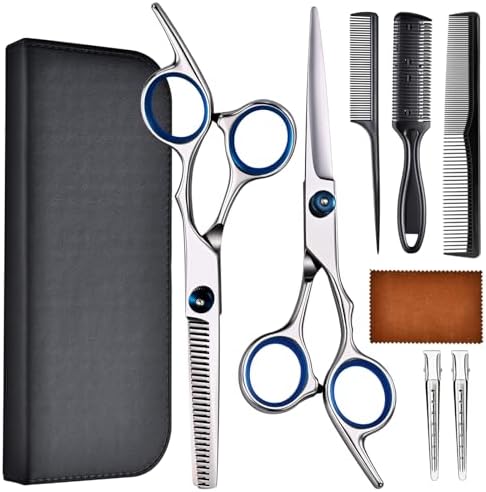
Types Of Hairdressing Scissors
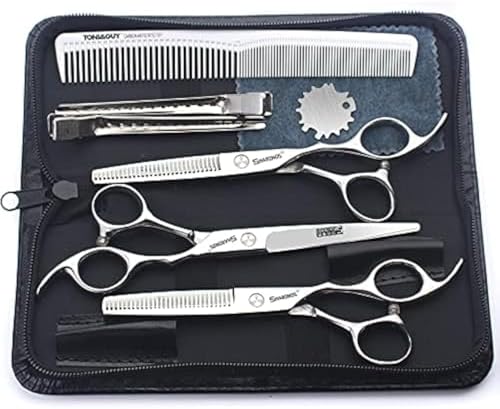
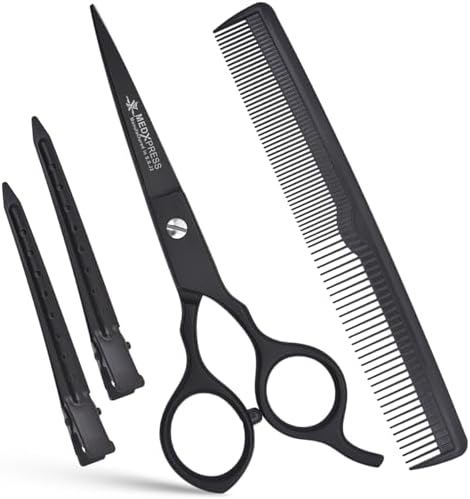
There are many kinds of hairdressing scissors, each with a unique purpose. Understanding these types helps you choose the right tool for the job.
1. Cutting Scissors
These are the basic scissors for cutting hair. The blades are straight and sharp, ideal for creating blunt cuts, layers, or shaping.
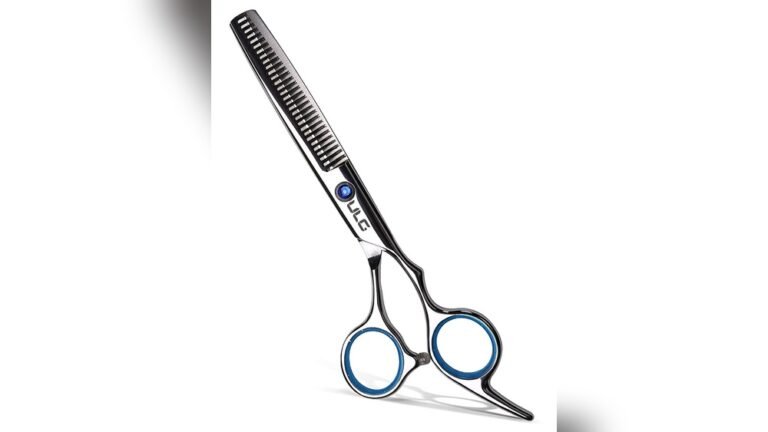
2. Thinning Scissors
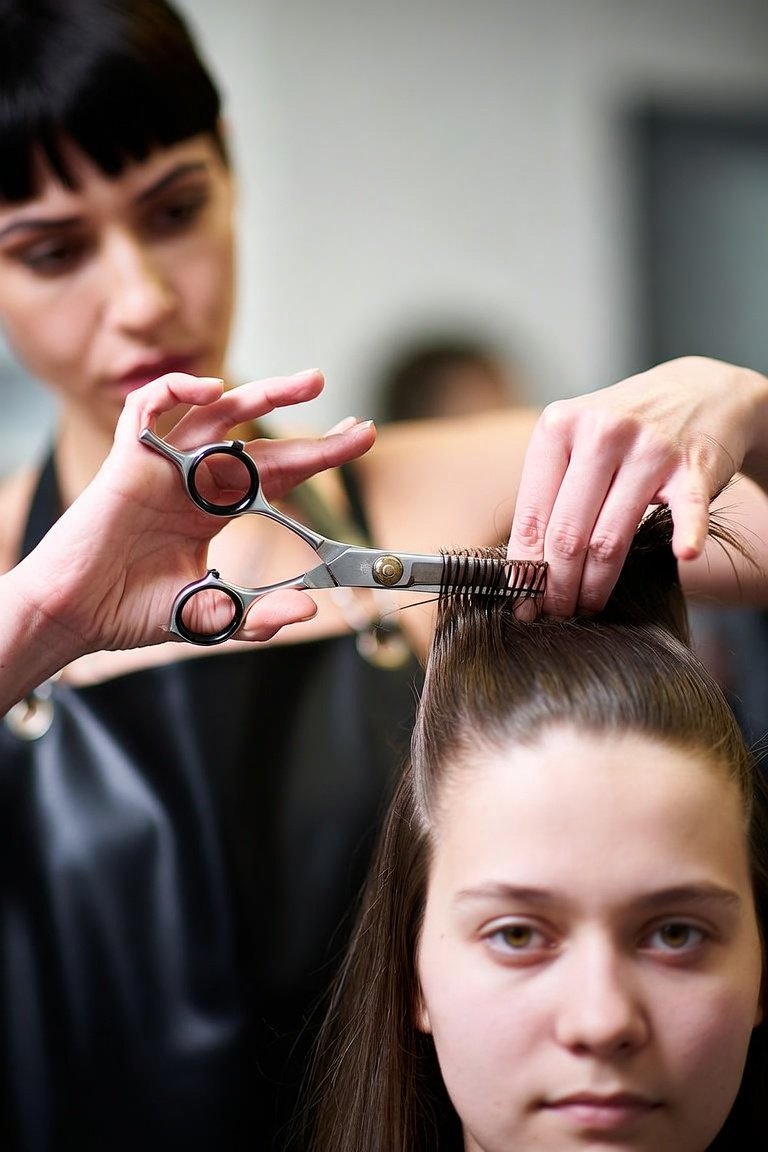
Thinning scissors have teeth on one or both blades. They remove bulk without changing the length, perfect for blending and softening thick hair.
3. Texturizing Scissors
Similar to thinning scissors but with fewer teeth. They add texture and movement, making hairstyles look more natural.
4. Left-handed Scissors
Designed specifically for left-handed stylists, these scissors have reversed blades and handle positions for comfort.
5. Swivel Scissors
Feature a rotating thumb ring. This design reduces stress on the wrist and improves cutting flexibility.
6. Barber Scissors
Barber scissors are longer, usually 6. 5 to 7 inches, made for scissor-over-comb techniques and cutting larger sections.
7. Curved Scissors
Curved blades help create rounded shapes, especially useful for cutting around ears or creating fringes.
8. Micro-serrated Scissors
One blade has tiny serrations, which grip the hair and prevent slipping. They are best for beginners or dry cutting.
Key Features To Consider When Buying Hairdressing Scissors
Choosing hairdressing scissors is not just about price or looks. There are important features to consider:
- Blade Type: Convex, beveled, or serrated. Convex blades are sharper and smoother, beveled blades are durable, and serrated blades grip hair.
- Material: Japanese steel is highly respected for its sharpness and strength. Stainless steel is common and affordable.
- Handle Design: Offset handles reduce wrist strain, while classic handles suit traditional cutting styles.
- Size: Smaller scissors offer more control, larger ones cut more hair at once. Choose based on hand size and technique.
- Weight: Lighter scissors are easier to use for long periods.
- Finger Rest: Removable finger rests add comfort.
- Tension Adjustment: Some scissors have adjustable screws to change how tightly the blades close.
Here’s a quick comparison of common features:
| Feature | Benefits | Best For |
|---|---|---|
| Convex Blade | Very sharp, smooth cuts | Advanced stylists, precision cuts |
| Beveled Blade | Durable, less maintenance | Beginners, bulk cutting |
| Offset Handle | Ergonomic, reduces wrist fatigue | Long sessions, comfort |
| Swivel Handle | Flexible, reduces strain | Creative cutting, wrist issues |
| Micro-serrated | Grips hair, prevents slip | Dry cutting, beginners |
How To Choose The Right Hairdressing Scissors
Finding the perfect scissors can feel overwhelming, especially with so many choices. Here is a step-by-step guide to help you:
1. Know Your Cutting Style
If you mostly do precision cuts, go for convex blades. For bulk cutting, beveled blades are best.
2. Check Your Hand Size
Try different sizes. Small hands work best with 5-inch scissors, while larger hands may need 6 or 7-inch scissors.
3. Consider Your Technique
If you use scissor-over-comb, longer barber scissors are ideal. For detailed work like point cutting, shorter scissors offer more control.
4. Look For Comfort
Handles should feel natural. Offset and swivel designs help reduce strain.
5. Test The Weight
Heavy scissors can cause fatigue. Choose lightweight ones for busy salons.
6. Budget Wisely
High-quality scissors last longer. They may cost more, but they save money over time.
7. Ask For Recommendations
Talk to experienced stylists. They often know which brands and models last.
A common mistake is buying based only on brand or price. Focus on fit, comfort, and blade type. Many beginners ignore tension adjustment, but the right tension keeps the scissors sharp and easy to use.
Hairdressing Scissors Vs Regular Scissors
It is easy to think any scissors can cut hair, but the results are worlds apart. Hairdressing scissors are designed for hair fibers, while regular scissors are made for paper, fabric, or other materials.
| Type | Blade Sharpness | Cut Quality | Material |
|---|---|---|---|
| Hairdressing Scissors | Extremely sharp | Clean, precise | High-grade steel |
| Regular Scissors | Dull or moderate | Rough, uneven | Basic steel or plastic |
Using regular scissors on hair can cause split ends, jagged lines, and uneven shapes. Hairdressing scissors maintain the integrity of the hair, leading to healthier and more stylish results.
Caring For Hairdressing Scissors
Proper care is essential to keep your scissors sharp and safe. Neglecting maintenance can lead to dull blades and poor performance.
- Clean Daily: Wipe scissors after every use to remove hair and moisture.
- Oil Regularly: Use scissor oil on the pivot area to prevent rust and keep movement smooth.
- Sharpen as Needed: Professional sharpening keeps blades at their best. Avoid DIY sharpening unless trained.
- Store Safely: Use protective cases to prevent drops and damage.
- Avoid Water Exposure: Moisture can cause rust, so dry scissors thoroughly.
- Check Tension: Adjust screws if blades feel loose or tight.
A non-obvious tip: Never cut paper or fabric with hairdressing scissors. Doing so can damage the blades and shorten their lifespan.
Popular Hairdressing Scissor Brands
Many brands offer high-quality hairdressing scissors. Some of the most respected names include:
1. Yasaka
Famous for Japanese steel and sharpness.
2. Joewell
Known for precision and durability.
3. Kasho
Offers ergonomic designs and smooth cutting.
4. Jaguar
Popular for innovative handle styles.
5. Hikari
Specializes in convex blades.
6. Matsuzaki
Trusted for professional-grade steel.
7. Sensei
Offers both classic and modern designs.
8. Washi
Affordable yet reliable.
9. Kamisori
Combines style and performance.
10. Feather
Best for razor scissors.
Each brand has unique models and features. Always test before buying, as even top brands may not suit every stylist’s hand or style.
The Role Of Hairdressing Scissors In Modern Salons
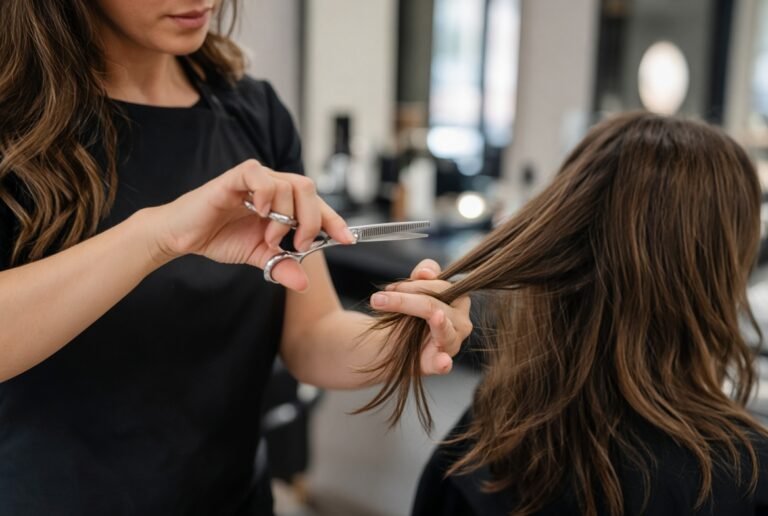
Hairdressing scissors have evolved along with salon trends. Today, stylists use different scissors for each task—blunt cutting, layering, texturizing, and blending. This specialization allows for creativity and customization. Clients expect precise finishes, and the right scissors make it possible.
In many salons, stylists carry several pairs of scissors, switching between them for different effects. For example, thinning scissors help soften thick hair, while micro-serrated blades are perfect for dry cutting. The art of hairdressing is closely linked to the quality and variety of scissors used.
Common Mistakes When Using Hairdressing Scissors
Even experienced stylists can make errors that affect the outcome. Here are some mistakes to avoid:
- Using dull blades: Always sharpen regularly.
- Ignoring tension adjustment: Loose blades can bend hair instead of cutting.
- Cutting inappropriate materials: Only use on hair.
- Over-tightening screws: Can damage the blades.
- Poor cleaning habits: Leads to rust and sticky movement.
- Not matching scissors to the task: Using cutting scissors for thinning can ruin styles.
A practical tip: Always check the blade alignment before starting. Misaligned blades can pull hair and cause discomfort.
How Much Do Hairdressing Scissors Cost?
Prices vary depending on material, brand, and features. Beginner scissors can cost $20–$50, while professional models range from $150–$800 or more.
Some factors that affect price:
- Steel quality: Japanese steel costs more.
- Blade type: Convex blades are pricier.
- Handle design: Ergonomic features add cost.
- Brand reputation: Well-known brands often charge more.
Here’s a quick price comparison:
| Scissor Type | Average Price | Typical Use |
|---|---|---|
| Beginner | $20–$50 | Training, home use |
| Professional | $150–$500 | Salon, advanced styling |
| Premium | $500–$800+ | High-end, expert stylists |
Buying used scissors may save money, but check for blade quality and wear. Investing in high-quality scissors pays off in the long run.
How To Test Hairdressing Scissors Before Buying
Testing scissors before purchase is important. Here’s how:
1. Check Blade Sharpness
Cut a small section of hair. The scissors should glide smoothly without pulling.
2. Check Handle Comfort
Hold the scissors for a few minutes. They should feel natural, not heavy or awkward.
3. Check Balance
Open and close the scissors. The motion should be smooth, not stiff or loose.
4. Check Tension Adjustment
Test the screw. Adjusting should be easy and keep blades aligned.
5. Check For Noise
Good scissors operate quietly. Clicking or grinding noises mean poor quality.
A beginner’s mistake is ignoring the feel of the scissors. Always choose comfort and control over style or brand.
Hairdressing Scissors For Home Use
While professional scissors are ideal, home users can benefit from quality scissors too. Many people cut their own hair for convenience or savings.
Tips for home users:
- Choose simple cutting scissors, not thinning or texturizing.
- Look for lightweight, ergonomic handles.
- Start with 5–6 inch blades for better control.
- Avoid cheap, dull scissors.
Home users often skip maintenance. Clean and oil your scissors regularly to keep them sharp.
Safety Tips For Using Hairdressing Scissors
Safety is crucial, especially for beginners or home users. Follow these tips:
- Always cut on dry, clean hair for accuracy.
- Hold scissors properly, with thumb and ring finger in the rings.
- Keep blades closed when not in use.
- Store scissors safely, away from children.
- Never rush the cutting process.
A non-obvious insight: Always cut with the tips of the blades for detail, and with the full blade for bulk. This helps control the cut and prevents mistakes.
Latest Trends In Hairdressing Scissors
Modern hairdressing scissors are changing with new technologies and designs. Here are some trends:
- Swivel handles for comfort and flexibility.
- Titanium coatings for durability and style.
- Colorful designs to match salon branding.
- Laser-engraved blades for smoother cuts.
- Eco-friendly materials for sustainability.
Some brands are now offering custom-fit scissors, made to match the stylist’s hand shape. This reduces fatigue and improves performance.
Environmental Impact And Sustainability
Hairdressing scissors are now part of the sustainability movement. Many brands use recycled steel or eco-friendly packaging. Some salons recycle old scissors or donate them to charity.
Buying quality scissors that last longer reduces waste. Proper care also extends their life. Look for brands with green certifications or responsible sourcing.
Frequently Asked Questions
What Is The Best Material For Hairdressing Scissors?
Japanese steel is often considered the best. It is sharp, durable, and resists rust. Stainless steel is also common and affordable. Cobalt alloys offer extra strength for high-end models.
How Often Should I Sharpen My Hairdressing Scissors?
Sharpening depends on use. Salon scissors may need sharpening every 3–6 months. Home users can wait longer. Always use a professional sharpening service to avoid blade damage.
Can Left-handed Stylists Use Regular Scissors?
Left-handed stylists should use left-handed scissors. Regular scissors can cause discomfort and poor cuts. Left-handed models have reversed blades and handles for better control.
Are Expensive Scissors Worth It For Beginners?
Investing in quality scissors is important, even for beginners. Cheap, dull scissors can cause split ends and limit skill development. Start with mid-range scissors and upgrade as you progress.
Where Can I Learn More About Hairdressing Scissors?
You can find detailed information on professional sites like Wikipedia, hairdressing schools, and salon supply stores. Ask experienced stylists for tips, or attend workshops for hands-on learning.
Hairdressing scissors are a key part of every stylist’s toolkit. With the right knowledge and care, you can choose, use, and maintain scissors for amazing results. Understanding their features, types, and care will help you enjoy the art of hairdressing, whether in a busy salon or at home.