Thinning Shears: Achieve Salon-Perfect Texture at Home
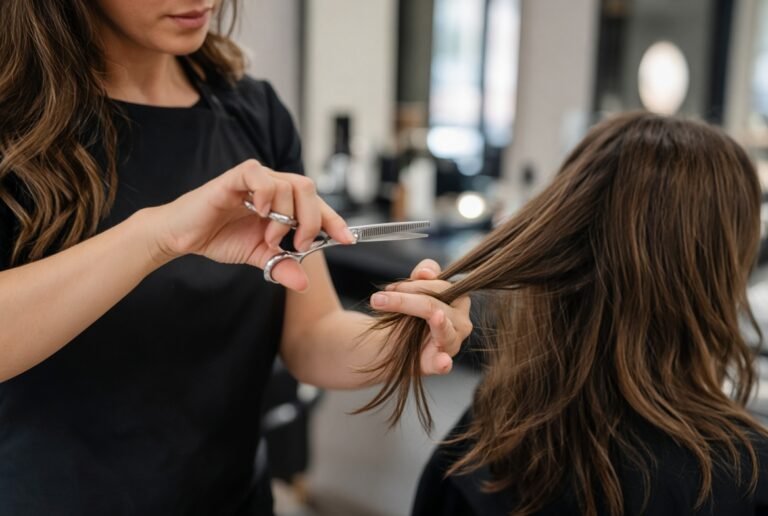
Thinning shears are a unique tool found in nearly every professional hair salon. They look similar to regular scissors, but the blades have teeth—some sharp, some not. These shears have one goal: remove bulk from hair without changing the length. Most people have seen stylists use them, but not everyone knows why or how. If you’re curious about thinning shears—what they do, how they work, and how to use them safely—you’re in the right place. This guide explains the science, technique, and even mistakes to avoid, whether you’re a hairstylist or just someone who wants to handle their own hair at home.
What Are Thinning Shears?
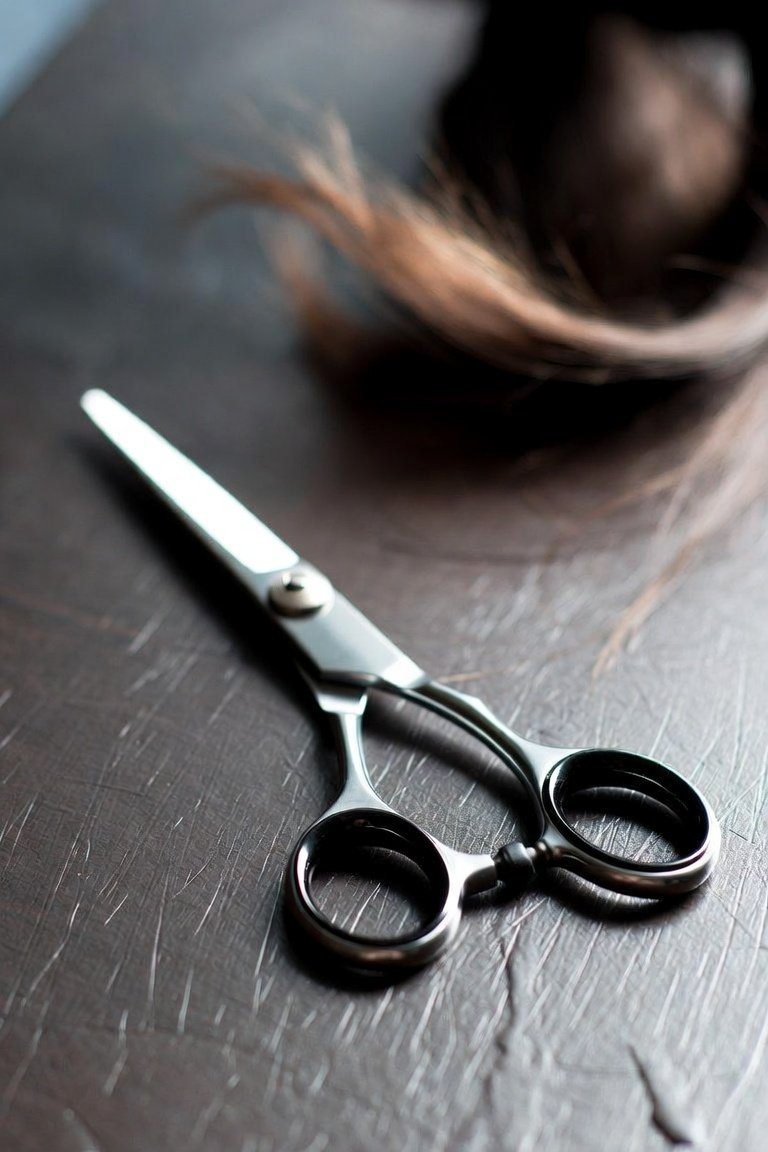
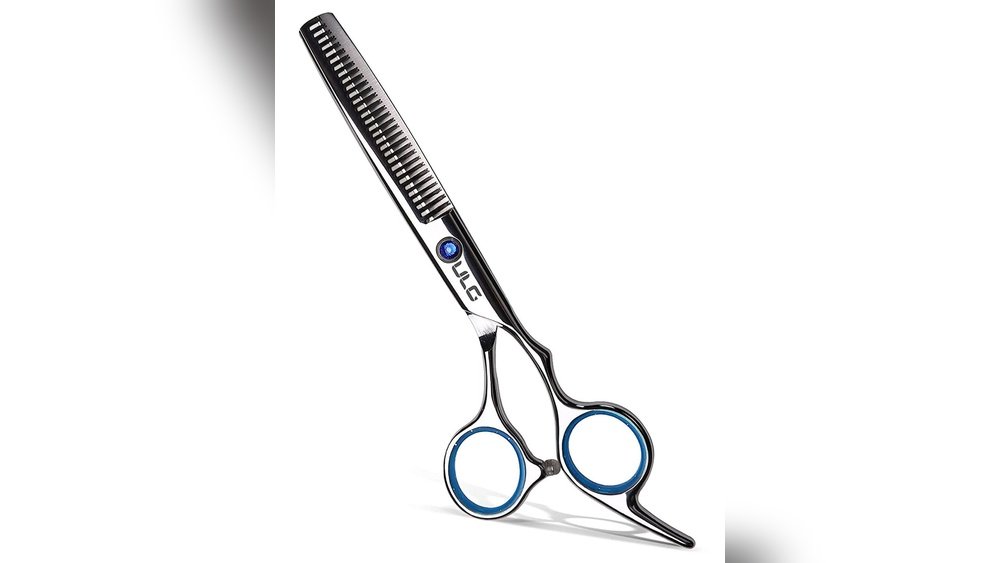
Thinning shears are a type of hair scissors with teeth on one or both blades. Unlike regular scissors, which cut straight across, thinning shears remove only some strands in each cut. This makes the hair lighter, softer, and less bulky.
Design Features:
- One blade usually has teeth (15–40 teeth is typical)
- The other blade may be smooth or also have teeth
- Some are called texturizing shears if they have fewer teeth
Why Use Them?
- Reduce thickness without shortening hair
- Blend layers for a more natural look
- Remove lines or marks from a haircut
Who Uses Thinning Shears?
- Professional stylists
- Barbers
- DIY hair cutters (with caution)
Most thinning shears are made from stainless steel, but higher-end models might use Japanese steel or have special coatings. The handle design often includes finger rests for control.
Types Of Thinning Shears
Choosing the right thinning shears depends on your goal. There are several types, each with a distinct effect.
Single-sided Thinning Shears
Most common. One blade has teeth, the other is smooth. They remove about 30–50% of hair per cut.
Double-sided Thinning Shears
Both blades have teeth. These are gentler and remove less hair with each cut. They’re used for subtle blending.
Texturizing Shears
Have fewer, wider teeth (5–15 teeth). These create larger gaps and more dramatic texture. Great for adding movement.
Chunking Shears
Have big, spaced teeth (6–10 teeth). Used for thick, curly, or coarse hair. They remove large sections quickly.
Blending Shears
A hybrid between thinning and texturizing shears. Used mainly to blend layers and soften lines.
| Type | Teeth Count | Effect | Best For |
|---|---|---|---|
| Single-Sided | 15–40 | Moderate thinning | General use |
| Double-Sided | 15–40 | Subtle thinning | Fine hair |
| Texturizing | 5–15 | Texturing | Adding movement |
| Chunking | 6–10 | Heavy thinning | Thick/coarse hair |
| Blending | 15–25 | Blending layers | Layered cuts |
Non-obvious insight: Beginners often confuse texturizing shears with thinning shears. Texturizing shears are not for bulk removal—they’re for creating shape and movement.
How Thinning Shears Work
When you close thinning shears on a section of hair, the teeth grab some strands and leave others untouched. This means only part of the hair is cut, while the rest stays the same length. The result is softer, lighter hair that blends smoothly.
Science Behind Thinning Shears:
- They cut 25–50% of hair in each section (depending on teeth count)
- They prevent hard lines by spreading the cut strands throughout the hair
- They can help manage volume in thick hair and remove weight from layered styles
Example: If you have thick, straight hair and want to make it easier to style, thinning shears can remove excess bulk without making your hair shorter. This is especially useful for people with coarse hair that feels heavy.
When Should You Use Thinning Shears?
Thinning shears are not for every haircut. Knowing when to use them is crucial for best results.
Best Situations:
- Thick hair: To reduce bulk and make styling easier.
- Layered cuts: To blend layers and avoid sharp transitions.
- Men’s haircuts: To soften the sides and back for a natural finish.
- Curly hair: To remove weight without causing frizz (with proper technique).
- Fine hair: Only with caution, as too much thinning can make hair look flat.
Avoid Using If:
- Hair is already thin or fragile
- Hair has split ends or damage
- You want blunt, sharp lines (like a bob or straight fringe)
Non-obvious insight: Many beginners overuse thinning shears, thinking more is better. But too much thinning can make hair look uneven, stringy, or damaged.
How To Use Thinning Shears: Step-by-step
If you’re a beginner, follow these steps carefully. Thinning shears can be tricky, and mistakes are hard to fix.
1. Prepare The Hair
- Wash and dry hair thoroughly
- Comb out tangles
- Section hair with clips (top, sides, back)
2. Choose The Right Shears
- For thick, coarse hair: Chunking or single-sided thinning shears
- For blending layers: Blending or texturizing shears
3. Start Thinning
- Hold a small section (about 1 inch wide)
- Place shears about 2–3 inches from the scalp (never at the roots)
- Close shears gently, then pull away
- Repeat every few inches along the section
4. Blend And Check
- Move to the next section
- Comb through after each cut to check progress
- Use fewer cuts on fine hair, more on thick hair
5. Finish And Style
- Comb hair thoroughly
- Check for uneven spots
- Style as usual
Common Mistakes:
- Thinning too close to the roots (causes spikes)
- Over-thinning one section (creates holes)
- Using shears on wet hair (can lead to uneven results)
Pro Tip: Always start with less thinning. You can always remove more, but you can’t put hair back.
Advantages Of Thinning Shears
Thinning shears offer several benefits for both stylists and clients.
Top Advantages:
- Natural look: Hair appears soft and blended, not chopped.
- Easier styling: Less bulk means hair is easier to manage.
- Less weight: Especially important for thick or coarse hair.
- Versatility: Works for men’s, women’s, and children’s hair.
- No drastic length change: You keep your hair length but lose heaviness.
Data Point: A 2026 survey of stylists found that 82% use thinning shears in at least half of their haircuts. Most agreed that thinning shears make layered cuts look more professional.
Disadvantages And Risks
Thinning shears are powerful, but they can cause problems if used incorrectly.
Main Risks:
- Over-thinning: Makes hair look stringy and lifeless
- Visible lines: If not blended well, lines can appear in the haircut
- Damage: Weak or damaged hair can break
- Frizz: Especially in curly hair, improper use can cause frizz
Example: If you thin out curly hair too much, the curls lose their bounce and become frizzy.
Data: Studies show that repeated thinning can cause split ends in fine hair, leading to breakage.
Choosing The Right Thinning Shears
With so many types available, picking the right thinning shears is important. Here’s what matters most.
| Factor | Why It Matters | Common Mistakes |
|---|---|---|
| Teeth Count | Affects how much hair is removed per cut | Choosing too many teeth for thick hair |
| Blade Material | Stainless steel lasts longer and stays sharp | Buying cheap blades that dull fast |
| Handle Design | Comfort and control reduce mistakes | Ignoring ergonomic handles |
| Size | Longer blades are good for bulk removal, shorter for blending | Using one size for all purposes |
Tips for Buying:
- Test how the shears feel in your hand
- Look for adjustable tension screws
- Check reviews from professional stylists
Non-obvious insight: Many buyers forget to check if the shears are easy to clean. Hair buildup between the teeth can ruin performance.
Thinning Shears For Different Hair Types
Every hair type responds differently to thinning shears. Here’s how to approach each one.
Thick Hair
Thinning shears are ideal for thick hair. They remove bulk and make styling easier. Use chunking or single-sided shears for best results.
Fine Hair
Be careful. Too much thinning can make fine hair look flat or damaged. Use double-sided shears and only a few cuts.
Curly Hair
Curly hair needs special technique. Thinning shears can remove weight, but must be used away from the roots and in small sections.
Coarse Hair
Chunking shears are best. They remove large amounts of hair quickly and prevent heaviness.
Children’s Hair
Use gentle thinning with double-sided shears. Children’s hair is often fine and fragile.
Practical Tips For Using Thinning Shears
Thinning shears are simple to use, but a few tricks can make the difference between a great and a bad haircut.
- Always go slow: Start with fewer cuts and check your work often.
- Comb between cuts: This helps you see how much bulk is removed.
- Avoid the roots: Thinning close to the scalp creates spikes.
- Use on dry hair: Wet hair can hide mistakes.
- Check from different angles: Look in a mirror or ask for help.
Pro Tip: Hold the section at a slight angle and use a gentle motion. This prevents sharp lines and helps blend the cut.
Cleaning And Maintenance
Keeping thinning shears clean and sharp is essential for good results.
How to Clean:
- Wipe blades after every use
- Use rubbing alcohol to disinfect
- Oil the pivot area regularly
Sharpening:
- Use a professional sharpening service every 6–12 months
- Avoid using household tools—they can damage the blades
Storage:
- Keep shears in a protective case
- Avoid dropping or banging them
| Task | Frequency | Why Important |
|---|---|---|
| Cleaning | After each use | Prevents hair buildup |
| Oiling | Weekly | Ensures smooth cutting |
| Sharpening | Every 6–12 months | Keeps blades sharp |
| Storage | Always | Protects from damage |
Non-obvious insight: Failing to oil the pivot area can make shears stiff and cause uneven cuts.
Thinning Shears Vs Regular Scissors
Many people confuse thinning shears with regular scissors. Here’s how they’re different.
Thinning Shears:
- Have teeth on one or both blades
- Remove only some hair in each cut
- Used for blending and reducing bulk
Regular Scissors:
- Both blades are smooth
- Cut all the hair in one section
- Used for cutting length and creating shape
Example: If you cut straight across with regular scissors, you get a blunt line. Thinning shears soften that line and add movement.
Data Point: A 2026 salon study found that haircuts with thinning shears took 20% less styling time for clients with thick hair.
Are Thinning Shears Safe For Home Use?
Many people try thinning shears at home, but there are risks. Here’s what you need to know.
Safe Practices:
- Use only on dry, clean hair
- Start with small sections
- Watch tutorials or ask a professional
Risks:
- Over-thinning can ruin a haircut
- Hard to fix mistakes without professional help
- Cheap shears can damage hair
Pro Tip: If you’re unsure, try thinning only the ends first. This is easier to fix if you make a mistake.
Professional Techniques And Secrets
Stylists have tricks that make thinning shears work wonders. Here are a few professional secrets:
- Point cutting: Use the tips of the shears to create soft ends.
- Slide cutting: Move the shears down the hair as you cut for blended layers.
- Comb and cut: Alternate combing and cutting to avoid over-thinning.
Non-obvious insight: Many stylists use thinning shears in combination with razors or texturizing scissors for complex styles.
Thinning Shears And Hair Health
Thinning shears can affect hair health. Used properly, they’re safe. Used wrong, they can cause problems.
Positive Effects:
- Hair feels lighter and easier to style
- Less tension on the scalp
Negative Effects:
- Overuse can cause split ends
- Improper cleaning can spread germs
- Using dull blades can pull or break hair
Data Point: According to the American Academy of Dermatology, improper use of thinning shears is a top cause of “stringy” hair complaints after salon visits.
Choosing Thinning Shears For Beginners
If you’re new to thinning shears, here’s what to look for:
- Fewer teeth (15–25) for more control
- Comfortable handle with finger rest
- Stainless steel for durability
- Not too long—shorter blades are easier to handle
Pro Tip: Ask your stylist for advice before buying. Many salons sell professional-grade shears.
Where To Buy Thinning Shears
You can buy thinning shears at beauty supply stores, online retailers, or salon wholesalers. Look for reputable brands like Kasho, Joewell, and Jaguar.
Online Shopping Tips:
- Read reviews
- Check return policies
- Avoid very cheap options—they often dull quickly
For a detailed guide on hair cutting tools, see Wikipedia.
Frequently Asked Questions
What Are Thinning Shears Used For?
Thinning shears are used to remove bulk from hair without changing the length. They help blend layers, soften lines, and make thick hair easier to style.
Can Thinning Shears Ruin Your Hair?
If used incorrectly, thinning shears can cause stringy hair, split ends, or visible lines. Always use them gently and avoid over-thinning.
Are Thinning Shears Safe For Curly Hair?
Yes, but with caution. Use them away from the roots and in small sections. Over-thinning curly hair can cause frizz and loss of bounce.
How Often Should Thinning Shears Be Sharpened?
Professional stylists recommend sharpening every 6–12 months. Dull blades can damage hair and make cutting difficult.
Can You Use Thinning Shears On Wet Hair?
It’s better to use thinning shears on dry hair. Wet hair can hide mistakes and may lead to uneven results.
Thinning shears are a powerful tool for anyone wanting to shape, blend, or lighten their hair. With the right technique and proper care, they can create a professional look at home or in the salon. Always remember to go slow, check your progress, and ask for help if needed.
Used wisely, thinning shears make haircuts look soft, natural, and easy to style—without losing the length you love.