Barber Shears: Top Picks for Precision Hair Cutting
Barber Shears: The Essential Guide For Professionals And Beginners
Many people think barber shears are just simple scissors. But in the world of hair cutting, barber shears are special tools that make a big difference. Whether you are a beginner or a professional barber, understanding barber shears can help you give better haircuts, save time, and avoid mistakes. This guide will help you learn everything you need to know about barber shears, from their types and uses to how to choose the right pair and care for them. You will also find practical tips that most beginners miss, plus data and comparisons to make your decision easier.




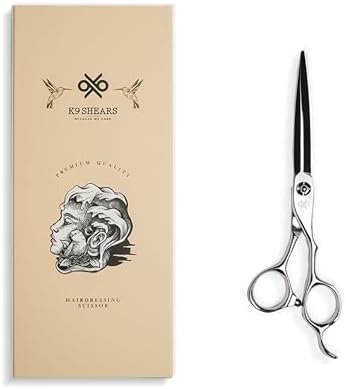
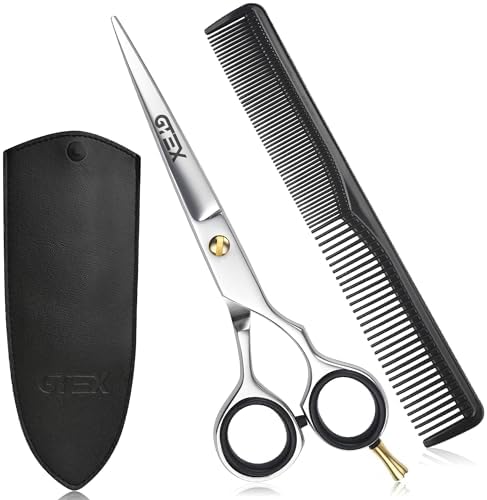
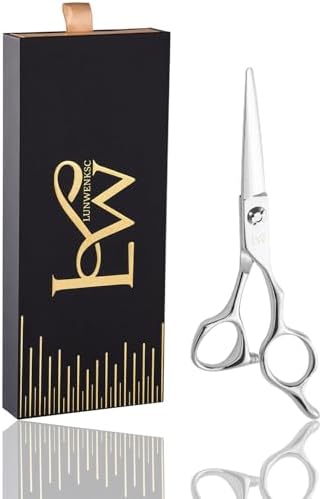
What Makes Barber Shears Different?
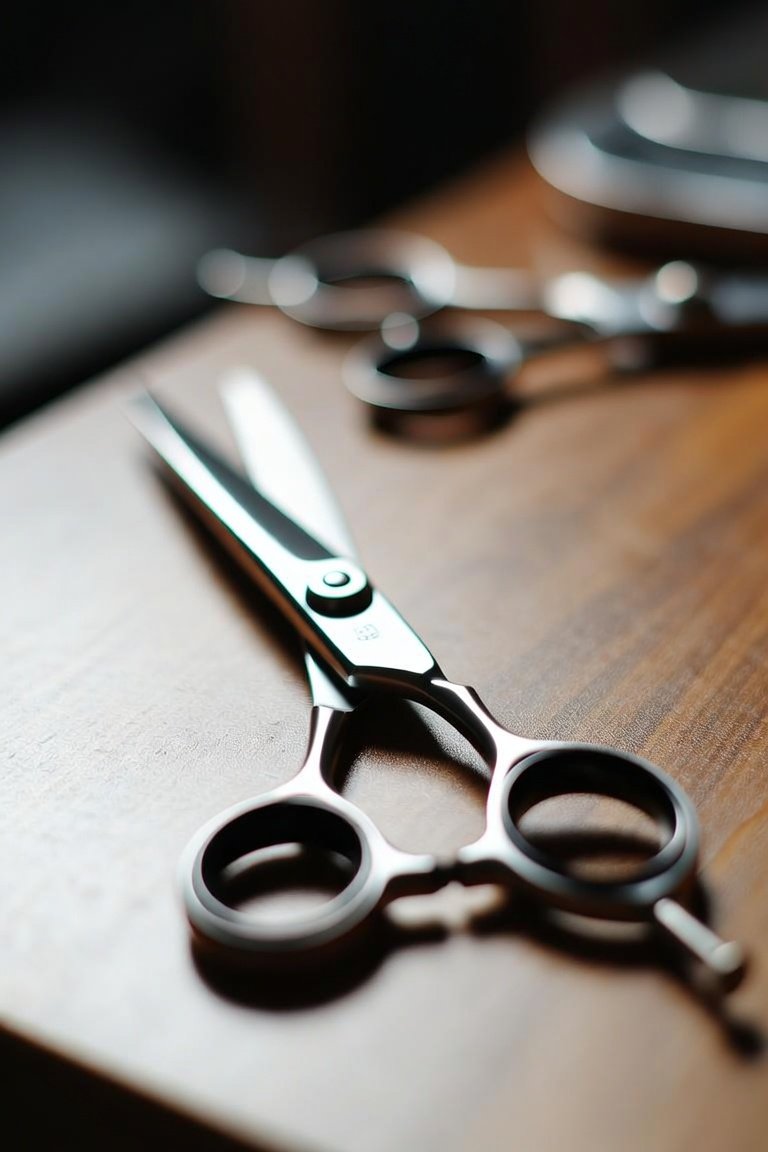
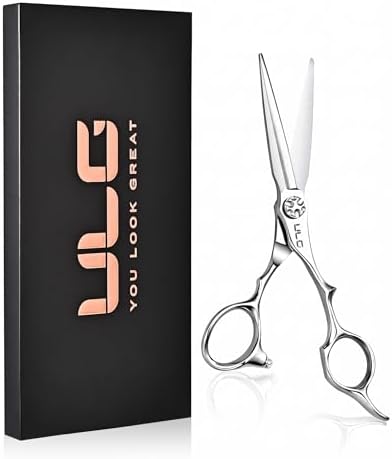
Barber shears are not the same as regular household scissors. They are designed for cutting hair with precision and comfort. The blades are sharper, the handles are shaped for easy grip, and the materials are stronger. Most barber shears use high-quality stainless steel or Japanese steel.
The differences matter because using the wrong tool can damage hair, hurt your hands, or make haircuts look uneven.
There are two main types of barber shears:
- Cutting Shears: These have straight, sharp blades and are used for basic hair cutting.
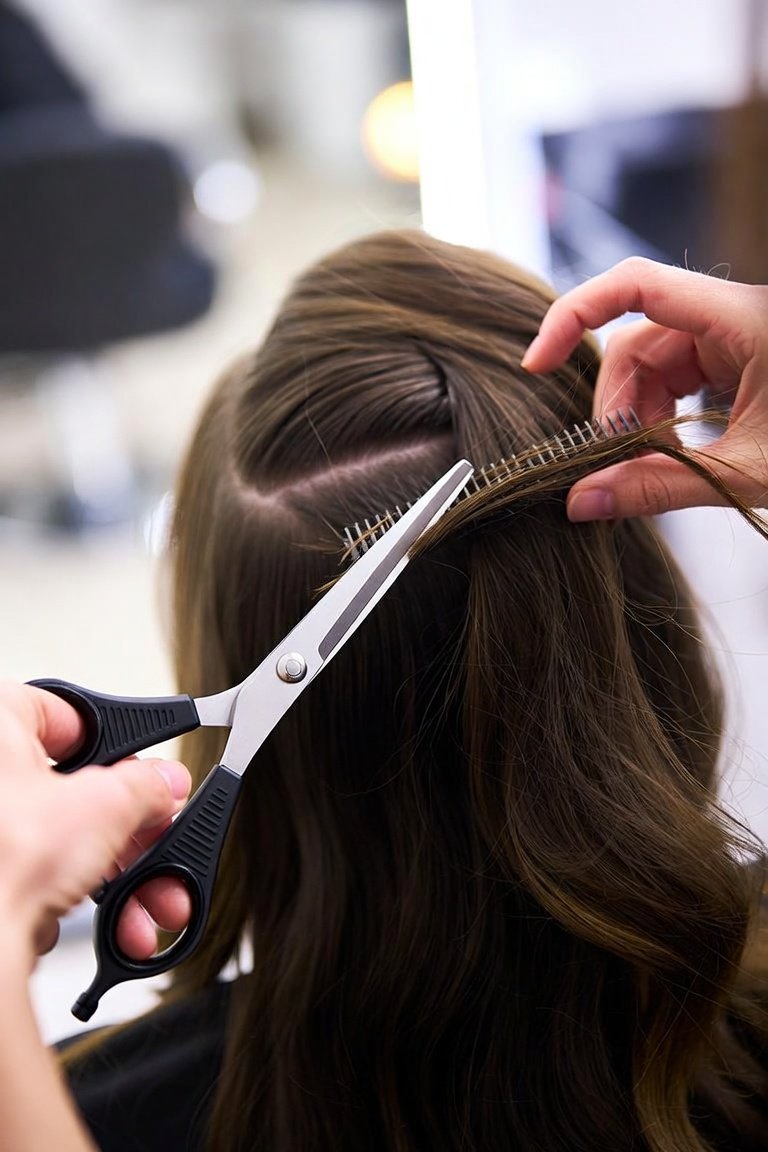
- Thinning Shears: These have one straight blade and one blade with teeth, used to remove bulk and blend hair.
Some barbers also use texturizing shears, which add texture without removing too much hair. The design, length, and steel quality all affect how they work and feel.
Types Of Barber Shears
Barber shears come in many shapes and sizes. The right type depends on the haircut, the barber’s hand size, and the technique used.
Cutting Shears
These are the standard tool for most haircuts. They usually range from 5 to 7 inches in length. Shorter shears (5–5. 5 inches) are good for detail work like around the ears or fringe. Longer shears (6–7 inches) are better for big, straight cuts or scissor-over-comb techniques.
Thinning Shears
Thinning shears are used to remove bulk or blend layers. The blade with teeth can have 20–40 teeth. Fewer teeth mean more hair is removed with each cut; more teeth mean softer thinning. They are important for finishing a haircut and making it look natural.
Texturizing Shears
These are similar to thinning shears but usually have fewer teeth (10–16). They are used to add movement and texture. Good for modern styles like messy looks or layered cuts.
Left-handed Shears
Many shears are made for right-handed people, but left-handed shears exist for left-handed barbers. The blade position is reversed, making cutting safer and more comfortable.
Swivel Shears
Swivel shears have a moving thumb ring. This allows your hand to rotate more freely, reducing strain. They are popular among barbers who cut hair all day and want to avoid wrist pain.
Offset Vs. Straight Handle Shears
Offset shears have handles set at an angle, making them more comfortable for most people. Straight handle shears are more traditional, but can cause hand fatigue with long use.
Barber Shears Materials And Quality
The material of barber shears affects their sharpness, durability, and price. Most professional shears are made from Japanese steel or German steel. Let’s compare the main materials:
| Material | Sharpness | Durability | Price Range | Common Use |
|---|---|---|---|---|
| Japanese Steel | Very Sharp | Long-lasting | High | Professional |
| German Steel | Sharp | Strong | Medium | Professional |
| Stainless Steel | Moderate | Medium | Low-Medium | Beginner |
| Titanium-Coated | Very Sharp | Extra Durable | High | Specialty |
Japanese steel shears are famous for being extremely sharp and smooth. German steel is strong and holds its edge well. Stainless steel shears are more affordable but may dull faster. Titanium-coated shears are rare and mainly used for high-end or specialty work.
Most beginners miss the fact that even expensive shears must be sharpened regularly. Steel quality helps, but good care is essential.
Sizes And Lengths Of Barber Shears
Choosing the right length matters for both performance and comfort. Shears come in sizes from 4.5 inches to 7 inches. Each size fits different uses:
- 5–5.5 inches: Perfect for detail work and small hands. Easier to control for precise cuts.
- 6–6.5 inches: Most common for general cutting. Good balance of control and speed.
- 7 inches: Used for scissor-over-comb and cutting large sections. Often used by barbers for men’s cuts.
Here’s a comparison of shears by length:
| Length (inches) | Best Use | Hand Size | Control | Speed |
|---|---|---|---|---|
| 5 | Detail, Fringe | Small | High | Low |
| 6 | General Cutting | Medium | Medium | Medium |
| 7 | Scissor-over-comb | Large | Low | High |
Most beginners choose shears that are too long or too short. Try different sizes before buying. The right size makes your cuts cleaner and your hands more comfortable.
How To Choose Barber Shears: What Really Matters
Picking barber shears is not just about price or looks. Here are key points to consider:
- Blade Type: Convex blades are sharper and smoother, good for slice cutting. Beveled blades are stronger, good for blunt cuts.
- Handle Design: Offset handles reduce strain. Swivel handles offer more movement.
- Steel Quality: Japanese steel is ideal for sharpness. German steel is good for durability.
- Size: Match the shear size to your hand and cutting style.
- Weight: Lighter shears are easier for long use. Heavier ones may feel more stable.
- Finger Rest: Removable finger rests help with control and comfort.
Don’t make the mistake of buying the cheapest pair. Cheap shears can pull hair, dull quickly, and cause hand pain. On the other hand, don’t overspend on features you don’t need, especially as a beginner.
Try to test shears in person if possible. Many stores let you hold and open the shears to see how they feel. If buying online, check reviews and look for brands known for quality.
Popular Barber Shear Brands
Several brands are famous for making high-quality barber shears. Professionals often recommend these:
- Kasho: Known for Japanese steel and sharp blades.
- Joewell: Offers smooth cutting and durable shears.
- Hikari: Premium Japanese brand for expert barbers.
- Wiss: Popular in the US for reliable, affordable shears.
- Jaguar: German brand with strong, long-lasting shears.
- Matsuzaki: Specializes in high-end, handcrafted shears.
Brand matters because well-known brands often have better warranty, customer service, and consistent quality.
How To Use Barber Shears Properly
Using barber shears is more than just opening and closing them. Proper technique helps you avoid mistakes and keeps your hands safe.
Holding Shears
Place your thumb in the bottom ring and your ring finger in the top ring. Your index and middle finger rest on the handle. The finger rest supports your pinky. This grip lets you move your thumb only, making the cuts smoother.
Cutting Techniques
- Point Cutting: Hold the hair vertically and use the tips of the shears to cut into the hair. Good for texture.
- Blunt Cutting: Cut straight across the hair for strong lines.
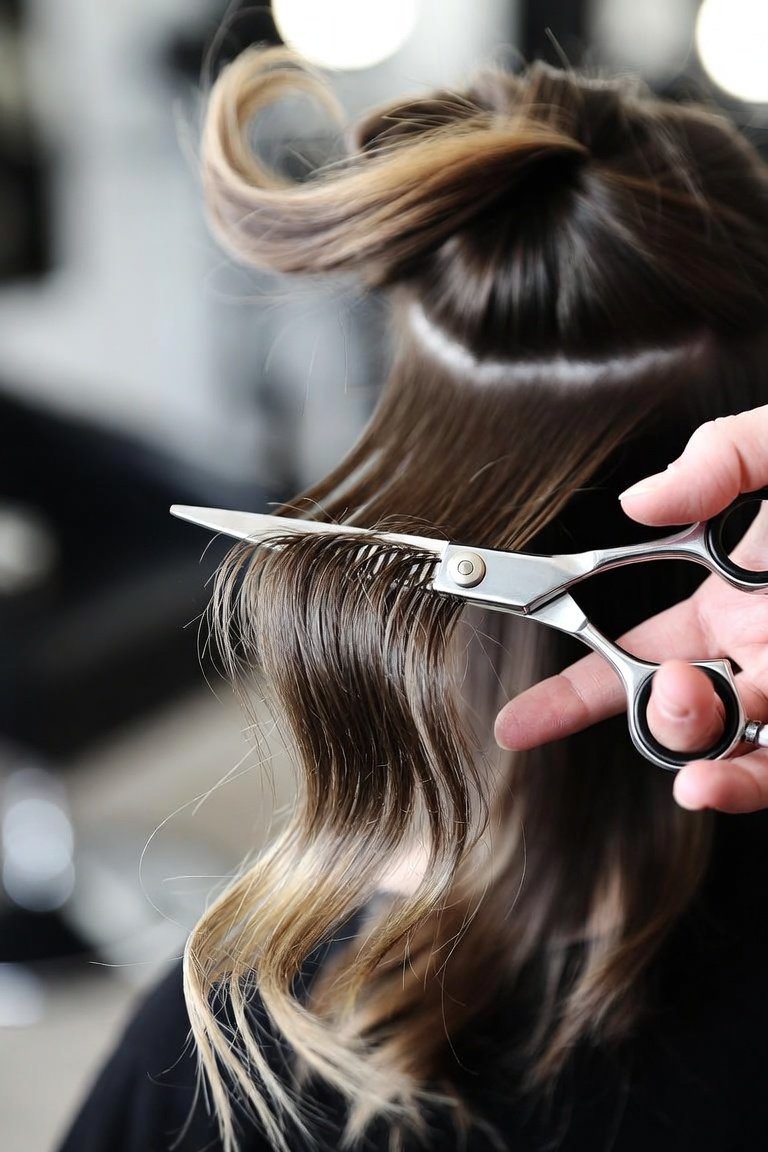
- Slide Cutting: Slide the shears along the hair for soft, natural ends.
- Scissor-over-comb: Use a comb to lift hair and cut with long shears for blending.
A common mistake is moving all fingers while cutting. Only your thumb should move. This reduces strain and makes the cut cleaner.
Common Beginner Mistakes With Barber Shears
Even experienced barbers can make errors. Here are mistakes to avoid:
- Using household scissors: They are not sharp enough for hair and can cause split ends.
- Buying the wrong size: Too long or too short shears make cutting hard and uncomfortable.
- Ignoring steel quality: Cheap steel dulls quickly and pulls hair.
- Not sharpening shears: Dull blades cause uneven cuts and pain.
- Poor grip: Holding shears incorrectly leads to fatigue.
- Skipping finger rest: This leads to less control and more strain.
- Not cleaning shears: Hair and moisture cause rust and dull blades.
Most beginners miss the importance of regular sharpening and cleaning. Even the best shears will fail if not cared for.
Caring For Barber Shears
Proper care makes shears last longer and keeps them sharp. Follow these steps:
- Clean after each use: Wipe blades with a soft cloth. Remove hair and moisture.
- Oil the pivot: Add a drop of oil to the pivot point to keep movement smooth.
- Store safely: Use a protective case or pouch. Avoid dropping shears.
- Sharpen regularly: Professional sharpening is best. Some brands offer sharpening services.
- Check tension: Shears should open and close smoothly. Adjust tension screw if needed.
Never use chemical cleaners, as they can damage steel. Avoid cutting anything other than hair—paper, plastic, or fabric will dull blades fast.
Barber Shears Vs. Regular Scissors
You might wonder why not use regular scissors. The answer is clear in the comparison below:
| Feature | Barber Shears | Regular Scissors |
|---|---|---|
| Sharpness | Very Sharp | Moderate |
| Comfort | Ergonomic Handles | Basic Handles |
| Steel Quality | High | Low-Medium |
| Cutting Precision | High | Low |
| Price | $50–$500 | $5–$20 |
Using regular scissors can damage hair and make cuts look uneven. Barber shears are made for hair and are worth the investment.
How Much Do Barber Shears Cost?
Prices vary based on material, brand, and features. On average:
- Beginner shears: $20–$60
- Professional shears: $100–$300
- High-end shears: $400–$800
The most expensive shears are handcrafted, use Japanese steel, and offer lifetime sharpening. For most beginners, a $50–$100 pair is enough. Professionals should invest more for comfort and quality.
Barber Shears Maintenance Tips
Most people forget about maintenance. Here are two non-obvious tips:
- Rotate your shears: If you work with multiple pairs, rotate their use. This prevents overuse and extends life.
- Check screw tension weekly: Many shears have a tension screw. If it’s too loose, the blades fold hair. If too tight, they feel stiff. Adjust to match your cutting style.
These tips help your shears last longer and perform better.
Cleaning And Sterilizing Barber Shears
Barbers must keep shears clean for safety and hygiene. Hair, sweat, and skin oils can cause rust and spread germs.
- Daily cleaning: Wipe blades after every client.
- Weekly sterilizing: Use alcohol or Barbicide to disinfect. Avoid soaking shears for long periods.
- Dry fully: Water causes rust. Always dry shears before storing.
Some barbers use ultrasonic cleaners for deep cleaning. Always follow manufacturer instructions for cleaning and sterilizing.
Advanced Barber Shear Techniques
Experienced barbers use special techniques for better results:
- Dry cutting: Cutting dry hair gives a true shape. Use sharp shears for clean cuts.
- Slice cutting: Used for modern styles. Slice through hair for soft, natural ends.
- Channel cutting: Create channels for texture and movement. Good for thick hair.
Practice these techniques slowly. Mastery takes time and good shears.
Ergonomics And Hand Health
Barbers cut hair for hours. Shears with good ergonomics reduce hand pain and fatigue. Look for features like:
- Offset handles
- Swivel thumb
- Finger rest
- Balanced weight
If you feel pain or numbness, check your grip and shear design. Investing in ergonomic shears prevents injury and lets you work longer.
Upgrading Your Barber Shears
When Should You Upgrade?
- If blades are dull and sharpening does not help
- If handles cause pain or fatigue
- If your style or technique changes
- If you want more precision or speed
Upgrading is not just about cost. Choose shears that fit your current skill and style.
The Role Of Barber Shears In Modern Hair Styling
Hair trends change, but barber shears remain essential. Modern styles like fades, textured cuts, and layered looks all depend on the right shears. Many barbers combine cutting shears and thinning shears for a professional finish.
Even with electric clippers, shears are needed for detail work, blending, and finishing. They give control and precision that machines cannot match.
Trusted Resources For Barber Shears
For more information, visit the official Wikipedia Barber Shears page. You’ll find history, design details, and links to top brands.
Frequently Asked Questions
What Is The Difference Between Barber Shears And Thinning Shears?
Barber shears have two straight, sharp blades and are used for basic hair cutting. Thinning shears have one straight blade and one blade with teeth. Thinning shears remove bulk and blend hair, making the cut look softer and more natural.
How Often Should Barber Shears Be Sharpened?
Sharpening depends on use and steel quality. For professionals, every 2–3 months is common. For home use, every 6–12 months. Dull shears cause uneven cuts and pain, so sharpen regularly.
Can I Use Barber Shears On Wet And Dry Hair?
Yes, barber shears work on both wet and dry hair. Cutting dry hair gives a true shape, while wet hair is easier to section. Use sharp shears for both to avoid damaging hair.
What Is The Best Way To Clean Barber Shears?
Wipe the blades with a soft cloth after each use. Use alcohol or Barbicide weekly for sterilizing. Always dry shears fully before storing to prevent rust.
Are Expensive Barber Shears Worth The Cost?
For professionals, expensive shears offer better sharpness, comfort, and durability. For beginners, mid-range shears are usually enough. Quality matters more than price, so choose shears that fit your needs.
Barber shears are the foundation of great haircuts. With the right knowledge and tools, you can achieve clean, comfortable, and stylish results every time. Whether you are starting out or are an experienced barber, investing in good shears and caring for them will pay off in the long run.