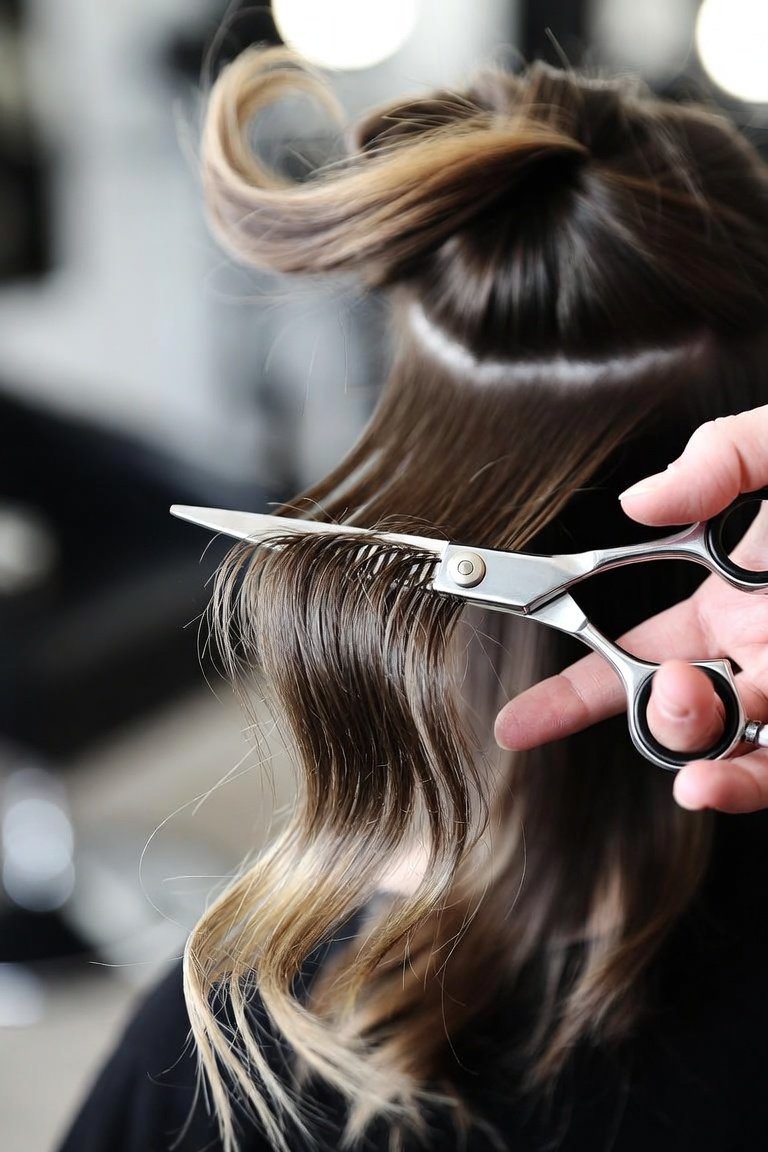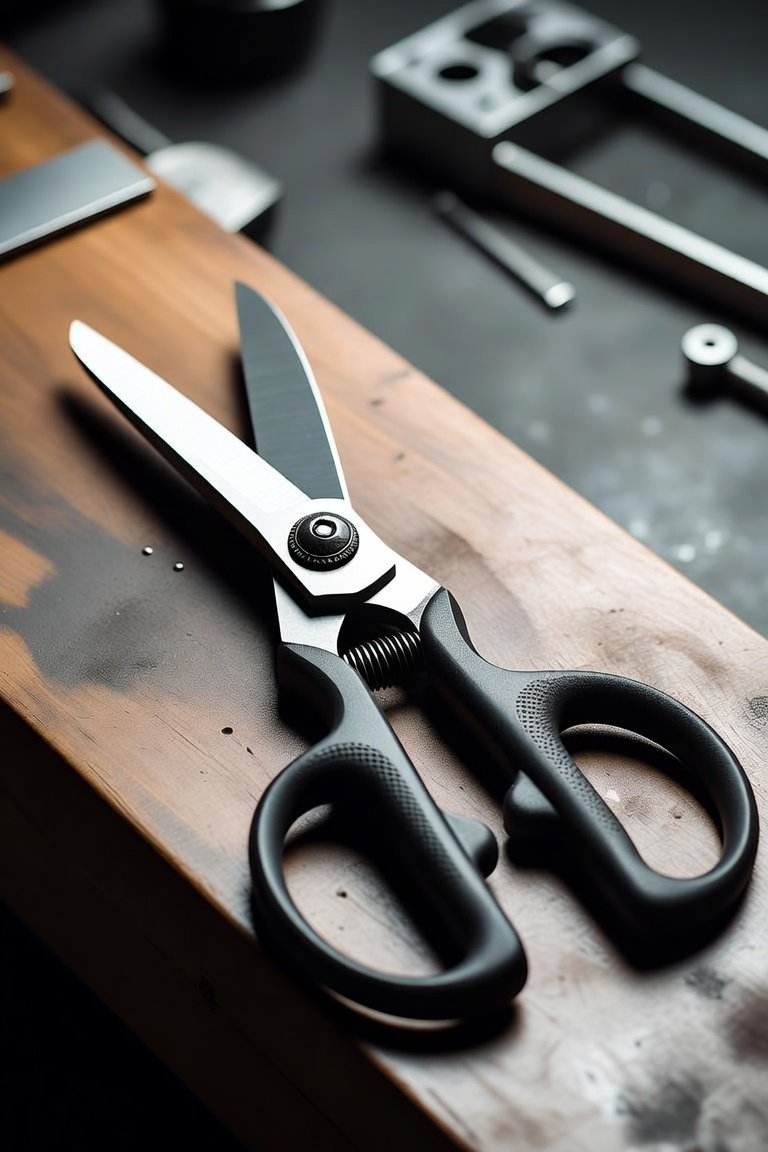
Offset Handle Shears: The Ultimate Guide for Precision Cutting
Offset Handle Shears: The Complete Guide For Professionals And Beginners
The right tool can make all the difference in any craft. For hair stylists, tailors, gardeners, and anyone who works with cutting, offset handle shears have become a favorite. Their unique design offers comfort, control, and precision. But what makes offset handle shears so special, and how do you choose the best pair for your needs? In this guide, you’ll discover the science behind their shape, see how they compare to traditional shears, and learn practical tips for getting the most out of them. Whether you’re a beginner or a seasoned pro, understanding offset handle shears can help you work smarter and more comfortably.
What Are Offset Handle Shears?
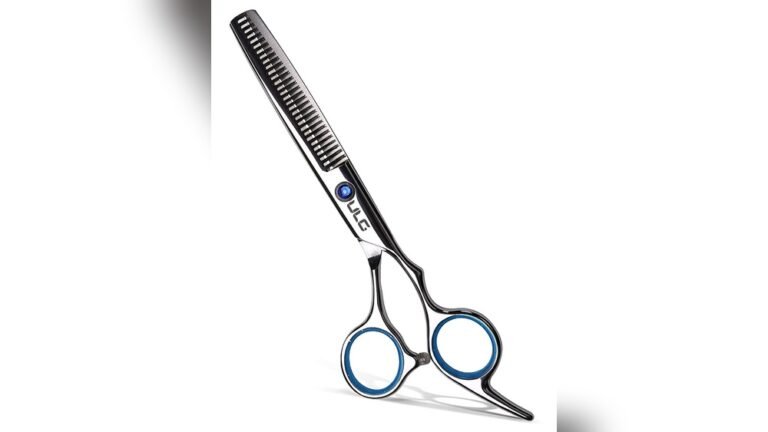
Offset handle shears are scissors with handles that are not in a straight line. Instead, one handle is set lower than the other. This simple change makes a big difference for your hand and wrist. The offset design lets your thumb and fingers sit in a more natural position. It reduces stress and helps you cut for longer without getting tired.
Offset handle shears are used in many fields:
- Hairdressing: Stylists use them for precision cutting and layering.
- Sewing and tailoring: Tailors prefer them for fabric cutting, as they cause less hand fatigue.
- Gardening: Pruners and shears with offset handles make trimming easier.
- Industrial work: Workers cutting materials like plastic or metal use offset shears for comfort.
The Anatomy Of Offset Handle Shears
Understanding the parts of offset handle shears helps you choose the right pair:
- Blades: Usually made of stainless steel, cobalt, or high-carbon steel for sharpness.
- Handles: The offset means the thumb ring is closer to the blade, while the finger ring is set back.
- Pivot screw: Holds the blades together. High-quality shears have adjustable screws.
- Finger rest: Many offset shears have a removable or fixed finger rest for extra control.
This design looks simple, but it’s based on ergonomic science. The offset handle reduces the need for your wrist to bend, making cutting easier and safer.
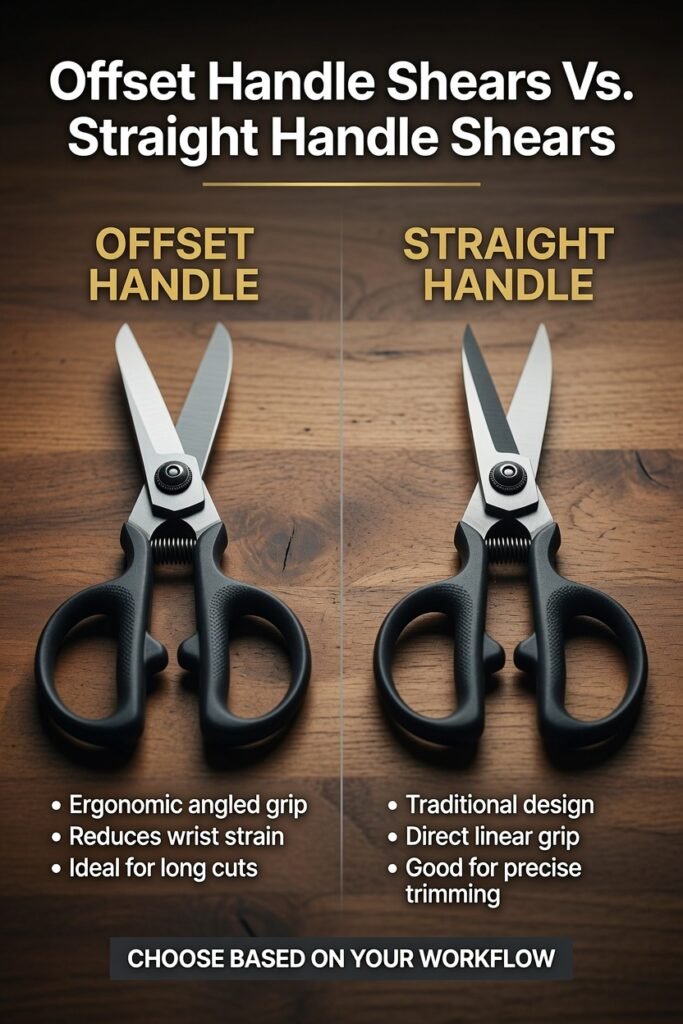
Offset Handle Shears Vs. Straight Handle Shears
Choosing between offset handle shears and straight handle shears is a common challenge, especially for beginners. Let’s compare them side by side.
| Feature | Offset Handle Shears | Straight Handle Shears |
|---|---|---|
| Handle Position | Thumb ring offset, ergonomic | Handles in straight line |
| Wrist Stress | Low | High |
| Finger Movement | Natural | Awkward |
| Control & Precision | High | Moderate |
| Comfort for Long Use | Excellent | Poor |
Offset handle shears win in every category except tradition. Some professionals still use straight handle shears because they learned on them. However, most modern stylists and tailors switch to offset handle shears for comfort and speed.
Why Offset Handle Shears Are Better For Ergonomics
The offset design puts your thumb in a forward position. This reduces the angle your wrist needs to work, making repetitive cuts easier. Studies show that offset handle shears can lower the risk of carpal tunnel syndrome and other repetitive strain injuries. For people who cut all day, this can mean less pain and more productivity.
Types Of Offset Handle Shears
Offset handle shears come in many shapes and sizes. The type you choose depends on your work:
1. Hairdressing Offset Shears
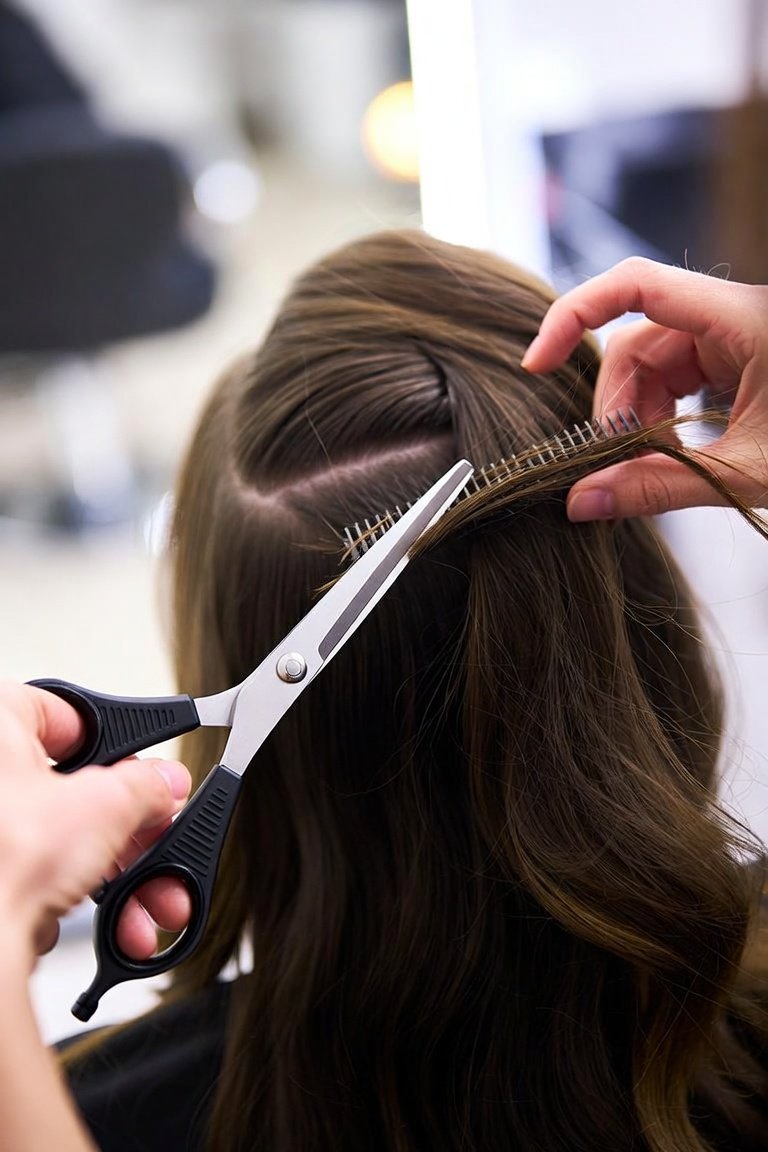
These are the most popular type. They are used for cutting, thinning, and texturizing hair. Hairdressing shears often have convex blades for smooth cutting and a removable finger rest.
2. Sewing And Fabric Offset Shears
Tailors and seamstresses use offset shears to cut fabric. The offset handle gives more leverage and control, especially when cutting thick materials like denim or wool.
3. Gardening Offset Shears
Gardeners use offset pruners and shears for trimming plants. The offset handle lets you keep your wrist straight, reducing strain during long sessions.
4. Industrial Offset Shears
For cutting tough materials like plastic, rubber, or metal, industrial offset shears are built stronger. The offset handle helps workers avoid fatigue in harsh conditions.
5. Specialty Offset Shears
Some offset shears are designed for unique tasks, like cutting leather, paper, or even food. For example, offset kitchen shears are used for poultry and herbs.
Each type has different blade shapes, handle sizes, and features. Always match the shears to your task.
How To Choose Offset Handle Shears
Finding the best offset handle shears is not just about price. Here’s what matters most:
Blade Material
- Stainless steel: Durable, rust-resistant, easy to sharpen.
- Cobalt steel: Harder, holds edge longer, usually more expensive.
- High-carbon steel: Very sharp, needs care to prevent rust.
Choose the material based on your cutting needs and budget. For hairdressing, cobalt steel gives the best performance. For general use, stainless steel is reliable.
Blade Shape
- Convex edge: Smooth, precise cuts. Popular in hairdressing.
- Beveled edge: Tough, good for heavy materials.
Convex blades are sharper but need more care. Beveled blades last longer and are easier to sharpen.
Handle Design
The offset is key, but other handle features matter too:
- Finger rest: Removable or fixed, gives extra control.
- Coating: Soft-touch coating prevents slipping.
- Ring size: Should fit your fingers comfortably.
Try holding the shears before buying. If shopping online, check reviews and size guides.
Pivot Screw
Adjustable pivot screws let you change the tension. This is important for precision work. Loose screws make the blades wobble, while tight screws make cutting hard.
Weight And Balance
The best shears feel balanced in your hand. Heavy shears can cause fatigue. Lightweight shears are better for long use, but must still be strong enough for the task.
Price
Offset handle shears range from $20 to $400. Higher prices usually mean better steel and craftsmanship. For beginners, mid-range ($50–$100) shears are ideal.
Brand Reputation
Buy from trusted brands. Look for warranties and after-sales support. Some brands offer sharpening services or free finger inserts.
Practical Tip: Try Before You Buy
If possible, try shears in person. See how they feel in your hand. If buying online, check the return policy.
Common Mistakes When Choosing Offset Handle Shears
Many beginners make mistakes when buying shears. Here are the most common:
- Buying based only on price: Cheap shears often use poor steel and go dull quickly.
- Ignoring handle size: If the finger rings are too small or too big, you’ll get blisters.
- Not checking blade type: Convex blades are not good for cutting thick fabric; they’re best for hair.
- Missing adjustable tension: Fixed screws limit your control and precision.
- Forgetting maintenance: Some shears need regular oiling and sharpening.
Avoid these mistakes by focusing on your needs, not just the looks or price.
How To Use Offset Handle Shears Correctly
Even the best offset handle shears won’t help if you use them wrong. Here’s how to cut safely and efficiently:
Proper Grip
- Place your thumb in the smaller ring.
- Your ring finger goes in the larger ring.
- Rest your pinky on the finger rest.
- Hold loosely; don’t squeeze hard.
This grip keeps your hand relaxed and prevents fatigue.
Cutting Technique
- Keep your wrist straight.
- Move your thumb only; don’t move your whole hand.
- Let the blades do the work—don’t force the cut.
- For long cuts, open and close the blades smoothly.
Many beginners push the shears too hard or twist their wrist. This causes pain and uneven cuts.
Maintenance After Use
- Wipe blades clean after every use.
- Oil the pivot screw weekly.
- Check tension every month.
- Sharpen blades as needed.
Proper care extends the life of your shears and keeps your cuts clean.
Real-world Examples: Offset Handle Shears In Action
Offset handle shears are used by professionals worldwide. Here are some real examples:
- Hair salons: Stylists use offset shears for layering and point cutting. They report less wrist pain and more accuracy.
- Tailoring shops: Seamstresses use offset fabric shears for cutting patterns. One tailor noted a 30% drop in hand fatigue after switching.
- Gardening crews: Landscapers use offset pruners for hours. Offset handles let them prune faster, with fewer injuries.
- Manufacturing: Workers cutting plastic sheets found offset shears reduced strain and improved productivity.
These examples show offset handle shears are not just a trend—they solve real problems.
Offset Handle Shears: Data And Industry Insights
The popularity of offset handle shears has grown fast. Here are some numbers:
- Hairdressing industry: Over 70% of US salons use offset handle shears as their main tool.
- Tailoring: Surveys show 60% of professional tailors prefer offset shears for fabric work.
- Ergonomics studies: Offset handle shears can reduce wrist strain by up to 40% compared to straight handle models.
Many brands now focus on offset designs. Market research suggests the offset handle shears industry will grow by 5% yearly through 2027.
| Industry | Percentage Using Offset Shears | Key Reason |
|---|---|---|
| Hairdressing | 70% | Comfort & precision |
| Tailoring | 60% | Less hand fatigue |
| Gardening | 55% | Reduced wrist strain |
| Industrial | 45% | Productivity |
These numbers show offset handle shears are now standard in many professions.
Offset Handle Shears Maintenance Tips
Proper maintenance keeps your offset handle shears sharp and comfortable. Here’s how:
Cleaning
- Clean blades after every use with a soft cloth.
- For hairdressing shears, use alcohol wipes to remove product residue.
- Avoid water—dry shears to prevent rust.
Oiling
- Oil the pivot screw weekly.
- Use light machine oil or specialized shear oil.
- Wipe away excess oil.
Sharpening
- Sharpen blades every 3–6 months if used daily.
- Use a professional sharpening service for convex blades.
- Beveled blades can be sharpened at home with a whetstone.
Storage
- Store shears in a protective case.
- Keep them away from moisture and dust.
- Don’t drop or toss shears—they can lose alignment.
Blade Alignment
- If blades cut unevenly, check alignment.
- Adjust tension screw or visit a professional.
Keeping your shears in top shape saves money and improves your work.
Offset Handle Shears: Who Should Use Them?
Offset handle shears are not just for professionals. Anyone who cuts often can benefit:
- Hair stylists and barbers: For precise, comfortable cuts.
- Tailors and seamstresses: For fabric and patterns.
- Gardeners: For pruning and trimming.
- Teachers and students: For classroom crafts.
- DIY enthusiasts: For home projects.
If you experience wrist or hand pain when cutting, offset handle shears may solve the problem.
How Offset Handle Shears Improve Productivity
Comfort and efficiency are linked. Offset handle shears help you work faster and longer:
- Less wrist pain means more hours cutting.
- Smooth, precise cuts reduce mistakes.
- Ergonomic design lowers injury risk.
- Better control lets you do detailed work.
A study showed that stylists using offset handle shears finished haircuts 15% faster than those with straight handles. For tailors, offset shears led to fewer errors in pattern cutting.
These productivity gains add up, especially for professionals.
Offset Handle Shears In The Market: Popular Brands
Many brands make offset handle shears. Here are some of the most respected:
| Brand | Best For | Price Range |
|---|---|---|
| Joewell | Hairdressing | $120–$350 |
| Fiskars | Fabric & Gardening | $25–$100 |
| Kai | Tailoring | $60–$200 |
| Wolff | Industrial | $80–$180 |
| Yasaka | Hairdressing | $100–$200 |
These brands offer warranties and sharpening services. When choosing, look for reviews and testimonials.
Non-obvious Insights: What Beginners Often Miss
- Finger ring inserts: Many offset handle shears come with removable inserts. These let you adjust ring size for a perfect fit. Beginners often ignore these, but they reduce blisters and improve control.
- Blade tension adjustment: Even small changes in tension can improve cut quality. A tight screw can make shears hard to open; a loose screw can cause hair or fabric to slip between blades.
Most beginners focus on sharpness but forget comfort and fit. Taking time to adjust your shears can make a big difference.
Offset Handle Shears And Health
Cutting for hours can cause pain and injury. Offset handle shears help protect your health:
- Lower risk of carpal tunnel syndrome
- Less hand, wrist, and shoulder pain
- Reduced fatigue
- Fewer repetitive strain injuries
Occupational health experts recommend offset handle shears for anyone who cuts often. They are now standard in many training programs.
For more on ergonomic tools, see Ergonomics Wikipedia.
Frequently Asked Questions
What Is The Main Advantage Of Offset Handle Shears?
The main advantage is ergonomic comfort. Offset handle shears keep your wrist in a natural position, reducing pain and fatigue. This lets you cut for longer and more accurately.
Can Offset Handle Shears Be Used For Both Left And Right-handed People?
Most offset handle shears are made for right-handed users. However, some brands offer left-handed models. Always check before buying. Using the wrong model can cause discomfort.
How Often Should I Sharpen Offset Handle Shears?
Sharpening depends on use. For daily hairdressing, sharpen every 3–6 months. For fabric or gardening, sharpen every 6–12 months. Dull blades can damage materials and cause hand strain.
What’s The Difference Between Convex And Beveled Blades In Offset Shears?
Convex blades are sharper and ideal for precision work like hairdressing. Beveled blades are tougher and better for heavy materials. Choose based on your cutting needs.
Are Expensive Offset Handle Shears Worth The Price?
Yes, for professionals. Expensive shears use better steel and craftsmanship, lasting longer and cutting more smoothly. For beginners, mid-range shears offer good value.
Offset handle shears have changed the way professionals and hobbyists cut materials. Their ergonomic design offers clear advantages in comfort, precision, and health. By understanding the features, choosing the right model, and using them correctly, anyone can improve their cutting experience.
If you want to cut faster, safer, and with less pain, offset handle shears are a smart investment.