Razor Comb: Achieve Effortless Layered Haircuts at Home
The world of hair styling and grooming is full of tools that make life easier and give you more control over your look. Among these, the razor comb is often overlooked but incredibly useful. Whether you want to thin out thick hair, trim your beard, or add texture to your style, a razor comb can help you achieve professional results at home. It’s a simple tool, but learning to use it properly can make a big difference in your grooming routine.
In this guide, you’ll discover what makes the razor comb special, how it compares to other tools, the many ways you can use it, and how to avoid common mistakes. You’ll also find practical tips to get the best results, plus answers to common questions.
By the end, you’ll know if a razor comb should become part of your personal care toolkit.





What Is A Razor Comb?
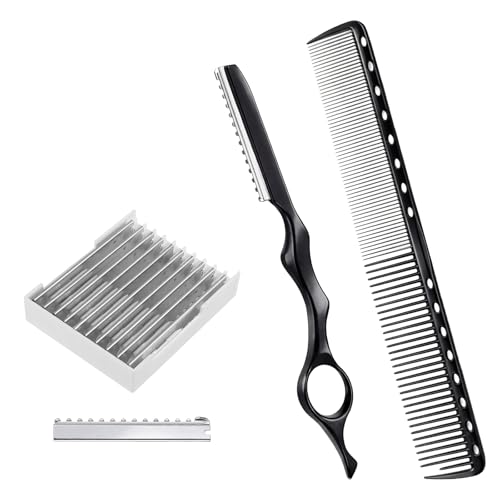
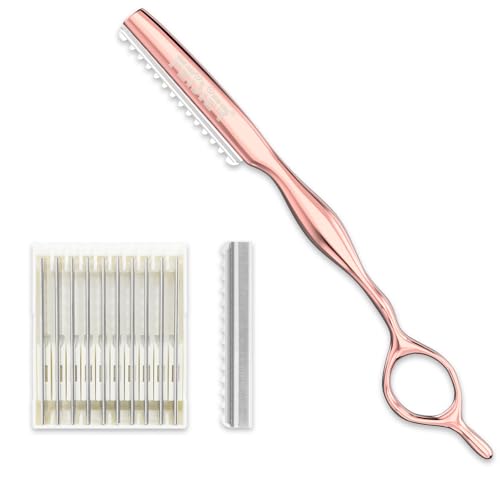
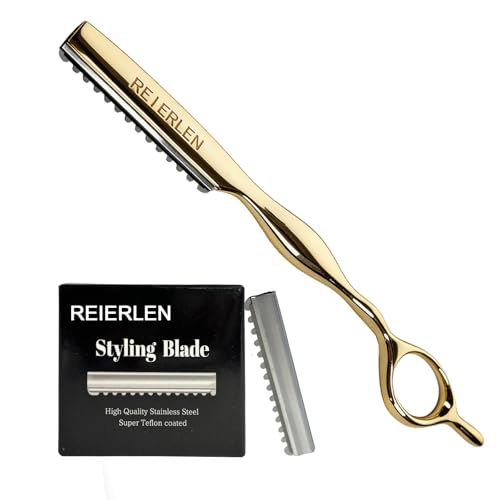
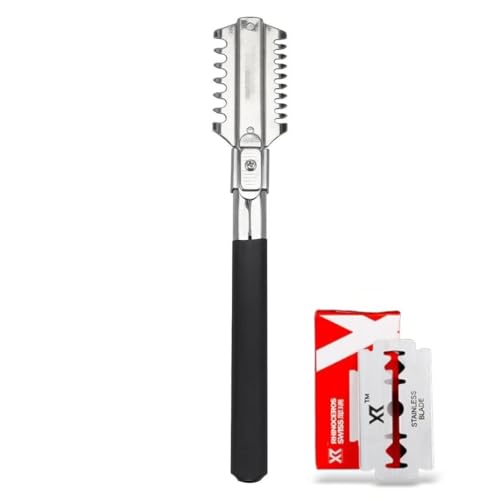
A razor comb is a grooming tool that combines a regular comb with a built-in razor blade. As you run the comb through your hair, the blade cuts some strands, creating a natural, textured effect. This tool is popular among both professionals and home users for its ability to thin, shape, and layer hair without making sharp, straight lines.
There are two main types of razor combs:
- Single-sided razor combs: These have a razor on only one side, giving you more control over how much hair you remove.
- Double-sided razor combs: These have razors on both sides, sometimes with different cutting strengths (one side for thinning, one for regular cutting).
Some models feature removable or replaceable blades, while others are fixed and disposable. Razor combs are typically made from plastic or metal and are lightweight and easy to handle.
How Does A Razor Comb Work?
A razor comb works by cutting hair as you comb, but in a much softer way than scissors. The hair passes through the teeth of the comb, where the blade trims off small amounts. This action thins out thick sections, blends layers, and adds texture without creating blunt ends.
Here’s why people choose razor combs:
- They create natural-looking layers and texture
- They help thin out heavy or bulky hair
- They are easy to use for small trims or touch-ups
- They are more affordable than regular salon visits
Unlike scissors, which cut all the hair in their path, a razor comb only trims a portion. This makes mistakes less likely, especially for beginners.
Key Uses For Razor Combs
Razor combs offer a range of uses, both at home and in salons. Here are the most common applications:
Thinning Thick Hair
If you have thick or dense hair, a razor comb can remove bulk without changing the overall style. This makes your hair easier to manage and style.
Creating Layers
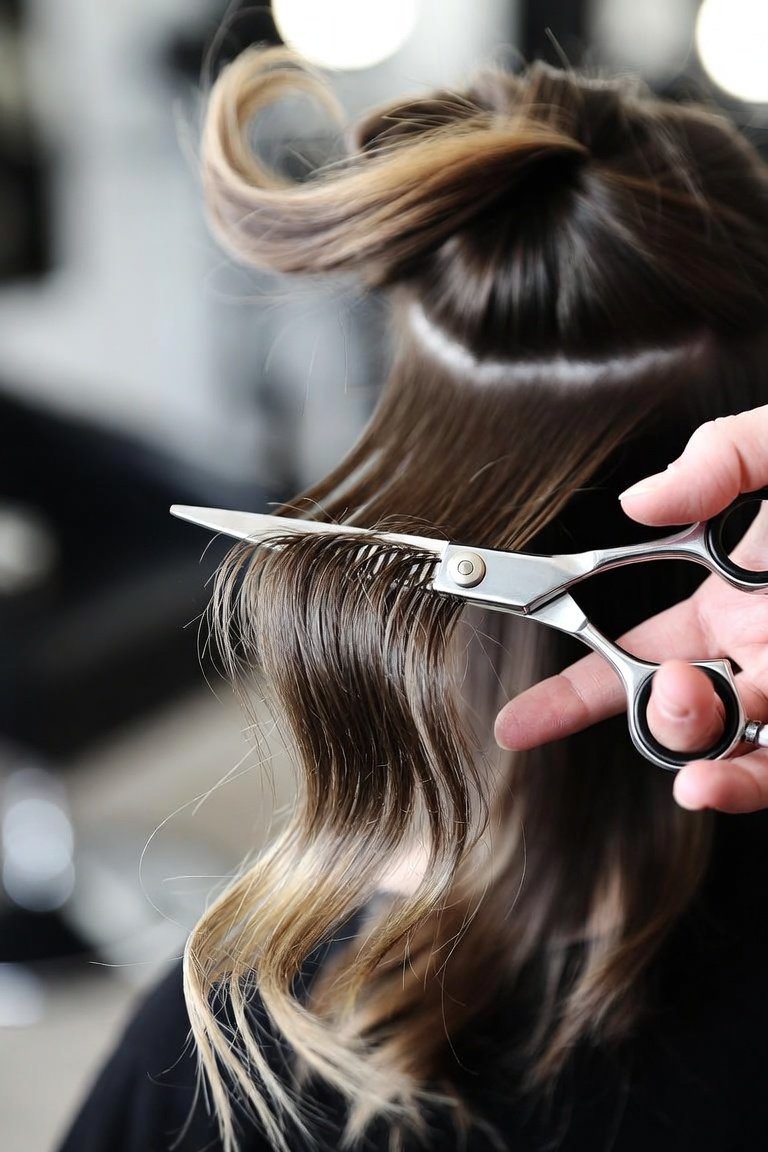
Stylists often use razor combs to add layers to medium or long hair. The tool helps blend the layers, making them look soft and natural instead of choppy.
Texturizing
Adding texture gives hair movement and volume. Razor combs are great for texturizing, especially for short and medium styles. You can use them to create a messy, tousled look.
Trimming Bangs And Fringes
You can use a razor comb to trim bangs, especially if you want them to blend smoothly with the rest of your hair. The razor cuts in a way that avoids harsh lines.
Beard And Mustache Grooming
Barbers and at-home users often use razor combs to thin out thick beards or mustaches, making them easier to shape and control.
Pet Grooming
Some pet owners use razor combs to thin and shape their pets’ fur, particularly for breeds with thick coats. However, always check if your tool is safe for animals before using it this way.
Razor Comb Vs. Other Hair Tools
Understanding how a razor comb compares to other hair tools helps you choose the right one for your needs. The table below outlines the differences among common options.
| Tool | Main Function | Best For | Result |
|---|---|---|---|
| Razor Comb | Thinning, layering, texturizing | Thick hair, blending layers | Soft, natural finish |
| Hair Scissors | Cutting straight lines, trims | Precision cuts, blunt ends | Sharp, defined finish |
| Thinning Shears | Removing bulk, blending | Thick or curly hair | Blended, reduced bulk |
| Electric Trimmer | Shortening length, edging | Short styles, beards | Uniform, clean finish |
A razor comb is especially useful if you want to thin hair or add texture without the learning curve of scissors or shears. However, for sharp lines or very short cuts, scissors or trimmers may be better.
Who Should Use A Razor Comb?
A razor comb is not just for professionals. It’s ideal for:
- People with thick, heavy, or unruly hair
- Those who want to add layers or texture at home
- Anyone who wants to blend haircuts between salon visits
- Men who want to thin beards or mustaches
- Parents who do quick trims for kids
However, it may not suit everyone. People with very fine, thin, or damaged hair should use razor combs with care, as the tool can make hair look even thinner or increase split ends if overused.
How To Use A Razor Comb: Step-by-step Guide
Using a razor comb is not difficult, but good technique matters. Follow these steps for a safe and effective trim:
- Start with clean, dry hair. Wet hair can stick and pull, making the cut uneven.
- Section your hair. Clip or tie up the parts you don’t want to cut.
- Hold the razor comb at an angle. Place the comb a few inches from your scalp.
- Gently comb through the section. Use light, short strokes. Don’t force the comb—let the blade do the work.
- Check your progress often. After every few strokes, stop and see how much hair has been removed.
- Blend carefully. Move the comb downward, not across, to avoid harsh lines.
- Clean the comb regularly. Remove hair from the teeth and blade to keep it working smoothly.
If you’re new, always take less hair at first. You can always remove more, but you can’t put hair back!
Example: Thinning Out Bangs
Suppose your bangs are thick and keep falling into your eyes. Here’s how you can use a razor comb:
- Hold the bangs between your fingers.
- Place the razor comb just below your fingers.
- Comb downward in short, gentle motions.
- Stop often to check how they look.
- Blend the edges to avoid a “chopped” effect.
This technique creates soft, wispy bangs that blend with the rest of your hair.
Choosing The Right Razor Comb
Not all razor combs are created equal. Here’s what matters when choosing one:
Blade Quality
Look for stainless steel blades. They stay sharp longer and are less likely to rust. Dull blades tug hair and give uneven results.
Handle Comfort
A comfortable grip makes a difference, especially for long sessions. Test the handle shape and weight if possible.
Adjustable Or Replaceable Blades
Some models let you change blades or adjust the cutting strength. This is useful for different hair types or for sharing the tool with others.
Safety Features
Many razor combs have blade covers or guards to prevent deep cuts. This is especially helpful for beginners.
Price
Most razor combs are affordable, usually between $5 and $20. Higher-end models may have better ergonomics or longer-lasting blades.
Below is a quick comparison of some popular types:
| Type | Blade | Handle | Best For | Average Price |
|---|---|---|---|---|
| Single-sided | 1 razor, removable | Plastic, ergonomic | Precision, beginners | $8 |
| Double-sided | 2 razors, fixed or removable | Plastic or metal | Versatility, quick thinning | $10 |
| Professional | Stainless steel, adjustable | Heavy-duty, metal | Salon, long-term use | $18 |
| Disposable | Fixed blade | Basic plastic | Travel, one-time use | $5 |
Non-obvious tip: Many users forget to check blade sharpness when buying online. Dull blades are a common source of frustration and poor results.
Razor Comb Techniques For Different Hair Types
Using a razor comb effectively depends on your hair type and your goal. Here’s how to adapt your technique:
For Thick Or Curly Hair
- Use slow, steady strokes.
- Work in small sections to avoid removing too much at once.
- Focus on the underside to reduce volume without changing the outer shape.
For Straight Or Fine Hair
- Use a light touch to avoid thinning too much.
- Razor combs can add volume at the ends, but don’t use them near the roots.
- Always check progress; fine hair shows changes quickly.
For Short Hair
- Use the razor comb to add texture, not remove length.
- Short, upward strokes help create movement and prevent a “helmet” look.
For Long Hair
- Focus on the mid-lengths and ends for layers.
- To avoid unevenness, always cut less than you think you need.
Pro insight: Never use a razor comb on wet, fragile, or overly processed hair, as it can lead to breakage and split ends.
Common Mistakes And How To Avoid Them
Even though razor combs are beginner-friendly, there are some pitfalls. Here’s what to watch out for:
- Using on wet hair: This can cause uneven cuts and more breakage. Dry hair is best for razor combs.
- Applying too much pressure: Let the blade do the work. Forcing the comb can lead to harsh lines or even nicks.
- Cutting too much at once: Always start slowly. Removing a little at a time gives you more control.
- Not cleaning the blade: Hair can build up and block the blade, making it less effective and more likely to pull.
- Using a dull blade: Dull blades cause tugging, discomfort, and uneven results. Replace them often.
- Ignoring hair type: Fine or damaged hair needs extra care. Over-thinning can make hair look flat or frizzy.
- Skipping aftercare: Use a nourishing conditioner or oil after using a razor comb to reduce dryness.
A common beginner mistake is trying to copy salon techniques without adapting to your own hair. Stylists use specific angles and tension—at home, go slower and check your work often.
How To Maintain And Clean Your Razor Comb
Regular cleaning and maintenance extend the life of your razor comb and keep results consistent. Here’s how:
- Remove hair from the teeth and blade after each use. Use a small brush or old toothbrush.
- Wash the comb with warm, soapy water. Dry thoroughly to avoid rust.
- Change or sharpen blades regularly. Every 3–6 uses is a good rule, but it depends on your hair type and tool quality.
- Store in a dry place. Moisture can dull the blade and promote rust.
Don’t forget: a clean, sharp razor comb is safer and gives better results.
Advantages And Limitations
A razor comb isn’t perfect for every situation. Here are the main pros and cons to consider:
Advantages
- Easy to use for most people, even beginners
- Affordable compared to salon visits or high-end shears
- Creates natural, blended results
- Versatile for hair, beard, and even pets
- Quick touch-ups between haircuts
Limitations
- Not ideal for precision cutting or sharp lines
- Can cause split ends if misused or overused
- Not suitable for very fine, brittle, or damaged hair
- Blade needs regular replacement or sharpening
- Some people find the learning curve tricky for advanced styles
One insight many beginners miss: razor combs are best for *maintenance and blending*, not for full haircuts from scratch.
Razor Comb Safety Tips
While razor combs are safer than open razors, they still have sharp blades. To avoid injury:
- Keep the comb away from your scalp. Start a few inches out and move slowly.
- Never rush. Hurrying increases the chance of nicks or uneven cuts.
- Use the guard if available. This prevents the blade from cutting too deep.
- Store safely. Keep out of reach of children or pets.
- Replace dull blades. A sharp blade is safer than a dull one.
If you do accidentally cut yourself, clean the area with soap and water. If irritation continues, pause using the tool until healed.
Real-world Examples
Consider these situations where a razor comb makes life easier:
- A busy parent uses a razor comb to thin their child’s thick bangs before school, saving time and money.
- A college student keeps their undercut looking sharp between barbershop visits, stretching their budget.
- A stylist uses a razor comb to add texture to a client’s long bob, giving it movement and style.
- A man with a thick beard uses a razor comb to reduce bulk without losing length.
These examples show how versatile and practical a razor comb can be, especially when used with care.
Where To Buy A Razor Comb
You can find razor combs in most beauty supply stores, pharmacies, or online marketplaces. Popular brands include Conair, Diane, and Andis. When buying online, read reviews and check for replaceable blades.
For more details about razor combs, you can also visit the Wikipedia page on razor combs.
Frequently Asked Questions
What’s The Difference Between A Razor Comb And Thinning Shears?
A razor comb has a blade built into a comb, while thinning shears are scissors with teeth on one side. Both thin hair, but a razor comb creates a softer, more blended effect. Thinning shears are better for precise thinning in small areas.
Can I Use A Razor Comb On Children’s Hair?
Yes, but use extra caution. Always start with a small section, use light strokes, and avoid getting too close to the scalp. Make sure the child stays still to prevent accidental nicks.
How Often Should I Replace The Blade In My Razor Comb?
Replace the blade every 3–6 uses, or whenever you feel tugging or see uneven cuts. For thick or coarse hair, you may need to replace it more often.
Will Using A Razor Comb Damage My Hair?
If used properly—on dry, healthy hair and with a sharp blade—a razor comb should not cause damage. Overuse, dull blades, or using on wet or fragile hair can lead to split ends or breakage.
Is A Razor Comb Good For Curly Hair?
Yes, a razor comb can thin and blend curly hair, but use it carefully. Work in small sections and always check progress. Avoid using it on very dry or damaged curls.
Final Thoughts
A razor comb is a simple yet powerful tool for anyone who wants to take control of their hair or beard. Its ability to thin, blend, and add texture makes it a smart addition to your grooming kit. With practice, you can achieve salon-like results without the high cost or long appointments. Just remember to use a gentle touch, keep the blade sharp, and adapt your technique to your hair type. Whether you’re a beginner or looking to improve your skills, a razor comb can help you style with confidence and creativity.