Left-Handed Shears: The Ultimate Guide for Precision Cutting
Left-handed Shears: A Complete Guide For Lefties
If you’re left-handed, you know that the world is designed for right-handed people. Everyday tools, from scissors to desks, often feel awkward or uncomfortable. For lefties, something as simple as cutting paper can become a struggle. That’s where left-handed shears come in. These specialized tools are more than a novelty—they are essential for comfort, safety, and efficiency. Whether you’re a student, tailor, gardener, or professional stylist, understanding and choosing the right left-handed shears can make a huge difference in your daily life.


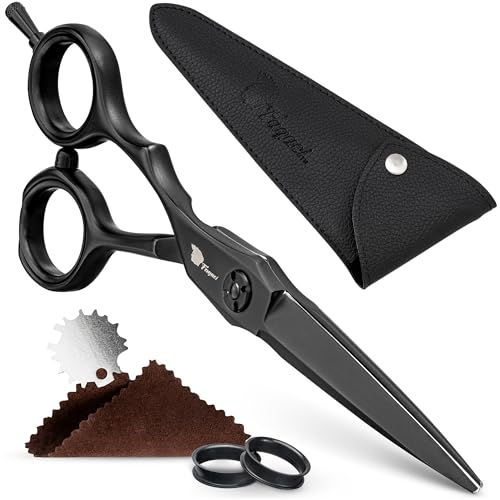

What Are Left-handed Shears?
Left-handed shears are cutting tools designed specifically for people who use their left hand as the dominant hand. Unlike regular scissors, they are engineered so that the blades, handle, and pivot favor left-handed movement. This design allows left-handed users to see the cutting line clearly, apply pressure naturally, and avoid hand fatigue.
Right-handed shears force lefties to push the blades apart rather than together, leading to poor cuts and pain. In contrast, true left-handed shears reverse the blade orientation and handle grip, solving these problems. It’s important not to confuse these with “ambidextrous” or “universal” scissors, which rarely work well for lefties.
Why Left-handed Shears Matter
Many left-handed people try to adapt to right-handed scissors out of necessity. However, this adaptation comes at a cost:
- Reduced accuracy: The cutting line is hidden, making it hard to follow.
- Hand strain: The hand position is unnatural, leading to discomfort and even injury.
- Poor results: Cuts are often jagged, frayed, or incomplete.
For children, struggling with right-handed scissors can even slow down learning and confidence. For adults in fields like sewing, hairdressing, or crafting, using the wrong shears can affect work quality and speed.
A 2018 study from the Left-Handers Club found that over 85% of left-handed respondents experienced discomfort using regular scissors, and 70% said their work improved after switching to left-handed shears. Left-handed shears are not just a convenience—they are a necessity for many tasks.
The Science Behind Left-handed Shears
The unique design of left-handed shears comes from two main features:
- Blade orientation: In left-handed shears, the top blade is on the left, so lefties can see what they are cutting. The blades push together (not apart) when squeezed with the left hand, ensuring a smooth cut.
- Handle shape: True left-handed shears have handles shaped for left fingers and thumb, often with a reversed ergonomic grip.
Here’s a simple comparison:
| Feature | Right-Handed Shears | Left-Handed Shears |
|---|---|---|
| Top Blade Position | Right | Left |
| Cutting Line Visibility | Hidden for lefties | Visible for lefties |
| Handle Ergonomics | Shaped for right hand | Shaped for left hand |
| Cut Quality (for lefties) | Poor | Excellent |
Non-obvious insight: Many “left-handed” scissors in stores are only right-handed blades with reversed handles. This does not solve the cutting problem for lefties. Always check blade alignment, not just handle color or shape.
Types Of Left-handed Shears
Left-handed shears come in many varieties, each designed for specific tasks. Understanding the main types can help you pick the right tool for your needs.
1. General Purpose Scissors
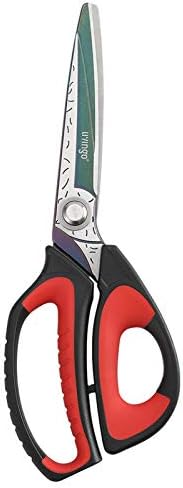
These are basic shears for everyday tasks—cutting paper, opening packages, or doing crafts. They usually have stainless steel blades and plastic handles. Good for home, school, or office use.
2. Sewing And Tailoring Shears
Left-handed fabric shears are longer and sharper, made to cut fabric smoothly. The blades are strong enough for thick materials like denim or felt. Precision matters in sewing, so proper left-handed shears make a big difference.
3. Hairdressing Shears
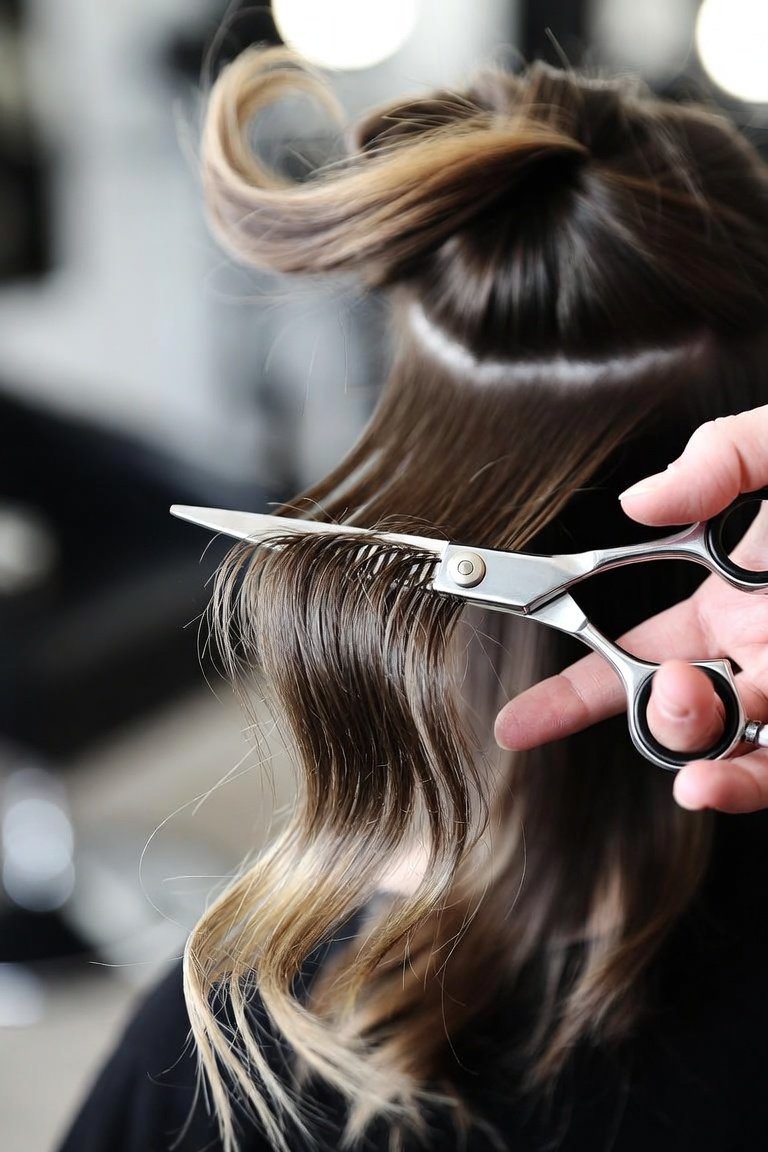
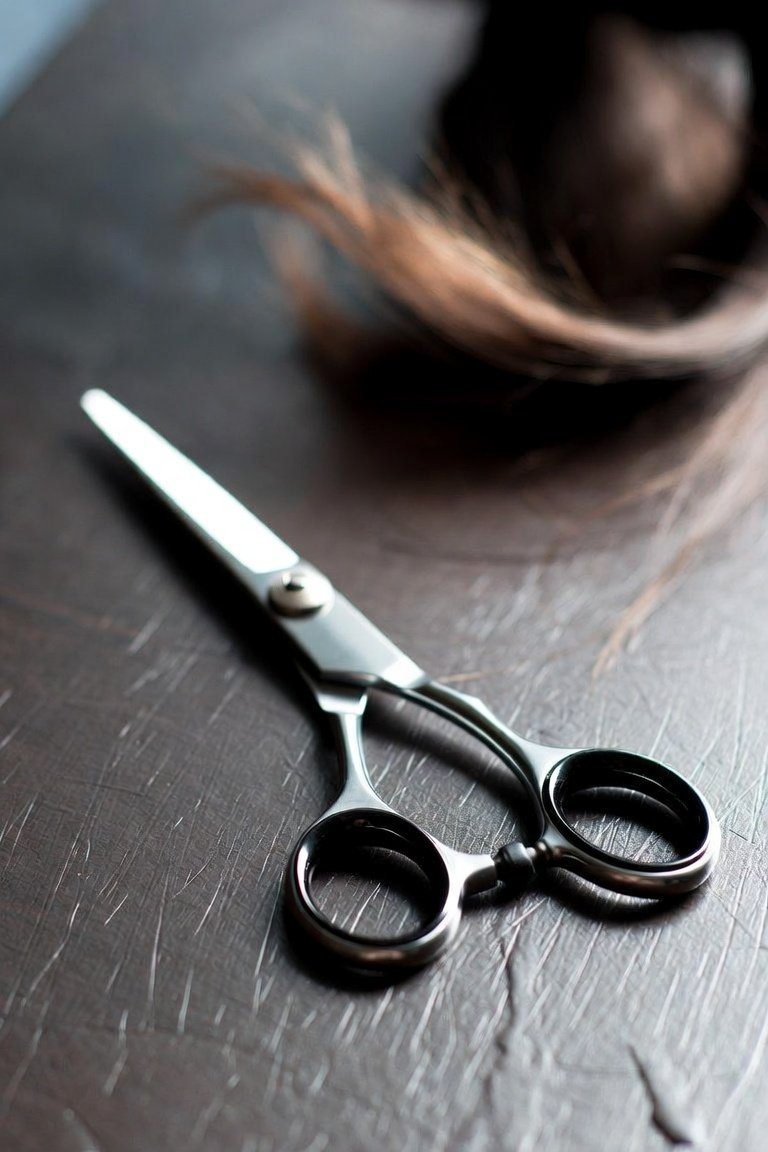
Haircutting requires accuracy and comfort. Left-handed hairdressing shears have finely honed blades and ergonomic grips to reduce wrist strain. Professionals who cut hair daily need this level of design for both safety and style.
4. Kitchen Shears
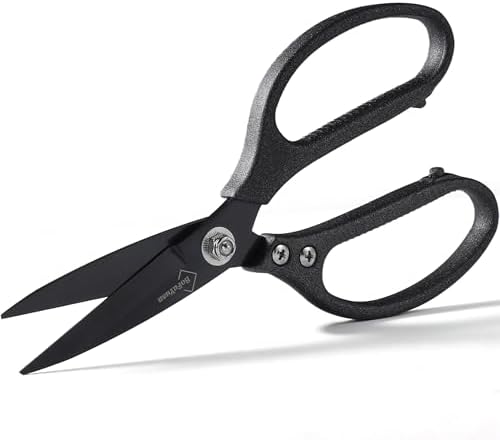
Some left-handed kitchen shears are made for tasks like cutting herbs, trimming meat, or opening packaging. These often feature non-slip grips and blades that resist corrosion.
5. Gardening Shears
Gardeners use pruners, loppers, and hedge shears. Left-handed gardening shears help avoid blisters and ensure cleaner cuts on stems and branches.
6. Specialty Shears
- Pinking shears for decorative edges in sewing
- Embroidery scissors for fine detail work
- Industrial shears for cutting metal, plastic, or tough materials
Each type has left-handed versions for comfort and safety.
How To Identify True Left-handed Shears
Buying the right shears is not always simple. Many products are advertised as “left-handed” but are actually just right-handed models with a different color handle. Here’s how to spot true left-handed shears:
- Open the blades and look from above: The blade on the left should be on top.
- Hold in your left hand and cut: The cutting line should be visible, and the blades should glide without resistance.
- Check the handle shape: It should fit your left fingers and thumb naturally.
- Read the product details: Trusted brands will specify “true left-handed blades,” not just “ambidextrous.”
Another tip: In stores, try the shears if possible. For online shopping, look for clear photos and customer reviews from other lefties.
Benefits Of Using Left-handed Shears
Left-handed shears offer several clear benefits:
- Better control: You can see the cutting line, making precise cuts easier.
- Less hand fatigue: The grip matches your hand shape, reducing strain during long use.
- Improved results: Blades work with your natural motion, giving cleaner cuts in fabric, hair, or paper.
- Safer cutting: Less slipping and awkward twisting, which lowers the risk of accidents.
- Confidence boost: Especially for children, using the right tools helps build skills and self-esteem.
For professionals, the right shears can mean fewer mistakes, faster work, and less risk of repetitive strain injuries.
Common Mistakes When Buying Left-handed Shears
Even experienced lefties sometimes choose the wrong shears. Here are mistakes to avoid:
- Assuming all “left-handed” scissors are equal: Some are only cosmetically different.
- Buying by price alone: Cheap shears often have poor blade quality, leading to frustration.
- Ignoring blade length and type: Choose the right size for your task—short blades for detail work, long blades for fabric.
- Overlooking handle comfort: Try the grip if you can. Uncomfortable handles cause blisters or cramps.
- Skipping reviews: Other lefties’ experiences can reveal hidden problems or benefits.
How To Choose The Best Left-handed Shears
Selecting the best shears depends on your needs and budget. Here’s what to consider:
Blade Material
- Stainless steel: Durable and rust-resistant, good for most tasks.
- High-carbon steel: Holds a sharper edge, ideal for professional use.
- Titanium-coated blades: Resist corrosion and stay sharper longer.
Handle Design
- Ergonomic grips: Reduce fatigue, especially for prolonged cutting.
- Soft-touch handles: More comfortable, less likely to slip.
- Spring-loaded handles: Useful for people with arthritis or limited strength.
Blade Length
- Short (2–4 inches): Best for detail work, crafts, or embroidery.
- Medium (5–7 inches): Good all-purpose size.
- Long (8–12 inches): Ideal for fabric, hair, or thick materials.
Brand Reputation
Trusted brands like Fiskars, Kai, Mundial, and Gingher make true left-handed shears. They’re often more expensive but last longer and work better.
Price
- Budget: $5–$20 for basic pairs
- Mid-range: $20–$50 for sewing or kitchen use
- Professional: $50–$200 for hairdressing or tailoring
Paying more often means better materials, smoother action, and longer life.
Maintenance
Some shears require occasional sharpening. Choose models that are easy to maintain, especially for heavy use.
Comparing Left-handed Shears: Popular Models
To help you decide, here’s a comparison of popular left-handed shears across different uses:
| Model | Blade Length | Main Use | Approx. Price | Special Features |
|---|---|---|---|---|
| Fiskars Left-Handed Scissors | 8 in | General Purpose | $15 | SoftGrip handle |
| Kai 7250L Shears | 10 in | Sewing/Fabric | $50 | High-carbon steel |
| Joewell Left-Handed Hair Shears | 5.5 in | Hairdressing | $120 | Professional quality |
| ARS VS-8ZL Pruners | 8 in | Gardening | $35 | Lightweight, ergonomic |
Non-obvious insight: Sometimes, left-handed shears are harder to find or more expensive. Shopping online or through specialty stores often gives more options and better information.
How To Use And Care For Left-handed Shears
Getting the most from your left-handed shears involves both correct use and regular maintenance.
Usage Tips
- Hold the shears naturally: Your thumb goes in the top hole, fingers in the bottom.
- Cut with steady pressure: Don’t force the blades; let the sharpness do the work.
- Keep the blades clean: Wipe after each use, especially with sticky materials.
- Use the right shears for the job: Don’t use sewing shears on paper, or hair shears on fabric—they dull quickly.
Maintenance Steps
- Sharpen blades regularly: Many hardware stores offer sharpening, or buy a simple home sharpener.
- Oil the pivot: A drop of oil in the screw keeps the action smooth.
- Tighten the screw: If blades feel loose, tighten the pivot screw gently.
- Store safely: Use blade covers or keep in a drawer to avoid accidents.
Proper care can double or triple the lifespan of your shears.
Adapting To Left-handed Shears: What To Expect
If you’ve used right-handed scissors all your life, switching can feel odd at first. You may need a few days to adjust to the new grip and blade orientation. Most lefties report that, after a short learning period, their comfort and cutting accuracy improve greatly.
Children may adapt even faster. For left-handed kids, using the correct shears from a young age prevents bad habits and frustration. Teachers and parents should encourage left-handed children to use the right tools.
Left-handed Shears In Professional Fields
Certain jobs require precise, comfortable cutting. In these careers, left-handed shears are not just helpful—they’re essential.
Sewing And Tailoring
Tailors and quilters often cut fabric for hours each day. Using left-handed fabric shears prevents fatigue and ensures straight lines. Many professional sewing shops now stock left-handed options.
Hairdressing
A left-handed hair stylist using right-handed shears must twist their hand awkwardly, risking repetitive strain injuries. Left-handed hair shears allow for natural wrist movement, leading to better cuts and healthier hands.
Gardening
Gardeners need to trim, prune, and shape plants. Using right-handed pruners can cause blisters and poor cuts. Left-handed gardening shears let lefties work longer with less pain.
Culinary Work
Chefs and home cooks benefit from left-handed kitchen shears for tasks like spatchcocking poultry or snipping herbs. A proper grip means more speed and safety.
The Left-handed Market: Trends And Availability
About 10% of the world’s population is left-handed. In the past, left-handed tools were rare, but demand is rising. Many major brands now offer left-handed models, and online stores have made specialty shears more accessible.
However, some regions or stores may still have limited selection. In these cases, online shopping or ordering directly from manufacturers is often the best solution.
| Region | In-Store Availability | Online Availability |
|---|---|---|
| North America | Medium to High | High |
| Europe | Medium | High |
| Asia | Low | Medium to High |
| Australia | Medium | High |
Non-obvious insight: Some left-handed shears are made in small batches by specialist companies. These are often higher quality but may require direct ordering and a longer wait.
Real-world Stories: The Impact Of Left-handed Shears
For many left-handed people, using the right shears is life-changing. One left-handed seamstress reported that after switching to proper shears, she doubled her work speed and stopped getting blisters. A left-handed high school student, frustrated with craft projects, found that school became more enjoyable and less stressful with the right scissors.
Professionals in hairdressing and tailoring often say that left-handed shears reduced hand pain and improved the quality of their work. These stories highlight that small changes—a better pair of shears—can make a big difference.
Frequently Asked Questions
What Is The Difference Between Left-handed And Right-handed Shears?
The main difference is blade orientation and handle design. In left-handed shears, the blades are reversed so lefties can see the cutting line, and the handles are shaped for comfort in the left hand. This allows for smooth, accurate cutting.
Are “ambidextrous” Or “universal” Scissors Good For Left-handed Users?
Most “ambidextrous” scissors still use right-handed blades. They may be usable but don’t offer the same comfort or precision as true left-handed shears. For best results, choose shears specifically designed for left-handed use.
Why Are Left-handed Shears More Expensive Or Harder To Find?
Left-handed tools are made in smaller quantities, and the design is more specialized. This can make them cost more and limit availability, especially in smaller stores. Online retailers and specialty shops usually have the best selection.
Can Children Use Left-handed Shears?
Yes, and they should. Using left-handed shears helps children develop proper cutting skills and avoids frustration. Many brands make left-handed scissors sized for young hands.
How Can I Sharpen Or Maintain Left-handed Shears?
You can sharpen them like regular scissors, but be careful to maintain the left-handed blade orientation. Many hardware stores offer sharpening, or you can use a home sharpener. Keep blades clean and oiled, and store them safely when not in use.
For more information about left-handed tools and their impact, check resources like the Wikipedia page on left-handedness.
Left-handed shears may seem like a small change, but for lefties, they open up a world of comfort and accuracy. With the right pair, everyday tasks—and even professional work—become easier, safer, and more enjoyable. If you’re left-handed or know someone who is, investing in proper left-handed shears is a smart and worthwhile choice.