Bamboo Facial Cloth: The Ultimate Eco-Friendly Skincare Essential
Bamboo Facial Cloth: The Complete Guide To Cleaner, Greener Skincare
People are looking for better ways to care for their skin and the planet. In recent years, bamboo facial cloths have become a popular choice for those wanting a gentle, eco-friendly alternative to traditional face towels. But what makes bamboo so special? How do these cloths compare to cotton or microfiber? If you’re curious about making the switch, this article will help you understand everything you need to know about bamboo facial cloths—from their unique benefits and care tips, to how to choose the right one for your skin. Let’s dive into the world of bamboo facial cloths and see why they’re changing skincare routines everywhere.
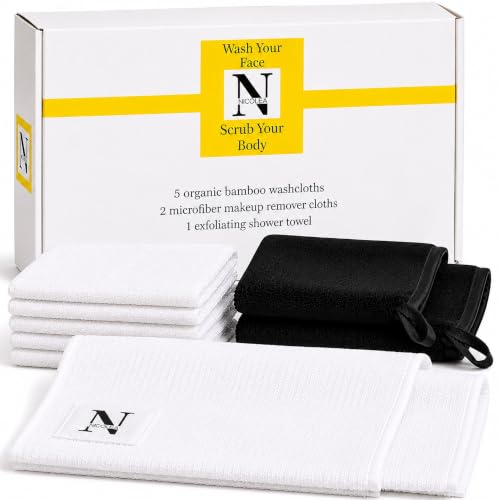


What Is A Bamboo Facial Cloth?
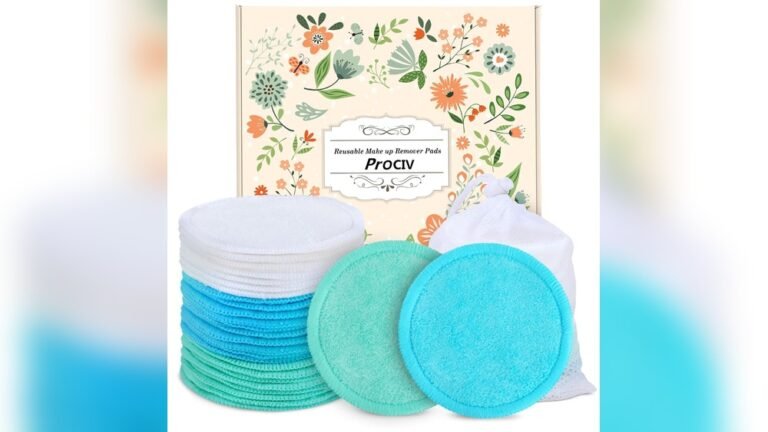
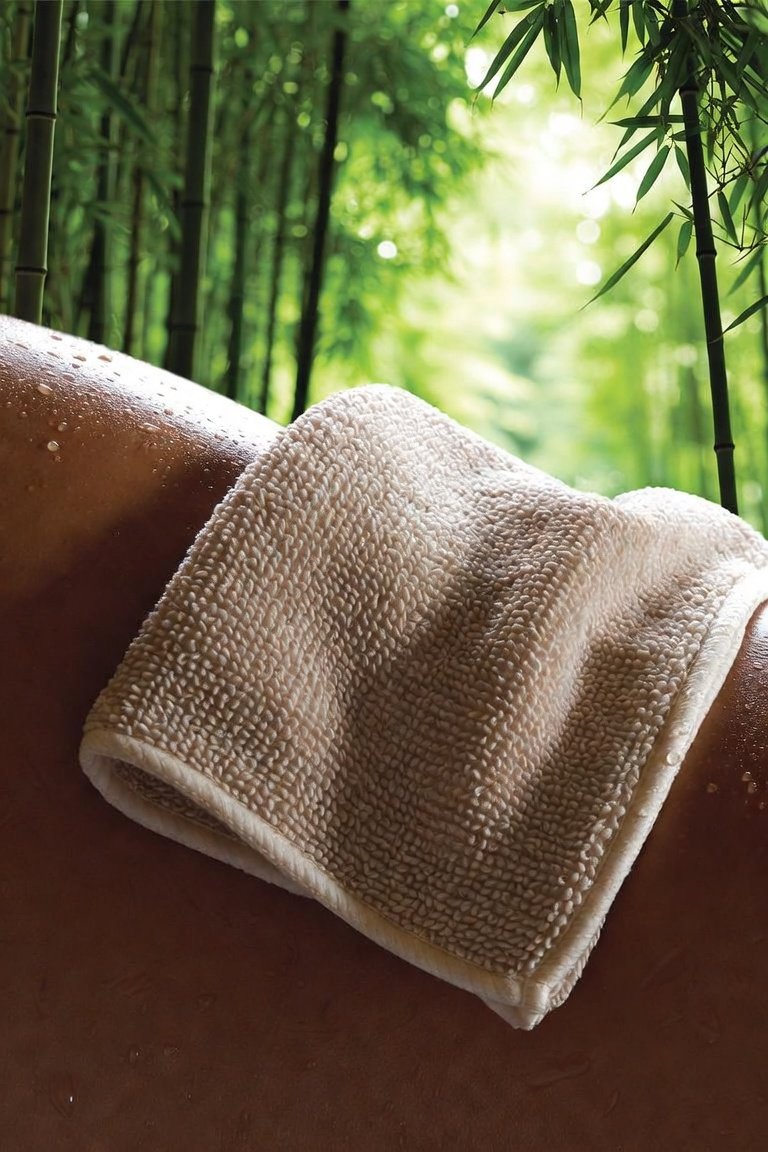
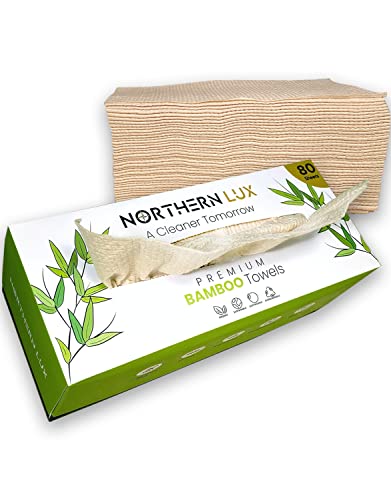
A bamboo facial cloth is a soft towel made from bamboo fibers. Unlike regular cotton towels, these cloths use fibers from the bamboo plant, which is known for its rapid growth and minimal water needs. Bamboo fibers are processed to create a fabric that feels smooth and gentle on the skin. Many bamboo facial cloths are designed for cleaning the face, removing makeup, or applying skincare products.
Most bamboo facial cloths contain a blend of bamboo viscose (sometimes called bamboo rayon) and other fibers such as cotton or polyester. Pure bamboo cloths are rare and often more expensive. The typical ratio is 70% bamboo to 30% cotton, which combines the softness of bamboo with the durability of cotton.
Bamboo facial cloths come in various sizes, usually ranging from small squares (8×8 inches) to larger rectangles (12×12 inches). They can be found in different thicknesses and weaves, depending on their intended use.
Why Bamboo? The Science Behind The Fiber
Bamboo is not just a trendy material—it offers real advantages for both skin and the environment.
Natural Properties
Bamboo fibers are naturally antibacterial. Studies show that bamboo contains a compound called “bamboo kun,” which resists bacteria growth even after washing. This helps bamboo facial cloths stay fresher longer than regular towels.
Bamboo is also hypoallergenic. People with sensitive skin often find bamboo cloths less irritating compared to cotton or synthetic materials. The fibers are round and smooth, which reduces friction and prevents tiny abrasions.
Another key property is moisture wicking. Bamboo absorbs moisture quickly and releases it fast, so your cloth dries faster and feels less damp. This helps prevent mildew and unpleasant smells.
Environmental Benefits
Bamboo is one of the fastest-growing plants in the world. It can grow up to 35 inches per day and does not require pesticides or much water. Compared to cotton, bamboo farming uses:
- 1/3 less water
- No chemical fertilizers
- No pesticides
This makes bamboo a sustainable resource. When you choose bamboo facial cloths, you help reduce the environmental impact of your skincare routine.
Data Table: Bamboo Vs Cotton Vs Microfiber
Here’s a quick comparison of the main materials used for facial cloths:
| Property | Bamboo | Cotton | Microfiber |
|---|---|---|---|
| Antibacterial | Yes | No | No |
| Hypoallergenic | Yes | Sometimes | No |
| Moisture Wicking | High | Medium | Very High |
| Eco-Friendly | High | Medium | Low |
| Durability | High | Medium | High |
| Softness | Very Soft | Soft | Soft |
How Bamboo Facial Cloths Are Made
The process of turning bamboo into a facial cloth involves several steps. Understanding these steps can help you appreciate the quality and sustainability of the final product.
- Harvesting Bamboo: Farmers cut mature bamboo stalks without harming the plant. Bamboo regrows quickly, so harvesting is sustainable.
- Processing Fibers: The stalks are crushed and soaked to extract the cellulose. This creates a pulp, which is spun into fibers. Most bamboo facial cloths are made from bamboo viscose, which uses a chemical process to create soft, silky threads.
- Spinning and Weaving: The bamboo fibers are blended with other materials (usually cotton) and spun into yarn. The yarn is woven into fabric, then cut and sewn into cloths.
- Finishing: The cloths are dyed, washed, and treated to remove any residue. High-quality cloths use natural dyes and avoid harsh chemicals.
Non-obvious Insight: Not All Bamboo Cloths Are Equal
Some brands use a process called “closed-loop” manufacturing, which recycles chemicals and reduces waste. These cloths are more eco-friendly but may cost more. Always check the production method if sustainability is important to you.
Benefits Of Using Bamboo Facial Cloths
Bamboo facial cloths offer more than just a soft texture. Here are the main advantages:
1. Gentle On Skin
The smooth fibers of bamboo make these cloths ideal for sensitive skin. They don’t scratch or irritate, even when used daily. People with eczema, acne, or allergies often see improvements after switching to bamboo.
2. Naturally Antibacterial
Bamboo helps prevent bacteria buildup, reducing odors and keeping your cloth clean. This is especially important for people who wash their face multiple times a day.
3. Eco-friendly Choice
Choosing bamboo helps lower your carbon footprint. Bamboo grows without chemicals and uses less water than cotton. The plant also releases 35% more oxygen than trees, making it a climate-friendly crop.
4. Absorbent And Quick-drying
Bamboo cloths absorb water well but dry faster than cotton. This means they stay fresh and don’t develop mildew.
5. Durable And Long-lasting
Bamboo fibers are strong and flexible. With proper care, a bamboo facial cloth can last years without losing softness.
6. Less Staining
Bamboo resists stains better than cotton. Makeup, oils, and skincare products wash out easily.
7. Versatile Uses
You can use bamboo facial cloths for cleansing, exfoliating, removing makeup, or applying masks. Some people even use them as baby washcloths.
8. Non-obvious Insight: Reduces Need For Harsh Cleansers
Because bamboo cloths are naturally antibacterial and exfoliating, you may need less soap or cleanser. This saves money and protects your skin from over-drying.
How To Use Bamboo Facial Cloths Effectively
Using a bamboo facial cloth is simple, but a few tips will help you get the best results.
Step-by-step Guide
- Wet the Cloth: Use lukewarm water. Cold water can shock the skin, while hot water may damage fibers.
- Apply Cleanser: Put a small amount of cleanser on the cloth or directly on your face.
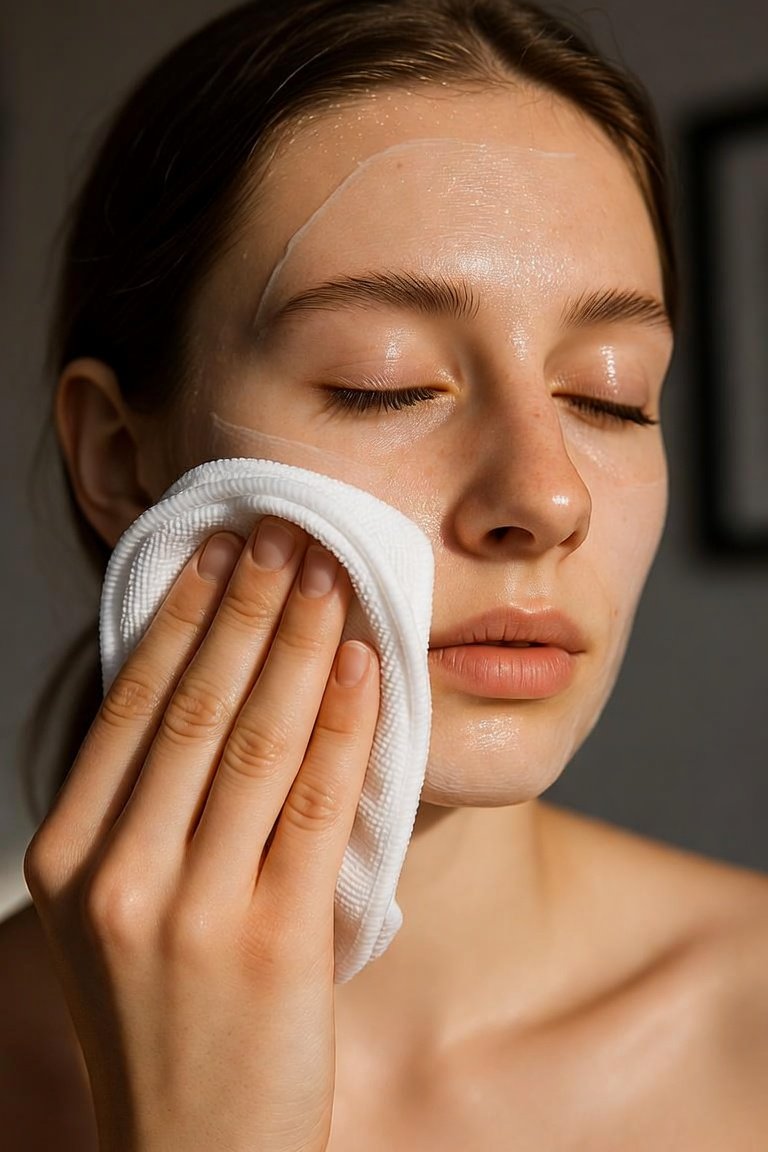
- Cleanse Gently: Use circular motions. Don’t scrub too hard—let the cloth do the work.
- Rinse and Repeat: Rinse the cloth thoroughly and wipe again if needed.
- Pat Dry: Use the cloth to gently pat your face dry, avoiding rubbing.
Example Routine
- Morning: Use a bamboo cloth to wash your face with water only. The antibacterial property keeps your skin clean.
- Evening: Remove makeup with a bamboo cloth and gentle cleanser. You may need a second cloth for tough eye makeup.
Practical Tips
- Always wash your bamboo cloth after each use.
- Use separate cloths for face and body to avoid cross-contamination.
- Replace cloths every 12–18 months if you use them daily.
How To Care For Your Bamboo Facial Cloth
Proper care extends the life of your bamboo facial cloth and keeps it hygienic.
Washing Tips
- Machine Wash: Use cold or lukewarm water. Hot water can shrink or damage fibers.
- Mild Detergent: Avoid bleach and fabric softeners. These can break down bamboo fibers and reduce softness.
- Air Dry: Lay flat or hang to dry. Avoid high heat from dryers, which can weaken the cloth.
- Wash Separately: Bamboo cloths pick up lint easily. Wash with similar materials.
Common Mistakes
- Washing with towels or jeans, which cause pilling.
- Using harsh detergents, which reduce antibacterial properties.
- Not drying fully, which leads to mildew.
Stain Removal
For tough stains, soak the cloth in a mix of water and baking soda for 30 minutes, then wash as usual.
Data Table: Care Methods And Impact
Here’s a look at how different care methods affect bamboo facial cloths:
| Care Method | Effect on Cloth | Recommended? |
|---|---|---|
| Cold Wash | Keeps fibers strong, prevents shrinkage | Yes |
| Hot Wash | May shrink, weakens fibers | No |
| Bleach | Destroys antibacterial property | No |
| Air Dry | Maintains softness, prevents damage | Yes |
| Tumble Dry (High Heat) | Can cause pilling, reduces lifespan | No |
| Fabric Softener | Leaves residue, reduces absorbency | No |
How To Choose The Right Bamboo Facial Cloth
Choosing the best bamboo facial cloth depends on your skin type, needs, and personal preferences.
Key Factors To Consider
- Blend Ratio
- Pure bamboo is softer but less durable.
- Bamboo-cotton blends (70: 30) balance softness and strength.
- Weave and Thickness
- Looser weave is softer and more absorbent.
- Tighter weave is more durable and exfoliating.
- Size
- Small (8×8 inches) for face cleansing.
- Large (12×12 inches) for makeup removal.
- Color and Dye
- Choose natural or undyed cloths if you have sensitive skin.
- Avoid bright colors if you worry about fading or irritation.
- Certification
- Look for OEKO-TEX or organic certifications to ensure safe processing.
Common Buyer Mistakes
- Buying low-quality cloths that use harsh chemicals.
- Choosing thick cloths for delicate skin, which can cause irritation.
- Ignoring certification, risking exposure to toxic dyes.
Non-obvious Insight: Check For “closed-loop” Manufacturing
Some brands use eco-friendly processes that recycle chemicals. This reduces pollution and creates safer products. If sustainability matters, ask about manufacturing methods before buying.
Bamboo Facial Cloths Vs Other Materials
How does bamboo compare to cotton, microfiber, and other popular facial cloth materials? Let’s look at the pros and cons.
Bamboo Vs Cotton
- Softness: Bamboo is softer and gentler on skin.
- Absorbency: Bamboo absorbs more water and dries faster.
- Eco-Friendliness: Bamboo uses less water and no pesticides.
- Durability: Cotton can fray and lose shape faster.
Bamboo Vs Microfiber
- Cleaning Ability: Microfiber is very effective at removing dirt, but can be harsh on sensitive skin.
- Antibacterial: Bamboo resists bacteria naturally; microfiber does not.
- Environmental Impact: Microfiber is synthetic and releases microplastics when washed.
Data Table: Bamboo Vs Cotton Vs Microfiber
Here’s a practical comparison for buyers:
| Material | Softness | Eco-Friendly | Antibacterial | Absorbency | Skin Suitability |
|---|---|---|---|---|---|
| Bamboo | Very Soft | High | Yes | High | All, Sensitive |
| Cotton | Soft | Medium | No | Medium | Normal |
| Microfiber | Soft | Low | No | Very High | Normal |
Non-obvious Insight: Microfiber And The Microplastic Problem
Microfiber cloths can shed tiny plastic fibers in the wash, which pollute waterways. Bamboo does not have this issue, making it a better choice for eco-conscious users.
Real-life Examples And Success Stories
Many people have switched to bamboo facial cloths and seen real benefits. Here are a few stories:
- Emma, 32: After years of acne, Emma tried bamboo facial cloths. Within weeks, her skin was less red and irritated. She noticed fewer breakouts and better moisture balance.
- Lucas, 27: Lucas has sensitive skin and allergies. Cotton towels caused rashes, but bamboo cloths felt soothing and cool. He now uses them daily without any discomfort.
- Sophie, 41: Sophie wanted to reduce waste in her home. She switched to reusable bamboo facial cloths instead of disposable wipes. She saves money and produces less trash.
These stories show that bamboo facial cloths are not just a trend—they can make a real difference.
Environmental Impact And Sustainability
Bamboo facial cloths are a smart choice for those wanting to reduce their environmental footprint.
The Bamboo Advantage
- Bamboo grows up to 35 inches per day
- No pesticides or fertilizers needed
- Uses 1/3 less water than cotton
- Releases 35% more oxygen than trees
Bamboo is a renewable resource. When harvested, the roots stay in the ground and regrow, preventing soil erosion.
Production Considerations
Some bamboo cloths use chemicals for processing, which can reduce environmental benefits. Look for brands that use closed-loop manufacturing and avoid harmful substances.
Data Table: Environmental Impact Comparison
Here’s a summary of how bamboo, cotton, and microfiber compare:
| Material | Water Used | Pesticides | Renewable | Pollution |
|---|---|---|---|---|
| Bamboo | Low | No | Yes | Low |
| Cotton | High | Yes | Yes | Medium |
| Microfiber | Low | No | No | High (microplastics) |
External Reference
To learn more about bamboo’s sustainability, see this Wikipedia article on bamboo.
Potential Drawbacks And Limitations
Bamboo facial cloths are not perfect. Here are some possible issues:
- Higher Price: Bamboo cloths can cost more than cotton or microfiber. This is due to the processing and eco-friendly manufacturing.
- Availability: Not all stores carry bamboo facial cloths. You may need to shop online or at specialty stores.
- Color Fading: Bamboo fibers can lose color after many washes, especially if dyed.
- Processing Chemicals: Some bamboo cloths use chemicals in production. Check for certifications and eco-friendly processes.
Practical Solutions
- Buy in bulk to save money.
- Choose undyed, natural cloths for longer life.
- Look for OEKO-TEX or organic certifications.
Who Should Use Bamboo Facial Cloths?
Bamboo facial cloths are suitable for most people. Here’s who can benefit most:
- People with sensitive skin
- Those with allergies
- Anyone wanting to reduce waste
- Parents looking for gentle baby cloths
- Eco-conscious shoppers
If you have chronic skin conditions, consult a dermatologist before switching. Bamboo is safe for most, but individual reactions can vary.
Non-obvious Insight: Ideal For Travel
Bamboo facial cloths dry quickly and resist bacteria, making them perfect for travel. They stay fresh in your bag, and you don’t need to worry about odors.
Cost And Where To Buy
Bamboo facial cloths range from $8 to $20 per piece, depending on size, blend, and brand. Packs of 5–10 cloths are usually more affordable per item.
You can find bamboo facial cloths at:
- Eco-friendly online stores
- Natural beauty shops
- Large retailers like Amazon or Target
Always check reviews and certifications before buying.
Frequently Asked Questions
What Makes Bamboo Facial Cloths Better Than Cotton?
Bamboo facial cloths are softer, naturally antibacterial, and more eco-friendly than cotton. They absorb more water and dry faster, making them ideal for sensitive skin. Bamboo uses less water and grows without pesticides, so it’s a sustainable choice.
Can I Use Bamboo Facial Cloths For Makeup Removal?
Yes, bamboo facial cloths are perfect for removing makeup. They’re gentle enough for delicate areas like the eyes, and they resist stains. You can use them with makeup remover or just water for light makeup.
How Often Should I Wash My Bamboo Facial Cloth?
It’s best to wash your bamboo cloth after each use to prevent bacteria buildup. Use mild detergent and cold water. Avoid bleach and fabric softeners for longer life.
Are Bamboo Facial Cloths Safe For Babies?
Absolutely. Bamboo facial cloths are hypoallergenic and very soft, making them safe for baby skin. Many parents use them as baby washcloths or wipes.
What Should I Look For When Buying Bamboo Facial Cloths?
Check the blend ratio (higher bamboo content is softer), look for certifications like OEKO-TEX, and choose natural or undyed cloths if you have sensitive skin. Avoid brands that use harsh chemicals in processing.
Bamboo facial cloths offer a unique blend of comfort, performance, and sustainability. Whether you’re searching for a gentler way to care for your skin or a greener option for your home, bamboo facial cloths are a smart investment. By understanding their benefits and choosing wisely, you can enjoy cleaner skin and a cleaner planet—one wash at a time.