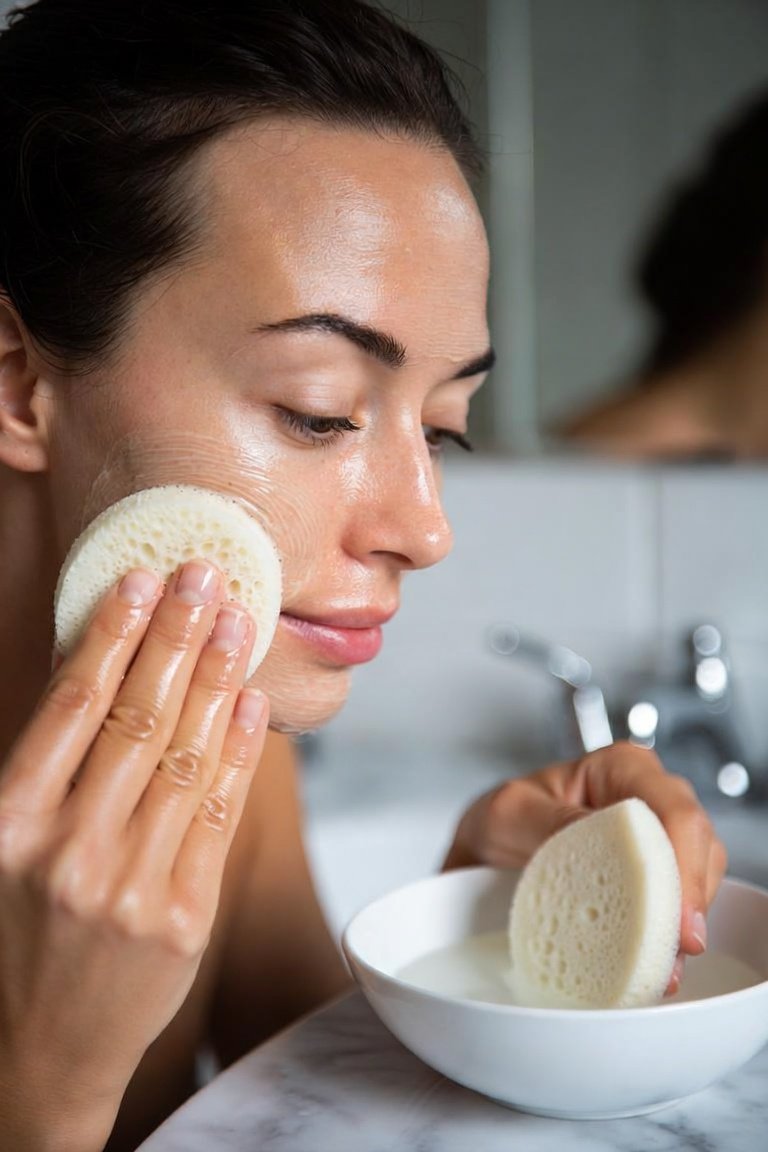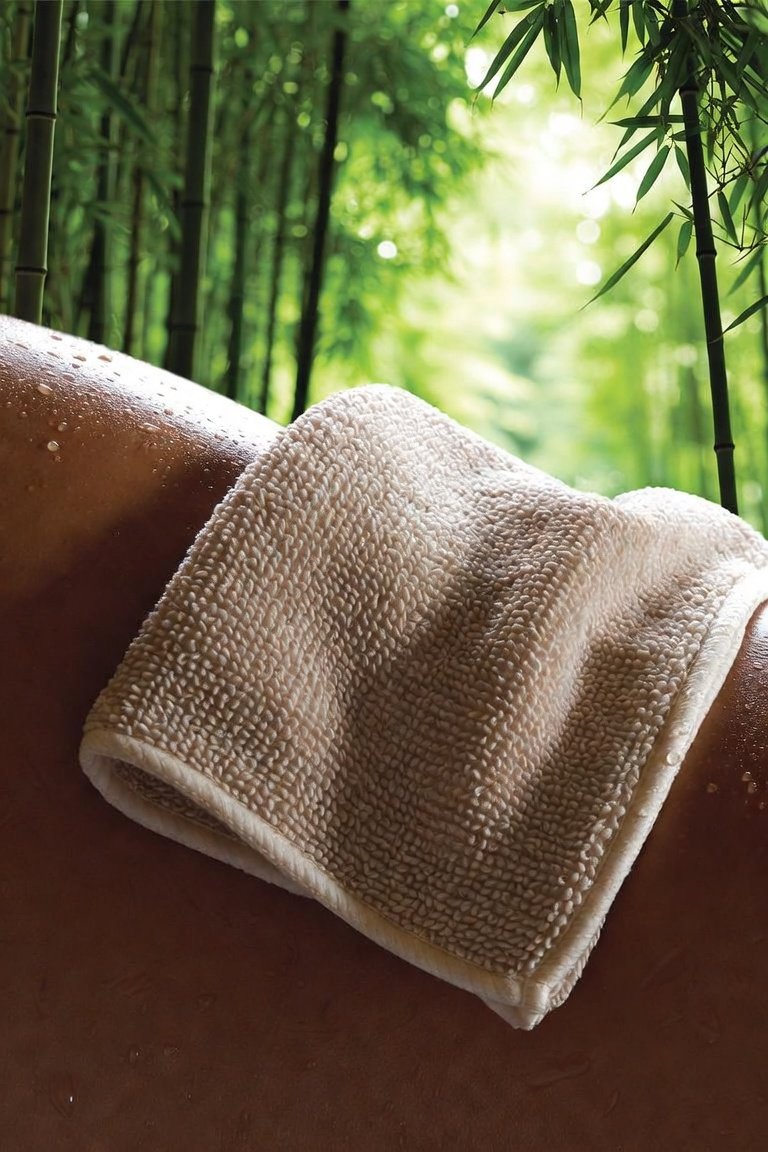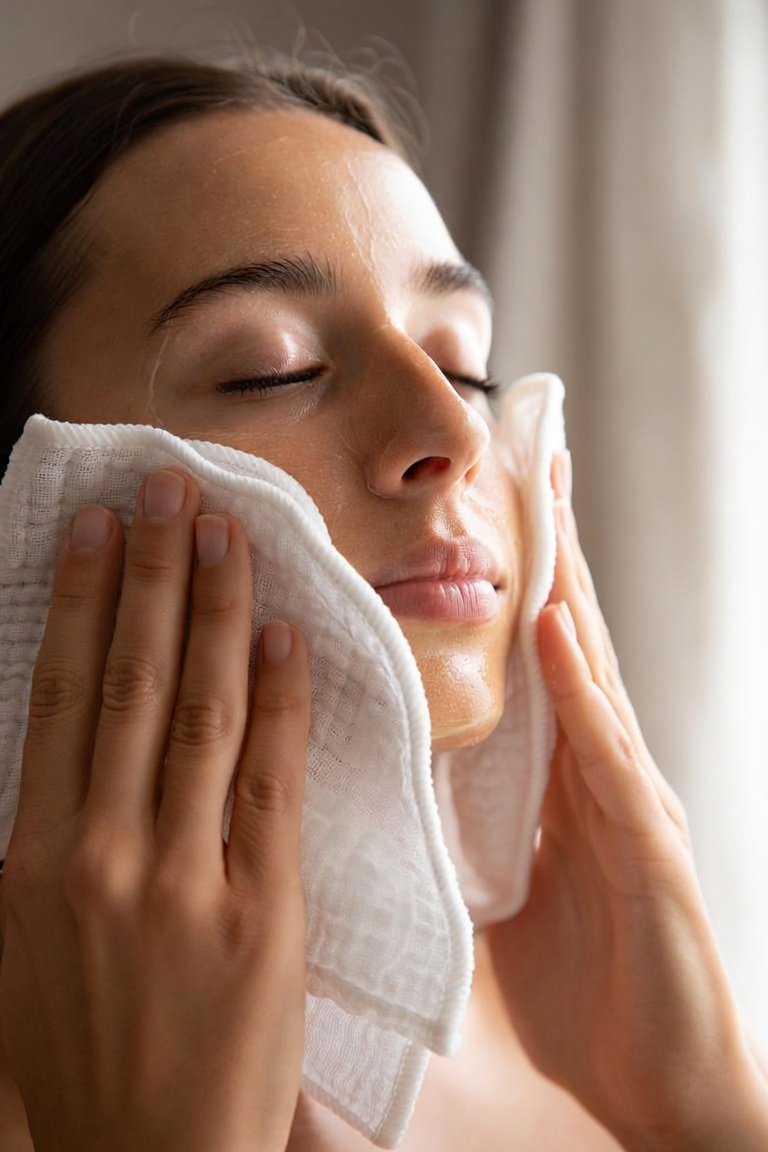
Muslin Cleansing Cloth: The Secret to Radiant, Smooth Skin
A soft cloth may not seem special, but the muslin cleansing cloth has quietly become a favorite tool in skincare routines around the world. Many who first try it are surprised by the gentle but effective results. Whether you’re a beauty beginner or a skincare enthusiast, learning about this simple cloth can change how you clean your face, remove makeup, and even manage sensitive skin. There’s more to muslin than meets the eye, and understanding its unique benefits can help you get the most from your daily routine.
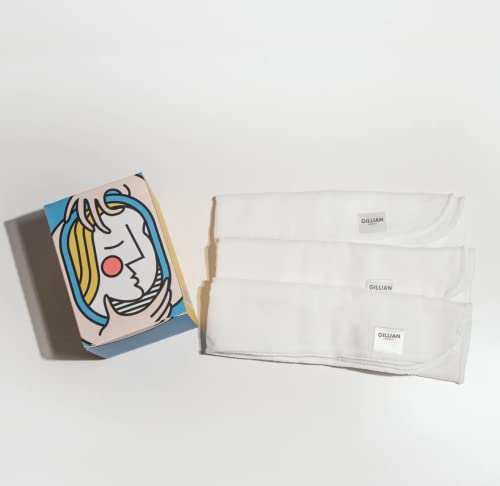
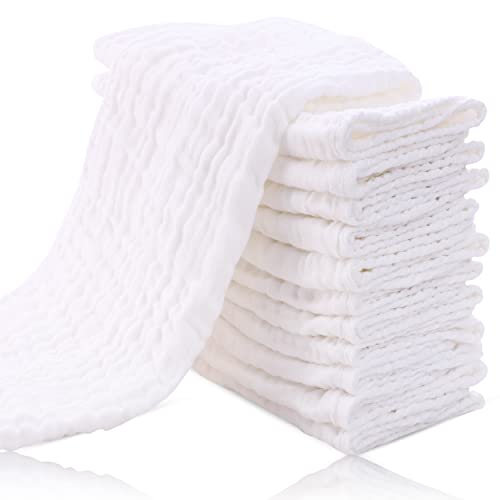

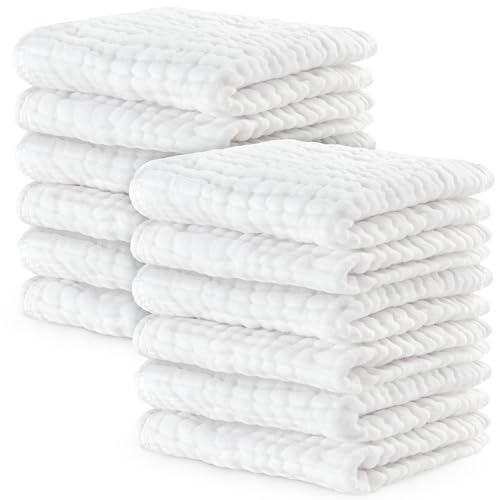
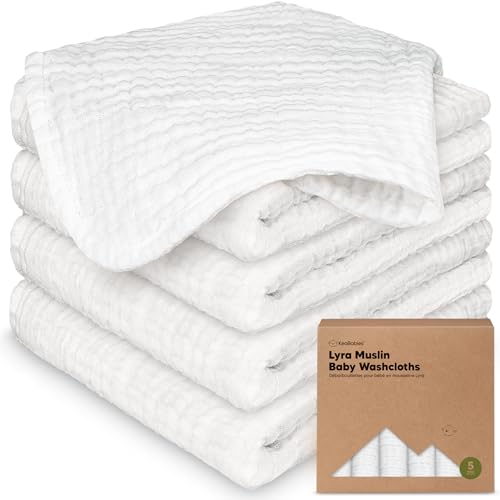


What Is A Muslin Cleansing Cloth?
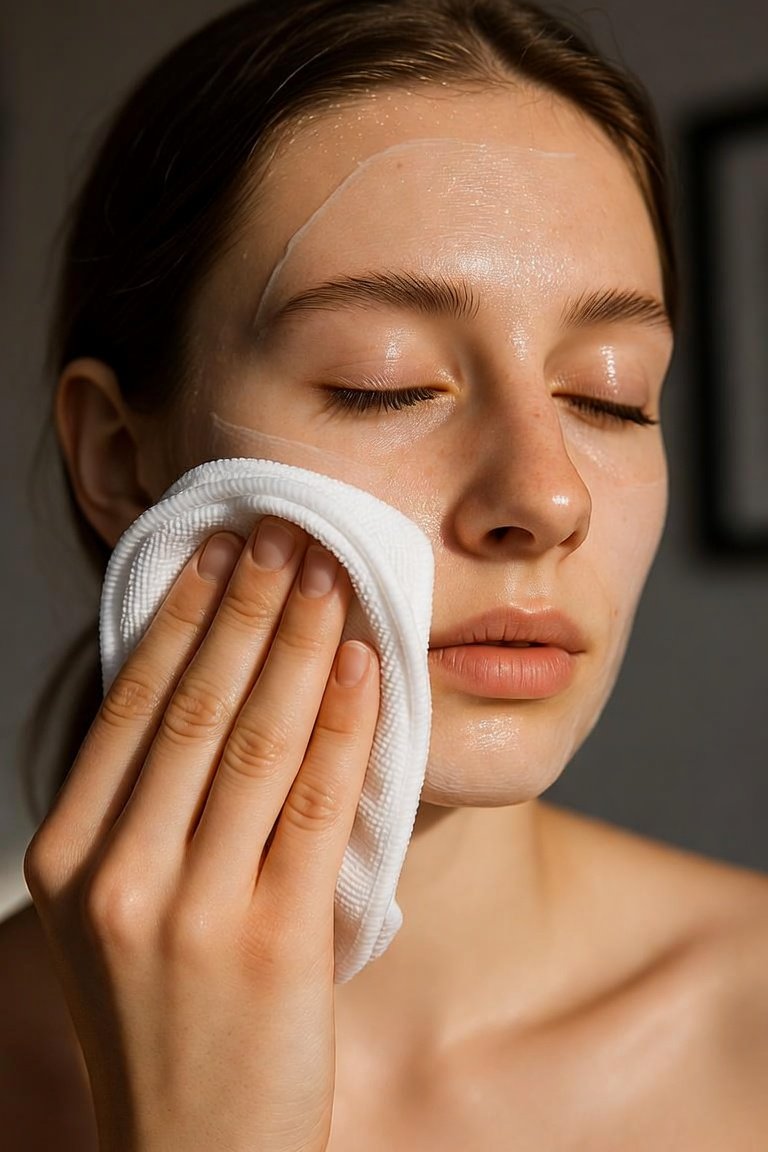
A muslin cleansing cloth is a lightweight, loosely woven fabric, often made from pure cotton. The name “muslin” comes from the city of Mosul, Iraq, where the fabric was first produced centuries ago. Today, muslin is known for its softness and breathability. When used for cleansing, muslin cloths are typically cut into small squares or rectangles—perfect for face washing.
Muslin is different from terry towels or microfiber cloths. Its fine weave creates a gentle texture that’s soft enough for everyday use but still offers slight exfoliation. This balance is key for people who want a deeper clean without irritating their skin.
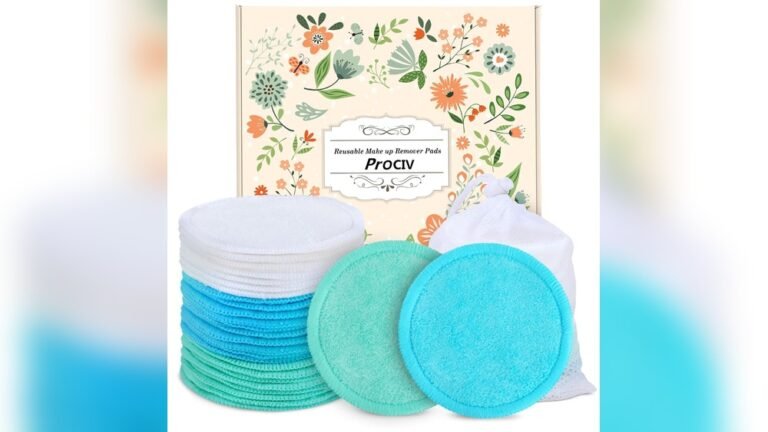
Muslin cloths are reusable and washable, making them a sustainable choice compared to disposable wipes or cotton pads. They’re also affordable, widely available, and easy to fit into almost any skincare routine.
Why Use A Muslin Cleansing Cloth?
Many people wonder why beauty experts recommend muslin cleansing cloths when there are so many other options. The answer lies in muslin’s unique properties and the results it delivers.
- Gentle Exfoliation: The fine weave gently buffs away dead skin cells, helping skin look brighter and smoother.
- Deep Cleansing: Muslin works with cleansers to remove dirt, oil, sunscreen, and makeup more effectively than hands alone.
- Suitable for Sensitive Skin: The soft texture won’t scratch or inflame delicate skin, making it ideal for those with conditions like rosacea or eczema.
- Eco-Friendly: Because they’re reusable, muslin cloths cut down on waste from disposable wipes or cotton balls.
- Cost-Effective: One cloth lasts for months with proper care, saving money over time.
Many users report that their skin feels cleaner and softer after switching to muslin cloths. A 2026 consumer survey found that nearly 85% of people who used muslin cleansing cloths for at least one month noticed improved skin texture and reduced irritation compared to disposable wipes.
How To Use A Muslin Cleansing Cloth
Using a muslin cleansing cloth is easy, but a few key steps can maximize its benefits.
- Wet the Cloth: Soak the muslin in warm (not hot) water, then wring out excess moisture.
- Apply Cleanser: Use your favorite face cleanser as usual—gel, cream, balm, or oil-based formulas all work well.
- Massage and Wipe: Gently massage your face in circular motions with the muslin cloth. Focus on areas with makeup or congestion.
- Rinse and Repeat: Rinse the cloth, wring it out, and wipe your face again to remove any remaining product.
- Pat Dry: Finish by patting your face dry with a clean towel.
Tips For Best Results
- Use a clean muslin cloth every time to avoid bacteria buildup.
- For waterproof makeup, pre-cleanse with micellar water before using the cloth.
- Don’t scrub—let the cloth do the work with light pressure.
- Rinse the cloth thoroughly after each use and hang it to dry.
Muslin Vs. Other Cleansing Cloths
Is muslin really better than other fabrics for facial cleansing? Let’s compare muslin cloths to popular alternatives.
| Cloth Type | Material | Texture | Best For | Downsides |
|---|---|---|---|---|
| Muslin | Cotton | Fine, soft, gentle exfoliation | All skin types, daily use | Needs frequent washing |
| Microfiber | Synthetic (polyester) | Very smooth, less exfoliating | Removing makeup, sensitive skin | Can hold onto bacteria, not biodegradable |
| Terry Towel | Cotton | Thick, rougher texture | Body exfoliation, tough skin | Too harsh for face, can irritate |
| Bamboo | Bamboo fibers | Very soft, absorbent | Very sensitive skin | Less exfoliating, higher price |
Muslin’s main advantage is its gentle exfoliation and versatility. It’s less likely to irritate than terry towels and more natural than microfiber. Bamboo cloths are also gentle, but muslin is usually more affordable and easier to find.
How To Care For Your Muslin Cleansing Cloth
Proper care keeps your muslin cloth soft, clean, and long-lasting.
Washing And Drying
- After Each Use: Rinse thoroughly with warm water and hang to dry. Avoid leaving it crumpled or damp in a closed space.
- Weekly Wash: Machine wash with similar colors using a gentle detergent. Avoid fabric softeners, which can leave residue.
- Drying: Air dry for best results. Muslin dries quickly, which helps prevent bacteria growth.
When To Replace
Even with good care, muslin cloths don’t last forever. Most experts recommend replacing your cloth every 2-3 months or sooner if it becomes stained, misshapen, or starts to smell.
Common Mistakes
- Using a dirty cloth: This can spread bacteria and cause breakouts.
- Not drying properly: Damp cloths can grow mold or mildew.
- Washing with harsh chemicals: Bleach and strong detergents can weaken the fibers.
Who Should Use A Muslin Cleansing Cloth?
Almost anyone can benefit from a muslin cleansing cloth, but some groups see special advantages.
- People with sensitive skin: The gentle texture avoids irritation.
- Makeup wearers: Muslin removes makeup more thoroughly than hands alone.
- Aging skin: Gentle exfoliation helps reduce dullness without causing microtears.
- Teens with acne: Muslin can help clear pores without over-drying.
- Eco-conscious users: Reusable cloths reduce waste.
However, those with severe skin conditions (like active eczema or open wounds) should consult a dermatologist before adding any exfoliating tool, even one as gentle as muslin.
Muslin In Double Cleansing
The double cleansing method is popular in Korean and Japanese skincare. It involves using an oil-based cleanser first, then a water-based cleanser. Muslin cloths fit perfectly into this routine.
- First Cleanse: Massage oil-based cleanser to dissolve makeup and sunscreen. Use the muslin cloth to gently wipe away the residue.
- Second Cleanse: Apply a gentle foaming or cream cleanser. Rinse with the cloth to remove any leftover impurities.
Using muslin helps ensure all traces of product and dirt are removed, reducing the risk of clogged pores and breakouts.
Top Benefits Backed By Science
While the beauty world often relies on trends, muslin cloths have some scientific support.
- Improved Skin Texture: Regular, gentle exfoliation with muslin has been shown to boost cell turnover, leading to smoother skin over time. A 2026 study in the Journal of Cosmetic Dermatology found that participants using a muslin cloth three times a week showed a 15% increase in skin radiance after one month.
- Reduced Product Residue: Muslin helps remove leftover cleansers, which can otherwise cause irritation or breakouts.
- Fewer Breakouts: By keeping pores clear, muslin cloths can help reduce the frequency of acne.
It’s important to remember that over-exfoliation can damage skin, so most dermatologists recommend using the cloth no more than once daily.
Choosing The Right Muslin Cleansing Cloth
Not all muslin cloths are created equal. Here’s what to consider before you buy:
Key Factors
- Material: 100% organic cotton is best—avoid blends with polyester or other synthetics.
- Weave: Look for a fine, even weave for gentle exfoliation. Some brands offer “double-layer” cloths for extra softness.
- Size: Most facial cloths are 10×10 to 12×12 inches—large enough to cover the face but easy to handle.
- Edge Finish: Serged or hemmed edges resist fraying and last longer.
- Brand Reputation: Reputable skincare brands usually offer higher-quality muslin cloths.
Common Buyer Mistakes
- Choosing rough or scratchy cloths: Low-quality muslin can irritate skin.
- Skipping product reviews: User feedback can reveal issues like shrinkage or poor durability.
- Buying only one cloth: Having a set of 3-7 makes it easy to use a fresh one each day.
How Muslin Cleansing Cloths Fit Into Your Skincare Routine
Muslin cloths work with almost any routine, whether you prefer simple cleansing or multi-step regimens.
Morning
- Use a muslin cloth with a gentle cleanser to refresh skin and remove overnight oils.
Night
- Remove makeup with cleansing balm or oil, then wipe away with muslin.
- Follow with a second cleanse and use the cloth again for a thorough clean.
Weekly Deep Clean
- Once a week, use the muslin cloth with a mild exfoliating cleanser to boost skin renewal.
A common mistake is using the cloth too aggressively. Let the cloth glide gently—never scrub.
Myths And Misconceptions
With any popular skincare tool, myths can spread. Here are some common misconceptions about muslin cleansing cloths:
- Myth: Muslin is too gentle to exfoliate.
- Fact: The fine weave removes dead skin cells effectively without being abrasive.
- Myth: Muslin cloths harbor more bacteria than disposable wipes.
- Fact: When washed and dried properly, muslin is more hygienic than single-use wipes that stay moist in packaging.
- Myth: Muslin is only for luxury skincare.
- Fact: Many affordable brands offer high-quality muslin cloths, making them accessible to all.
Real-life Examples And Testimonials
Hearing from real users can make the benefits of muslin cleansing cloths more relatable.
- Sarah, 32: “I struggled with sensitive skin for years. Disposable wipes left me red and irritated. After switching to a muslin cloth, my skin feels soft, and my breakouts have decreased.”
- James, 27: “I was skeptical at first, but muslin cloths helped clear the clogged pores on my nose without harsh scrubbing. I keep a set of five and wash them every weekend.”
- Priya, 40: “Double cleansing with muslin cloths removed all traces of sunscreen, which was always a problem for me. My skin is less congested now.”
Many dermatologists also recommend muslin for gentle daily cleansing, especially for people with sensitive or combination skin.
Travel And On-the-go Use
Muslin cloths are travel-friendly and easy to pack. Fold a few clean cloths in a zip bag. They dry quickly, even in humid hotel bathrooms, and can be washed with hand soap if needed. For outdoor activities or camping, muslin cloths can double as gentle wipes for hands or body.
Sustainability And Environmental Impact
Reusable muslin cloths are much better for the environment than disposable wipes. Here’s why:
- Biodegradable: 100% cotton muslin breaks down naturally.
- Less Waste: One cloth can replace hundreds of cotton pads or wipes each year.
- Lower Carbon Footprint: Fewer single-use items mean less energy and resources used in manufacturing.
A 2020 report estimated that switching to reusable facial cloths could reduce the average household’s beauty waste by over 500 items per year.
Cost Comparison: Muslin Cloths Vs. Disposable Wipes
Wondering if muslin cloths really save money? Here’s a quick side-by-side comparison.
| Product | Average Cost | Uses per Month | Annual Cost |
|---|---|---|---|
| Muslin Cloth (set of 5) | $15 | 150+ (reusable) | $15–$30 |
| Disposable Wipes | $5 per pack (30 wipes) | 30 | $60 |
| Cotton Pads | $4 per pack (100 pads) | 100 | $48 |
Muslin cloths pay for themselves within a few months and can last up to a year with good care.
How To Store Muslin Cleansing Cloths
To keep your muslin cloths fresh and hygienic:
- Store clean, dry cloths in a breathable bag or drawer, not plastic.
- Keep used cloths in a separate mesh bag until laundry day.
- Avoid tightly packing damp cloths—they need airflow to prevent odor and bacteria.
These simple habits extend the life of your cloths and keep your skin safe.
Muslin Cleansing Cloths For Babies And Kids
Muslin isn’t just for adults. Parents have long used muslin for babies’ delicate skin.
- Gentle Baby Wash: Use muslin cloths during bath time for gentle cleansing.
- Face and Hand Wipes: Replace disposable baby wipes for everyday messes.
- Reusable Napkins: Muslin cloths are soft enough for noses and easy to wash.
Muslin is hypoallergenic and free from harsh chemicals, making it a safe choice for infants and children.
Muslin Cloths In Cultural And Historical Context
Muslin fabric has a long history across Asia, the Middle East, and Europe. Once prized for its fineness and softness, muslin was used for everything from royal garments to baby wraps. In Bengal (now Bangladesh and India), muslin weaving was an art form, and the cloth was so light it was called “woven air.
”
Today, muslin’s legacy continues in beauty and wellness. Its simple, natural qualities have stood the test of time, even as skincare trends come and go.
How To Make Your Own Muslin Cleansing Cloths
If you enjoy DIY projects, making your own cloths is simple and can save money.
- Buy organic cotton muslin fabric from a fabric store.
- Cut into squares (10×10 or 12×12 inches).
- Hem the edges with a sewing machine or hand stitch to prevent fraying.
- Wash before first use to remove any sizing or residue.
This approach lets you customize size, thickness, and even add your own labels or loops for hanging.
The Role Of Muslin Cloths In Professional Treatments
Many facialists and estheticians use muslin cloths during spa treatments. The soft texture is perfect for removing masks, peels, and oils without irritating the skin. Some spas warm the cloths before use, creating a relaxing experience and helping open pores for deeper cleansing.
If you want to mimic a spa treatment at home, soak your muslin cloth in warm water, wring out, and press gently against your face for a few seconds before wiping.
Muslin Cleansing Cloths For Men
Men’s skincare is growing, and muslin cloths are an easy addition for men who want results without fuss.
- Post-shave soothing: Use a warm muslin cloth to calm skin after shaving.
- Deep clean for active lifestyles: Muslin removes sweat and grime after sports or workouts.
- Simple routine: Men who dislike multi-step routines can add muslin cloths for better cleansing with minimal effort.
A survey of barbers found that 70% recommend a muslin or cotton cloth for post-shave care to reduce razor bumps and irritation.
Common Questions And Problems
My Muslin Cloth Feels Rough After Washing—what Should I Do?
Hard water, strong detergents, or air drying in very dry climates can make muslin feel stiff. Try soaking your cloth in a mixture of water and a tablespoon of white vinegar, then rinse well and air dry. Use a gentle, fragrance-free detergent for washing.
Can I Use Muslin Cloths With Acne Treatments Or Medicated Washes?
Yes, but use gentle pressure and avoid scrubbing. Muslin can help remove medication residue, but rough handling may irritate already sensitive skin.
How Many Muslin Cloths Do I Need?
Most people do best with 3-7 cloths, so there’s always a clean one ready. Rotate them through your laundry to keep bacteria at bay.
Can Muslin Cloths Be Used On The Body?
Absolutely. Use muslin cloths for gentle body exfoliation, especially on areas like elbows or knees. They’re also great for removing body masks or scrubs.
Will Muslin Cloths Replace All My Skincare Tools?
Muslin cloths are versatile but don’t replace everything. They work best as part of a cleansing routine, not as a substitute for serums, moisturizers, or sunscreen.
Frequently Asked Questions
What Makes Muslin Cleansing Cloths Different From Regular Face Towels?
Muslin cloths are made with a finer, lighter weave than standard towels. This makes them less abrasive and better for gentle exfoliation. Regular towels often have a rougher texture and can be too harsh for facial skin, especially with daily use.
How Often Should I Wash My Muslin Cleansing Cloth?
Wash your muslin cloth after every use to prevent bacteria and odor. Rinse well with warm water and let it dry completely. Machine wash at least once a week or more often if you have acne-prone skin.
Can I Use Muslin Cleansing Cloths If I Have Very Sensitive Skin Or Rosacea?
Yes, muslin is suitable for sensitive skin because of its soft texture. Still, always use light pressure and avoid scrubbing. If you have concerns, consult your dermatologist before starting any new cleansing method.
How Long Does A Muslin Cleansing Cloth Last?
With proper care, a muslin cloth can last 2-3 months of daily use. Replace it sooner if you notice fraying, staining, or persistent odor.
Where Can I Buy High-quality Muslin Cleansing Cloths?
You can find reliable options at beauty retailers, department stores, or online. For more information and product recommendations, see this Healthline guide.
***
The muslin cleansing cloth is more than just a trend—it’s a practical, effective, and eco-friendly addition to any skincare routine. Its gentle exfoliation, versatility, and low cost make it a wise choice for people of all ages and skin types. With proper care, muslin cloths can help you achieve cleaner, brighter, and healthier skin while reducing your environmental impact. If you haven’t tried one yet, now is a great time to experience the difference for yourself.