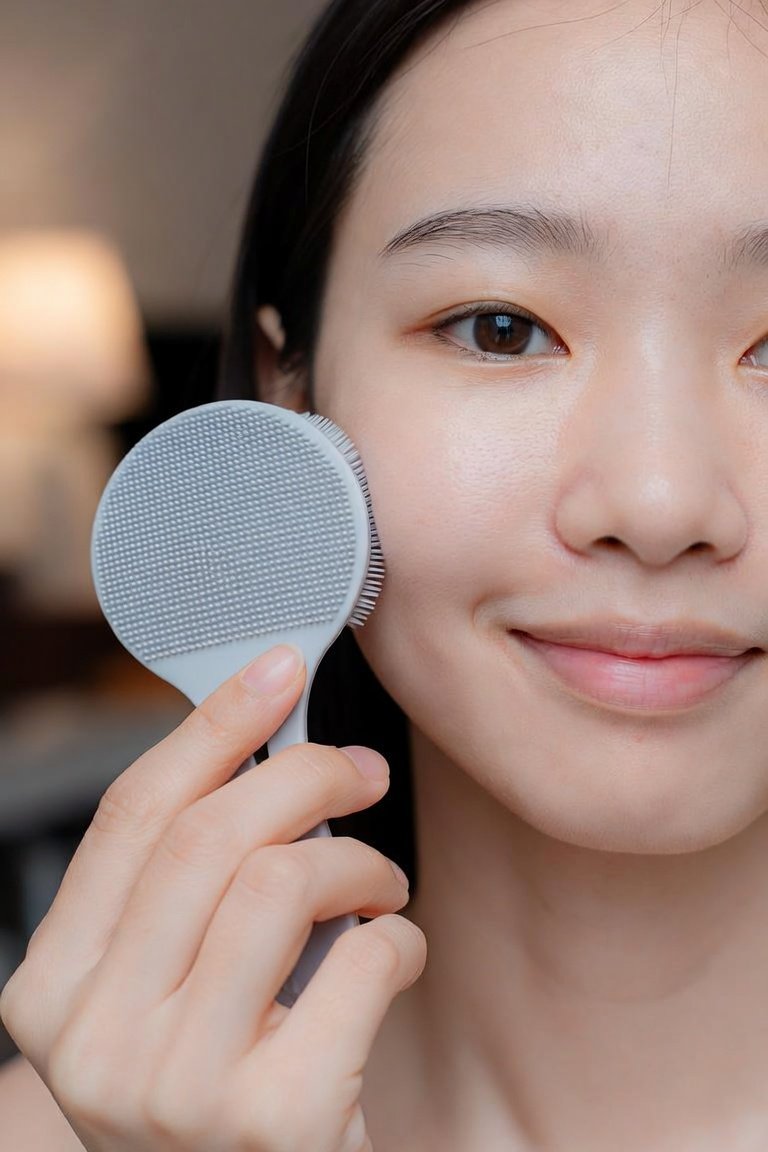
Silicone Facial Cleansing Brush: Unlock Radiant Skin Instantly
A glowing, healthy face is something many people want. But keeping your skin clean and fresh isn’t always easy. Dirt, oil, makeup, and pollution build up every day. Washing your face by hand works, but it can miss hidden spots and doesn’t always remove deep impurities. That’s where the silicone facial cleansing brush comes in—a small tool that’s changing how people clean their skin. If you’ve seen these soft, colorful brushes at beauty stores or online and wondered if they’re worth it, this article gives you the full story.
We’ll explore how these brushes work, the benefits they offer, and who should use them. You’ll also see how to choose the right brush, compare popular models, and get practical tips for using one. Whether you’re new to skincare or want to upgrade your routine, understanding the silicone facial cleansing brush can help you make smart decisions for your skin.


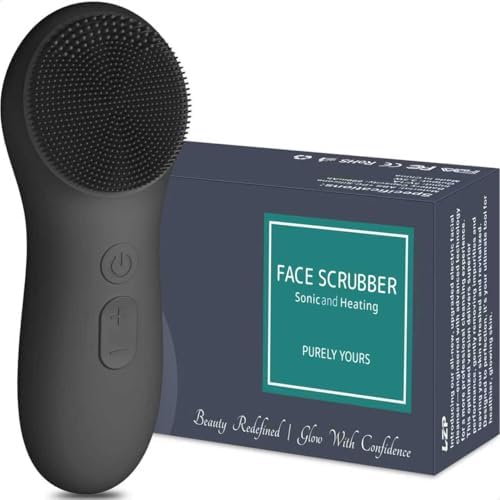
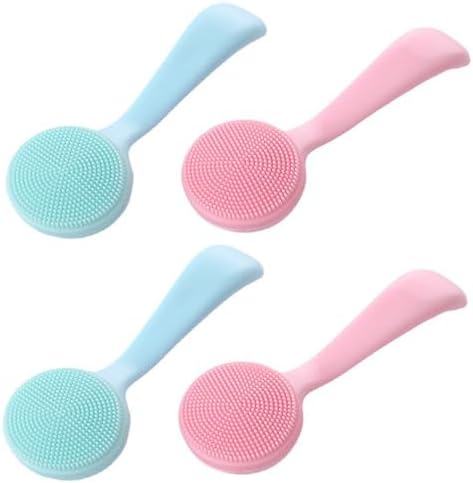


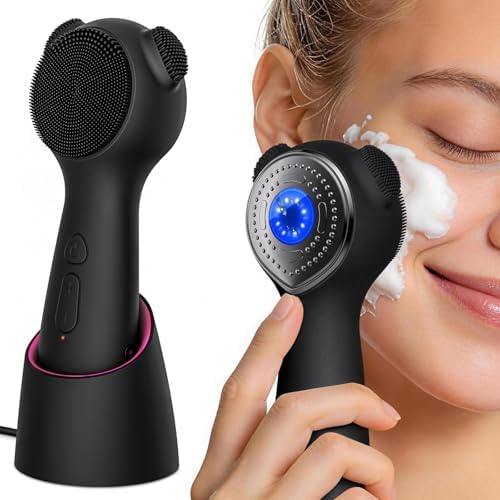


What Is A Silicone Facial Cleansing Brush?
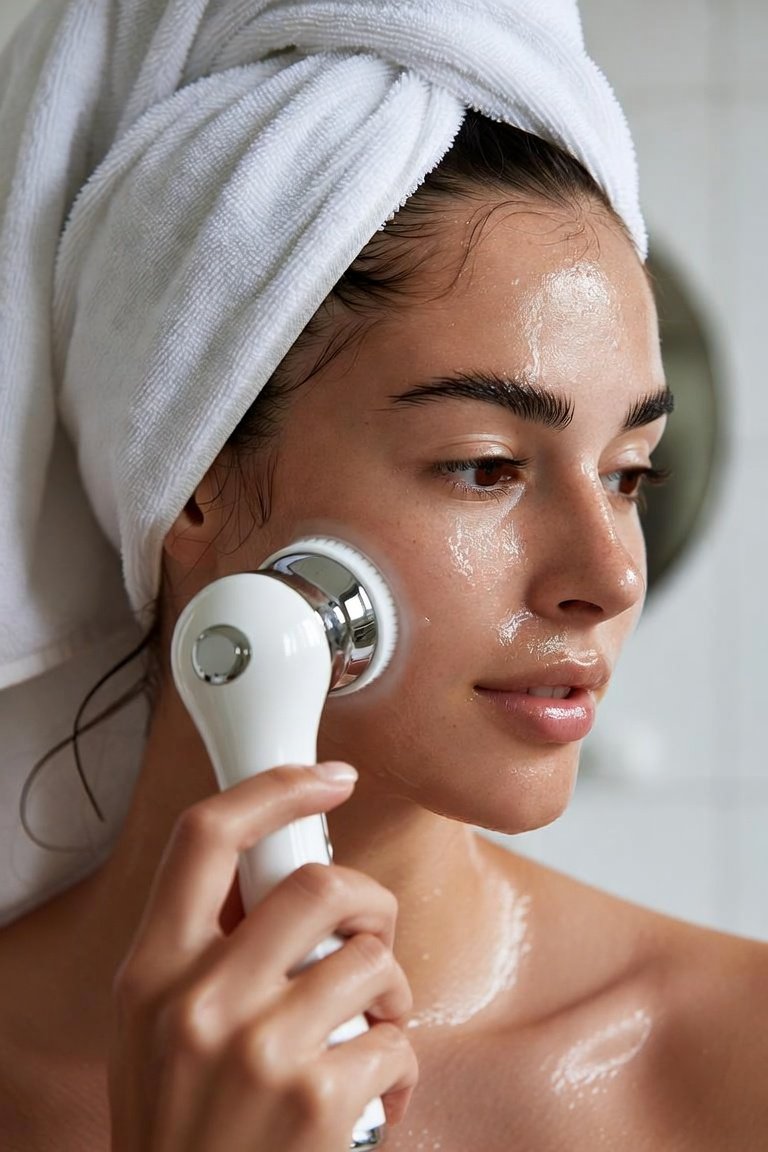
A silicone facial cleansing brush is a small device made of soft, flexible silicone. It’s designed to help clean your face more deeply than hands alone. The brush usually has tiny silicone bristles or bumps. When you use it with a cleanser, it gently removes dirt, oil, makeup, and dead skin cells.
Some brushes are manual—you move them in circles with your hand. Others are powered by batteries or USB, vibrating or pulsating to boost cleansing. Silicone is popular because it’s smooth, safe for skin, and easy to clean. Unlike traditional brushes with nylon bristles, silicone brushes resist bacteria and don’t scratch the skin.
Key Features
- Soft silicone bristles: Gentle on skin, flexible, and non-abrasive.
- Waterproof: Most are safe to use in the shower.
- Manual or electric: Some vibrate or pulse for extra cleaning.
- Easy to clean: Rinse and dry quickly, less likely to hold bacteria.
- Portable: Small, light, and simple to pack for travel.
Silicone Vs. Traditional Brushes
Silicone brushes are different from old-style face brushes. Here’s a quick comparison:
| Feature | Silicone Brush | Traditional Brush |
|---|---|---|
| Bristle Type | Soft silicone | Nylon or natural fibers |
| Hygiene | Resists bacteria | Can trap bacteria |
| Cleaning | Easy, quick rinse | Needs deep cleaning |
| Gentleness | Safe for sensitive skin | Can cause irritation |
| Durability | Long-lasting, doesn’t deform | Bristles wear out |
These features make silicone brushes a good choice for people who want better hygiene, gentle care, and simple routines.
How Does A Silicone Facial Cleansing Brush Work?
The magic of a silicone facial cleansing brush lies in its tiny bristles and flexible design. When used with a face cleanser, the brush’s bristles move across your skin, lifting dirt, oil, and dead cells. If the brush is powered, it vibrates or pulses, creating mild movements that help loosen impurities from pores.
The Science Behind Cleansing
- Mechanical exfoliation: The brush softly removes old skin cells, making skin look brighter and feel smoother.
- Deep pore cleaning: The tiny bristles reach into pores, removing oil and buildup that can cause pimples.
- Gentle stimulation: The brush’s movement increases blood flow, helping skin repair and absorb products better.
Powered Vs. Manual Brushes
Some silicone brushes run on batteries or USB, offering extra vibration or pulsation. This helps the cleanser foam up and reach deeper. Manual brushes rely on your hand’s movement. Both types clean well, but powered brushes often feel more effective—especially for tough makeup or oily skin.
| Brush Type | How It Works | Best For |
|---|---|---|
| Manual | Hand movement, gentle scrubbing | Sensitive skin, travel |
| Powered | Vibration/pulsation, deep cleaning | Oily or makeup-heavy skin |
Non-obvious Insight
Many beginners think they need lots of pressure to clean deeply. But silicone brushes are most effective with light, circular motions. Too much force can irritate skin and reduce results.
Benefits Of Using A Silicone Facial Cleansing Brush
Using a silicone facial cleansing brush can improve your skin in many ways. Here are the main benefits:
- Better cleaning: Removes more dirt, oil, and makeup than washing with hands.
- Gentle exfoliation: Soft bristles remove dead skin cells, making skin smoother.
- Improved product absorption: Clean skin absorbs moisturizers and serums faster.
- Reduces breakouts: Deep cleaning helps prevent pimples and blackheads.
- Safe for sensitive skin: Silicone is soft and non-abrasive, less likely to cause redness.
- Easy hygiene: Silicone resists bacteria, so the brush stays cleaner.
- Long-lasting: Silicone brushes don’t wear out quickly and rarely need replacing.
- Portable: Light and compact, great for travel or gym bags.
Real-life Example
A study by the Journal of Cosmetic Dermatology found that people using a silicone cleansing brush twice a day had 30% fewer breakouts after four weeks compared to using hands alone. Skin also looked brighter and felt softer.
Non-obvious Insight
The brush doesn’t just clean—it also helps your skincare products work better. After using a silicone brush, your skin is more ready to absorb serums and creams. This means you get more value from every product.
Choosing The Right Silicone Facial Cleansing Brush
With many options, picking the right brush can feel confusing. Here’s what matters most:
Key Factors To Consider
- Bristle size and shape: Finer bristles are better for sensitive skin; larger bumps suit oily or thicker skin.
- Brush size: Smaller brushes are easier for travel; larger ones cover more area quickly.
- Manual vs. powered: Powered brushes are best for deep cleaning, but manual ones are simpler and cheaper.
- Settings: Some brushes offer different speeds or vibration levels.
- Battery life: For powered brushes, check how long the charge lasts.
- Waterproof rating: Most are waterproof, but check for shower use.
- Price: Silicone brushes range from $10 to $200. Higher price often means extra features, not always better results.
Popular Brands
Some well-known brands include Foreo, PMD Beauty, and Olay. Budget brands and generic options are also common.
Comparison Table: Leading Models
Here’s a quick look at three popular silicone facial cleansing brushes:
| Brand | Model | Type | Battery Life | Price (USD) | Special Features |
|---|---|---|---|---|---|
| Foreo | LUNA Mini 3 | Powered | Up to 400 uses | $159 | Multiple speeds, app control |
| PMD Beauty | Clean | Powered | 1-2 months per charge | $99 | Anti-aging vibration mode |
| Generic | Basic Silicone Brush | Manual | N/A | $10-$25 | Simple, lightweight |
Mistakes To Avoid
- Choosing a brush that’s too harsh for your skin type.
- Ignoring battery life and waterproof rating.
- Believing expensive always means better—sometimes budget models work just as well.
How To Use A Silicone Facial Cleansing Brush
Using the brush correctly can make a big difference. Here’s a step-by-step guide:
- Wet your face and brush: Start with clean, damp skin and a wet brush.
- Apply cleanser: Put a gentle face cleanser on your skin or brush.
- Turn on the brush (if powered): Choose your speed or vibration setting.
- Massage in circles: Move the brush in small circles. Cover cheeks, forehead, nose, and chin. Spend 15–20 seconds on each area.
- Avoid eyes: Don’t use the brush on eyelids or under-eye skin.
- Rinse: Wash your face with water to remove cleanser and dirt.
- Clean the brush: Rinse the brush and let it air dry.
- Apply skincare: After cleansing, use moisturizer or serum.
Practical Tips
- Use 1–2 times daily. Overuse can irritate skin.
- Don’t press hard—let the bristles do the work.
- For sensitive skin, start with once daily or every other day.
- Clean the brush after every use.
- Replace powered brushes or batteries as needed.
Common Mistakes
- Using harsh cleansers with the brush.
- Scrubbing too hard or too long.
- Forgetting to clean the brush after use.
- Using on broken or irritated skin.
Who Should Use A Silicone Facial Cleansing Brush?
Most people can use a silicone facial cleansing brush safely. It’s best for:
- Oily skin: Helps remove excess oil and prevent pimples.
- Combination skin: Cleans both dry and oily areas gently.
- Normal skin: Maintains a healthy glow.
- Makeup users: Removes makeup more effectively.
Not Recommended For
- Very sensitive skin: Use with caution or choose fine bristles.
- Skin conditions: Avoid if you have eczema, rosacea, or open sores.
- Children: Best for adults and teens.
Example
If you have oily skin and struggle with breakouts, using a silicone brush twice a day can help reduce pimples and control shine. For dry or sensitive skin, use a brush with fine bristles and limit use to once daily.
Cleaning And Maintenance
Keeping your brush clean is important for skin health and long-lasting performance.
Cleaning Steps
- Rinse after every use: Use warm water to remove cleanser and debris.
- Use mild soap: Clean with gentle soap once a week.
- Air dry: Let the brush dry naturally, away from direct sunlight.
- Deep clean monthly: Soak in warm water and mild soap for 10 minutes.
Storage Tips
- Store in a dry place.
- Avoid closed containers if brush is wet.
- For travel, use a case but dry first.
Replacement
Silicone brushes last longer than traditional ones. Replace manual brushes every 12–18 months. For powered brushes, follow the brand’s instructions.
Non-obvious Insight
Some users forget the handle or back of the brush. Always clean every part, not just the bristles. This prevents bacteria growth and keeps the brush fresh.
Silicone Facial Cleansing Brush Vs. Other Cleansing Tools
How does a silicone brush compare to other tools? Let’s look at the differences.
Comparison Table: Cleansing Tools
| Tool | Material | Cleaning Power | Hygiene | Best For |
|---|---|---|---|---|
| Silicone Brush | Silicone | High | Excellent | Most skin types |
| Washcloth | Cotton | Medium | Fair | Normal/dry skin |
| Traditional Brush | Nylon bristles | High | Poor | Oily skin |
| Hands | N/A | Low | Excellent | All skin types |
Insights
Silicone brushes offer stronger cleaning than hands or washcloths, but are gentler than traditional bristle brushes. The material makes them more hygienic and less likely to cause irritation.
Risks And Precautions
While silicone brushes are safe for most people, there are some risks:
- Overuse: Can cause redness or dryness.
- Wrong cleanser: Harsh products may irritate when used with a brush.
- Unclean brush: Skipping cleaning can spread bacteria.
How To Avoid Problems
- Limit use to 1–2 times per day.
- Choose gentle cleansers.
- Always clean your brush.
- Stop use if skin gets sore or red.
The Environmental Impact
Many users worry about the planet. Silicone brushes are more eco-friendly than disposable wipes or brushes with nylon bristles.
Why Silicone Is Better
- Long-lasting: One brush can last years, reducing waste.
- No animal products: Silicone is synthetic and cruelty-free.
- Easy to recycle: Some brands offer recycling programs.
However, silicone does not biodegrade quickly. If you want a green option, look for brands that recycle old brushes.
Cost And Value
Is a silicone facial cleansing brush worth the price? Let’s break it down.
Price Range
- Manual brushes: $10–$25
- Powered brushes: $50–$200
Is It Worth It?
The brush can save money over time. You use less cleanser, need fewer treatments, and your skin stays healthier. High-end models offer extras, but basic brushes work well for most people.
Example
If you spend $20 on a manual silicone brush and use it for two years, that’s less than $1 per month. Compared to frequent facials or treatments, it’s a smart investment.
Real User Experiences
People who use silicone brushes often share positive stories:
- “My skin feels smoother and I get fewer pimples.”
- “It’s easy to clean and fits in my travel bag.”
- “Powered brush helps remove heavy makeup fast.”
- “I love that it doesn’t irritate my skin like old brushes.”
Non-obvious Insight
Some users notice their skin looks brighter and makeup applies better after regular use. This isn’t just cleaning—it’s improving skin’s texture and health.
Dermatologist Opinions
Dermatologists support silicone brushes for most skin types. They recommend:
- Using gentle cleansers.
- Not overusing the brush.
- Watching for irritation or redness.
A dermatologist from the American Academy of Dermatology notes that silicone brushes are safer for sensitive skin than nylon bristles. They advise users to start slow and increase use if skin tolerates it.
For more dermatologist advice, see American Academy of Dermatology.
Frequently Asked Questions
What Is The Best Way To Clean A Silicone Facial Cleansing Brush?
Rinse your brush after every use with warm water. Once a week, wash it with mild soap. Let it air dry away from sunlight. For powered brushes, check the brand’s cleaning instructions.
Can I Use A Silicone Facial Cleansing Brush With Any Cleanser?
Most gentle cleansers work well. Avoid harsh scrubs or cleansers with large particles, as they can cause irritation. Gel and foaming cleansers are ideal.
Is A Silicone Facial Cleansing Brush Safe For Sensitive Skin?
Yes, but choose a brush with fine bristles and start with once daily use. Stop if you notice redness or discomfort. Always use gentle, non-irritating cleansers.
How Long Does A Silicone Facial Cleansing Brush Last?
Manual brushes can last 12–18 months or longer. Powered brushes may need battery replacement or charging every few months. Replace the brush if bristles look worn or if hygiene is a concern.
Can I Use A Silicone Facial Cleansing Brush Every Day?
Yes, most people can use it daily. For sensitive skin, start slow—once per day or every other day. Overuse can cause dryness or irritation.
A silicone facial cleansing brush is a smart tool for anyone who wants cleaner, healthier skin. It’s gentle, easy to use, and offers deep cleaning without harsh scrubbing. With proper care and smart choices, this brush can make a big difference in your skincare routine.
If you’re ready to take your skin to the next level, consider adding a silicone facial cleansing brush to your daily routine. It might be the simple change your skin needs to look and feel its best.