

Best Facial Cleanser for Combination Skin: How to Pick One for an Oily T-Zone and Drier Cheeks
Your forehead and nose shine by lunchtime, yet your cheeks feel tight a few minutes after you wash. If that sounds familiar, you are probably shopping for a facial cleanser for combination skin, and the choice feels like a trap. Strong oil-control washes dry out the cheeks, while rich creamy ones can leave the T-zone feeling greasy.
Quick answer: the best facial cleanser for combination skin is usually a mild gel or light foaming wash that is fragrance-free, alcohol-free and labeled non-comedogenic. It should remove oil and sunscreen without leaving any area tight or squeaky. Use it with lukewarm water and your fingertips, no more than twice a day, and then moisturize only the areas that need it. If your cheeks still feel dry, switch to a creamier cleanser at night.
That advice follows the American Academy of Dermatology. The AAD tells people to use a gentle, non-abrasive cleanser without alcohol and to avoid scrubbing. It also describes combination skin as dry in some spots and oily in others, often in the T-zone. One AAD dermatologist suggests treating it almost like two faces.
So the cleanser has a narrow job: clean without tipping either zone further out of balance. The rest of the work happens in your moisturizer and habits.
Below: a quick skin-type test, what the cleanser should and should not do, formats compared, ingredients, a washing routine, seasonal tweaks and when to see a dermatologist.
Recommended Facial Cleansers for Combination Skin
Every pick below is a face wash whose listing describes it as gentle, fragrance-free, non-comedogenic or made for normal, oily or combination skin, plus one hydrating option for drier cheeks. Patch test any new cleanser and check the full ingredient list on the listing, since formulas can change. See how we test and choose products for the rules behind every pick.


Key Takeaways
- Combination skin is oilier in some areas, usually the forehead, nose and chin, and drier in others, often the cheeks.
- A good facial cleanser for combination skin is mild, fragrance-free, alcohol-free and non-comedogenic.
- Gel and light foaming cleansers suit most combination skin; cream cleansers help when the cheeks are dry or it is winter.
- Wash with lukewarm water and fingertips, no more than twice a day and after heavy sweating.
- Tightness or squeaky skin after washing means the cleanser is too strong for your drier areas.
- Active cleansers with salicylic acid or benzoyl peroxide are optional tools for breakouts, not requirements.
- No cleanser treats acne, rosacea or eczema on its own; see a dermatologist when problems persist.

Do You Really Have Combination Skin? A Two-Minute Check
Many people guess their skin type from a single bad day. However, the wrong guess sends you to the wrong cleanser. Cleveland Clinic describes combination skin as oilier on the forehead, nose and chin, while the cheeks and eye area may feel dry. It also suggests a simple blotting test, although watching how your skin feels works too.
Try this on a normal day, not after a new product or a sunburn:
- Wash your face with a mild cleanser and pat it dry. Do not apply anything else.
- Wait about 30 minutes.
- Press a clean blotting paper on your forehead and nose, then a fresh one on each cheek.
- Hold each paper up to the light and compare them.
Oil on the T-zone papers, little or none on the cheeks: combination skin. Look for a gel or light foaming cleanser.
Oil on every paper: oily skin. A foaming cleanser usually fits, and you can move on to more oil-focused options.
Little oil anywhere, and skin feels tight: dry skin. Choose a hydrating cream or lotion cleanser.
Stinging, burning or redness with many products: sensitive skin, which can overlap with any type. Keep formulas short and fragrance-free.
Your type can shift with the seasons, hormones, age and climate. So repeat the check when your skin starts to feel different, rather than sticking with a label from years ago.
Combination Skin vs Oily Skin vs Acne-Prone Skin
Product pages often lump these three together, and that is where many people go wrong. They overlap, yet each one calls for a different cleanser. In short, combination skin is about where oil sits; acne is about what the skin does.
| Feature | Combination skin | Oily skin | Acne-prone skin |
|---|---|---|---|
| Where oil shows | Mostly forehead, nose and chin | Across the whole face | Any type; oil level varies |
| How cheeks feel | Normal to dry, sometimes tight | Oily or shiny | Depends on the underlying type |
| Main risk from the wrong cleanser | Dry, tight cheeks from strong washes | Greasy feel from heavy creams | Irritation from scrubbing or harsh products |
| Typical cleanser fit | Mild gel or light foam | Foaming gel | Mild wash; an active cleanser if advised |
For example, you can have combination skin that also breaks out. In that case, pick a gentle base cleanser first. Then add breakout treatments only where needed, instead of choosing the harshest oil-control wash you can find.
What a Facial Cleanser for Combination Skin Should Do
A cleanser only stays on your skin for a minute, so its job is limited. It should lift oil, sweat, sunscreen and makeup, and then rinse off cleanly. It should not leave your cheeks tight, and it should not leave a film on your T-zone.
The American Academy of Dermatology’s face-washing advice sets the baseline. Use a gentle, non-abrasive cleanser that does not contain alcohol. Wet your face with lukewarm water, apply the cleanser with your fingertips, and resist the urge to scrub, because scrubbing irritates skin. Finally, rinse, pat dry with a soft towel and limit washing to twice a day and after sweating.
That gives you a practical checklist. A facial cleanser for combination skin should be:
- Mild: skin should feel clean and comfortable, not squeaky.
- Fragrance-free: the AAD warns that fragrance can irritate dry skin, and dry cheeks count.
- Alcohol-free: drying alcohols make the tight-cheek problem worse.
- Non-comedogenic: the AAD explains this label means a product is made not to block pores.
- Easy to rinse: gels and light foams leave the least residue on an oily T-zone.
Gel, Foam, Cream or Micellar: Which Facial Cleanser Texture Suits Combination Skin?
Texture is the quickest shortcut when you shop. It hints at how much oil a cleanser removes and how it will feel on drier areas.
| Format | How it feels | Best for | Watch out for |
|---|---|---|---|
| Gel cleanser | Clear, light, low lather | Most combination skin, year round | Some gels are strong; check for tightness |
| Light foaming cleanser | Airy lather, rinses fast | Oilier combination skin, humid weather | Rich foams can dry the cheeks |
| Cream or lotion cleanser | Milky, low or no lather | Combination skin with dry cheeks, winter | May feel heavy on a very oily T-zone |
| Micellar water | Watery, used on a pad | Quick makeup removal before cleansing | Friction from rubbing; rinse if skin reacts |
| Cleansing oil or balm | Slippery, turns milky with water | First step for heavy makeup and sunscreen | Needs a thorough rinse or second cleanse |
Most people with combination skin do well with a gel or a light foam as the everyday wash. Then, a cream cleanser can take over when the air turns dry. If you remove makeup with pads first, our guide to washable makeup remover pads explains how to keep that step gentle.
Ingredients to Look For and Ingredients to Skip
You do not need to read every chemical name. Instead, scan for a few helpful ingredients and a few red flags.
Helpful for combination skin:
- Glycerin, ceramides and hyaluronic acid: the AAD’s guide to choosing a moisturizer lists ceramides and hyaluronic acid as hydrating ingredients. In a wash they help it feel less stripping.
- Niacinamide: common in cleansers for normal to oily skin. It is generally well tolerated, although a short rinse-off contact limits what any ingredient can do.
- Mild surfactants: names such as glucosides or amphoteric cleansers often appear in gentle formulas.
Worth skipping or using with care:
- Fragrance and essential oils: common triggers for irritation, especially on drier cheeks.
- Drying alcohols high on the list: they add a fresh feel but can leave skin tight.
- Gritty scrubs: the AAD warns that scrubbing irritates skin.
- Strong actives every day: salicylic acid and benzoyl peroxide cleansers can help breakouts. Still, they can dry combination skin if used all over, twice a day.
Cleveland Clinic notes that products aimed at combination skin often use lower strengths of actives than products for oily skin. For instance, it gives the example of 2 percent benzoyl peroxide instead of 10 percent. Lower strength usually means less dryness on the parts of your face that do not need it.
How to Use a Facial Cleanser for Combination Skin Step by Step
Technique matters as much as the bottle. These steps follow the AAD’s washing advice and keep friction low on both zones.
- Remove makeup first if you wear it. Use micellar water, a cleansing oil or a balm, so you do not need to scrub mascara or long-wear foundation.
- Wet your face with lukewarm water. Hot water feels good on an oily T-zone, but it can leave the cheeks drier.
- Use a small amount of cleanser. A pea-to-grape sized amount is usually enough; more product rarely cleans better.
- Massage with your fingertips. Start on the T-zone, where oil builds up, and then move lightly over the cheeks for a shorter time.
- Rinse thoroughly. Leftover cleanser along the hairline and jaw can irritate skin, so splash until the skin no longer feels slippery.
- Pat dry with a soft towel. Pat instead of rubbing, especially around the eyes and on dry patches.
- Moisturize where needed. Apply moisturizer to the drier areas, and use a lighter layer or a gel on the T-zone.
Adjusting Your Cleanser by Season and Routine
Combination skin rarely behaves the same way all year. As a result, many people do best with one main cleanser and one backup.
- Hot, humid months: the T-zone usually gets oilier. A gel or light foam twice a day often works well.
- Cold, dry months: the cheeks get drier. Switch to a cream cleanser at night, or wash only with water in the morning if your skin feels fine.
- After workouts: the AAD advises washing after heavy sweating, because sweat can irritate skin.
- Morning vs evening: the evening wash matters most, since it removes sunscreen, makeup and the day’s oil. Mornings can be lighter.
- With retinoids or acne treatments: pair them with your mildest cleanser, because these treatments already dry skin.
Sunscreen is part of the picture too. If you need a lightweight option that will not feel heavy on the T-zone, see our guide to sunscreen for oily and breakout-prone skin.
Common Mistakes With Combination Skin Cleansing
Most complaints about a cleanser come from how it is used rather than the formula. Here are the patterns that cause trouble.
- Use lukewarm water and fingertips
- Wash twice a day at most, plus after sweating
- Choose fragrance-free, non-comedogenic formulas
- Moisturize dry areas right after washing
- Patch test new cleansers for a few days
- Give a new routine several weeks before judging it
- Chase a squeaky-clean feeling
- Scrub with grainy exfoliants or rough cloths
- Use a strong acne wash all over every day
- Wash more often to control shine
- Skip moisturizer because of the oily T-zone
- Switch products every few days
Over-washing deserves a special mention. It can make the cheeks feel tight and flaky, and some people then reach for a heavier cream, which feels greasy on the nose. Scaling back to a milder wash usually breaks that cycle. If you like a cleansing tool, keep it very gentle; our konjac sponge guide explains why even soft tools add friction.
Matching Each Recommended Facial Cleanser to Your Combination Skin
The products above cover the main situations. Here is how to choose between them, based on what each listing says about the formula.
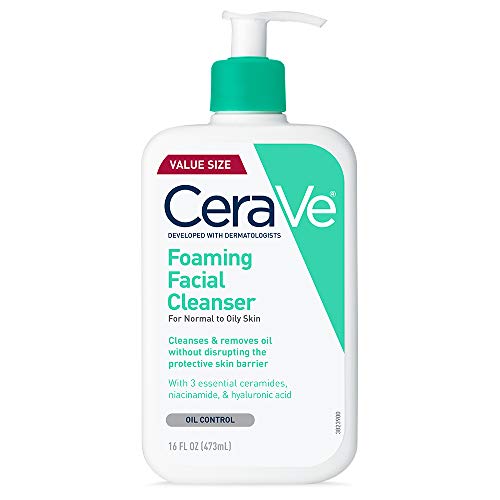
- Oilier T-zone, normal cheeks: CeraVe Foaming Facial Cleanser is listed as fragrance-free and non-comedogenic. Cetaphil Daily Facial Cleanser is sold for combination to oily skin in a fragrance-free formula.
- Oily areas plus sensitivity: La Roche-Posay Toleriane Purifying Foaming Cleanser is described for normal to oily sensitive skin.
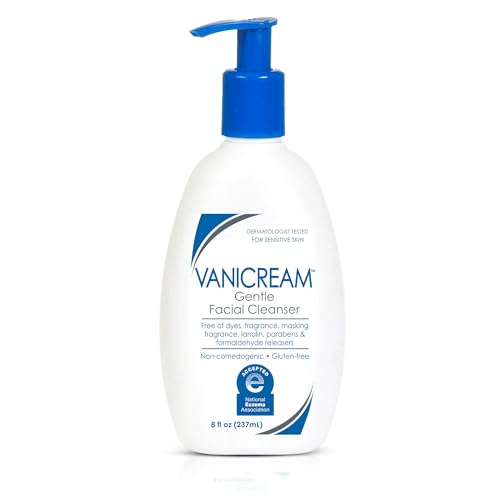
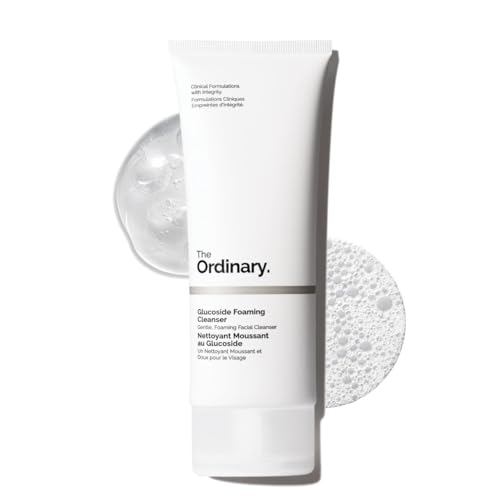
- Reactive or easily irritated skin: Vanicream Gentle Facial Cleanser is made for sensitive skin, and The Ordinary Glucoside Foaming Cleanser is a mild foam for all skin types.
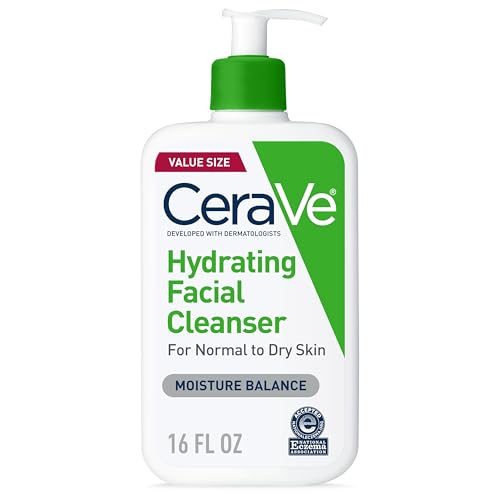
- Drier cheeks or winter: CeraVe Hydrating Cleanser is listed with hyaluronic acid, ceramides and glycerin. It works well as a night or cold-weather option.
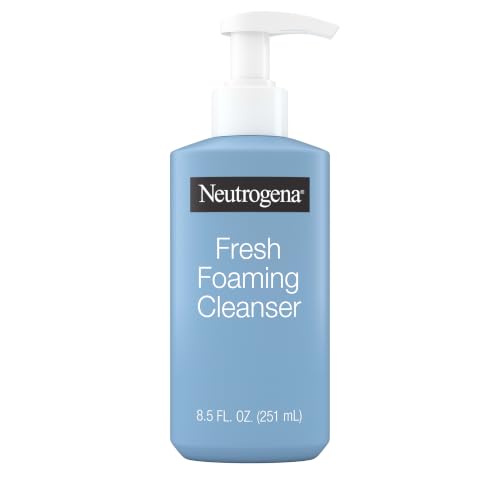
- Simple foaming wash: Neutrogena Fresh Foaming Cleanser is a light daily foam for normal to oily skin.
Pick one main cleanser, and give it a few weeks before you decide. After that, add a second, creamier option only if the seasons demand it.
Honest Limits
A cleanser is a small part of a routine. It stays on your skin for about a minute, so claims about shrinking pores, balancing hormones or reversing aging go beyond what a wash can do.
We found no head-to-head trial showing that one brand of facial cleanser for combination skin beats another. Our picks rest on the AAD’s general criteria and on what each listing states, not on clinical testing of these exact products. Ratings on shopping sites mostly reflect feel and value.
Finally, skin types are not fixed categories. Many people sit between two types, and your skin can change with age, climate and medication. Your own skin’s response is the best guide.
When to See a Dermatologist
Most combination skin needs nothing more than a gentle routine. However, some signs point to a skin condition rather than a skin type. Book a visit with a dermatologist or doctor if you notice:
- Breakouts that stay the same or get worse after several weeks of a gentle routine
- Painful, deep bumps or acne that leaves marks or scars
- Redness, flushing or visible blood vessels across the cheeks and nose
- Flaky, greasy patches around the nose, brows or hairline that keep coming back
- Burning, stinging or a rash with most products you try
A dermatologist can tell whether you have acne, rosacea, eczema or another condition, and can prescribe treatment if you need it.
- Microfiber makeup remover cloths: removing makeup with water alone, and where they fall short.
- Whether laser hair removal hurts: what to expect during sessions and how to reduce discomfort.
- Are cleansing brushes bad for skin: safety, how often to use one, and acne.
- Washcloth vs hands: which cleans better and which is gentler.
Facial Cleanser for Combination Skin: FAQ
What type of facial cleanser is best for combination skin?
For most people, a mild gel or light foaming cleanser that is fragrance-free, alcohol-free and non-comedogenic.
Should combination skin use a foaming facial cleanser?
A light foam often works, especially for an oily T-zone. If your cheeks feel tight afterwards, switch to a gel or cream.
Can I use a cream facial cleanser on combination skin?
Yes. Cream cleansers suit drier cheeks and cold months. Rinse well so your T-zone does not feel heavy.
How often should I wash combination skin?
The AAD advises washing no more than twice a day, plus after heavy sweating.
Is a salicylic acid cleanser good for combination skin?
It can help with breakouts, but it may dry the cheeks. Many people use it a few times a week or only on oily areas.
Why does my skin feel tight after washing?
The cleanser is likely too strong, or the water is too hot. Try a milder formula and lukewarm water.
Can a facial cleanser for combination skin shrink pores?
No cleanser changes pore size. Removing excess oil can make pores look less obvious for a while.
Do I need two cleansers for combination skin?
Not usually. One gentle cleanser is enough for most people, with a creamier backup for dry seasons if needed.
Should I double cleanse combination skin?
Only when you wear heavy makeup or water-resistant sunscreen. Otherwise, one gentle wash is fine.
How long before a new facial cleanser for combination skin works?
Give it a few weeks unless it stings, burns or causes a rash. In that case, stop right away.
The Bottom Line
The right cleanser for combination skin is the mildest one that still leaves your T-zone feeling clean. In practice, that is usually a fragrance-free, alcohol-free, non-comedogenic gel or light foam, with a cream cleanser on standby for dry weather.
After that, technique does most of the work. Wash with lukewarm water and fingertips, keep it to twice a day, pat dry and moisturize each zone for what it needs. If breakouts, redness or irritation keep coming back, a dermatologist can find the cause.





6 Comments