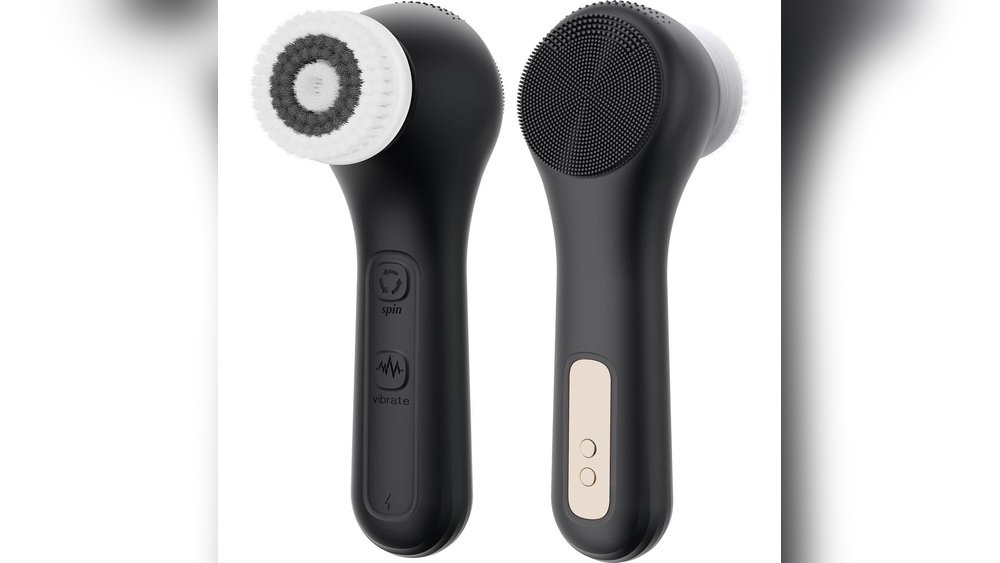
Rotating Facial Cleansing Brush: Achieve Radiant Skin Effortlessly
A glowing, healthy face is often the result of consistent care, but not everyone achieves it with just soap and water. In recent years, more people have turned to the rotating facial cleansing brush to boost their skincare routine. These brushes promise a deeper clean, smoother texture, and better absorption of skincare products. But what exactly are these devices, how do they work, and are they right for everyone? This guide breaks down the facts, dispels myths, and helps you decide if a rotating facial cleansing brush should become part of your daily ritual.
What Is A Rotating Facial Cleansing Brush?
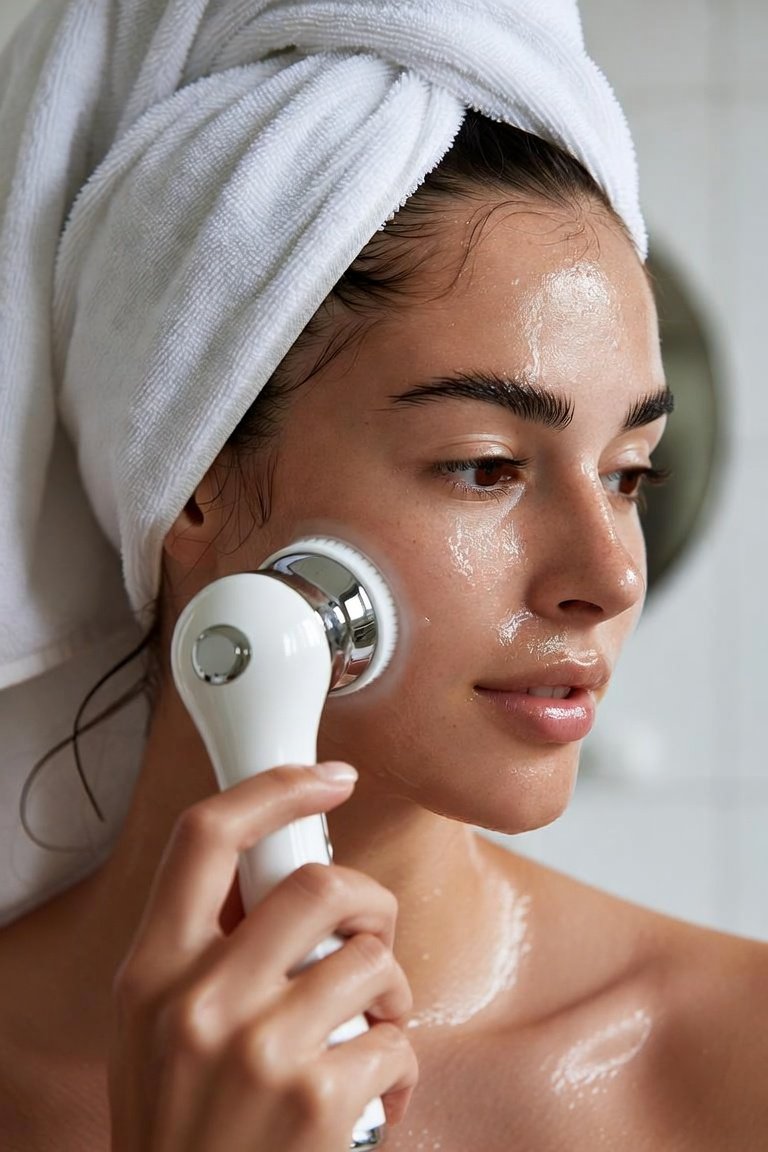
A rotating facial cleansing brush is a handheld tool designed to clean your skin more thoroughly than your hands alone. It has a circular brush head that spins as you move it across your face. Most brushes are battery-powered or rechargeable, and some have multiple speed settings. The brush’s movement lifts dirt, oil, makeup, and dead skin cells from your pores.
There are two main types of cleansing brushes: rotating and vibrating (sonic). Rotating brushes spin in a circle, while sonic brushes move back and forth quickly. This article focuses on the rotating type, which is popular for its effective exfoliation and deep cleaning.
Rotating facial cleansing brushes are not new, but recent designs have become more comfortable and efficient. Many models now include ergonomic handles, customizable settings, and brush heads for different skin types. Some brushes even come with built-in timers or lights to guide your routine.
The technology has evolved, making these tools more accessible and easier to use for people at home.
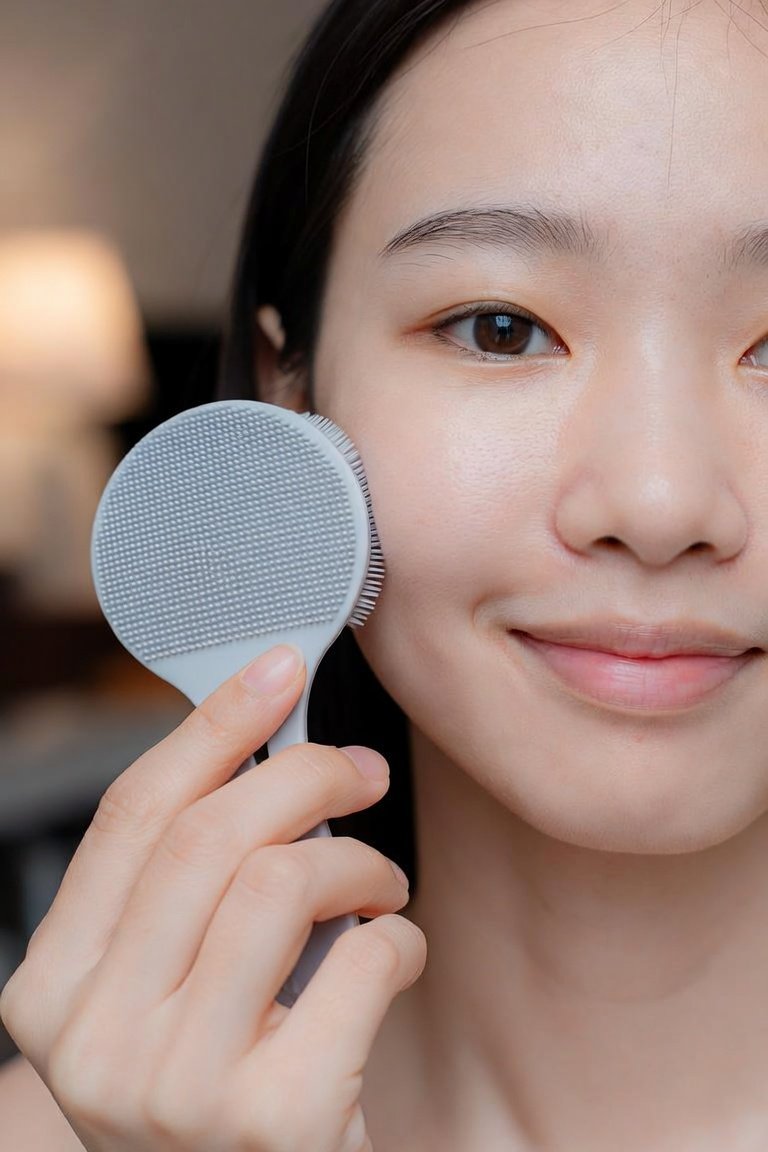
Another detail worth noting is the variety of brush head shapes and sizes. Some are small and dense for targeted cleaning, like around the nose. Others are larger and softer for gentle cleansing on cheeks and forehead. Brands often offer brush heads for sensitive skin, exfoliation, and even silicone heads for added hygiene.
This flexibility means you can adapt your brush to your needs, making it suitable for more people.
How A Rotating Facial Cleansing Brush Works
When you turn on the device, the brush head begins to rotate. As you gently move it across your face, the spinning bristles work in two ways:
- Physical exfoliation – The bristles sweep away dead skin cells and help unclog pores.
- Deep cleansing – The rotating motion removes impurities, excess oil, and makeup more effectively than manual washing.
Most brushes come with different speed settings, allowing you to adjust the intensity based on your skin’s needs. Some even have timers to help ensure you spend the right amount of time on each part of your face.
Some brushes use a combination of rotations and pulsations to maximize cleaning. For example, a brush might rotate at a steady speed, then add short bursts of movement. This helps loosen stubborn debris and creates a gentle massaging effect. The massaging action increases blood flow, which can make your skin look brighter and more refreshed.
This is an added benefit that many users don’t expect.
A practical example: If you wear heavy makeup or sunscreen, the rotating brush helps lift these layers more thoroughly than washing with hands alone. This deeper clean means less residue left behind, which reduces risk of clogged pores and breakouts.
Benefits Of Using A Rotating Facial Cleansing Brush
Many users see noticeable improvements after adding a cleansing brush to their routine. Here’s what these devices can offer:
- Deeper Clean: The spinning bristles reach deeper into pores, removing more dirt and oil than washing with hands.
- Smoother Skin: Regular use helps slough off dead skin, leaving a softer, more radiant surface.
- Better Product Absorption: Clean, exfoliated skin absorbs serums and creams more efficiently, making them work better.
- Reduced Breakouts: For some, removing excess oil and dead skin can help prevent clogged pores and pimples.
- Even Skin Tone: Gentle exfoliation can fade dark spots and reduce redness over time.
However, not everyone experiences all these benefits. Results depend on your skin type, the brush quality, and how you use it.
Some users notice that their skin feels fresher and less oily throughout the day. This is because the brush helps balance oil production, especially for those with combination skin. Another benefit is that exfoliation can reduce the appearance of fine lines and make makeup application smoother.
Foundation and concealer glide on better, creating a more even finish.
For people who struggle with dull skin or rough patches, the rotating brush can be a game-changer. It removes buildup that makes skin look tired or uneven. Over time, this can lead to a natural glow without needing extra products.
A non-obvious benefit: Using a facial brush may encourage you to stick to your skincare routine. The device feels like a mini spa treatment, making cleansing more enjoyable and less of a chore.
Who Should Use A Rotating Facial Cleansing Brush?
While these brushes offer many advantages, they’re not for everyone. Consider your skin type and condition:
- Oily or combination skin: Often benefit most, as these types can handle more exfoliation and need deeper cleansing.
- Normal skin: Usually respond well, but should still avoid overuse.
- Dry or sensitive skin: Should be careful. Too much scrubbing may cause irritation or redness.
- Acne-prone skin: May see improvement, but aggressive brushing can sometimes worsen breakouts. Use with caution.
People with conditions like rosacea, eczema, or severe acne should consult a dermatologist before using any cleansing brush.
If you have sensitive skin, look for brushes with extra-soft bristles or silicone heads. Some brands offer brush heads specifically for sensitive skin, designed to minimize irritation. For dry skin, limit use to once or twice a week and always follow with a rich moisturizer.
Many teens and adults try these brushes to manage oily skin and blackheads. While results can be positive, it’s important to listen to your skin. If you notice more redness or discomfort, take a break or switch to a softer brush head.
Non-obvious Insight 1
Many first-time users think more pressure means better results. In reality, pressing too hard can damage your skin’s barrier. The brush bristles do the work; a light touch is enough.
Non-obvious Insight 2
Some believe that daily use is best. In fact, using a rotating facial cleansing brush too often can strip natural oils, leading to increased dryness or sensitivity. Start with 2–3 times a week and adjust as your skin adapts.
Another insight: Using the brush after exercise or exposure to pollution can be beneficial. Sweat and pollutants often block pores, so a deep clean helps prevent breakouts and irritation.
How To Use A Rotating Facial Cleansing Brush Safely
To get the best results and avoid irritation, follow these steps:
- Remove makeup first: Use a gentle makeup remover, especially for heavy or waterproof products.
- Wet your face and the brush: This helps the bristles glide smoothly and prevents tugging.
- Apply a mild cleanser: Avoid scrubs with beads or harsh exfoliants. Gel or cream cleansers work best.
- Turn on the brush: Choose a low or medium speed, especially if you’re new to using the device.
- Move in small circles: Gently glide the brush over your skin for 15–20 seconds per area (forehead, cheeks, nose, chin).
- Avoid delicate areas: Don’t use the brush on eyelids or lips.
- Rinse thoroughly: Wash off the cleanser and any residue with cool or lukewarm water.
- Pat dry and moisturize: Follow with toner, serum, or moisturizer.
Tip: Clean the brush head after every use and let it air dry. Replace the brush head every 2–3 months to prevent bacteria buildup.
If you’re unsure about which cleanser to use, start with a simple, fragrance-free formula. Avoid products with alcohol or strong acids, as these can increase irritation. For people with sensitive skin, using lukewarm water is better than hot water. Hot water can dry out skin and make it more vulnerable to redness.
If you’re using a brush for the first time, do a patch test on your cheek. This helps you check for any negative reaction before using it all over your face. Also, remember to clean your brush handle and charging base regularly.
This prevents mold and keeps your device working longer.
Comparing Rotating Facial Cleansing Brushes
With so many options available, choosing the right brush can be challenging. Here’s a side-by-side look at some popular models and their features:
| Brush Model | Speed Settings | Brush Heads Included | Waterproof | Battery Type |
|---|---|---|---|---|
| Clarisonic Mia Prima | 1 | 1 (Daily Cleanse) | Yes | Rechargeable |
| Olay ProX Advanced | 2 | 2 (Daily, Exfoliating) | Yes | AA Batteries |
| Vanity Planet Raedia | 3 | 3 (Daily, Exfoliate, Silicone) | Yes | AA Batteries |
Notice how features like speed settings, waterproofing, and included brush heads can impact your experience. A waterproof device is safer for shower use, while multiple brush heads let you customize for different skin needs.
Some brands offer brushes with storage cases or stands, which are helpful for keeping your tool clean and organized. If you travel often, a compact design and battery-powered brush may be more practical. Brushes with rechargeable batteries are often more eco-friendly, but those with AA batteries can be easier to replace on short notice.
Another example: Some brushes have lights that indicate when it’s time to replace the brush head or recharge the battery. These features make maintenance easier and help you avoid using worn-out heads.
Rotating Vs. Vibrating (sonic) Cleansing Brushes
Both rotating and sonic brushes are designed to clean skin more deeply than manual washing, but they work differently. Here’s a quick comparison:
| Feature | Rotating Brush | Sonic Brush |
|---|---|---|
| Motion Type | Brush head spins in circles | Vibrates back and forth quickly |
| Exfoliation Level | More physical, stronger exfoliation | Gentler, less abrasive |
| Best For | Oily, combination, normal skin | Sensitive, dry skin |
| Noise | Usually quieter | May make a buzzing sound |
| Cost | Generally more affordable | Often more expensive |
If your skin is sensitive or you prefer a gentler cleanse, a sonic brush may be a better choice. For deep cleaning and exfoliation, a rotating brush is effective.
Some people find that sonic brushes are easier to use for daily cleansing, especially if their skin is prone to irritation. Rotating brushes are more popular for weekly exfoliation or for people who need a thorough clean after makeup or exercise.
Trying both types can help you figure out which suits your skin best.
What To Look For When Buying A Rotating Facial Cleansing Brush
Not all brushes are created equal. When shopping, pay attention to these important factors:
Brush Head Material
Soft, synthetic bristles are gentle and hygienic. Some brushes offer silicone heads, which resist bacteria and are easier to clean. Avoid overly stiff bristles, which can scratch your skin.
Speed And Intensity Settings
More speed options allow you to adjust for your skin’s sensitivity. Beginners and those with delicate skin should start with lower settings.
Battery Life
Rechargeable brushes are convenient and eco-friendly. If you travel often, consider a model that uses standard AA batteries.
Waterproofing
A waterproof brush is safe for shower use and easier to clean.
Additional Features
Some brushes include timers, interchangeable heads, or travel cases. Decide which extras matter most for your routine.
Price And Warranty
Prices vary widely. Higher cost often means better quality and durability, but you can find reliable options at many price points. A good warranty shows confidence in the product.
Common Buyer Mistakes
- Choosing the highest speed, thinking it’s most effective
- Ignoring brush head replacement schedules (old heads can harbor bacteria)
- Using harsh cleansers with the brush, causing irritation
- Buying a brush without checking compatibility with sensitive skin
Another mistake is forgetting to check the size and shape of the brush head. Large heads may not fit well around the nose or chin. If you want detailed cleaning, choose a brush with a smaller head or one that comes with several sizes.
Step-by-step Skincare Routine With A Rotating Brush
Adding a rotating facial cleansing brush can transform your daily routine. Here’s how to structure your skincare for best results:
- Remove makeup: Especially eye makeup, which brushes aren’t designed to remove.
- Cleanse with the brush: Use a mild, non-abrasive cleanser.
- Rinse and pat dry: Don’t rub harshly.
- Apply toner: Restores pH and tightens pores.
- Use serum or treatment: Skin absorbs products better after cleansing.
- Moisturize: Locks in hydration.
- Apply sunscreen (morning): Protects newly exfoliated skin from UV damage.
Tip: If your skin feels sore or looks red, skip the brush for a day or two.
For evening routines, after using the brush, you can apply a nourishing night cream or oil. These products sink in better after exfoliation, helping repair and hydrate your skin overnight.
A helpful example: If you use acne treatments or retinol, apply them after cleansing but before moisturizer. This ensures active ingredients reach deeper layers. However, avoid using the brush right after strong treatments, as your skin may be more sensitive.
Potential Risks And How To Avoid Them
While rotating facial cleansing brushes are safe for most people, overuse or improper use can cause problems:
- Irritation: Too much pressure or frequent use can damage your skin barrier.
- Breakouts: Not cleaning the brush head can spread bacteria.
- Redness or sensitivity: Using with harsh scrubs or acids can worsen skin issues.
To avoid these risks:
- Use gentle pressure.
- Limit use to 2–3 times per week until your skin adjusts.
- Clean and dry brush heads thoroughly after each use.
- Replace brush heads every 2–3 months.
If you notice ongoing irritation, stop use and consult a dermatologist.
Some people may develop allergic reactions to brush head materials. If you see unusual swelling or itching, switch to a hypoallergenic brush or silicone head. Another risk is forgetting to dry the brush completely. Damp brushes can grow mold, which harms your skin.
Always store your brush in a dry, well-ventilated place.
Cleaning And Maintaining Your Brush
Proper maintenance keeps your cleansing brush effective and safe:
- Rinse thoroughly: After every use, rinse the brush head under warm water.
- Deep clean weekly: Soak the brush head in warm, soapy water for five minutes.
- Air dry: Store the brush in a dry, ventilated place.
- Replace brush heads: Every 2–3 months, or sooner if bristles look worn or discolored.
Never share your brush with others, even if you clean it. Sharing increases the risk of spreading bacteria.
If your brush is waterproof, you can clean it more easily in the shower. For extra hygiene, use a brush cleaning spray once a week. Some brands offer special cleaners for brush heads, but gentle soap is usually enough.
When replacing brush heads, look for genuine parts from the manufacturer. Generic heads may not fit well or may have lower quality bristles. Proper fit ensures the brush works as intended.
Myths And Misconceptions
Many rumors surround rotating facial cleansing brushes. Here’s the truth behind common beliefs:
- “You must use it daily for best results.” Not true; daily use can irritate skin. Start with 2–3 times per week.
- “It replaces all other skincare steps.” The brush cleans and exfoliates, but you still need moisturizer, sunscreen, and other treatments.
- “All brushes are the same.” Quality, bristle material, and features differ widely.
- “It’s only for young people.” People of all ages can benefit, but adjust frequency as your skin changes over time.
Some think facial brushes cause acne. In reality, dirty brush heads or overuse are the culprits. Keeping your brush clean and using gentle techniques prevents problems.
Another misconception: Brushes are only for women. Men can also benefit from using a facial brush, especially for cleaning around facial hair or preventing ingrown hairs.
Real-world Experiences: What Users Say
Feedback from real users gives valuable insight:
- Improved texture: Many notice smoother, softer skin within a week.
- Reduced blackheads: Users with oily skin often see fewer clogged pores.
- Initial breakouts: Some experience “purging” (temporary breakouts) as skin adjusts. This usually fades after 1–2 weeks.
- Sensitive skin caution: Users with delicate skin sometimes report redness or dryness if used too often.
A tip from experienced users: Let the brush do the work—don’t press down hard. This reduces the chance of irritation.
Some users share that rotating brushes help remove sunscreen and makeup more thoroughly, especially after a long day. Others mention that their skincare products feel lighter and absorb faster, giving them quicker results.
A few people with mature skin say the brush helps reduce rough patches and makes their skin look more youthful. For men, brushes can help clean around facial hair, reducing ingrown hairs and making shaving easier.
Rotating Facial Cleansing Brush And Professional Skincare
Some wonder if these brushes can replace spa facials or dermatologist treatments. While a rotating brush boosts your at-home routine, it doesn’t offer the same results as professional extractions or chemical peels. However, regular use can keep your skin cleaner between appointments and help maintain results from professional treatments.
If you’re under a dermatologist’s care for acne, eczema, or other conditions, always ask before using a cleansing brush.
Some estheticians recommend using a rotating brush as a “maintenance tool” rather than a replacement for professional treatments. For example, after a facial, your skin may be sensitive, so wait a few days before using your brush again.
If you use prescription skincare products, check with your doctor before adding a brush. Some treatments make skin thinner or more sensitive, and extra exfoliation may not be safe.
Environmental Impact And Sustainability
With more people choosing reusable devices, it’s natural to ask about environmental effects. Most rotating facial cleansing brushes are designed to last for years, but the brush heads need regular replacement. Some companies now offer recyclable or biodegradable heads. Choose rechargeable devices to reduce battery waste.
To further minimize impact:
- Dispose of old brush heads properly.
- Buy from brands with eco-friendly policies.
- Use the device only as often as needed to extend its life.
Another tip: If your brush head is made of silicone, it may last longer and need fewer replacements. Some brands also offer recycling programs for used heads and batteries. Supporting companies with sustainable practices helps reduce waste.
Frequently Asked Questions
How Often Should I Use A Rotating Facial Cleansing Brush?
Most experts recommend starting with 2–3 times a week. Increase frequency if your skin tolerates it well, but daily use is rarely necessary and may cause irritation.
Can I Use My Regular Face Wash With A Rotating Brush?
Yes, but avoid cleansers with exfoliating beads or acids. These can be too harsh when combined with the brush’s physical exfoliation. Mild gel or cream cleansers work best.
Is A Rotating Brush Safe For Sensitive Skin?
It depends. Choose a brush with soft bristles and gentle speed settings. Use less often and monitor your skin’s reaction. If redness or discomfort occurs, stop use.
How Do I Clean And Store My Brush?
Rinse the brush head thoroughly after each use. Deep clean once a week with soapy water. Allow the brush to air dry in a clean, ventilated area. Replace the brush head every 2–3 months.
Where Can I Find Reliable Studies Or More Information About Facial Cleansing Brushes?
For further reading and evidence-based research, visit resources like the National Center for Biotechnology Information.
A rotating facial cleansing brush can be a smart investment for those seeking smoother, clearer skin. By choosing the right device, using it correctly, and maintaining it well, you’ll boost your skincare routine and enjoy a healthy glow. Remember, gentle and consistent care is key—let the brush support your routine, not replace your good habits.
If you have special concerns, ask your dermatologist before starting. With patience, you’ll soon see the difference a little rotation can make.