Microfiber Makeup Remover Cloth: The Ultimate Beauty Game-Changer
Microfiber Makeup Remover Cloth: A Complete Guide
Taking off makeup at the end of the day is a must for healthy skin. But if you are tired of using harsh chemicals, endless cotton pads, or wipes that fill up the trash, there’s a smarter way. The microfiber makeup remover cloth is a simple, eco-friendly, and effective tool that has changed how many people clean their faces. This article will guide you through everything you need to know about microfiber makeup remover cloths—how they work, why they are different, their benefits, and how to use and care for them. Whether you are a beauty beginner or a skincare fan, you’ll find helpful tips, practical advice, and expert insights here.


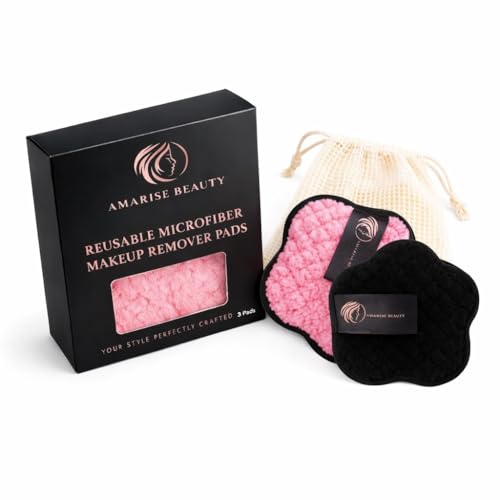
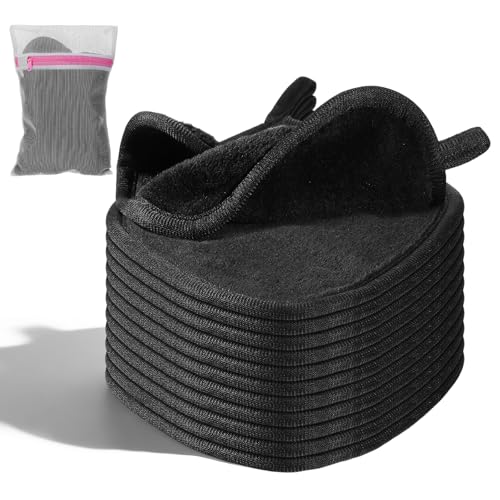
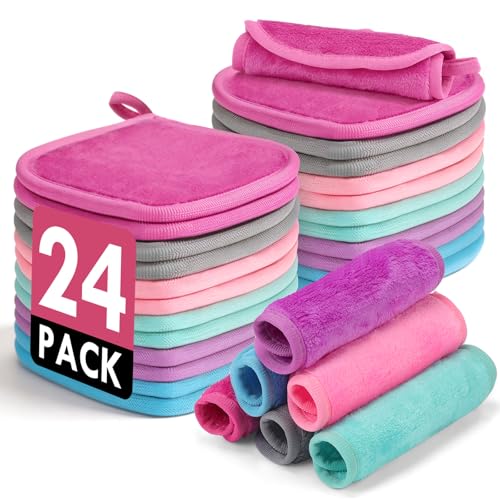

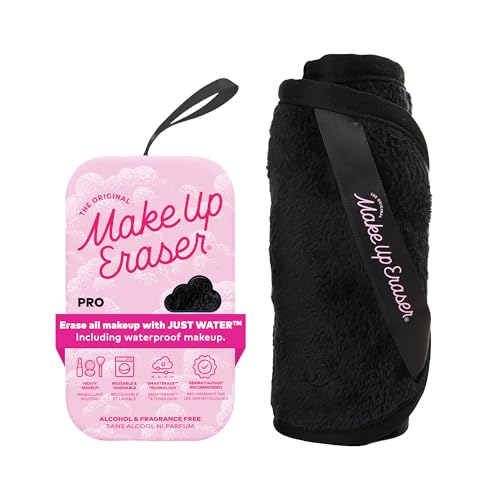
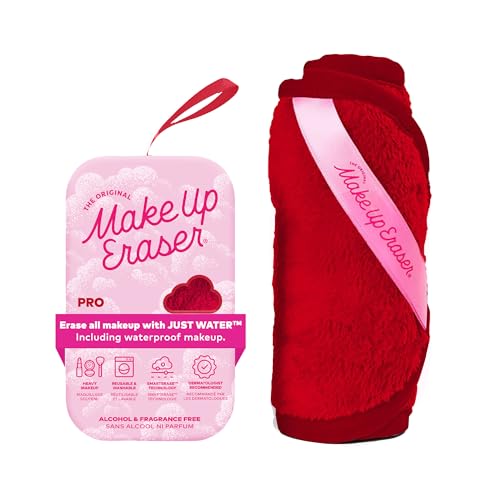
What Is A Microfiber Makeup Remover Cloth?
A microfiber makeup remover cloth is a reusable towel made from a special synthetic fiber, designed to remove makeup and cleanse skin using only water. The word “microfiber” means the threads are extremely thin—about 1/100th the thickness of human hair. This makes the fabric very soft and gentle, but also strong and effective at picking up dirt and oil.
Most microfiber cloths are made from a mix of polyester and polyamide (nylon). This blend gives the cloths their unique ability to grab and hold makeup, sweat, sunscreen, and even waterproof products. Unlike cotton, which can move makeup around, microfiber’s tiny fibers reach into pores to lift out impurities.
Some popular brands call their cloths “magic erasers,” “makeup remover towels,” or “cleansing pads,” but the technology is basically the same.
How Microfiber Removes Makeup
The secret to microfiber’s cleaning power is its structure. Each fiber splits into tiny, wedge-shaped strands. When you add water, these fibers create a capillary effect, which means they pull up oil, makeup, and dirt and trap them in the cloth.
Here’s how it works in simple steps:
- Add warm water to the cloth. This helps loosen makeup and soften the fibers.
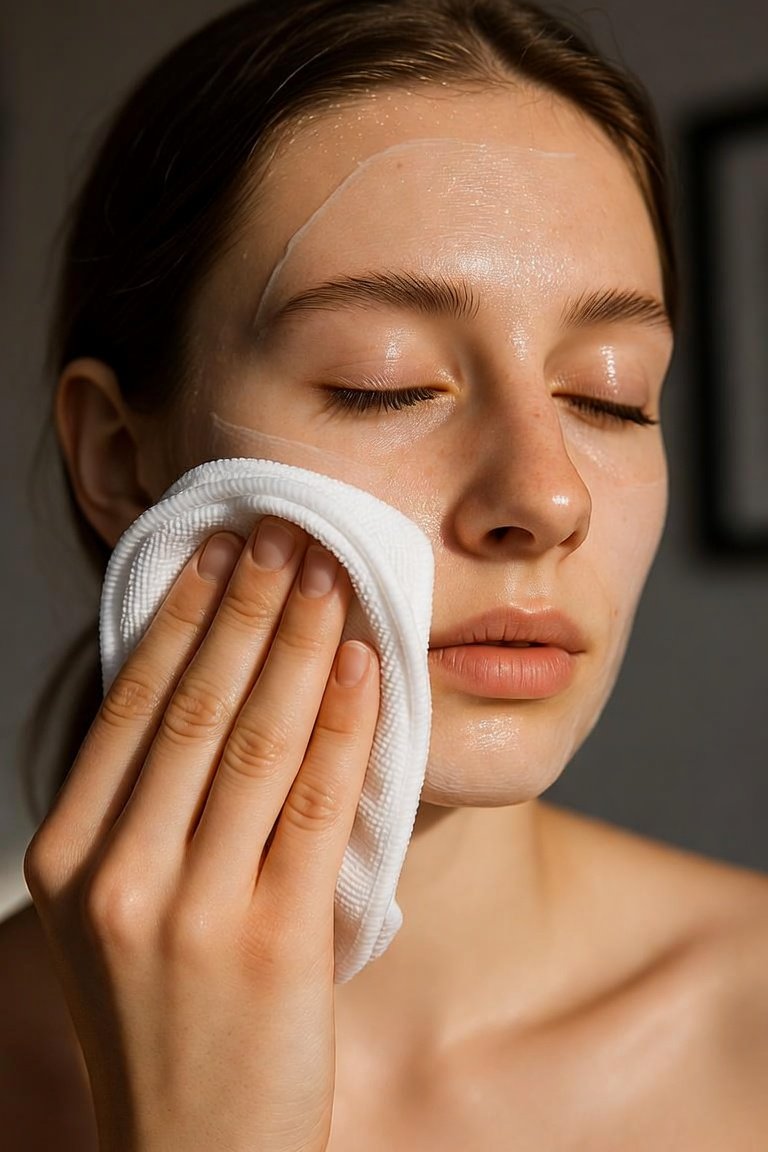
- Wipe your face gently. The tiny fibers lift makeup off the skin and trap it in the towel.
- Rinse or wash the cloth. The makeup and dirt are released, and the cloth is ready to use again.
No need for makeup remover liquids, oils, or wipes. The cloth does the work with just water.
Key Benefits Of Microfiber Makeup Remover Cloths
Why are so many people switching to microfiber cloths? Here are the top advantages:
1. Eco-friendly And Reusable
A single cloth can replace hundreds or thousands of disposable wipes or cotton pads. Most last for at least 6 months to a year with proper care.
2. Gentle On Skin
The soft microfiber is much less likely to cause redness, irritation, or micro-scratches than rougher fabrics or scrubs. This is important for people with sensitive skin, rosacea, or acne.
3. Chemical-free Cleaning
No need for harsh cleansers or oils—just water. This means fewer ingredients that can cause breakouts or allergic reactions.
4. Deep Pore Cleansing
Microfiber can reach into pores and lift out dirt, sunscreen, pollution, and makeup, giving a deeper clean than regular cotton.
5. Cost-effective
While the upfront cost is higher than a pack of wipes, you save money over time.
6. Travel-friendly
Most cloths are lightweight, dry quickly, and don’t need special liquids—perfect for travel or the gym.
Types Of Microfiber Makeup Remover Cloths
Not all microfiber cloths are the same. They differ in size, thickness, fiber blend, and shape. Here are the main types:
- Full-size towels: About the size of a face towel, good for home use.
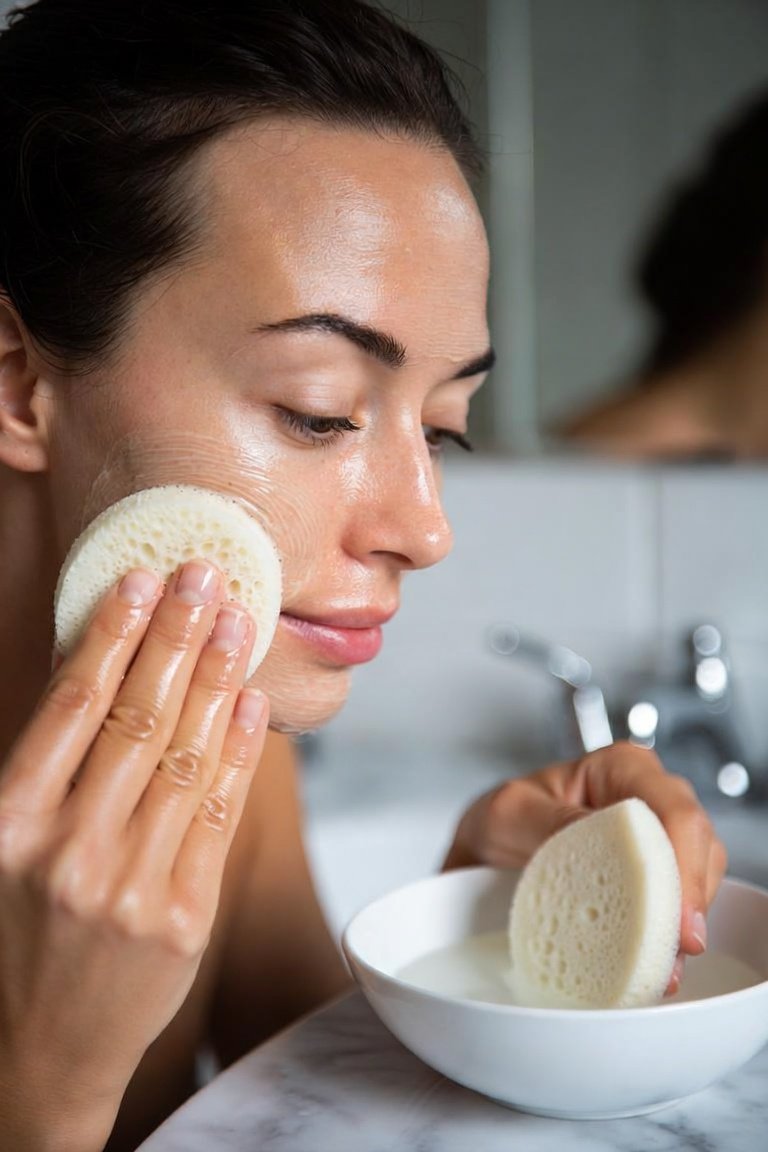
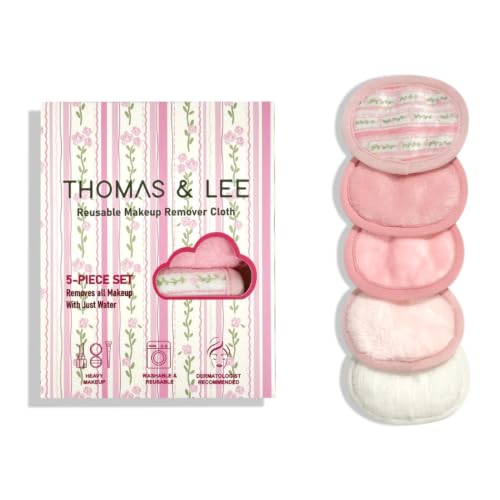
- Mini pads/discs: Small, round or square, good for eye makeup or travel.
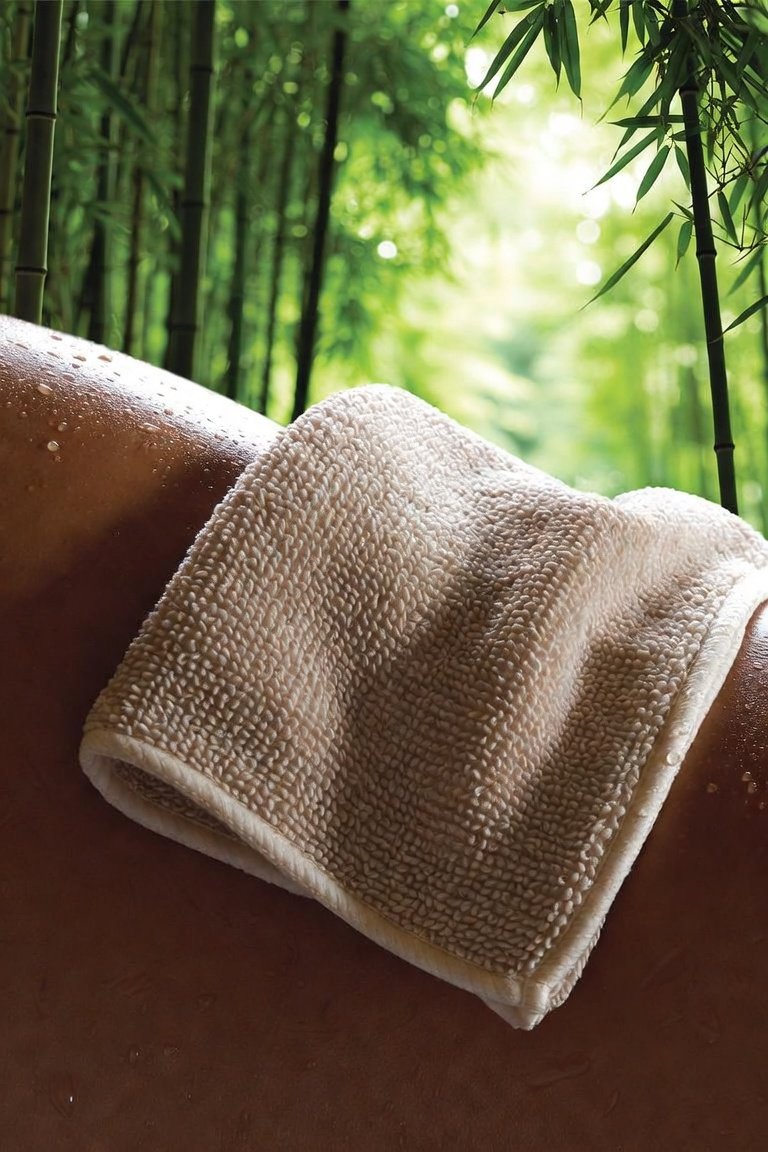
- Dual-sided cloths: One side for makeup removal, one for gentle exfoliation.
- Special shapes: Mitts or gloves that fit over your hand.
Some brands offer different colors for different uses (e. g. , one color for eyes, another for face).
Comparing Microfiber Cloths To Other Makeup Removers
How does a microfiber makeup remover cloth compare to other popular methods? This table shows the main differences:
| Method | Reusable? | Needs Chemicals? | Gentle on Skin? | Deep Clean? | Eco-Friendly? |
|---|---|---|---|---|---|
| Microfiber Cloth | Yes | No | Yes | Yes | Yes |
| Cotton Pads + Remover | No | Yes | Sometimes | No | No |
| Makeup Wipes | No | Yes | No | No | No |
| Cleansing Oil/Balm | No | Yes | Yes | Yes | No |
Microfiber cloths stand out for their eco-friendliness, cost savings, and skin-friendly qualities.
Who Should Use A Microfiber Makeup Remover Cloth?
Almost anyone can benefit from microfiber, but they are especially useful for:
- People with sensitive skin
- Those who want to reduce waste
- Anyone sensitive to makeup remover chemicals
- Travelers and busy professionals
- People who wear heavy, waterproof makeup
However, if you have active skin infections or very severe acne, always check with a dermatologist before switching routines.
How To Use A Microfiber Makeup Remover Cloth
Using a microfiber makeup remover cloth is simple, but a few tips will help you get the best results.
Step-by-step Instructions
- Wet the cloth: Use warm water for best results. Cold water works, but warm water helps open pores and loosen makeup.
- Wring out extra water: The cloth should be damp, not dripping.
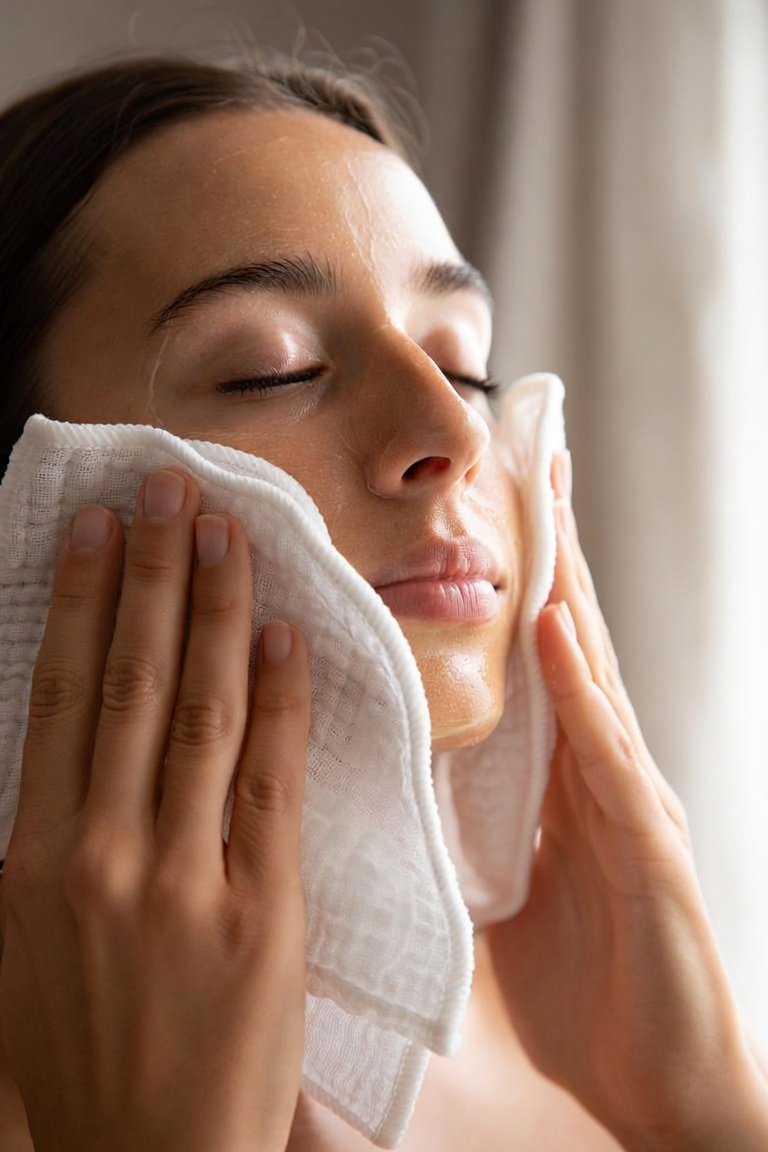
- Gently wipe your face: Use circular motions. Do not scrub hard. For eye makeup, press the cloth gently over closed eyes for a few seconds before wiping.
- Rinse the cloth as you go: If your makeup is heavy, rinse and wring out the cloth partway through.
- Repeat if needed: For very heavy or waterproof makeup, you may need to go over areas twice.
- Wash your face (optional): Some people follow with a gentle cleanser, but many find the cloth is enough.
Removing Stubborn Makeup
Waterproof mascara, long-wear lipstick, or heavy foundation may need extra attention:
- Hold the damp cloth on your eyes or lips for 10–20 seconds before wiping.
- Do not rub hard—let the fibers do the work.
- For very stubborn makeup, you can add a drop of gentle cleanser to the cloth.
Common Mistakes To Avoid
- Using the cloth dry (it won’t work)
- Rubbing too hard (can irritate skin)
- Not washing the cloth after each use (can spread bacteria)
How To Clean And Care For Microfiber Cloths
Proper care is key to keeping your microfiber cloths working well and free from bacteria.
Washing After Each Use
- Rinse with soap and warm water. Squeeze out all makeup.
- Hang to dry. Do not leave in a damp pile.
Deep Cleaning
After every few uses, or at least once a week:
- Machine wash in warm water.
- Use mild detergent (no bleach or fabric softener).
- Wash with other towels or alone.
- Air dry or tumble dry low.
Fabric softener and dryer sheets coat the fibers and make them less effective. Avoid these products.
When To Replace
Most cloths last 6–12 months. Replace when the fabric feels rough, the fibers get flat, or they don’t clean as well.
Are Microfiber Cloths Really Better For The Environment?
One big selling point is that microfiber cloths reduce waste. But how eco-friendly are they really?
The Good
- Replaces hundreds of wipes or cotton pads per year
- Lasts many months, sometimes over a year
- Lower water and energy use compared to producing disposable products
The Concerns
- Made from synthetic plastics (polyester and nylon)
- Can release microplastics when washed
- Not biodegradable
Practical Tips To Minimize Impact
- Wash cloths in a laundry bag to catch microfibers
- Wash only when needed, not after every wipe (if not very dirty)
- Replace less often by caring for cloths well
Overall, microfiber is still a big improvement over single-use wipes and pads, but not perfect.
Skin Types And Microfiber: Is It Safe For Everyone?
Most people find microfiber makeup remover cloths are safe, but some skin types need extra care.
Sensitive Skin
Microfiber is usually gentle. Avoid scrubbing, and rinse well to avoid bacteria buildup.
Acne-prone Skin
Microfiber can help by removing oil and makeup deeply, but use a clean cloth every time to prevent bacteria spread.
Dry Or Mature Skin
Microfiber does not strip natural oils like some soaps. If your skin feels tight, follow with a moisturizer.
Allergies
If you have fabric allergies or are sensitive to polyester/nylon, test a small patch first.
Comparing Popular Brands
There are many brands of microfiber makeup remover cloths. Here’s a comparison of some top choices:
| Brand | Size | Material | Price (Approx.) | Special Features |
|---|---|---|---|---|
| MakeUp Eraser | 7″x16″ | Polyester blend | $20 | Dual-sided, 3-5 years use |
| Face Halo | 3.5″ disc | Polyester/nylon | $22 (3 pack) | Soft edge, machine washable |
| Erase Your Face | 10″x10″ | Polyester | $10 (4 pack) | Color variety, budget-friendly |
| The Original Makeup Cloth | 7″x16″ | Microfiber | $18 | Quick-dry, lightweight |
What matters most is the fiber quality, softness, and how well it holds up to washing.
How To Choose The Best Microfiber Makeup Remover Cloth
When buying a microfiber cloth, consider these factors:
1. Fiber Quality
Look for ultra-fine, split microfiber. Cheap cloths may not remove makeup as well.
2. Size And Shape
Choose a size that fits your needs—full face, small pads, or mitts for easier handling.
3. Durability
Check reviews for how well the cloths last after many washes.
4. Price
More expensive cloths can be better quality, but many budget options perform well.
5. Brand Reputation
Go with trusted brands if you want a guarantee of quality and safety.
6. Special Features
Some cloths have dual sides, exfoliating textures, or are made for sensitive skin.
Microfiber Cloths Vs. Double Cleansing
Double cleansing (using an oil cleanser then a foam/gel cleanser) is popular, especially for heavy makeup. How does microfiber fit in?
- Microfiber cloths can fully replace the first step for many people.
- For waterproof sunscreen, you may still want a gentle cleanser after.
- Microfiber is often more gentle than strong cleansing oils.
If you wear light makeup, a microfiber cloth may be all you need. For very heavy, waterproof products, use the cloth first, then a gentle face wash.
Real-world Results: What Users Say
Thousands of reviews and testimonials show people love microfiber makeup remover cloths. Here are some common user experiences:
- “My skin is less red and feels softer.”
- “I save money and no more trash from wipes.”
- “I was surprised it took off all my mascara with just water!”
- “Great for travel—one cloth in my bag, no liquids needed.”
A common insight: Most people say their first use is an “aha” moment—they didn’t believe it would work until they tried it.
Common Myths About Microfiber Makeup Remover Cloths
Myth 1: Microfiber Cloths Don’t Remove Heavy Makeup
Fact: Quality microfiber can remove even waterproof products if used correctly. Hold the cloth on tough spots, use warm water, and wipe gently.
Myth 2: They Harbor Bacteria
Fact: If you wash and dry the cloth after each use, bacteria is not a problem. Like any towel, don’t leave it damp or dirty.
Myth 3: All Microfiber Cloths Are The Same
Fact: Cheaper versions may not have split fibers or may be too rough. Quality matters.
Myth 4: You Never Need Cleanser Again
Fact: Many people skip cleanser, but for heavy makeup or very oily skin, you may still want to double cleanse sometimes.
Practical Tips For Best Results
- Wash new cloths before first use to remove any factory residue.
- Use warm water for better makeup removal.
- Rinse the cloth halfway through if you wear lots of makeup.
- Replace your cloth every 6–12 months for the best performance.
- Store in a dry place to avoid mildew or bacteria.
Non-obvious Insights For Beginners
- Water temperature matters. Warm water helps open pores and loosen makeup, making removal easier.
- Don’t mix uses. If you use one cloth for eye makeup and another for foundation, you reduce the risk of staining and cross-contamination.
- Microfiber is not just for makeup. You can use these cloths for applying toner, gentle exfoliation, or even as a face towel.
Are Microfiber Cloths Suitable For Professional Makeup Artists?
Many makeup artists use microfiber makeup remover cloths backstage at fashion shows or photo shoots. The reasons:
- They work quickly and don’t irritate the skin of models.
- They are reusable and easy to pack.
- They remove even stubborn or stage makeup.
However, artists use a fresh, clean cloth for each client to avoid cross-contamination.
How To Store Microfiber Makeup Remover Cloths
- Let cloths dry completely before storing.
- Keep in a breathable bag (not plastic) to prevent mildew.
- For travel, use a mesh bag or clean pouch.
What To Do If Your Cloth Stops Working
If your microfiber cloth isn’t removing makeup as well:
- Wash in hot water with a little baking soda to refresh fibers.
- Avoid fabric softener and oils.
- If it still doesn’t work, it may be time to replace.
Microfiber And Sensitive Eyes
For those with sensitive eyes, microfiber is often a better choice than wipes with chemicals. Still, always be gentle. Hold the damp cloth on closed eyes before wiping, and avoid tugging on lashes.
Microfiber Cloths And Acne: An Honest Look
Many acne-prone users find microfiber cloths help by removing every trace of makeup. But, if you do not wash the cloth after every use, bacteria can build up. For best results:
- Use a fresh, clean cloth or pad each night.
- Wash with a mild, fragrance-free detergent.
- Don’t share your cloth with others.
Are There Any Downsides?
While microfiber makeup remover cloths have many fans, there are some downsides:
- Made from plastic-based materials (not biodegradable)
- Can release microfibers into water during washing
- May stain from very heavy or bright makeup
Still, for most users, the benefits outweigh the negatives.
Microfiber Vs. Muslin Cloths
Muslin cloths (made from cotton) are also popular in skincare. Here’s a quick comparison:
| Feature | Microfiber Cloth | Muslin Cloth |
|---|---|---|
| Material | Synthetic (polyester/nylon) | Natural cotton |
| Texture | Softer, finer | More textured, exfoliating |
| Makeup Removal | Very effective | Good for light makeup |
| Eco-Friendliness | Reusable, but synthetic | Biodegradable, but wears out faster |
| Care | Easy, quick dry | Can shrink, slower to dry |
Microfiber is better for heavy or waterproof makeup. Muslin is a good choice for very sensitive skin or those who prefer natural fibers.
Where To Buy Microfiber Makeup Remover Cloths
You can find these cloths at:
- Beauty stores (Sephora, Ulta)
- Major retailers (Target, Walmart)
- Online shops (Amazon, brand websites)
Look for trusted brands and check reviews for softness and durability.
How Many Cloths Do You Need?
For daily use, most people need 2–4 cloths. This allows you to use a clean one every day while others are in the wash. For travel, 1–2 are usually enough.
Microfiber Makeup Remover Cloths For Men
Skincare isn’t just for women. Many men use microfiber makeup remover cloths to clean sweat, sunscreen, or dirt after sports or long days. The gentle fibers are great for shaving irritation, too.
Diy Microfiber Cloth: Is It Worth It?
Some people try to make their own by cutting up microfiber towels meant for cleaning. This can work, but household microfiber is often rough and not suitable for the face. Always use cloths made for skin.
Washing Tips: Do’s And Don’ts
- Do: Wash before first use.
- Do: Use mild detergent.
- Do: Air dry or use low heat.
- Don’t: Use bleach or fabric softener.
- Don’t: Wash with linty items (socks, towels).
- Don’t: Leave wet in a pile.
The Science Behind Microfiber
Scientific studies show microfiber cloths can remove up to 99% of bacteria from surfaces—even without soap. This is why many hospitals and cleaning services use microfiber. On skin, the split fibers lift away makeup, oil, and bacteria better than cotton.
A 2019 study published in the Journal of Cosmetic Science found that microfiber towels removed more makeup residue than cotton pads, especially when only water was used.
The Future: Are There Better Alternatives Coming?
As more people care about both skin and the planet, new materials are being developed. Some brands are working on biodegradable microfibers made from plants or recycled plastics. For now, microfiber is the gold standard for reusable, chemical-free makeup removal.
If you want to learn more about microfibers and their environmental effects, check out this Wikipedia page.
Frequently Asked Questions
How Often Should I Wash My Microfiber Makeup Remover Cloth?
You should rinse and wash your cloth after every use to prevent bacteria buildup. For deep cleaning, machine wash at least once a week.
Can I Use A Microfiber Cloth With Cleanser Or Just Water?
Microfiber works with just water for most makeup, but you can add a gentle cleanser for heavy or waterproof products.
Are Microfiber Cloths Safe For Sensitive Eyes?
Yes, microfiber is gentle, but always wipe softly and never rub. For very sensitive eyes, test first.
How Long Does A Microfiber Makeup Remover Cloth Last?
With good care, most cloths last 6–12 months before needing replacement. Some high-quality brands last even longer.
Do Microfiber Cloths Remove Sunscreen?
Yes, microfiber cloths are very effective at removing sunscreen, sweat, and daily grime, not just makeup.
Switching to a microfiber makeup remover cloth is a small change with a big impact. You’ll save money, cut waste, and treat your skin more gently, all in one step. Whether you want a minimalist routine or simply better results, this tool is a smart addition to your skincare routine.