

Is IPL Safe for Dark Skin? What to Check Before You Buy
Turn over almost any at-home IPL box and you will find a skin tone chart with the darkest shades crossed out. So is IPL safe for dark skin? For light brown and many medium brown tones, it can be, within the limits the maker prints. For deep brown to black skin, the honest answer is no.
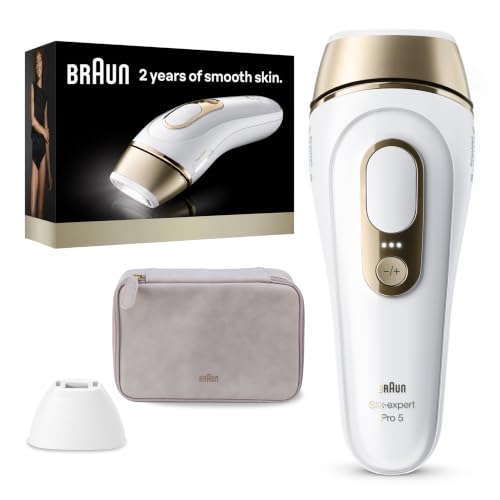
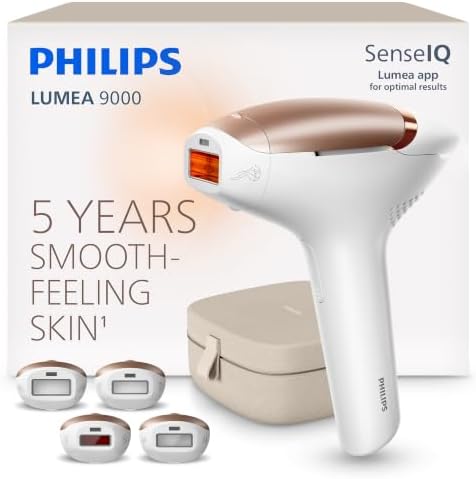
Quick answer: IPL is only as safe for dark skin as the device’s own chart allows, and none of the big home brands checked here covers the deepest tones. Philips says Lumea suits fair to medium brown skin. Braun says its IPLs are not for skin type 6, and Ulike lists Fitzpatrick I to V. If your skin is very dark brown or black, skip home IPL and ask a board-certified dermatologist about a long-pulsed 1064 nm Nd:YAG laser instead.
The reason is physics, not marketing. IPL heats the pigment in hair, but darker skin holds more pigment near the surface, so the skin competes for the light. A 2026 review of cosmetic treatments in Fitzpatrick IV to VI skin calls the long-pulsed Nd:YAG laser the gold standard for hair removal in darker skin. It also says IPL should be avoided there because it can lighten or darken the skin.
The evidence is not completely one-sided, however. Some trials found IPL tolerable on medium-dark skin, and those details matter when you read a device chart. Even then, a sensor or a lower setting does not turn an unsuitable tone into a suitable one.
Below you will find a one-minute self-check, what each brand’s chart says, IPL versus Nd:YAG, a patch-test routine, common myths, and the hair removal options that suit very dark skin.
Recommended IPL Devices and Dark-Skin-Friendly Alternatives
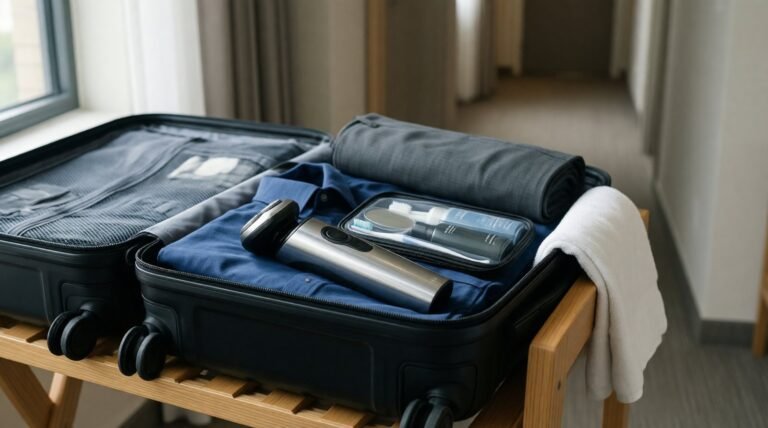
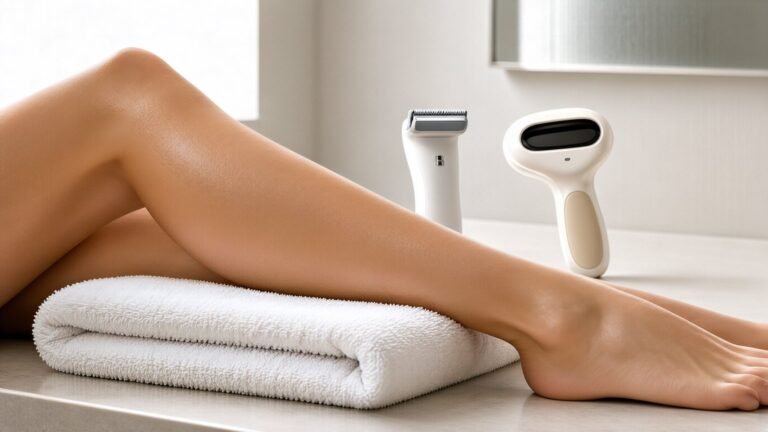
Only four IPL devices made this list, and each one is here because its maker states which skin tones it covers: Philips Lumea for fair to medium brown skin, Braun Silk-expert Pro 5 and Skin i-expert for light to dark brown skin but not skin type 6, and Ulike Air 10 for Fitzpatrick I to V. Because fewer than six devices met that bar, the list also includes a face trimmer, a beard trimmer and a women’s electric shaver. Those cut hair without any light, so they are the safer choice for very dark skin. See how we test and choose products for the rules behind every pick.





Key Takeaways
- IPL targets pigment, so darker skin absorbs more of the light and heat than lighter skin does.
- Home IPL makers set their own skin tone limits: Philips stops at medium brown, Braun excludes skin type 6, and Ulike lists Fitzpatrick I to V.
- If your skin is very dark brown or black, no home IPL in this guide is made for you.
- A 2026 review names the long-pulsed 1064 nm Nd:YAG laser, used in a clinic, as the gold standard for darker skin.
- A skin tone sensor is a safety net, not a guarantee; a patch test is still needed.
- Burns, dark patches and light patches are the main risks, and some color changes can be permanent.
- Trimmers and electric shavers remove hair without light, so they carry no burn or pigment risk from IPL.

Why Darker Skin Reacts Differently to IPL
IPL stands for intense pulsed light. Instead of one laser wavelength, the device fires a bright flash that covers a range of wavelengths. Filters trim that range, and the rest of the light passes into the skin.
The target is melanin, the pigment that gives hair its color. When the dark hair shaft absorbs the light, it heats up. That heat travels down to the follicle and, over several sessions, slows regrowth.
However, melanin is not only in hair. It also sits in the top layer of the skin, and darker skin simply has more of it. So the skin and the hair compete for the same flash. On fair skin, most of the energy reaches the hair. On deep brown skin, much of it is absorbed by the skin itself.
That stray heat is what causes trouble. It can blister or burn the surface. It can also trigger the pigment cells to overreact, which leaves dark patches. In other cases, it damages them, which leaves lighter patches. Doctors call these changes hyperpigmentation and hypopigmentation.
As a result, the question is never just “does IPL work?” It is how much pigment sits in your skin compared with your hair. That contrast decides whether IPL is safe for dark skin in your particular case.
Self-Check: Is IPL Safe for Dark Skin Like Yours?
Answer these questions honestly before you buy. They do not replace the chart in the manual, but they show quickly whether home IPL is even worth considering.
- How does your untanned skin react to strong sun? Burns easily (A), burns a little then tans (B), rarely burns and tans deeply (C), almost never burns and is deeply pigmented (D).
- How would you describe your natural skin tone on the inner arm? Fair to light (A), light to medium brown (B), dark brown (C), very dark brown to black (D).
- What color is the hair you want to remove? Dark brown or black (fine for IPL), or blonde, red, gray or white (IPL will not help much).
- Do you tend to get dark marks after spots, scratches or ingrown hairs? If yes, add one step of caution to your result.
- Is the area tanned or recently in strong sun? If yes, wait. A tan raises the pigment in your skin for now.
Mostly A or B: most home IPLs list your tone as suitable. Check the exact chart, then patch test.
Mostly C: you are at the edge. Some devices allow medium to dark brown skin, others do not. Patch test carefully, or see a dermatologist first.
Mostly D: home IPL is not made for your skin. Book a consultation about a long-pulsed Nd:YAG laser, or use a trimmer or shaver.
The first question mirrors the Fitzpatrick scale, the system most device charts use. It runs from type I, very fair skin that always burns, to type VI, deeply pigmented dark brown to black skin. Your result is a starting point. If you sit between two groups, follow the darker one.
What Each Brand’s Skin Tone Chart Actually Says
Marketing pages often say a device works on “most skin tones”. The support pages and manuals are more precise. Here is what each maker in our product list states on its own site.
| Brand and device | Tones the maker says are suitable | Tones it rules out | Safety feature named |
|---|---|---|---|
| Philips Lumea (all models) | Fair to medium brown skin | Dark brown to dark skin | Skin tone sensor that blocks areas too dark for safe use |
| Braun Silk-expert Pro 5 and Skin i-expert | Light to dark brown skin, with dark hair | Skin type 6 (dark brown to black) | Smart SkinProtect sensor that adjusts each flash and only flashes on suitable skin |
| Ulike Air 10 | Fitzpatrick I to V | Darker tones beyond type V | SkinSensor that adjusts energy and stops flashing on areas too dark |
These statements come from Philips support, Braun’s skin tone guide and Ulike’s own blog. Notice that they do not line up exactly. Philips stops earlier than Braun and Ulike, so the same person might be “in” for one device and “out” for another.
Also, brands describe tones in words or swatches, not lab measurements. Two people can read the same swatch differently. That is why every maker also tells you to patch test, even inside the approved range.
IPL vs Nd:YAG Laser: Why They Are Not the Same Thing
Many articles use “laser” and “IPL” as if they mean one thing. For darker skin, the difference matters a lot, because one is the treatment dermatologists favor and the other is the one they warn about.
| Feature | At-home IPL | Long-pulsed 1064 nm Nd:YAG laser |
|---|---|---|
| Type of light | Broad flash covering many wavelengths, filtered | A single, longer wavelength (1064 nm) |
| How deep it acts | Shallower; more energy meets skin pigment near the surface | Goes deeper, so it largely avoids pigment in the top layer |
| Darker skin (types V to VI) | Not covered by the home devices in this guide | Described as the gold standard for darker skin in a 2026 review |
| Who uses it | You, at home, at preset energy levels | A trained clinician who sets pulse length, energy and cooling |
| Skin cooling | Some devices add a cooling plate | Usually built-in or added cooling of the skin surface |
| Main trade-off | Convenient, but limited by skin tone | Often more painful and needs clinic visits |
The longer wavelength is the key. According to the review, it falls within the range that hair melanin absorbs while being long enough to avoid most pigment in the upper skin. The long pulse also spreads heat over more time, so the surface can cool while the follicle heats.
So when someone says “laser hair removal is safe for dark skin”, they usually mean Nd:YAG in a clinic. They do not mean any light device you can order online.
What the Research Shows About IPL on Darker Skin
The clearest summary comes from a 2026 narrative review in Plastic and Reconstructive Surgery Global Open on noninvasive cosmetic treatments for Fitzpatrick IV to VI. It reached three conclusions that matter here.
- Nd:YAG first. For Fitzpatrick IV to VI, the long-pulsed 1064 nm Nd:YAG laser is the gold standard for hair removal.
- IPL with caution. Research on IPL in types V and VI is limited, because of a higher risk of pigment changes, burns, blistering and crusting.
- Other lasers vary. The review notes reports that the diode laser caused about tenfold higher rates of dark marks, sensitivity and burns in darker-skinned patients than in White and Asian patients.
However, the picture is not entirely negative. The same review cites a split-body trial in women with Fitzpatrick IV to VI that found no lasting side effects from IPL. Even so, Nd:YAG worked better there, and participants preferred it despite more pain. Another review found IPL similar to lasers in types III and IV. Meanwhile, other experts the review cites advise against IPL for hair reduction in darker skin because of burns and dark marks.
In short, IPL may be tolerable on medium-brown skin with careful settings. For the darkest tones, the safer and better-studied route is Nd:YAG in skilled hands. Also keep in mind that these studies used clinic IPL systems run by trained staff, not home devices.
How to Check if IPL Is Safe for Your Dark Skin, Step by Step
These steps are for people whose skin falls inside the chart of the device they own. If your tone is outside it, stop at step one.
- Match your tone to the manual. Compare your untanned inner arm and the treatment area with the chart in your device’s manual. If you are between two shades, choose the darker one.
- Confirm your hair color. The hair should be dark brown or black. Light hair will not absorb enough light to respond.
- Shave, do not wax or pluck. Shave the area first so the light reaches the follicle, not hair on the surface. Waxing or plucking removes the root that IPL needs to target.
- Avoid sun and tanning first. Keep the area out of strong sun and away from tanning beds before treatment, because a tan adds pigment to the skin.
- Run a patch test. Flash one small, hidden spot at the lowest setting. Then wait as long as your manual says and look for redness that lingers, blisters or color change.
- Treat with single passes. If the test spot looks normal, treat the area without stacking flashes on the same spot. Keep the skin clean, dry and cool.
- Protect the skin afterward. Cool the area, then avoid direct sun and use sun protection on treated skin that is exposed.
These pre- and post-care points match the advice in the 2026 review: avoid plucking or waxing, avoid sun, cool the skin and avoid multiple passes. The American Academy of Dermatology also tells patients to keep treated skin out of direct sun and away from tanning beds.
Quick Do’s and Don’ts
- Read the skin tone chart before you open the box
- Patch test every new area, including the face
- Start on the lowest setting and move up slowly
- Keep treated skin covered or protected from sun
- Stop at the first sign of blistering or color change
- Flash over tanned skin, moles, tattoos or dark spots
- Override or trick a skin tone sensor
- Go over the same spot twice in one session
- Use a device outside its approved skin tone range
- Wax or pluck between sessions
Myths About Whether IPL Is Safe for Dark Skin
Myth 1: “A lower setting makes any IPL safe for dark skin.” Lower energy does reduce heat. However, skin that is too dark still absorbs the light before the hair does. As a result, the device may barely affect the hair while still irritating the skin. The chart limit is about how much pigment is in the skin, not the power level alone.
Myth 2: “The sensor will stop me if it is not safe.” Sensors help, and Philips, Braun and Ulike all describe one. Even so, each brand still tells you to check the chart and patch test. A sensor reads a small patch of skin at a time; it cannot judge how your skin will heal.
Myth 3: “FDA cleared means safe for every skin tone.” FDA clearance lets a device be sold for a stated use. For example, the FDA clearance letter for the Braun Skin i-expert covers hair removal and permanent hair reduction for over-the-counter use. It does not list skin tones. Those limits live in the device’s labeling, so read the manual.
Myth 4: “Any clinic laser is safer than home IPL.” It depends on the laser. For darker skin, the type of laser and the operator’s skill both matter. The review above reports higher rates of side effects with some lasers, such as the diode, in darker-skinned patients. Ask which laser a clinic uses before you book.
When IPL Is Not Safe for Dark Skin: Better Options
If your skin is very dark brown or black, the safest approach is to skip home IPL altogether. Instead, you have two good paths, and they can work together.
For long-term reduction, see a dermatologist. Ask about a long-pulsed 1064 nm Nd:YAG laser. The AAD notes that laser hair removal is now an option for people with dark skin, but it must be done very carefully. It also recommends a board-certified dermatologist, because burns, scars and lasting color changes can occur in inexperienced hands.
For everyday removal, cut hair without light. Trimmers and electric shavers carry no IPL burn or pigment risk. They also matter for another reason: people with coarse, curly hair often get razor bumps. The AAD explains on its razor bump page that very short cut hairs can curve back into the skin. It also says a single-blade razor or an electric razor is often recommended.
| Method | Light or heat on skin? | Best for | Watch out for |
|---|---|---|---|
| Home IPL (within chart) | Yes | Fair to medium or dark brown skin, per each brand | Burns and color change if used outside the chart |
| Nd:YAG laser in a clinic | Yes, controlled | Darker skin, including types V and VI | Pain, cost of time, need for a skilled operator |
| Trimmer | No | Faces, beards, bikini line, very coarse hair | Leaves short stubble; needs frequent use |
| Electric shaver | No | Legs, underarms, larger areas | Replace foils and blades as the maker advises |
Aftercare and Warning Signs After an IPL Session
Mild redness right after a session is common. The AAD describes the usual reaction after laser hair removal as redness and swelling that looks like a mild sunburn, and suggests a cool compress.
Other changes are not normal, especially on darker skin. Stop using the device and seek advice if you notice:
- Blisters, crusting or skin that looks wet or raw
- Redness or pain that is getting worse rather than fading
- New dark patches or a light, chalky patch in the shape of the flash window
- Any burn on the face or another visible area
Color changes after a burn often fade with time, but the AAD warns that some are permanent. So early care matters more than finishing the session.
Honest Limits
This guide relies on what manufacturers publish and on research reviews. Brand charts describe tones in words and swatches, so where you fall can be a judgment call. They can also change between models and countries.
The studies have limits too. Most compare clinic devices, with trained staff and adjustable settings. Home devices use fixed energy levels and have far less published data on darker skin. Also, research on IPL in Fitzpatrick V and VI is limited, so “no lasting harm” in one trial is not proof of safety for everyone.
Finally, no hair removal method suits every person. Hormones, medicines and some skin conditions change how skin reacts, and none of that shows on a chart.
When to See a Professional
See a board-certified dermatologist before you try any light-based hair removal if:
- Your skin is very dark brown or black, or you fall between two chart shades
- Spots, scratches or ingrown hairs often leave you with dark marks
- The face is the area you want to treat, especially near the eyes
- You have keloids, a history of burns from beauty treatments, or a skin condition in the area
- Sudden or heavy new hair growth is the reason you want treatment
- You have already had a burn, blister or color change from IPL
A dermatologist can judge your skin type in person and suggest an Nd:YAG laser where suitable. They can also look for a medical cause of unwanted hair.
- How painful laser sessions feel: what affects the sting and how to ease it.
- Electric shavers for sensitive skin: low-irritation options for daily use.
- Exercise after a laser session: when sweat and heat are fine again.
Frequently Asked Questions
Is IPL safe for dark skin at all?
It can be for light to medium brown skin within the device’s chart. None of the home brands in this guide covers very dark brown or black skin.
Is IPL safe for dark skin if I use the lowest setting?
Not if your tone is outside the chart. Skin that is too dark still absorbs the light, so a lower setting does not remove the risk.
What Fitzpatrick types can use home IPL?
It depends on the brand. Ulike lists types I to V, Braun excludes type 6, and Philips says fair to medium brown skin only.
Is any at-home IPL safe for dark skin types V and VI?
Ulike lists type V, but none of the brands checked here covers type VI. For type VI, see a dermatologist about an Nd:YAG laser.
Which laser is best for darker skin?
A 2026 review names the long-pulsed 1064 nm Nd:YAG laser as the gold standard for hair removal in Fitzpatrick IV to VI skin.
Does a skin tone sensor make IPL safe for dark skin?
It helps but is not a guarantee. Makers still tell you to check the chart and run a patch test before treating.
Can IPL cause dark spots on brown skin?
Yes. Heat absorbed by the skin can trigger dark patches or light patches. Some fade over time, but some can be permanent.
Is IPL safe for dark skin on the face?
Only within the device’s chart and after a patch test. Facial dark marks show easily, so many people with deeper skin prefer a dermatologist.
What should I do if IPL burns my skin?
Stop treatment, cool the area and keep it out of the sun. See a doctor for blisters, raw skin or any color change.
What is the safest hair removal for very dark skin at home?
Trimming or electric shaving, since neither uses light. For long-term reduction, a dermatologist can advise on Nd:YAG laser.
The Bottom Line
IPL can be a reasonable choice for fair to medium brown skin, and for some darker brown skin, as long as you stay inside the maker’s chart. The charts differ, so check the exact device. Then patch test, shave instead of waxing and keep treated skin out of the sun.
For very dark brown or black skin, home IPL is the wrong tool. A dermatologist with a long-pulsed Nd:YAG laser is the safer route to long-term reduction. Meanwhile, a good trimmer or electric shaver handles everyday hair with no light at all.




2 Comments