

Best Body Wash for Yeast on Skin: Ingredients Dermatologists Name, How to Use Them and When to See a Doctor
Did you know that the yeast behind many light or dark patches on the chest and back normally lives on most people’s skin? If you are looking for a body wash for yeast on skin, the most useful products are often not sold as body wash at all. Instead, they are anti-dandruff shampoos with specific active ingredients, used on the body.
Quick answer: dermatology sources such as the AAD and Cleveland Clinic name three over-the-counter ingredients for yeast-related rashes like tinea versicolor: ketoconazole, selenium sulfide and pyrithione zinc. Shampoos and cleansers with these ingredients may help manage the rash when used on the body as the label directs. They do not replace a diagnosis. See a doctor or dermatologist if you are unsure what the rash is, or if it spreads, keeps returning or does not improve.
Here is the key evidence. According to the American Academy of Dermatology (AAD), anti-fungal shampoos, soaps and lotions for tinea versicolor often contain one of those three actives. The NHS also adds that the condition is not caused by poor washing and cannot spread from person to person.
That means the right wash is about the ingredient list, not about scrubbing harder or choosing the strongest scent.
Below: what “yeast on skin” usually means, a self-check, the three ingredients, how to use a medicated wash, color recovery, prevention and when to get help.
Recommended Body Wash for Yeast on Skin: Medicated Picks
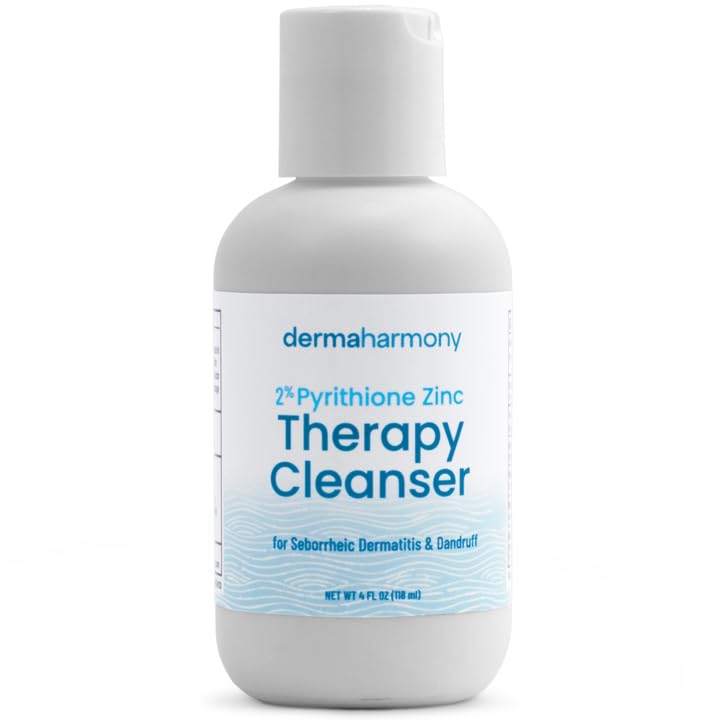
Every pick below contains ketoconazole, selenium sulfide or pyrithione zinc. Three are anti-dandruff shampoos of the kind dermatology sources describe using on the body, plus two pyrithione zinc cleansers and one bar. Read each Drug Facts label for directions and warnings before use. See how we test and choose products for the rules behind every pick.




Key Takeaways
- Many “yeast on skin” rashes involve Malassezia, a yeast that normally lives on skin and can overgrow in heat, humidity and sweat.
- The AAD lists ketoconazole, selenium sulfide and pyrithione zinc as common actives in anti-fungal shampoos and soaps for tinea versicolor.
- A medicated wash may help manage a yeast-related rash, but it cannot tell you what the rash is. Diagnosis needs a clinician.
- Most dandruff shampoos are labeled for the scalp, so ask a pharmacist or doctor before using one on your body.
- Skin color can stay uneven for weeks or months after the yeast is controlled, according to the AAD and NHS.
- Tinea versicolor is not contagious and is not caused by poor washing, per the NHS.
- Rashes that spread, keep coming back, hurt or do not improve need a doctor or dermatologist.
What “Yeast on Skin” Usually Means
People use “yeast on skin” for several different rashes. In dermatology, the phrase most often points to Malassezia, a yeast that lives on the skin of most people without causing trouble. Problems start when it grows out of control.
The best-known result is tinea versicolor, which the NHS calls pityriasis versicolor. It causes flat, round patches that look lighter or darker than the skin around them. On lighter skin, the NHS says patches can look pink, red or pale brown. On darker skin, they are usually paler. They often appear on the chest, upper back, neck, arms or abdomen. They may feel scaly and can sometimes itch.
A second condition is Malassezia folliculitis, often nicknamed “fungal acne”. Cleveland Clinic describes it as clusters of small, itchy, red bumps in hair follicles. Unlike common acne, it tends to itch, and the bumps look similar to each other.
So why does the yeast overgrow? Cleveland Clinic’s tinea versicolor page lists hot, humid weather, sweating, oily skin, hormonal changes and a weakened immune system as risk factors. In contrast, the NHS stresses that the rash is not caused by poor hygiene, and most people who get it are otherwise healthy.
Self-Check: Is a Body Wash for Yeast on Skin a Sensible First Step?
This checklist cannot diagnose anything. Instead, it helps you decide whether an over-the-counter wash is a reasonable thing to discuss with a pharmacist, or whether you should book a doctor first.
A pharmacist conversation may be a fair first step when:
- A doctor has diagnosed tinea versicolor before, and the same flat patches are back in the same areas.
- The patches are flat, not painful, and sit on the chest, back, neck or upper arms.
- You feel well otherwise, and the rash is not spreading fast.
See a doctor or dermatologist first when:
- This is the first time you have had the rash, or you are not sure what it is.
- It is in skin folds, the groin, under the breasts or on the face.
- It is painful, oozing, blistering, raised in a ring, or spreading quickly.
- You are pregnant, breastfeeding, have diabetes or a weakened immune system, or the rash is on a child.
- Over-the-counter products have already failed, or the rash keeps returning.
If most of your answers land in the second group, skip the shopping for now. A clinician can confirm the cause, often by examining a gentle skin scraping under a microscope or using a Wood lamp, as Cleveland Clinic describes.
The Three Ingredients Behind a Body Wash for Yeast on Skin
The AAD’s tinea versicolor treatment page says anti-fungal shampoos, soaps, creams and lotions often contain selenium sulfide, ketoconazole or pyrithione zinc. Cleveland Clinic also lists selenium sulfide shampoo and zinc pyrithione soap among over-the-counter options. Here is how the three compare as ingredients.
| Ingredient | Where you usually find it | What sources say | Things to know |
|---|---|---|---|
| Ketoconazole | Anti-dandruff shampoos | The NHS lists ketoconazole shampoo as a pharmacy option for pityriasis versicolor. | An antifungal drug. Stronger versions are prescription-only, so this guide covers only over-the-counter shampoos. |
| Selenium sulfide | Medicated anti-dandruff shampoos | The AAD and Cleveland Clinic both name it for tinea versicolor. | Can irritate some skin, so follow the label closely and rinse well. |
| Pyrithione zinc | Shampoos, liquid cleansers and bar soaps | The AAD lists it, and Cleveland Clinic names zinc pyrithione soap for treatment and prevention. | Often marketed for face and body as well as the scalp. |
Which one is best? The sources above do not rank them for home use. Therefore, the practical choice often comes down to what a pharmacist or doctor suggests for your skin, the product’s labeled uses, and how your skin tolerates it.
Medicated Wash vs “Antifungal” Marketing
Search results for a body wash for yeast on skin mix medicated products with scented soaps that only sound medical. These are not the same thing, and it is easy to mix them up.
| Product type | What makes it work | Where it fits |
|---|---|---|
| Medicated anti-dandruff shampoo | A listed active such as ketoconazole, selenium sulfide or pyrithione zinc | The type the AAD, NHS and Cleveland Clinic describe for yeast-related patches |
| Pyrithione zinc cleanser or bar | Pyrithione zinc as the active ingredient | A body-focused option that follows the same ingredient logic |
| Tea tree, sulfur or “natural antifungal” soap | Botanicals or other ingredients with less support in these sources | Not what the cited guidance names; evidence for yeast rashes is thinner |
| Regular body wash | Cleansing only | Good for daily hygiene; not expected to control yeast overgrowth |
| Antibacterial body wash | Ingredients aimed at bacteria | Targets a different kind of germ, so it is a poor match for yeast |
In short, the label word “antifungal” on the front means less than the active ingredient on the back. That is why every product on our list names one of the three actives.
How to Use a Body Wash for Yeast on Skin Step by Step
These general steps follow the way Cleveland Clinic and the NHS describe using medicated shampoo on the skin. Always follow the product label and your pharmacist’s or doctor’s directions first, because they know your situation.
- Check with a professional. Confirm with a pharmacist or doctor that the rash suits an over-the-counter product, especially the first time.
- Read the label. Look for directions, warnings and areas to avoid, such as eyes and broken skin.
- Patch test. Try a small amount on one area first, then watch for stinging, redness or dryness.
- Apply to the affected area. Lather it onto the patches in the shower, with your hands rather than a rough scrubber.
- Leave it on as directed. Cleveland Clinic describes letting shampoo sit on the skin for several minutes before rinsing. Follow the time on your label or from your pharmacist.
- Rinse well and pat dry. Rinse thoroughly, then pat skin dry with a clean towel, including skin folds.
- Track the result. Note whether the scaling and itch settle. If nothing improves, or the rash spreads, stop and see a doctor.
Why Skin Color Takes Months to Even Out
Many people stop a wash too early or buy a second product because the patches still look lighter or darker. However, color is a poor guide to whether the yeast is under control.
The AAD says the skin may stay lighter or darker for weeks or months, and it will eventually return to its normal color. The NHS page on pityriasis versicolor also says color can take a few months to return after treatment.
Meanwhile, the AAD advises protecting your skin from the sun and not tanning. Tanning makes the surrounding skin darker, so the patches stand out more. A light, broad-spectrum sunscreen helps; our guide to non-greasy sunscreen for breakout-prone skin covers label words to look for.
Because scaling and itch usually settle before color does, those are more useful signs to watch. If you are unsure whether the rash is still active, ask your doctor to check it.
Prevention and Maintenance Between Flares
Tinea versicolor often comes back. Both the AAD and NHS say patches can return, especially in warm, humid weather. As a result, prevention focuses on the conditions that help the yeast grow.
- Ask about a maintenance plan. The AAD says dermatologists may recommend a medicated cleanser once or twice a month during warm, humid periods. Your dermatologist can tell you whether that suits you.
- Shower after sweating. Cleveland Clinic suggests showering and changing clothes soon after workouts.
- Choose loose, breathable clothing. Loose cotton clothing helps reduce sweating, according to Cleveland Clinic.
- Limit heat and sun. Cleveland Clinic also lists avoiding excessive sweating, sunlight and heat.
- Keep skin folds dry. Pat dry after bathing, because trapped moisture suits yeast.
For everyday face washing, a regular gentle cleanser is usually enough. If your face is oily in some areas and dry in others, see our guide to a facial cleanser for combination skin.
Body Wash for Yeast on Skin: Mistakes to Avoid
Most setbacks come from the wrong product, the wrong expectations or skipping the diagnosis. These habits help you use a medicated wash safely.
- Get a diagnosis for a new rash
- Check the active ingredient on the label
- Follow label and pharmacist directions
- Patch test on a small area
- Protect patches from the sun
- See a doctor if it spreads or returns
- Scrub patches with rough tools
- Guess at a rash in skin folds or the groin
- Use it on broken or blistered skin
- Judge success by color alone
- Mix several medicated products at once
- Assume “natural antifungal” means proven
Rough scrubbing deserves a special mention. It does not remove yeast faster, and it can irritate skin. Because the rash is not caused by dirt, a gentle wash with the right active ingredient makes more sense than more friction.
Honest Limits
This guide covers cosmetic and over-the-counter washing only. It does not cover prescription medicines, and it cannot tell you what your rash is. Only a clinician can confirm tinea versicolor or rule out conditions that look similar.
The evidence here also has limits. The dermatology sources we cite list these ingredients, yet they do not rank one product over another for home use. Most of the shampoos on our list are labeled for dandruff, so using them on the body is something to confirm with a pharmacist or doctor.
Finally, customer ratings reflect many different uses, mainly on the scalp. For that reason, a high rating does not show that a product will work for a rash on your body. We have not tested these products ourselves; the picks are based on their listed active ingredients.
When to See a Doctor or Dermatologist
A medicated wash is a supporting step, not a diagnosis. The NHS says to see a GP if patches persist or treatments are not working. Book an appointment with a doctor or dermatologist if:
- You have never had the rash diagnosed, or you are unsure what it is
- The rash spreads, covers large areas or keeps coming back
- Over-the-counter washes have not helped
- The rash is painful, blistered, oozing or in skin folds or the groin
- You are pregnant, have diabetes or a weakened immune system, or the rash is on a child
- You notice a spot that is changing, bleeding or unlike the others
The AAD notes that a dermatologist can offer other treatment when the rash is widespread, thick or keeps returning. Those decisions belong with your doctor.
- Bamboo facial cloths: soft, reusable cloths for wiping away cleanser.
- Reusable cotton rounds: washable pads that replace disposable cotton.
- Microfiber makeup remover cloths: removing makeup with water alone, and where they fall short.
Body Wash for Yeast on Skin: FAQ
What is the best body wash for yeast on skin?
Dermatology sources point to products with ketoconazole, selenium sulfide or pyrithione zinc. A pharmacist or doctor can help you choose one for your skin.
Can I use dandruff shampoo as a body wash for yeast on skin?
The AAD, NHS and Cleveland Clinic describe anti-dandruff shampoos with these actives for tinea versicolor. Check with a pharmacist or doctor first, since most are labeled for the scalp.
Is tinea versicolor contagious?
No. The NHS says it cannot spread from person to person.
Is it caused by poor hygiene?
No. The NHS says it is not caused by not washing, and most people who get it are otherwise healthy.
Why are my spots still white after the scaling stopped?
Skin color can take weeks or months to return, according to the AAD and NHS. Protecting the area from the sun can help it blend in.
Will a regular antibacterial body wash help?
It is not what dermatology sources recommend for yeast. Look for one of the three antifungal actives instead.
Does tea tree oil soap work on yeast rashes?
The sources we cite do not name it. Evidence is thinner, and it can irritate some skin.
Can I use these washes on my face?
Ask a doctor first. Facial skin is more delicate, and facial rashes have many possible causes.
How do I stop it from coming back?
Shower after sweating, wear loose cotton clothing, and ask a dermatologist whether a maintenance wash suits you.
When should I see a doctor?
For any new or unclear rash, or one that spreads, hurts, keeps returning or does not improve.
Bottom Line
For yeast-related patches such as tinea versicolor, the useful wash is defined by its active ingredient. Ketoconazole, selenium sulfide and pyrithione zinc are the three that dermatology sources name, usually in anti-dandruff shampoos or zinc cleansers used on the body.
These products may help manage the rash, but they are not a diagnosis. Confirm the cause with a clinician, follow the label, protect the patches from the sun while color returns, and see a doctor if the rash spreads, persists or keeps coming back.





2 Comments