Does laser hair removal hurt
Does Laser Hair Removal Hurt? The Real Talk on Pain, Expectations, and What to Actually Expect
Table of Contents:
• The Truth About Laser Hair Removal Pain
• What Does It Actually Feel Like?
• Factors That Influence Your Pain Level
• Body Areas and Pain Intensity
• Managing Discomfort During Treatment
• Before and After Care Tips
• Is the Pain Worth It?
• Frequently Asked Questions
The Truth About Laser Hair Removal Pain
Let’s cut right to the chase—yes, laser hair removal does hurt. But before you run screaming for the hills, hear me out. It’s not the kind of pain that’ll have you crying for your mom or regretting every life choice that led you to that treatment chair. Think of it more like… well, imagine someone’s snapping a rubber band against your skin repeatedly. Not pleasant, but totally manageable.
I remember my first laser session like it was yesterday. I’d psyched myself up for this excruciating experience, practically writing my will beforehand. But when that first zap hit my leg, I thought, “Wait, that’s it?” Don’t get me wrong—it wasn’t a gentle massage, but it wasn’t the medieval torture I’d imagined either.
The thing is, everyone’s pain tolerance is different. What feels like a mild pinch to one person might feel more intense to another. But here’s what I can tell you: millions of people get laser hair removal done every year, and they keep coming back for more sessions. That should tell you something about how bearable it really is.
What Does It Actually Feel Like?
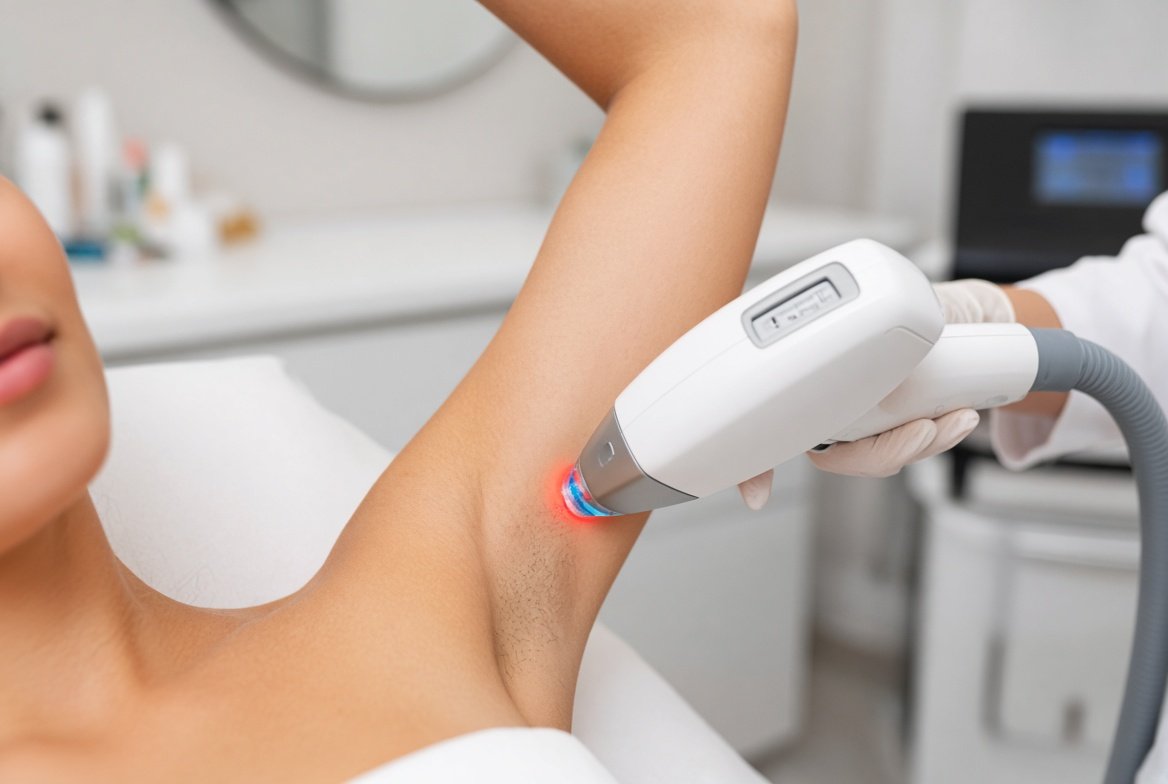
Describing laser hair removal pain is tricky because it’s unlike anything else you’ve probably experienced. Most people compare it to a rubber band snap, but I think it’s more nuanced than that. It’s like a quick, sharp heat sensation followed by a tiny sting. The whole thing lasts maybe a split second per pulse.
Some folks say it feels like tiny pinpricks of heat. Others describe it as a mild electric shock—though that sounds way scarier than it actually is. The sensation is brief and localized, so you’re not dealing with prolonged discomfort. It’s more like a series of quick “ow” moments rather than sustained pain.
The newer laser machines have cooling systems built right in, which makes a huge difference. Some blow cool air on your skin, while others have a cooling tip that touches your skin before each pulse. It’s like getting a little relief before you even need it.
The Heat Factor
What you’re feeling is essentially controlled heat targeting your hair follicles. The laser energy converts to heat when it hits the melanin in your hair, and some of that sensation transfers to your skin. It’s working—that’s the important thing to remember when you feel that quick zap.
Factors That Influence Your Pain Level
Not all laser hair removal experiences are created equal. Several factors can make your treatment more or less comfortable, and understanding these can help you prepare better.
Your skin color and hair color play a big role. The laser targets dark pigment, so if you have darker skin or very light hair, the settings might need to be adjusted, which can affect sensation levels. Fair skin with dark hair typically responds best to treatment and often experiences less discomfort.
Hormones are another wild card. Some women find treatments more sensitive during certain times of their cycle. If you’re someone who gets extra tender during PMS, you might want to schedule accordingly. Your technician won’t judge you for asking about timing—they’ve heard it all before.
The type of laser matters too. Different machines have different comfort levels. IPL (Intense Pulsed Light) tends to feel different from diode lasers or alexandrite lasers. Some are faster, some have better cooling systems, and some just feel gentler overall.
Your Mental Game
Here’s something they don’t always tell you: your mindset makes a difference. If you’re tense and expecting agony, you’re gonna feel every little sensation more intensely. Try to relax—easier said than done, I know, but it really helps. Some people bring headphones, others chat with their technician. Find what works for you.
Body Areas and Pain Intensity
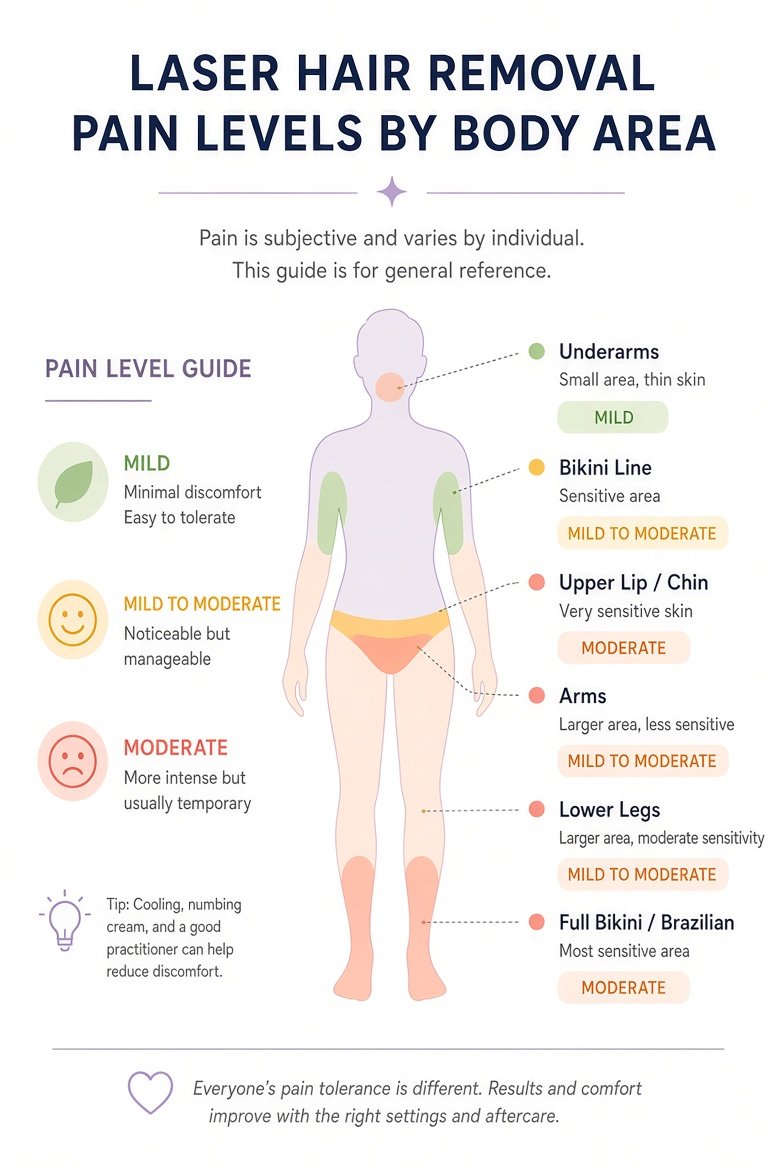
Let’s be real—some spots hurt more than others. It’s not rocket science: areas with thinner skin or more nerve endings are going to be more sensitive. But even the most sensitive areas are manageable with the right approach.
Legs are typically the easiest. The skin is relatively thick, and there’s usually good muscle underneath. Most people find leg treatments pretty tolerable, especially on the lower legs. Thighs can be slightly more sensitive, but still very doable.
Arms fall somewhere in the middle. The forearms are usually fine, but the upper arms might be a bit more tender. Nothing too crazy though.
Now, let’s talk about the areas that make people nervous: the bikini area and underarms. Yes, these are more sensitive. The skin is thinner, and there are more nerve endings. But here’s the thing—these areas also tend to have coarser, darker hair, which means the laser works more effectively. So while it might be less comfortable, you’ll likely see better results faster.
The Face Factor
Facial hair removal deserves its own mention. The upper lip can be surprisingly sensitive—it’s thin skin over bone, after all. But treatments are quick, and most people adjust after the first session. The chin is usually more comfortable than the lip area.
For men getting their backs done, it’s generally pretty comfortable. Chest can vary depending on sensitivity, but it’s usually manageable. The neck area tends to be more tender, so that’s something to keep in mind.
Managing Discomfort During Treatment
You’re not powerless against laser hair removal discomfort. There are plenty of ways to make your experience more comfortable, and a good clinic will work with you to minimize any pain.
Topical numbing cream is your friend. Most places offer it, especially for sensitive areas. You apply it about 30-60 minutes before treatment, and it can significantly reduce sensation. It’s not 100% elimination of feeling, but it takes the edge off nicely.
Communication with your technician is key. They can adjust settings, change the cooling, or take breaks if you need them. Don’t try to be a hero—if something feels too intense, speak up. They’d rather adjust the treatment than have you suffer through it.
Some clinics offer pain medication options for really sensitive people or large treatment areas. Over-the-counter pain relievers taken about an hour before treatment can help some people feel more comfortable.
Breathing and Relaxation Techniques
This might sound silly, but proper breathing really helps. When people tense up, they hold their breath, which makes everything feel worse. Try to breathe normally, or even do some deep breathing exercises during treatment. Some people find it helpful to count or focus on something else entirely.
Before and After Care Tips
What you do before and after treatment can impact your comfort level significantly. A little preparation goes a long way toward a smoother experience.
Before your appointment, avoid sun exposure. Sunburned or tanned skin is more sensitive and can’t handle laser treatment safely. Skip the retinoids and exfoliating products for a few days beforehand too—you want your skin as calm as possible.
Shave the area 24 hours before treatment. This might seem counterintuitive when you’re trying to get rid of hair, but the laser works best on short hair. Long hair can actually make treatment more uncomfortable and less effective.
After treatment, your skin might feel like it has a mild sunburn. This is totally normal and usually subsides within a few hours to a day. Cool compresses, aloe vera gel, or fragrance-free moisturizer can provide relief.
Avoid hot showers, saunas, and intense exercise for 24-48 hours after treatment. Your skin needs time to calm down, and heat can make any lingering sensitivity worse.
The Waiting Game
Here’s something interesting: the discomfort doesn’t get worse with each session. In fact, many people find subsequent treatments more comfortable because there’s less hair to target. As the hair becomes finer and sparser, there’s less for the laser to work on, which often means less sensation.
Is the Pain Worth It?
Let’s put this in perspective. You’re talking about maybe 15-30 minutes of mild discomfort every 6-8 weeks for several months. Compare that to a lifetime of shaving, waxing, or plucking. When you think about it that way, it’s really a no-brainer.
Waxing hurts more, lasts longer, and you have to do it way more frequently. Shaving might not hurt, but it’s daily maintenance forever. Laser hair removal is temporary discomfort for long-term freedom from unwanted hair.
Most people who complete their laser hair removal series say they’d do it again in a heartbeat. The confidence boost and convenience factor far outweigh any temporary discomfort during treatment.
Plus, technology keeps improving. The newer machines are more comfortable than ever, with better cooling systems and more precise targeting. What might have been quite uncomfortable ten years ago is much more manageable today.
So does laser hair removal hurt? Yes, but it’s manageable, brief, and totally worth it for most people. Don’t let fear of discomfort keep you from smooth, hair-free skin. Talk to a qualified technician, ask about pain management options, and remember—millions of people do this successfully every year. You’ve got this!
Frequently Asked Questions
How bad does…
Read More: Can You Bring Hair Tools on a Plane? Essential Travel Guide