

Does Dermaplaning Make Hair Grow Back Thicker?
Ask ten people about face shaving and at least one will warn you that the peach fuzz comes back like a beard. So, will your dermaplaning hair grow back thicker, darker or faster? It is one of the most common worries about the treatment, and the answer is reassuring.
Quick answer: no. Dermaplaning cuts hair at the surface of the skin, and the follicle that decides thickness, color and growth speed sits below the surface, out of the blade’s reach. Regrowth can feel stubbly for a short time because the cut leaves a blunt tip instead of a soft, tapered one. As the hair grows out, that feeling fades. If you notice more facial hair over time, something other than the razor is the cause.
That answer is not just beauty-counter folklore. Mayo Clinic states that shaving does not change hair thickness, color or rate of growth. A Cleveland Clinic dermatologist calls the idea a common misconception. A small controlled study from 1970 also had men shave one leg for several months and found no difference in hair weight, width or growth rate.
Still, the myth has a real cause, and dermaplaning has real downsides that matter more. It can irritate skin, aggravate active acne and nick the surface. In addition, some skin conditions make it a bad idea altogether.
This guide explains why regrowth feels different, gives you a quick self-check, compares dermaplaning with ordinary shaving, and walks through safe technique, who should skip it and when to see a doctor.
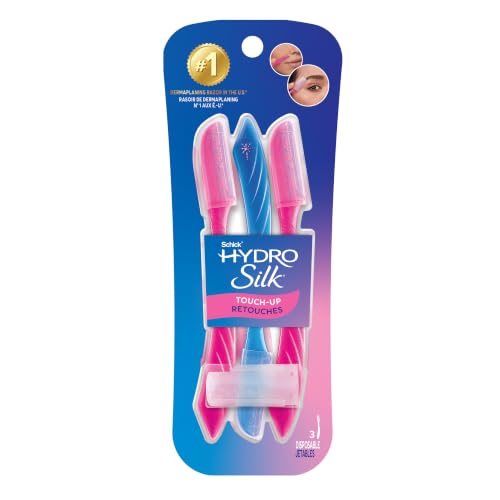
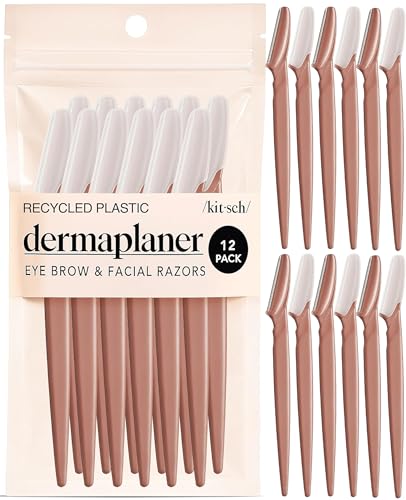
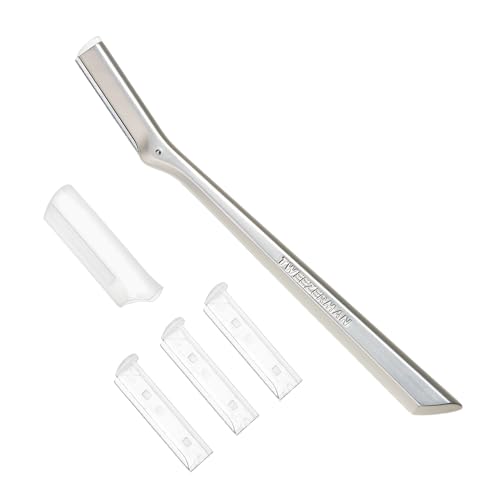
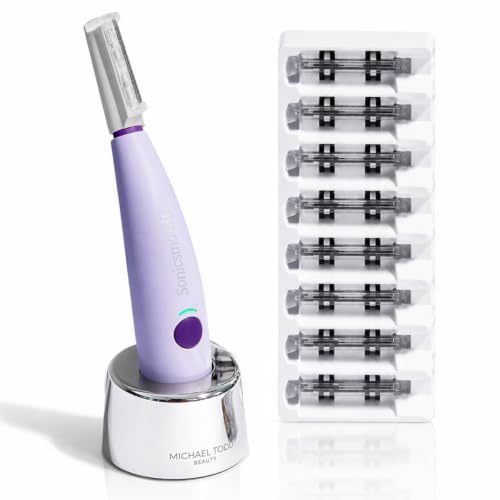
Recommended Dermaplaning Tools and Facial Razors
Every pick below is a dermaplaning tool or a single-blade facial razor: guarded disposables, refillable handles, a stainless steel option and one vibrating model. Choose one with a fine guard if you are new to it, and replace the blade as the maker directs. See how we test and choose products for the rules behind every pick.



Key Takeaways
- Dermaplaning cuts hair at the skin surface, so it cannot change the follicle that sets thickness, color and growth speed.
- Regrowth can feel stubbly because the blade leaves a blunt tip; that phase is temporary.
- Mayo Clinic, a Cleveland Clinic dermatologist and a controlled 1970 study all found no change in the hair itself.
- A slow increase in dark, coarse facial hair has another cause, and a doctor can look into it.
- Skip it on active acne, cold sores, eczema or psoriasis flares, rashes, sunburn, and skin with rosacea.
- At home, use a clean, sharp, guarded blade, light strokes and no more than one session a week.
- Moisturize afterwards and keep wearing sunscreen, because freshly exfoliated skin is easier to irritate.

Where the Myth That Dermaplaning Hair Will Grow Back Thicker Comes From
The fear is older than dermaplaning. People said the same thing about shaving legs, upper lips and teenage beards for generations. Because almost everyone has felt stubble after a shave, the story sounds like common sense. So will dermaplaning hair grow back like a beard? No, and the reasons are simple.
There are three things that feed it. First, regrowth feels rough for a while. Second, short hair can look darker against the skin than long, fine hair. Third, many people start removing facial hair at an age when hormones are already making that hair coarser. As a result, the razor gets the blame for a change it did not cause.
Dermaplaning adds one more twist. It removes vellus hair, the pale, soft peach fuzz that most faces have. That fuzz is so fine that you rarely notice it until it is gone. So when it returns, you suddenly notice something that was there all along.
What the Blade Reaches and What It Misses
Every hair has two parts that matter here. The shaft is the visible part above the skin. Below the surface sits the follicle, the small pocket where the hair is made. It decides how thick the hair is, what color it is, and how fast it grows.
A dermaplaning blade glides across the top of the skin. It cuts the shaft and lifts away loose dead skin cells. However, it never reaches the follicle. According to Cleveland Clinic dermatologist Dr. Melissa Piliang, trimming hair above the surface has no effect on how the hair grows. She calls the opposite belief a very common misconception.
Compare that with methods that do work on the follicle. Waxing and tweezing pull the whole hair out, root and all. Laser treatments aim energy at the follicle itself. Dermaplaning does neither, which is also why its results are short-lived.
| Hair type | What it looks like | Where you find it | What dermaplaning does to it |
|---|---|---|---|
| Vellus hair (peach fuzz) | Very fine, short, soft and usually pale | Cheeks, forehead, jawline and much of the body | Cuts it at the surface; the same fine hair returns |
| Terminal hair | Thicker, longer and usually darker | Scalp, brows, beard area, and sometimes the upper lip or chin | Cuts it at the surface; the same terminal hair returns, with a blunt tip at first |
In short, the blade cannot turn vellus hair into terminal hair. Let dermaplaning hair grow back for a few weeks, and you will see the same type of hair as before. If fine hair becomes coarse over months or years, the change started inside the follicle, not on the surface.
What the Research Shows About Dermaplaning Hair Growing Back
No large trial has tested dermaplaning on its own. Instead, the evidence comes from shaving, which cuts hair at the same level. That makes the shaving research a fair stand-in.
The best-known controlled study is small but clear. In 1970, Lynfield and MacWilliams asked five healthy young men to shave one leg every week for several months. The other leg served as the control. Their report in the Journal of Investigative Dermatology found no significant difference in total hair weight in a measured area. They also saw no difference in the width or growth rate of individual hairs.
Medical guidance agrees. Mayo Clinic states that shaving does not change hair thickness, color or rate of growth. It also explains the confusion: shaved hair has a blunt tip, which can feel coarse and look darker or thicker for a time as it grows out.
Why Dermaplaning Hair Can Feel Thicker as It Grows Back
Run a finger over a hair that grew naturally and you meet a fine, tapered point. Then run it over a hair that was cut. The blade slices straight through the shaft, so the end is flat and full width. That flat end catches on your skin and feels prickly.
Length plays a part too. A short hair stands more upright than a long one, so it pushes back against your fingertip. Long vellus hair, by contrast, lies flat and bends easily. Therefore the first days of regrowth feel very different from the soft fuzz you started with, even though each strand is the same width. Once you let dermaplaning hair grow back for a week or two, the prickly stage passes.
| What you notice | What is actually happening | Does it last? |
|---|---|---|
| Prickly or stubbly feel | The cut left a blunt, full-width tip instead of a tapered one | No; it fades as the hair grows out |
| Hair looks darker | Short, dense regrowth shows against the skin; sun-lightened ends were cut off | No; it evens out with length |
| Hair seems to come back faster | You now notice hair you never looked at before | The growth rate itself does not change |
| Coarse dark hairs on the chin or lip | These terminal hairs were already there; the blade only made them visible as stubble | Yes, but the blade did not create them |
Self-Check: Is It Blunt Tips or Genuinely New Hair?
If you still feel that something changed, this quick check helps you sort a harmless stubble phase from a change worth raising with a doctor.
Answer yes or no to each question.
- Did the rough feeling start within a few days of a session?
- Does it soften as the hairs get longer?
- Are the hairs in the same places they were before?
- Do they look the same color once they reach their usual length?
- Has your facial hair stayed about the same over the past year?
Mostly yes: you are feeling blunt tips. That is normal, and it passes.
Several no answers: look closer. For example, dark, coarse hair spreading to new areas such as the chin, jaw or upper lip is not a blade effect. The same goes for hair that appears quickly or comes with irregular periods or acne flares. These changes deserve a medical opinion.
The American Academy of Dermatology advises seeing a board-certified dermatologist if you suddenly have a lot more unwanted hair. In that case, removing it will not answer the real question of why it is there.
Dermaplaning vs Ordinary Face Shaving
Product listings blur these two together, and in truth they overlap a lot. Both cut hair at the surface. As a result, neither one makes hair grow back thicker. The main differences lie in the tool, the goal and how much skin each one removes.
| Feature | Dermaplaning | Ordinary face shaving |
|---|---|---|
| Main goal | Remove peach fuzz and exfoliate dead skin cells for a smoother surface | Remove visible hair |
| Tool | Single straight blade on a small handle; in clinics, a surgical-style blade | Multi-blade or electric razor |
| Usual prep | Clean skin; follow the tool’s directions on dry skin or a light glide product | Wet skin plus shaving cream or gel |
| Effect on skin | Lifts a thin layer of dead cells as well as hair | Mostly hair; some incidental exfoliation |
| Effect on hair growth | None on thickness, color or speed | None on thickness, color or speed |
| Who performs it | You at home, or a trained esthetician or medical provider | You at home |
In California, the state Board of Barbering and Cosmetology describes the salon service as exfoliating the skin with a razor-edged tool to remove fine vellus hair. It notes that both estheticians and cosmetologists may offer it. If you prefer an electric razor for coarse hair, see the related guides near the end of this article.
Who Should Skip Dermaplaning
For most people, the real risks of dermaplaning are irritation, bumps and small cuts, not hair growth. Those risks rise sharply on skin that is already inflamed. Cleveland Clinic lists several reasons to avoid the treatment:
- Active acne. Dr. Piliang warns that dermaplaning can agitate existing acne and may even cause more.
- Cold sore outbreaks. A blade passing over an active sore can irritate it further.
- Eczema or psoriasis flares and skin rashes. Wait until the skin has calmed down.
- Moles, skin tags or other growths. Steer the blade around them, or skip the area.
- Burned skin, including sunburn and skin treated with radiation.
Rosacea belongs on the list too. The American Academy of Dermatology tells people with rosacea to stop exfoliating and to avoid rubbing or scrubbing the face. Dermaplaning is a form of physical exfoliation, so it works against that advice.
How to Dermaplane at Home Step by Step
Good technique will not make dermaplaning hair grow back any differently, but it does decide whether you get smooth skin or a row of nicks. Read the instructions that came with your tool first, then follow this order.
- Check your skin. Skip the session if you have active breakouts, a cold sore, a rash, sunburn or a flare of eczema or rosacea.
- Clean your face and the blade. Wash with a gentle cleanser and pat dry. Then wipe a reusable blade with rubbing alcohol, as Cleveland Clinic suggests.
- Prepare the surface. Follow the tool’s directions. Most guarded facial razors are used on clean, dry skin, while some brands suggest a thin layer of oil or gel.
- Hold the skin taut. Use your free hand to keep the area flat, so the blade glides instead of catching.
- Use short, light strokes. Keep the blade at a low angle and move in the direction the hair grows, which the AAD recommends to prevent razor bumps.
- Work around problem spots. Avoid moles, raised spots and any broken skin. Leave the eyelids and the edge of the lips alone.
- Rinse and moisturize. Rinse with lukewarm water, then apply a plain moisturizer right away to calm the freshly exfoliated surface.
- Protect and store. Wear sunscreen during the day. Clean the blade, let it dry completely and store it in a dry place.
How Often to Dermaplane, and How Fast Hair Returns
Because the blade only cuts the surface, the results are short-lived. The AAD notes that shaving results may need upkeep daily or every few days. Fine peach fuzz is less visible, so many people are happy to wait longer between sessions.
Exfoliation sets the real speed limit. Dr. Piliang advises no more than one session a week, so the skin has time to recover in between. If your skin stings, looks red or feels tight, stretch the gap further.
How fast does dermaplaning hair grow back, then? Your own follicles set that speed, so it stays the same however often you treat it. Instead of chasing smoothness every few days, plan sessions around how your skin feels. Then skip a week whenever it seems sensitive.
Habits That Cause Bumps, Nicks and Breakouts
Most problems after dermaplaning come from technique, not the tool. Here is what helps and what hurts.
- Start on clean skin with a clean blade
- Hold the skin taut and use short strokes
- Follow the direction of hair growth
- Moisturize right after each session
- Wear sunscreen in the days that follow
- Replace the blade before it feels dull
- Dermaplane over pimples, cold sores or rashes
- Press hard or go over one spot again and again
- Share your blade with anyone
- Stack it with scrubs or strong acids the same day
- Treat sunburned or broken skin
- Store a wet blade in a steamy bathroom
Mild redness that lasts about a day is common, according to Cleveland Clinic. Swelling, pus, spreading redness or pain that gets worse is not, and those signs need a doctor.
Does Shaving Make Hair Grow Back Thicker?
No. Mayo Clinic and Cleveland Clinic both state that shaving does not change hair thickness, colour or growth speed. The myth survives because of what a razor leaves behind: a blunt tip. The flat edge feels coarse for a few days, and hair is naturally thicker at the base than at the tip, so regrowth looks heavier until the tip tapers out again. This is the same mechanism that explains dermaplaning regrowth, which is why the two questions have the same answer.
Waxing removes the root, so hair takes longer to reappear than after shaving, but it does not change the follicle either. If you shave, do it on wet, softened skin with a lubricant and go with the grain, replace the blade after five to seven shaves, and let the razor dry between uses. That routine reduces the irritation and bumps that people sometimes mistake for thicker hair.
A genuine increase in hair, especially in new places, is not a shaving effect. Mention it to a doctor, because hormonal causes are the usual explanation.
Honest Limits
Dermaplaning is a surface treatment with surface results. It removes peach fuzz and some dead skin, so makeup can go on more smoothly and the skin may look a little brighter. However, it does not treat acne, shrink pores, change hair growth or fix pigmentation by itself.
The research has limits too. The main controlled shaving study is old and very small. Most of the advice on home dermaplaning comes from dermatologists’ experience rather than trials. Also, the evidence on frequency and blade angle is thin, so treat the instructions on your tool as the starting point.
Finally, any blade near the face carries some risk. Even careful users nick themselves occasionally, and sensitive skin may never tolerate it well. If every session leaves you red and bumpy, that is a sign to stop rather than to try harder.
When to See a Professional
Home dermaplaning is fine for routine peach fuzz on healthy skin. See a dermatologist or doctor instead when:
- Coarse, dark facial hair spreads to new areas or appears quickly
- New facial hair comes with irregular periods, acne flares or scalp hair thinning
- You have acne, rosacea, eczema or psoriasis and want to know which removal method is safe
- A cut or bump looks infected, or irritation lasts longer than a few days
- You want a professional treatment, which should be done by a trained, licensed provider
- You want longer-lasting hair reduction than a blade can give
- Electric shavers for sensitive skin: a gentler choice for coarser facial hair.
- What laser treatment feels like: a longer-term route to less hair.
- Cleansers for combination skin: a mild wash to prep the face.
- Using a dermaplaning tool safely: steps, limits and aftercare.
Frequently Asked Questions
Does dermaplaning make hair grow back thicker?
No. The blade cuts hair at the surface and never reaches the follicle, which controls thickness. Regrowth only feels thicker because the cut leaves a blunt tip.
Will dermaplaning hair grow back darker?
No. Color comes from the follicle. Short regrowth can look darker against the skin for a while, but that evens out as it grows.
How fast does hair grow back after dermaplaning?
At its normal speed. Because it is cut at the surface, you may notice it again within days or a few weeks, depending on your hair.
Why does my face feel stubbly after dermaplaning?
The blade cuts each hair straight across, leaving a flat end that feels prickly. That feeling fades as the hair grows longer.
Can dermaplaning cause more facial hair to grow back?
No. It does not create new follicles or wake up old ones. More hair over time points to another cause, so ask a doctor.
How often can I dermaplane at home?
A Cleveland Clinic dermatologist suggests no more than once a week, so your skin can recover between sessions.
Can I dermaplane with acne or rosacea?
Not during active acne, which it can aggravate. With rosacea, the AAD advises against exfoliating, so most people should skip it.
Is dermaplaning the same as shaving?
Both cut hair at the surface. Dermaplaning uses a single straight blade and also removes dead skin cells, so it doubles as exfoliation.
Should I dermaplane dry or wet skin?
Follow your tool’s directions. Many guarded facial razors are made for clean, dry skin, while some brands suggest a light oil or gel.
Does dermaplaning hair grow back the same after years of use?
Yes, as far as the blade is concerned. Hair can change with age or hormones, but repeated cutting at the surface does not cause that change.
Does shaving make hair grow back thicker or darker?
No. The blunt tip and the thicker base of the hair make stubble look and feel coarser for a few days, but the hair itself is unchanged, per Mayo Clinic and Cleveland Clinic.
Why does stubble feel so coarse after shaving?
Because the razor cuts the hair flat instead of leaving its natural tapered tip. Once the tip wears down the hair feels normal again.
Is dermaplaning regrowth any different from shaving regrowth?
Not in mechanism. Both cut the hair at skin level and leave a blunt end; neither touches the follicle.
The Bottom Line
Will dermaplaning hair grow back thicker? No. Dermaplaning trims peach fuzz at the surface, so it cannot make hair thicker, darker or faster. The stubbly feel is a blunt tip, and it fades. Mayo Clinic, a Cleveland Clinic dermatologist and a controlled shaving study all point the same way.
The decisions that matter are about your skin. Skip it on active acne, cold sores, rashes, flares and rosacea. Use a clean, sharp blade with light strokes, keep to one session a week at most, and moisturize and wear sunscreen afterwards. If facial hair is truly increasing, see a doctor rather than a razor.





2 Comments