
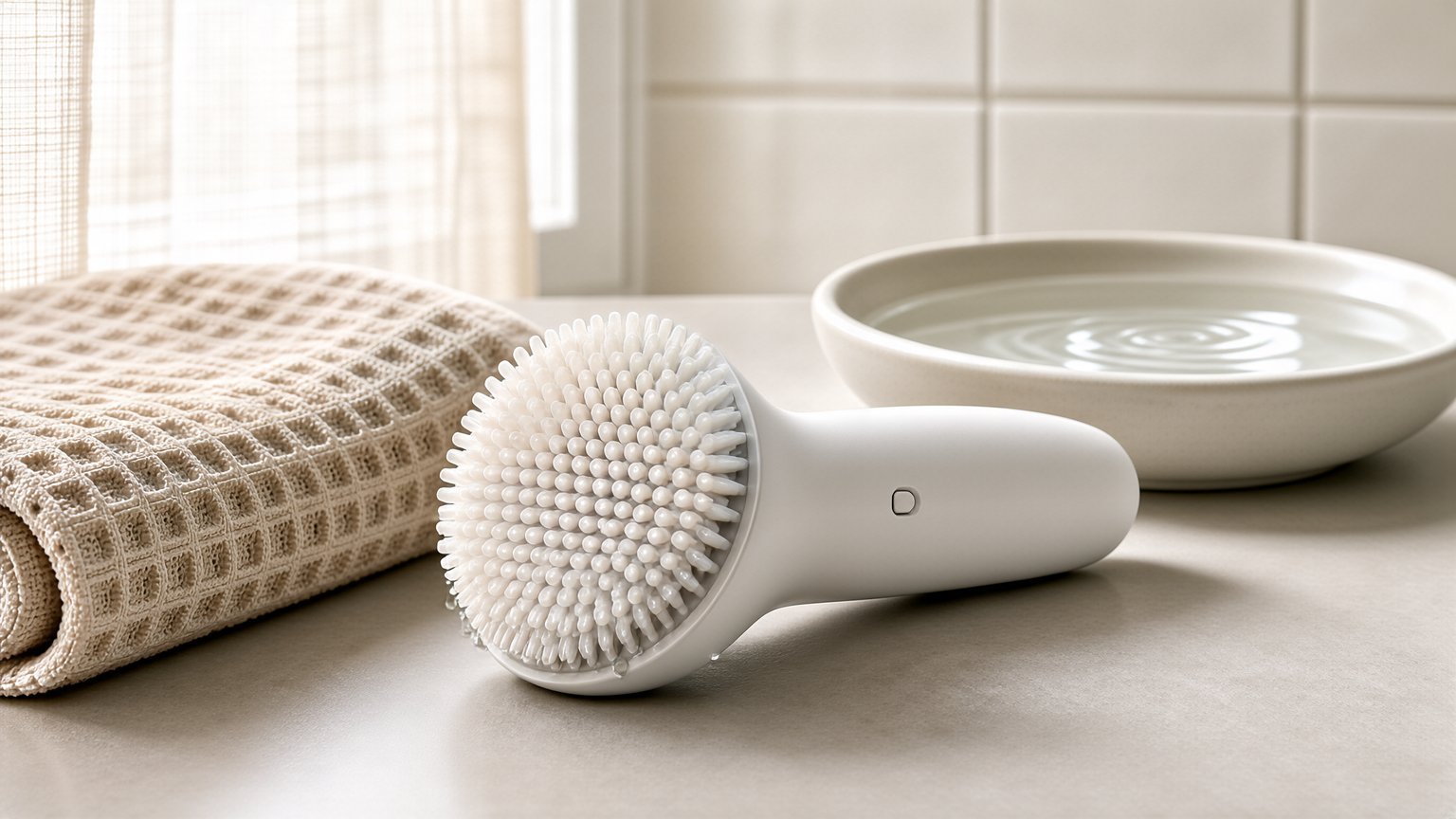
Is a Facial Cleansing Brush Bad for Your Skin? What Actually Causes Damage
Most searches for a cleansing brush bad for your skin start after a rough week: tight cheeks, a red patch by the nose, or a breakout that appeared right after the brush arrived. The brush is rarely the villain on its own. The usual causes are too much time, too much pressure, a worn or dirty head, or a skin condition that never needed extra friction.
Quick answer: a cleansing brush is not bad for your skin by default, but it can become bad through overuse. Use it once a day at most, and start with once or twice a week. Press lightly, keep each session short, and stop if skin turns red, tight or stingy. Skip it on active eczema, rosacea flares, open breakouts and freshly treated skin.
The research is thinner than the marketing. A 2019 consensus review in the Journal of Cosmetic Dermatology concluded that sonic brushes may be a safe and effective option for several skin concerns, including acne. However, that paper covers sonic devices and comes from a clinician panel, so it cannot prove that every spinning bristle head is gentle.
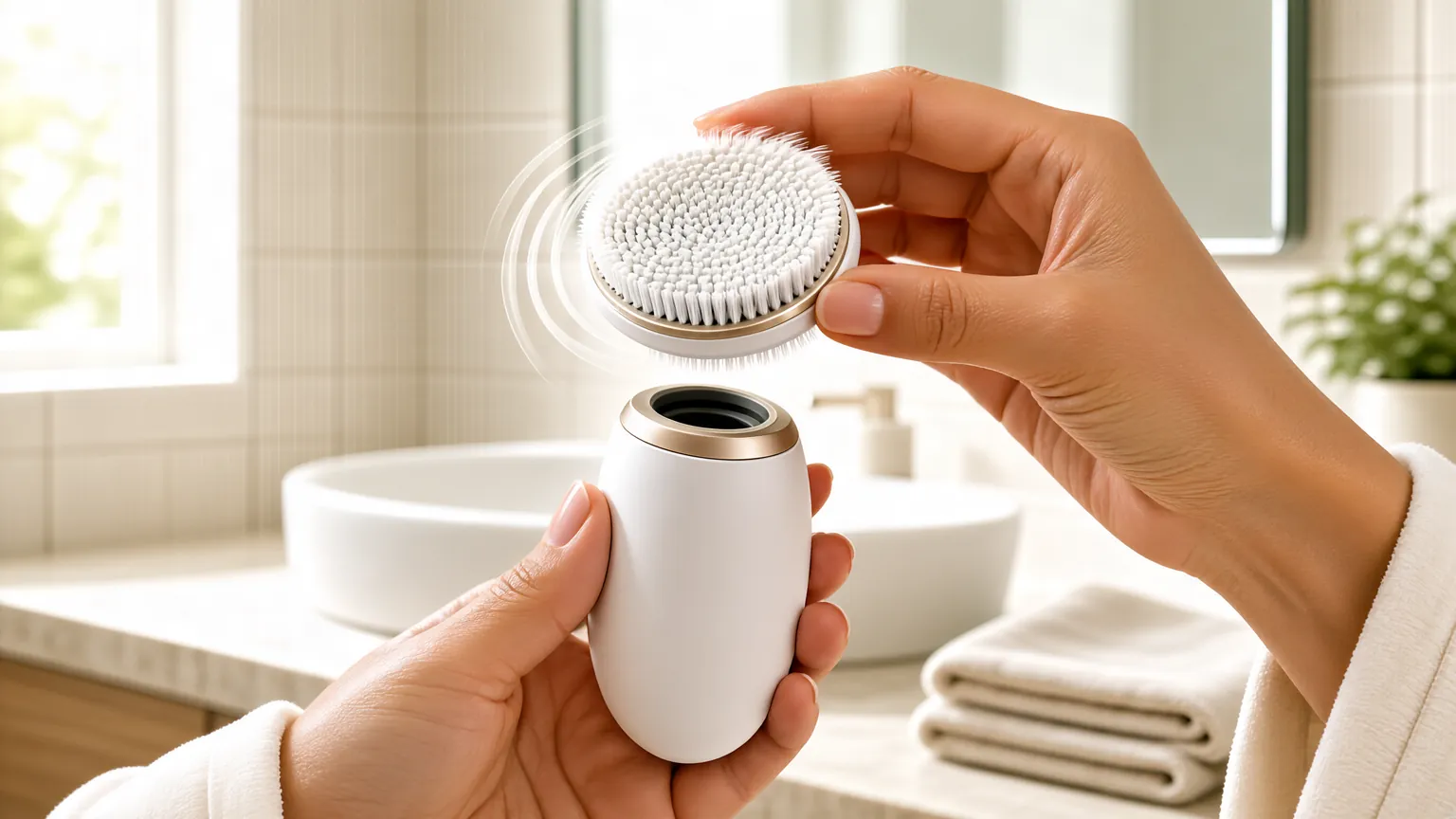
Care matters as well. A damp, unwashed head can hold bacteria, and skin-care guides commonly advise replacing it about every three months.
Below you will find a five-question safety check, a plain-language look at the evidence, a comparison of head types, warning signs to watch for, and a gentle routine.
Recommended Cleansing Brushes for Careful Use
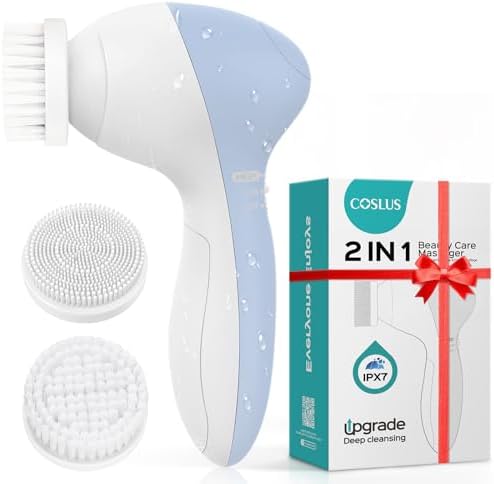
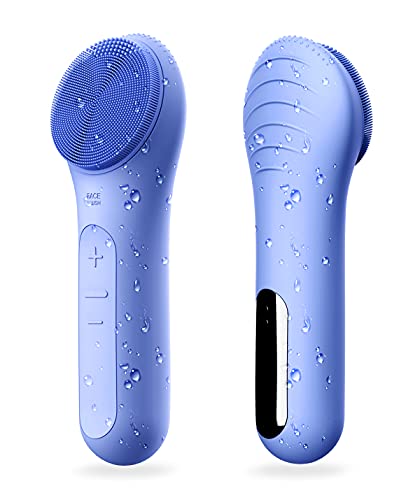
These picks are facial cleansing brushes, mostly soft silicone or sonic designs that suit a light touch. Match the head type to your skin using the sections below before you buy. See how we test and choose products for the rules behind every pick.




Key Takeaways
- A cleansing brush is not harmful by default; friction, frequency and a dirty head are what cause trouble.
- Guidance on frequency varies from once or twice a week to once a day, so start low and let your skin set the pace.
- Redness, tightness, stinging or sudden breakouts are signals to stop for a few days.
- Most of the published evidence covers sonic brushes, not every spinning bristle head.
- Silicone heads are often described as gentler, and they hold less residue than dense bristles.
- Eczema, rosacea flares, open acne and recent peels or laser work are good reasons to skip the brush.
- Rinse the head after every use and replace bristle heads about every three months.

Is a Cleansing Brush Bad for Your Skin? Four Ways It Goes Wrong
When people say a cleansing brush bad for your skin, they usually mean one of four different problems. Each has its own cause, so it helps to separate them.
- Friction damage: bristles or vibration rub away more than dirt, which leaves skin red, tight or flaky.
- Over-cleansing: daily sessions strip oil and weaken the skin barrier, especially on dry or sensitive skin.
- Contamination: a damp head with old residue can carry bacteria back onto your face.
- Mismatch: the brush is fine in general, but your skin is inflamed, broken or recently treated.
Notice that none of these is the device itself. Every one of them depends on how, how often and on whom the brush is used. That is why a brush can look wonderful for one person and awful for another.
The Five-Question Safety Check
Answer these honestly before the next session. Each “yes” in the first group, or “no” in the last, is a reason to slow down.
- Is your skin red, stinging or visibly irritated today? If yes, skip the brush and use hands only.
- Do you have eczema, rosacea, perioral dermatitis or open, inflamed pimples? If yes, ask a dermatologist before using any brush.
- Have you had a peel, laser session, retinoid dose increase or sunburn recently? If yes, wait until your clinician says the skin has recovered.
- Do you use the brush more than once a day, or for more than about a minute? If yes, cut back first.
- Is the head clean, soft and less than about three months old? If no, rinse or replace it before use.
No flags at all: a brush is a reasonable option; begin with one or two evenings a week.
One flag: fix that one thing, then retest in a week.
Two or more flags: leave the brush in the drawer and revisit with a professional’s advice.
Cleansing Brush Bad for Your Skin? What Research Does and Does Not Show
The best-known source is a 2019 consensus review in the Journal of Cosmetic Dermatology, Facial cleansing with a sonic brush. Its panel of dermatology clinicians concluded that sonic cleansing may offer a safe and effective approach for several conditions, and they stressed that cleansing has to balance removing debris against stripping too much oil.
That is useful, but it has limits. It is a consensus review, not a large trial. It covers sonic brushes, so it says little about spinning bristle heads. Also, the authors note that device recommendations are not yet fully built into everyday clinical practice.
Consumer guidance adds a more cautious voice. A WebMD feature advises using a brush no more than once a day, preferably in the evening, and quotes a dermatologist warning that aggressive cleansing can cause first-degree burns. It suggests stopping at the first sign of redness and trying again once or twice a week.
| Source | What it says about frequency |
|---|---|
| Brand manual for a silicone brush (FOREO) | About one minute each morning and evening, with an automatic stop at three minutes |
| WebMD feature | No more than once a day; pause if skin reacts, then try once or twice a week |
| Curology blog | One to two times per week, avoiding sensitive areas and active breakouts |
| Pharmacy guide (Jean Coutu) | Daily or a few times a week; begin with once or twice and scale up |
These sources disagree, and that is the real finding. No one has proven a single safe schedule for everyone. For that reason, the cautious end of the range is the sensible place to begin.
Motion vs Head: What You Are Really Choosing
Shoppers often compare “sonic vs rotating” as though that settles gentleness. In fact there are two separate choices: how the head moves, and what the head is made of. Mixing them up leads to bad purchases.

| Choice | Options | What changes for your skin |
|---|---|---|
| Motion | Sonic vibration, rotation or oscillation, or manual use | Rotation and oscillation drag bristles across skin, while sonic motion vibrates in place, so pressure habits matter in both cases |
| Head material | Nylon bristles or soft silicone | Silicone has no gaps to trap residue and is often described as gentler for dry or sensitive skin |
| Speed and pulsation | Low, medium or high settings | Higher settings add friction faster, so begin low and stay there |
| Head age | New or well past the replacement date | Worn bristles splay, hold moisture and clean less gently |
If your skin runs dry or reactive, a soft silicone head on a low setting is the lowest-risk starting point. Our guide to the silicone brush category covers that style in more detail.
Warning Signs: Cleansing Brush Bad for Your Skin or Something Else?
Skin gives clear feedback if you watch for it. The trick is matching the sign to a likely cause, because the fix is different each time.
| What you notice | Likely cause | What to do |
|---|---|---|
| Pink or red skin that lingers after rinsing | Too much pressure or time | Stop for several days, then return with lighter touch and shorter sessions |
| Tight, shiny or flaky cheeks | Over-cleansing and a weakened barrier | Cut frequency, use a mild cleanser and add a plain moisturizer |
| Small new bumps near the jawline or cheeks | A dirty head, leftover residue or a new product | Wash the head, check its age and change one variable at a time |
| Stinging with your usual cleanser | Barrier damage from friction | Go back to hands only until stinging stops |
Who Should Skip the Brush
A brush adds friction, so the less settled your skin is, the more reason to leave it out. Pharmacy and brand guidance agree on several situations.
- Sensitive, eczema-prone or rosacea-prone skin: friction can set off flares.
- Open, inflamed or cystic acne: rubbing can spread irritation and slow healing.
- After peels or laser treatment: the surface layer is temporarily weaker.
- Around the eyes: brand manuals tell users to keep the device away from eyelids.
- When it hurts: brand manuals say to stop at the first discomfort and ask a physician.
Mild, oily or congestion-prone skin without active inflammation tends to be the best fit, which matches the WebMD note that acne-prone skin may benefit most.
Adjusting for Your Skin Type
The same brush behaves differently on different skin, so tune your routine to yours. Treat the list below as a starting map, not a rule.
- Dry skin: choose silicone, use the lowest setting and brush once or twice a week at most. Dry skin loses oil quickly, so extra cleansing rarely helps.
- Oily or congested skin: this group tends to tolerate a brush best. Even so, daily scrubbing will not shrink oil production, because skin simply produces more when stripped.
- Sensitive skin: hands first. If you want to try a device, test one cheek area for ten seconds and wait a day.
- Combination skin: brush the oilier T-zone a little longer, and give the cheeks a quick pass.
- Deeper skin tones: be extra cautious with friction, because irritation can leave dark marks that fade slowly.
- Mature skin: a gentle touch matters most, since thinner skin shows redness and dryness sooner.
If none of these fits, begin with a short evening session once a week. After two weeks without redness, you can decide whether to add a second night.
How to Use One So a Cleansing Brush Is Not Bad for Your Skin
This routine keeps friction low and the session short. It works for both silicone and bristle heads.
- Remove heavy makeup first. Use a balm or wipe so the brush is not dragging pigment across your face.
- Wet your face and the head. Dry bristles scratch more than damp ones.
- Add a mild cleanser. Avoid gritty scrubs, because silicone makers warn that grainy products can damage the touch points.
- Start on the low setting. Higher speeds can wait until your skin has proven it tolerates the basics.
- Let the brush glide. Move in light circles for about 10 to 15 seconds per area, and keep the total near one minute.
- Rinse thoroughly. Pat dry with a clean towel and apply moisturizer while skin is still slightly damp.
- Begin with one or two evenings a week
- Keep pressure close to zero
- Pause if skin feels hot or tight
- Use a gentle, fragrance-light cleanser
- Replace worn heads on schedule
- Brush twice a day from day one
- Press harder on stubborn spots
- Combine the brush with strong acids on the same night
- Share a brush head with anyone
- Use it over active breakouts
Keeping the Head Clean
A brush that never dries is a poor neighbor for your face. Cleaning is low-effort insurance, and it also keeps bristles soft.

- After every use: rinse the head under warm water and wash off cleanser residue.
- Dry it well: shake off water and store it upright, away from a steamy shower.
- Silicone care: FOREO’s manual says to clean with soap and water, pat dry and avoid alcohol, petrol or acetone.
- Bristle replacement: a pharmacy guide advises replacing the head every three months to reduce bacterial growth.
Gentler Alternatives to a Cleansing Brush
If a brush keeps irritating you, you lose very little by switching. Hands and a soft cloth clean well, since cleanser does the chemical work of lifting oil and makeup.
- Clean fingertips: free, gentle and easy to control.
- A soft cloth: our bamboo cloth guide explains how to use one without scrubbing.
- A konjac sponge: a gentler tool that Curology suggests as an alternative a few times a week.
How Often to Use a Cleansing Brush
No study fixes one correct schedule, so the safe approach is to start at the cautious end and adjust to how your skin responds. One or two evenings a week is a sensible beginning. Once a day is the usual upper limit in consumer guidance, and even that is too much for thin, reactive or retinoid-treated skin.
Session length matters as much as frequency. About one minute per session is typical, with the brush moved lightly over each zone rather than held in place. Skip the brush entirely on days with redness, peeling, sunburn or active breakouts, and pair it with a gentle cleanser rather than a gritty scrub, because the brush already supplies the exfoliation.
Two housekeeping rules keep the schedule from backfiring: rinse the head after every use and let it dry in open air, and replace worn heads roughly every three months. A matted or discoloured head drags on skin and holds residue, which turns a sensible schedule into a source of irritation.
Using a Cleansing Brush With Acne
The American Academy of Dermatology advises washing acne-prone skin gently with the fingertips and warns that washcloths, mesh sponges and brushes can irritate it. So a brush is optional for acne, and it is a cleansing tool rather than an acne treatment. One small multi-centre study reported improvement with a sonic brush used alongside a gel, but the design did not separate the brush from the gel, so the brush’s own effect is unknown.
If you want to try one, soft silicone or soft-bristle heads with light pressure are the safer starting points. Never run a brush over open, painful or very inflamed spots, and stop if skin stings or turns red afterwards. Rinse the head after every use, because a damp head can hold residue against the next day’s skin.
Acne that persists, scars or hurts is a reason to see a board-certified dermatologist, not to buy a better brush.
Honest Limits
No article can tell you whether your skin will tolerate a brush. The studies that exist are small, often cover sonic devices only, and do not test every head type or skin tone. Brand manuals describe how their own products should behave, which is not the same as independent proof.
Also remember that irritation has many causes. A new retinoid, a harsh cleanser or a change in weather can all mimic brush damage. If you change several things at once, you will not know which one caused the reaction.
When to See a Professional
Book a visit with a dermatologist or other clinician if any of these apply.
- Redness, burning or flaking lasts more than a week after you stop the brush
- You have a diagnosed condition such as eczema, rosacea or acne and want to add a device
- Pimples keep multiplying, or deep, painful bumps appear
- You are using prescription treatments such as retinoids or acne medicines
- Dark marks appear after irritation
- Sonic facial cleansing brush: vibration vs rotation.
Frequently Asked Questions
Is a cleansing brush bad for your skin if you use it every day?
It can be. Daily use is within some brand and pharmacy guidance, but a dermatologist-quoted warning in WebMD says aggressive cleansing can burn skin. Start with once or twice a week and stop at any redness.
Is a cleansing brush bad for your skin if it is silicone?
Yes, although silicone is often described as gentler. Pressure, frequency and a dirty head still matter, so a silicone head does not remove the need for care.
Why does my skin look red after using a facial brush?
Usually pressure, speed or time. Cut the session to well under a minute, lower the setting and press less, then see whether the redness fades.
Is a cleansing brush bad for your skin when you have acne?
It depends. Mild, congestion-type acne may tolerate it, but open or inflamed pimples are better left alone. A dermatologist can advise on your case.
Do dermatologists recommend facial cleansing brushes?
Opinions vary. A clinician panel found sonic brushes may be safe and effective, while consumer guidance urges caution. Neither says everyone needs one.
How long should one session last?
About one minute total. FOREO’s manual even caps a session at three minutes, and a shorter time is safer for most skin.
Is a dirty cleansing brush bad for your skin and breakouts?
It can add bacteria and residue to your face, which may contribute to bumps. Rinse the head after every use and replace it on schedule.
Is a cleansing brush bad for your skin when you use retinol?
Be careful. Retinoids already make skin more sensitive, so adding friction can irritate. Many people use hands only on retinoid nights.
Which is gentler, sonic or rotating?
Motion type matters less than head material, pressure and time. A soft silicone head on a low setting is the lowest-risk start.
How do I know it is time to stop using one?
Stop if you see lasting redness, burning, tightness or new bumps. Return to hands only for several days and see a clinician if it persists.
Can you use a face cleansing brush every day?
Daily use is the usual ceiling in consumer guidance, and only for skin that tolerates it without redness. Most people do better with two to four sessions a week.
How long should each cleansing brush session last?
About one minute in total, moving the head lightly across each area. Longer sessions add irritation, not cleanliness.
Does a cleansing brush help acne?
It cleans; it does not treat acne. The AAD advises gentle fingertip washing for acne-prone skin, and the one small study that paired a sonic brush with a gel could not separate the brush’s effect from the gel.
What type of cleansing brush is best for acne-prone skin?
A soft silicone or soft-bristle head used with light pressure, never a stiff exfoliating head, and never over open or inflamed spots.
The Bottom Line
A cleansing brush can be a helpful or harmful tool depending on how you use it. Keep sessions short, pressure light and heads clean, and treat the first sign of irritation as a stop signal.
If your skin is reactive, inflamed or newly treated, hands and a soft cloth are a perfectly good choice. When you are unsure, a short conversation with a dermatologist will save you months of guesswork.




4 Comments