

How to Oil Hair Shears: Which Oil, How Often and Where
One drop of oil is the whole job, yet most people either skip it or drown the blades. If you want to oil hair shears the right way, clean and dry them first, put a single small drop at the pivot, work it in, and wipe off the rest. The whole routine takes about a minute, and it keeps the blades gliding smoothly.
Quick answer: use a shear-specific or manufacturer-approved oil, and apply one small drop at the pivot next to the tension screw. Open and close the blades slowly several times, then wipe off the excess so the joint feels smooth, not greasy. Oil heavily used shears at the end of each working day, and moderately used pairs every few working days or whenever the joint feels dry. Never oil over hair, product or moisture.
Published advice varies a little on timing. Hanzo suggests oiling after the workday for heavy use. Sam Villa says at least once a week, and Keller recommends a drop or two nightly. The difference mostly reflects how many haircuts each source assumes you do, so match the routine to your own workload.
Below you will find a quick way to match a routine to your own use, a table of what to avoid, and a step-by-step method. You will also learn what oil cannot fix, so you do not blame the bottle when the real problem is tension or a worn edge.
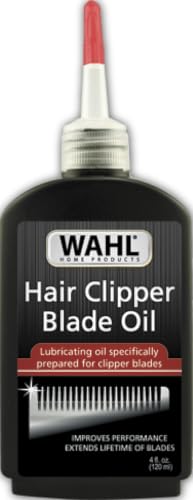
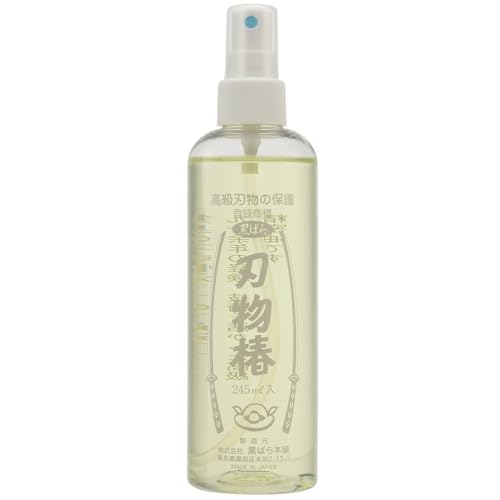
Recommended Oils for Hair Shears
These are lubricating oils sold for shears, scissors or clipper blades, including a traditional camellia oil. Read each listing and your shear maker’s care sheet, then use whichever the maker approves. See how we test and choose products for the rules behind every pick.


Key Takeaways
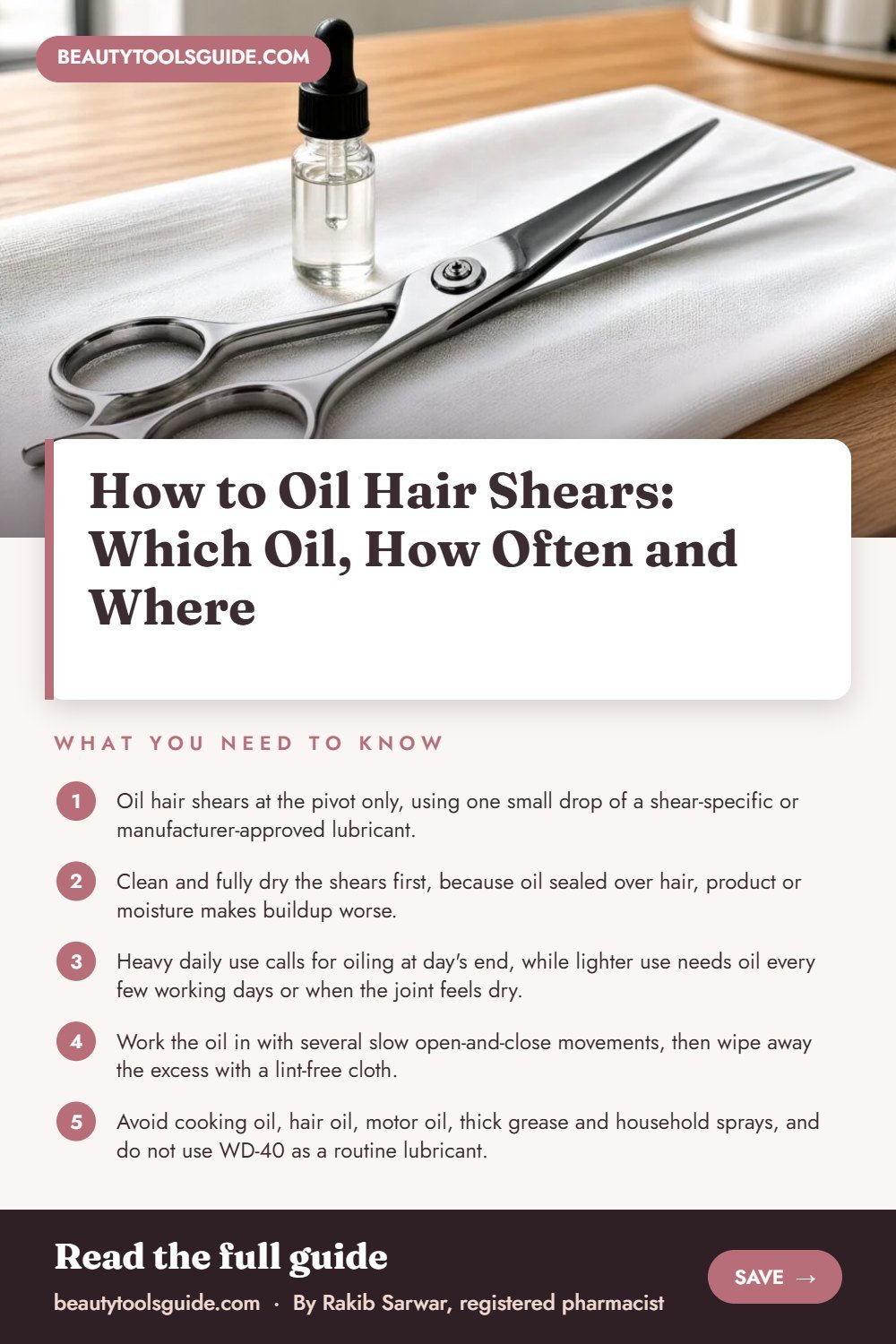
- Oil hair shears at the pivot only, using one small drop of a shear-specific or manufacturer-approved lubricant.
- Clean and fully dry the shears first, because oil sealed over hair, product or moisture makes buildup worse.
- Heavy daily use calls for oiling at day’s end, while lighter use needs oil every few working days or when the joint feels dry.
- Work the oil in with several slow open-and-close movements, then wipe away the excess with a lint-free cloth.
- Avoid cooking oil, hair oil, motor oil, thick grease and household sprays, and do not use WD-40 as a routine lubricant.
- Oil cannot fix a dull edge or wrong tension, so check those first if the shears still pull hair.
- Before long-term storage, oil lightly, close the blades gently and keep them in a dry case.
Why the Pivot Needs Oil
The two blades of a pair of shears turn around a single screw. Every time you cut, metal rubs on metal at that point. Without a thin film of lubricant, the contact feels gritty, and you start to squeeze harder to compensate.

Think of the pivot as the one moving joint that carries all of the load. A film of oil spreads that load, keeps the surfaces from scoring each other, and lets the blades glide along the full cutting length.
That extra squeezing has a cost. It tires your hand, and it can push the blades slightly apart as they close. As a result, hair begins to fold or slip instead of being cut cleanly.
A drop of oil also helps in a second way. It displaces moisture at the joint, which matters when shears are used near sinks, spray bottles and damp hair. Even so, oil is a lubricant, not a repair. Hanzo is clear that you should not rely on it to fix dull blades or tension problems.
Which Oil to Use, and Which to Avoid
The safest choice is the oil your shear maker recommends. If you cannot find one, shear oil and clipper oil are the usual options. Sam Villa mentions clipper or shear oil, and Keller says shear or clipper oil works.
Hanzo lists what to keep away from the pivot, mainly oils that turn sticky with age or are too thick for a fine joint. When you read a bottle label, look for wording such as shear oil, scissor oil or clipper blade oil, and check that the nozzle is fine enough to place a single drop. The table groups the common choices.
| Oil type | Suitable for the pivot? | Why |
|---|---|---|
| Shear-specific oil | Yes | Made for the small, tight pivot on shears |
| Manufacturer-approved lubricant | Yes | Matches the maker’s own steel and pivot design |
| Clipper blade oil | Often fine | Two published care guides name clipper oil as an option |
| Cooking oil | No | Can turn sticky and attract debris |
| Hair oil or serum | No | Not made for metal parts and may transfer to hair |
| Motor oil or thick grease | No | Too heavy for a fine pivot |
| WD-40 and household sprays | No, not as a routine | Hanzo advises against routine use |
How Often to Oil Hair Shears
The right schedule depends on how much you cut. Hanzo ties frequency to use, while Sam Villa and Keller give fixed routines. The finder below turns those guidelines into a plan.
- How often do you cut? Every day (A), a few times a week (B), or once in a while (C).
- Does the pivot feel dry or gritty? Yes (add one step toward A) or no (stay put).
- Do you cut damp hair or use sprays and styling products? If yes, clean more often, and oil afterward whenever you clean.
- Are the shears going into storage? If yes, oil lightly before you put them away.
Mostly A answers: clean and oil at the end of the working day.
If B comes up most often, oil every few working days, or at least weekly.
If C comes up most often, oil after cleaning and before storage, then check the joint before the next use.
The schedule also changes with your habits. If you cut damp hair, use sprays or work in a humid room, the joint collects residue faster. Shears used daily at a salon face more wear than a pair used for a trim every few weeks. If you are unsure, oil slightly more often with less oil each time. A tiny drop applied regularly is safer than a large amount applied rarely.
| Use level | Hanzo | Sam Villa | Keller |
|---|---|---|---|
| Daily professional use | At the end of the workday | Daily drops are described in the care routine | A drop or two nightly |
| Moderate use | Every few working days, or when dry | At least once a week | Nightly if you cut daily |
| Occasional use | After cleaning and before long storage | Not addressed | Not addressed |
Clean First: What to Remove Before You Oil
Oil is the last step, not the first. If you add it to a dirty joint, it mixes with hair, product and moisture, and the result is a paste that drags on the blades. That is why every source puts cleaning ahead of oiling.
Sam Villa advises cleaning excess hair from your shears after each haircut. Keller suggests wiping the blades with a soft cloth daily, and using rubbing alcohol on a cotton pad for stubborn residue. It also recommends a weekly deep clean around the pivot screw and blade edges with a small brush. If the design allows it, you can open the shears for this, then dry everything before reassembling.
- After each client or cut: brush or wipe off loose hair and wipe the blades with a dry cloth.
- When product builds up: use a cotton pad with a little rubbing alcohol, then dry the blades fully.
- Once a week with regular use: brush around the screw and along the blade edges to clear packed debris.
Only after that should the oil go on. The extra minute of cleaning decides whether the drop of oil helps or just makes a mess.
How to Oil Hair Shears Step by Step
This order keeps oil off the places it should not go. Allow a full minute and work somewhere with good light.
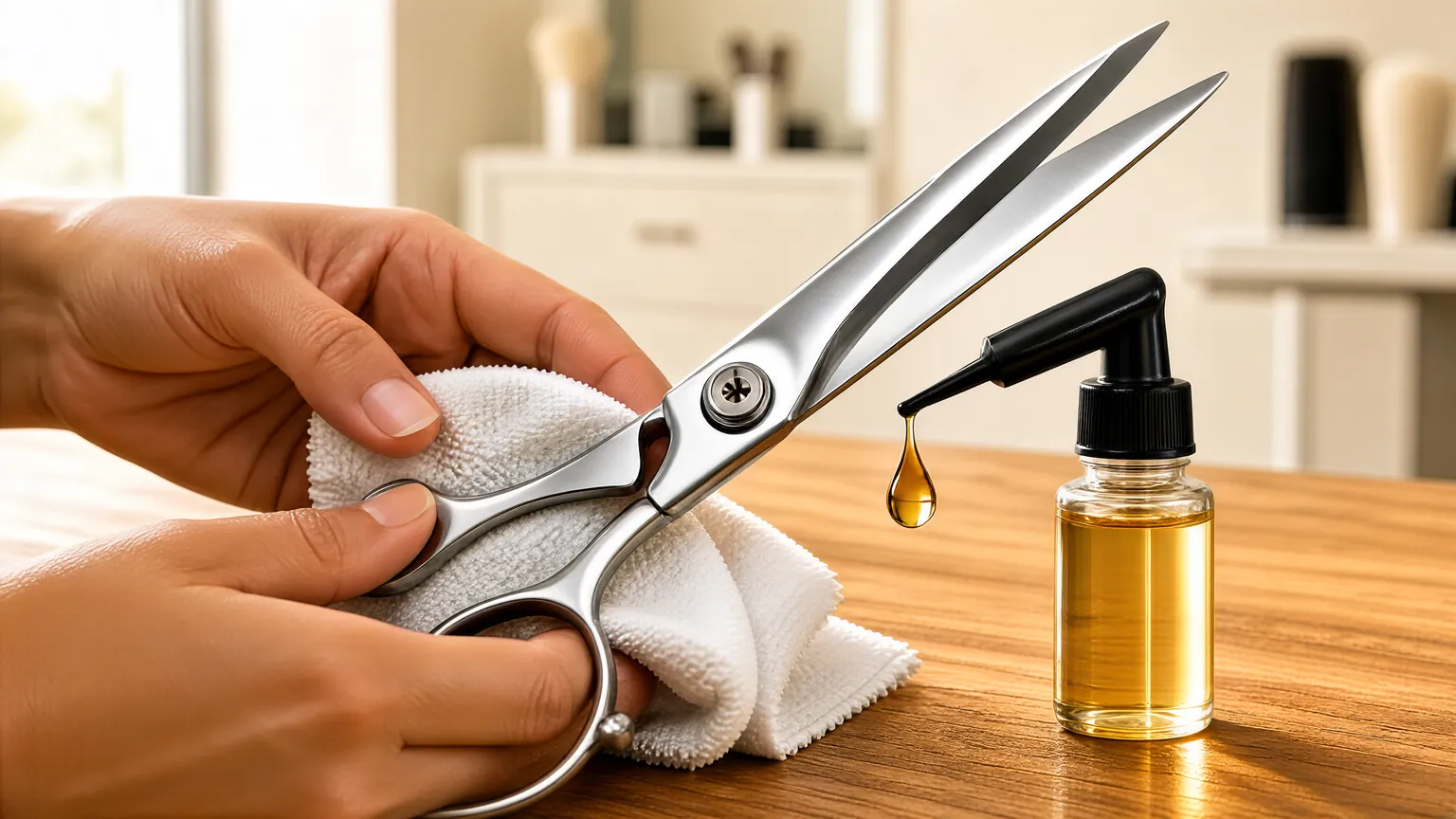
- Wipe the blades clean. Remove hair and product with a soft cloth. Use a little rubbing alcohol on a cotton pad for stubborn residue, as Keller suggests, then let everything dry.
- Dry the pivot area. Never oil over hair, product, disinfectant residue or moisture, because the oil traps it.
- Open the blades slightly. This exposes the joint so the oil can reach the contact point.
- Add one small drop at the pivot. Place it near the tension screw, where the blades meet.
- Work it in. Open and close the shears slowly several times so the oil spreads between the blades.
- Wipe off the excess. Use a lint-free cloth until the joint feels lubricated but not greasy.
- Test on a few clean strands. If the cut is smooth, you are done. If hair still folds, move on to tension or the edge.
Where the Drop Goes: Fixed vs Adjustable Pivots
Some shears have a fixed screw, and others have a dial or a screw you adjust yourself. The place for oil is the same on both: the pivot, close to the screw. Hanzo says to apply it only there, not to the whole tool.
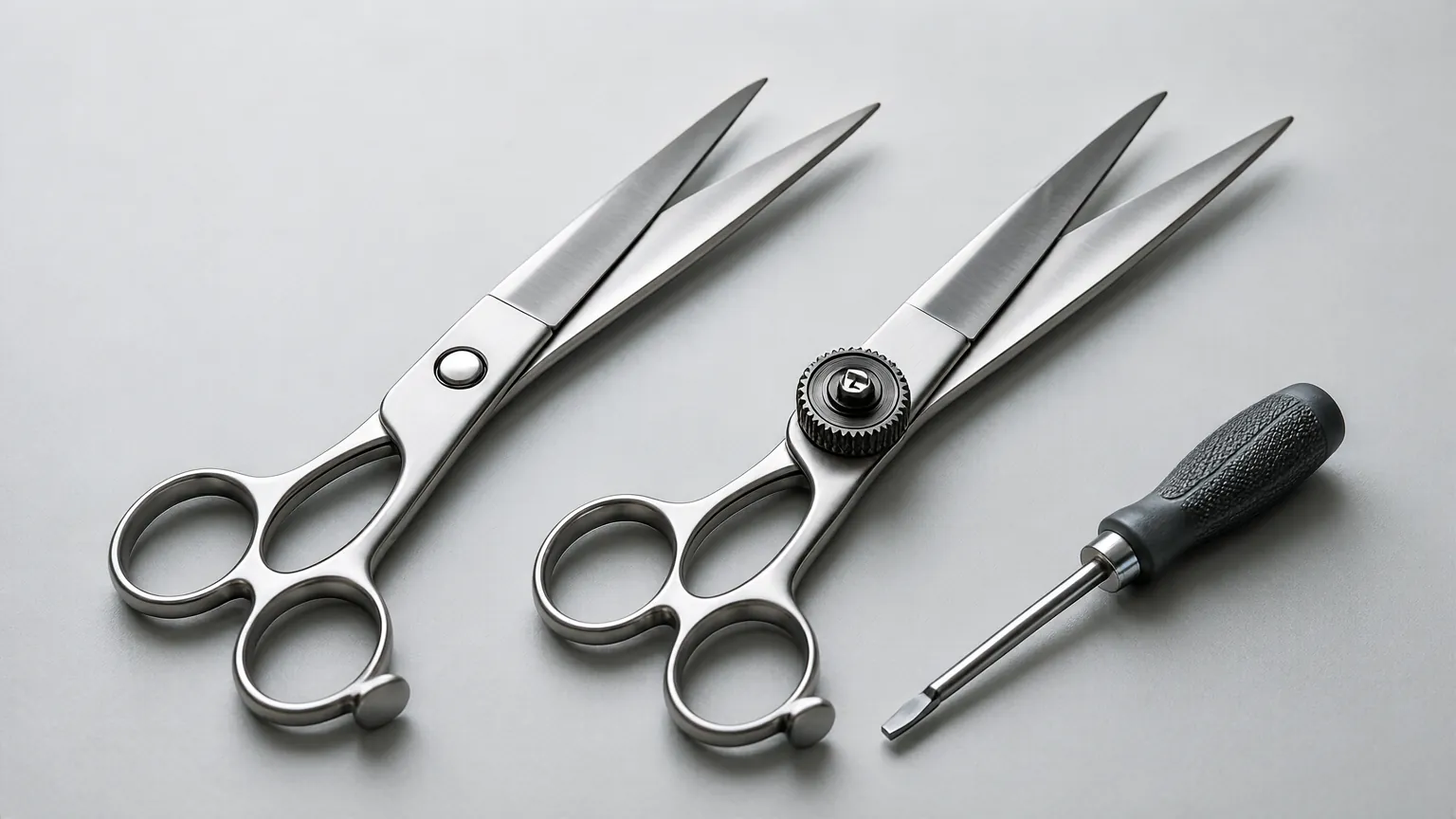
It also says not to oil the bumper, the small piece that cushions the blades, unless the maker instructs it. Oil there can make the handles feel slippery or transfer to the hair.
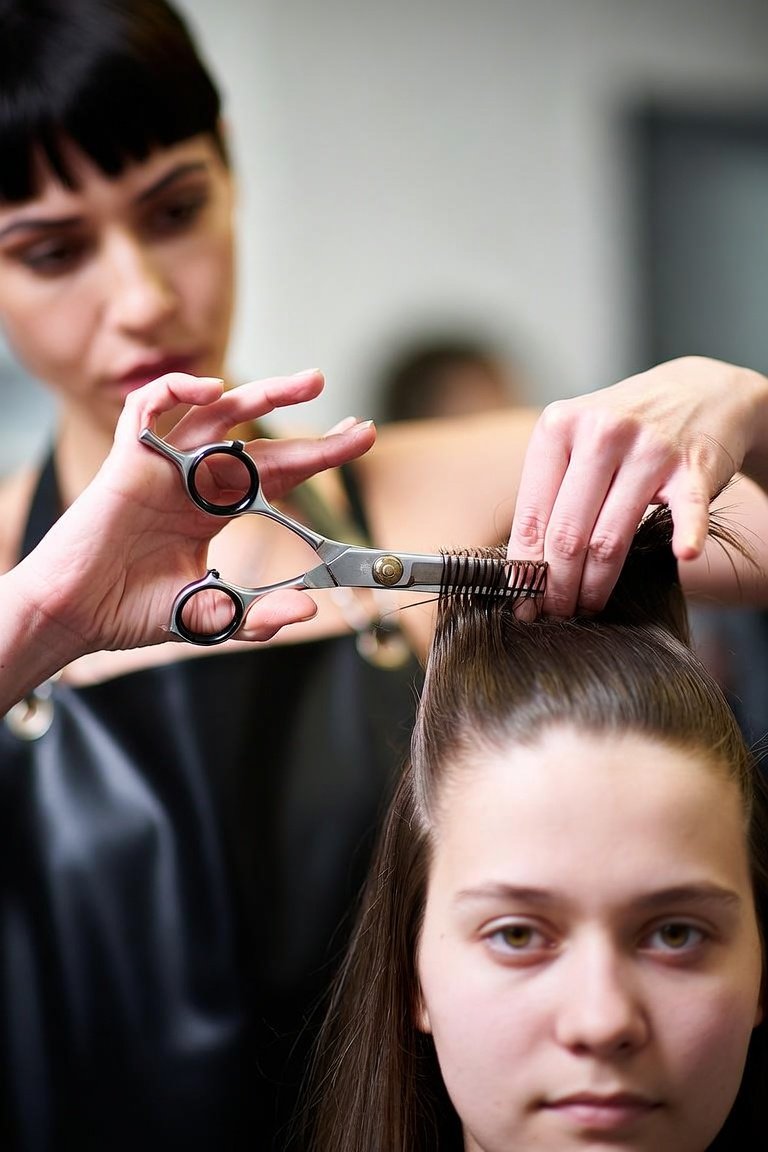
If your shears have teeth, the pivot is still the right place. Our guide to thinning shears explains how toothed blades differ, which matters when you clean between the teeth.
How Much Is Too Much
You need far less oil than you think. Hanzo asks for a small drop, and Keller says a drop or two will do. After wiping, the joint should look nearly dry to the eye while still moving smoothly.
- Too little: a gritty, scratchy close, or a faint squeak.
- The right amount: a smooth, quiet close and no sheen on the blades.
- Too much: oil seeps from the joint, leaves marks on the cloth, or shows up on the hair.
What Oil Cannot Fix
Many people reach for the oil bottle when shears pull hair. Sometimes that helps, but often the real cause is something else. The table separates what oil, tension and sharpening each solve.
| Symptom | Oil likely helps? | Tension likely helps? | Sharpening likely helps? |
|---|---|---|---|
| Gritty, scratchy close | Yes, after cleaning | Rarely | No |
| Squeak at the pivot | Yes | No | No |
| Blades separate near the tips | No | Yes | No |
| Hair is pushed along the blade | Only if dry or dirty | If too loose | If the edge is worn |
| Crunch or catch in one spot | No | No | Service needed |
Hanzo links pushing or folding hair to tension that is too loose, and it describes a dull or rolled edge as a separate cause that needs service. Our hairdressing scissors guide covers what to look for when a pair stops performing.
Oiling Before Storage and Travel
Shears that sit unused for weeks can pick up moisture, so a light protective coat helps. Hanzo’s storage advice is simple. Oil the pivot, wipe off the excess, close the blades gently, and put the shears in a clean, dry case.
Travel adds a few risks of its own. A pair thrown loose into a bag can knock against other tools, and a damp bathroom or car can expose the pivot to moisture. A small case keeps the blades closed and protected, and a quick wipe before you pack removes the residue that would otherwise sit on the joint.
Clean and disinfect them as your workplace requires before they go back into use. Then check the joint for dryness before the first cut, because a stored pair may need another small drop.
Mistakes to Skip
- Clean and dry before oiling
- Use one small drop at the pivot
- Work it in with slow movements
- Wipe off the excess every time
- Re-oil after a deep clean
- Oil over hair, product or moisture
- Use cooking oil, hair oil or motor oil
- Soak the whole shear
- Oil the bumper without instructions
- Expect oil to fix a dull edge
Honest Limits
These sources are mostly shear makers and sellers, so their advice reflects their own products. The published schedules differ, and none of them is based on a controlled test. Treat the numbers as sensible starting points.
Oil cannot replace cleaning, and it cannot restore sharpness. If a pair of shears has a nick, a chipped edge or a loose screw that will not hold, no amount of lubricant will solve it.
When to See a Professional
- Hair still gets pushed after cleaning, oiling and a careful tension adjustment
- You feel a crunch or catch in the same place every cut
- Your pair was dropped
- You find the screw spins freely or will not hold its setting
- Its pivot is stiff or seized and will not open smoothly
Choose a sharpener who services hair shears specifically.
- Shears that pull or fold hair: the three causes and the fix for each.
- Sharpening thinning shears: when they need it and who should do it.
Frequently Asked Questions
How do you oil hair shears?
Clean and dry them, open the blades slightly, add one small drop at the pivot, open and close slowly several times, and wipe off the excess.
How often should you oil hair shears?
Heavy use calls for oil at day’s end. Moderate use needs it every few working days or weekly, and occasional use needs it after cleaning and before storage.
What oil is best for hair shears?
A shear-specific or manufacturer-approved oil is best. Clipper oil is often acceptable, and some people choose camellia oil.
Can I use WD-40 on my hair shears?
Hanzo advises against using it as a routine lubricant. Use a shear-specific oil instead.
Can I oil hair shears with cooking oil?
No. Cooking oil can turn sticky as it ages and attract hair and debris.
Where do you put oil on hair shears?
Put one small drop at the pivot, close to the tension screw. Do not oil the whole tool or the bumper.
How much oil should I use on hair shears?
One small drop is enough. The joint should feel smooth and not greasy after you wipe it.
Do I need to oil hair shears before storing them?
Yes, a light coat helps. Wipe off the excess, close the blades gently and use a clean, dry case.
Will oil stop my shears from folding hair?
Only if dryness or buildup is the cause. Loose tension or a worn edge needs adjustment or sharpening.
Can I oil thinning shears the same way?
Yes, at the pivot, though you should also clean hair from between the teeth first.
The Bottom Line
Knowing how to oil hair shears comes down to restraint. Clean them, dry them, use a suitable oil, and add one small drop at the pivot. Then wipe away the excess.
Match the schedule to your use, keep oil away from the bumper and blades, and remember that oil cannot repair tension or an edge. When the problem is deeper, see a sharpener who knows hair shears.


One Comment