
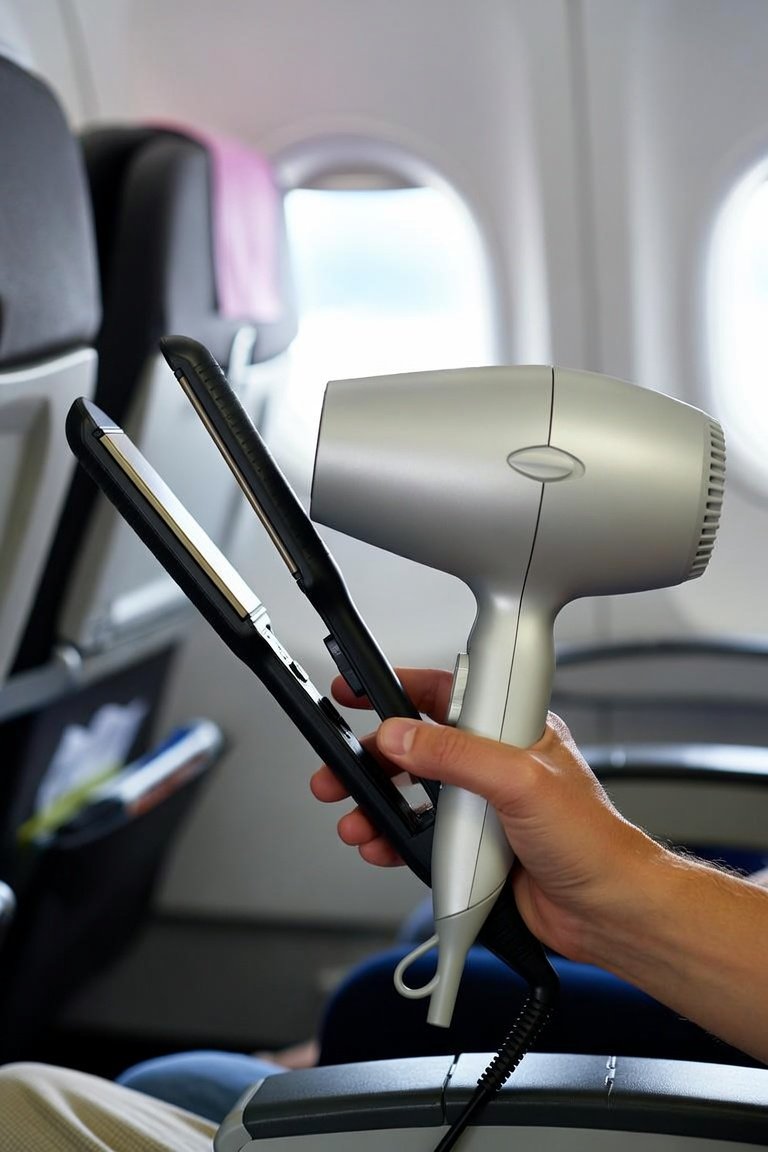
Can You Bring Hair Tools on a Plane? TSA Rules for Flat Irons, Curling Irons and Dryers
Picture this: you pack your cordless straightener in your checked suitcase to save space, and it never makes the trip. That is the one mix-up that catches most travelers, because the rules for hair tools on a plane depend less on the tool and more on how it is powered. A plug-in flat iron and a battery flat iron look almost the same, yet they belong in different bags.
Quick answer: yes, you can bring most hair tools on a plane in the US. According to the TSA, corded flat irons and curling irons are allowed in both carry-on and checked bags, and so are hair dryers. Cordless tools that run on lithium batteries or butane are carry-on only, with a safety cover over the heating element. Spare gas cartridges are not allowed in either bag.
Those points come straight from the official TSA “What Can I Bring?” pages. The FAA adds one more detail for butane curling irons: one per person, in carry-on bags only.
Keep in mind that these are US rules for US screening. Other countries and individual airlines can set their own limits, so check before an international trip. Your airline’s own baggage page is the best place to start.
Below, you will find a quick rules table, a corded vs cordless breakdown, a 30-second bag check, packing steps, voltage tips for abroad, and how to choose travel-size tools.
Recommended Travel Hair Tools
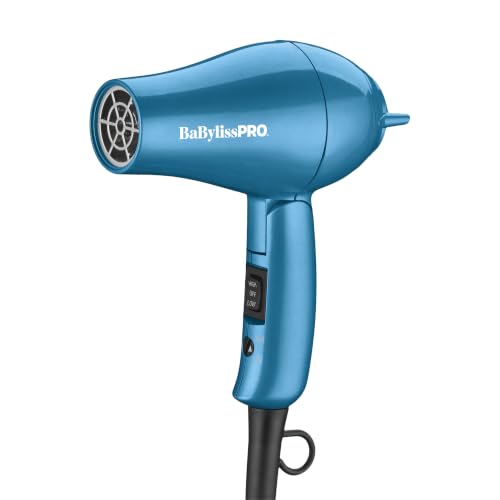
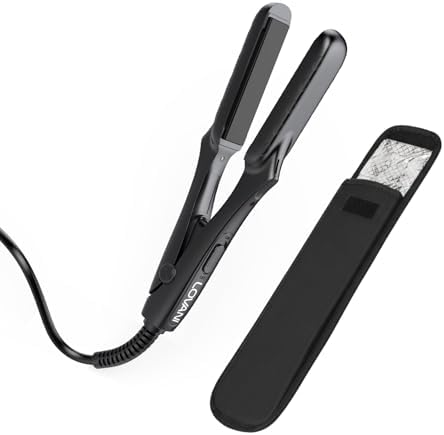
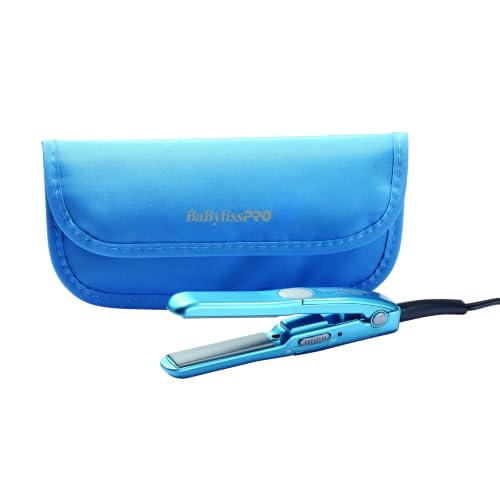
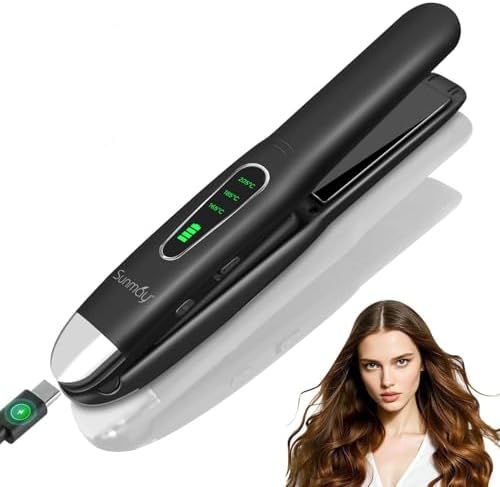
Every pick is a travel hair tool: mini and dual-voltage flat irons, compact dual-voltage hair dryers, a mini travel curling iron, and one cordless straightener. Remember that the cordless model must go in your carry-on, with its heat cover on. See how we test and choose products for the rules behind every pick.



Key Takeaways
- The TSA allows corded flat irons, corded curling irons and hair dryers in both carry-on and checked bags.
- Cordless hair tools with lithium batteries or butane are allowed in carry-on bags only.
- Cordless tools need a safety cover fitted over the heating element and protection from accidental switch-on.
- Spare gas cartridges for butane tools are not allowed in either bag.
- Spare lithium batteries and power banks go in carry-on bags only, with a 100 watt-hour limit per lithium ion battery.
- Rules outside the US, and rules set by individual airlines, can be different.
- Dual-voltage tools and the right plug adapter matter more abroad than the TSA rules do.
TSA Rules for Hair Tools on a Plane at a Glance
The TSA lists each type of hair tool on its own “What Can I Bring?” page. Here is what those pages say, in one place. Always check the linked page before you fly, since the TSA can update its guidance.
| Hair tool | Carry-on | Checked | What the TSA page says |
|---|---|---|---|
| Flat iron with cord | Yes | Yes | Not restricted unless it also includes batteries or gas or fuel cartridges. |
| Curling iron with cord | Yes | Yes | Same rule as a corded flat iron. |
| Cordless flat iron | Yes | No | Lithium or gas-powered models are carry-on only. A safety cover must fit over the heating element. |
| Cordless curling iron | Yes | No | Same as a cordless flat iron. The device must be protected from accidental activation. |
| Butane curling iron | Yes | No | Carry-on only. Spare gas cartridges are not allowed in either bag. |
| Hair dryer | Yes | Yes | Allowed in both bags. |
In short, a plug-in tool can go almost anywhere. However, once a battery or a gas cartridge is involved, the tool must travel with you in the cabin.
Corded vs Cordless: Why Power Source Decides the Bag
Many travel guides lump all hair tools together. That is where the confusion starts, because the TSA treats them by power source, not by shape. A corded flat iron and a cordless flat iron can look nearly identical. Yet one can go in checked luggage and the other cannot.
| Corded (plug-in) | Cordless with lithium battery | Cordless with butane | |
|---|---|---|---|
| Power source | Wall socket | Built-in rechargeable battery | Gas cartridge inside the tool |
| Carry-on | Allowed | Allowed | Allowed |
| Checked | Allowed | Not allowed | Not allowed |
| Extra conditions | None listed by the TSA | Safety cover on the heating element; protected from switching on | Safety cover; no spare cartridges in any bag |
| Main concern | Voltage abroad | Battery safety in the hold | Flammable gas |
Why the difference? Batteries and fuel are the hazard, not the heat plates. For that reason, a corded tool with no battery is simple to pack, while a cordless one needs a few extra steps.
Which Bag? A 30-Second Check for Hair Tools on a Plane
Answer these questions for each tool you plan to pack. The first “yes” tells you where it goes.
- Does it run on butane or a gas cartridge? Carry-on only, with its safety cover. Leave all spare cartridges at home.
- Does it have a built-in or removable lithium battery? Carry-on only, with a heat cover and the switch protected.
- Are you packing spare batteries or a power bank for it? Those go in your carry-on only.
- Is it a plug-in tool with no battery? Either bag works under TSA rules.
- Are you flying outside the US or on a foreign airline? Check that airline’s rules too, since they may differ.
Result: if any tool hits question 1, 2 or 3, keep it in the cabin. If every tool is plug-in only, pack wherever it is most convenient, but still protect the plates and cord.
Lithium Batteries in Cordless Hair Tools
Most cordless straighteners and curling irons today use a rechargeable lithium ion battery. According to the TSA, these tools are carry-on only. They also need a safety cover over the heating element and must be protected against accidental switch-on.
Spare batteries follow a separate TSA rule. The TSA lithium battery page says spare lithium ion and lithium metal batteries, including power banks, must be in carry-on bags only. It also limits rechargeable lithium ion batteries to 100 watt hours each. The TSA notes that this limit covers nearly all batteries used in personal electronics.
- Check the label: look for the watt-hour rating on the tool, its battery or the manual.
- Charge before you leave: you may not find a charger that fits your tool at the destination.
- Keep it reachable: pack it near the top of your carry-on in case screeners want a closer look.
Butane Curling Irons and Gas Refills
Butane irons heat up with a small gas cartridge instead of a battery or a cord. They are handy for camping or places without power. However, they carry the strictest rules of any hair tool.
The TSA says butane curling irons are allowed in carry-on bags only, with a safety cover over the heating element. Gas refills are not allowed in carry-on or checked bags. The FAA PackSafe page adds a limit of one per person, in carry-on only. It also says international rules may differ, so check with your airline.
How to Pack Hair Tools on a Plane, Step by Step
These steps keep your tools legal, safe and undamaged. They work for a weekend bag or a long trip abroad.
- Sort by power source. Put corded tools in one pile and cordless or butane tools in another. Only the second pile has to ride in the cabin.
- Let everything cool fully. Unplug tools well before you leave, because a warm iron can scorch fabric or melt a case.
- Fit the heat cover. For cordless and butane tools, the TSA requires a safety cover over the heating element. Many travel irons come with a cap or a heat-resistant pouch.
- Lock or protect the switch. Use the tool’s lock button if it has one, so it cannot turn on in your bag.
- Wrap the cord loosely. Coil cords in loose loops rather than tight around the barrel, since sharp bends can wear the wire over time.
- Pack spare batteries in your carry-on. Keep power banks and spare cells in the cabin, as TSA rules require.
- Add the right plug adapter. Before an international flight, pack an adapter for your destination and confirm that each tool is dual voltage.
- Keep liquids separate. Hair sprays, serums and heat protectants follow the TSA’s separate liquids rules, so pack them with your other toiletries.
Using Hair Tools Abroad: Voltage and Plugs
For most travelers, voltage is a bigger risk than airport security. The US uses about 120 volts, while many other countries use about 220 to 240 volts. A tool made only for 120 volts can overheat or fail on a higher-voltage outlet.
- Dual voltage: the tool works on both ranges. Some switch automatically, while others have a manual switch you must set before plugging in.
- Plug adapter: changes the shape of the plug so it fits the socket. It does not change the voltage.
- Voltage converter: changes the voltage itself. High-heat tools can draw more power than many small converters handle, so read the rating closely.
Look for “dual voltage” or an input range such as “100-240V” on the tool or in the manual. If you cannot find it, assume the tool is single voltage.
The same logic applies to other grooming devices in your bag. For example, if you pack a rechargeable shaver, check its voltage and charger too. Our guide to choosing a gentle electric shaver covers foil and rotary models that suit travel. In addition, remember that a shaver with a built-in battery follows the FAA rules for portable electronic devices.
Choosing Travel Hair Tools for a Plane Trip
A good travel tool saves space, handles the local power supply and meets airline rules without fuss. Focus on these features.
- Size: mini flat irons and compact dryers take up far less room, which matters in a carry-on.
- Dual voltage: essential for international trips unless you only use the tool in the US.
- Heat cover: a cap or pouch in the box makes the TSA’s cover requirement easy to meet for cordless tools.
- Heat settings: adjustable heat helps protect fine or damaged hair, especially with small plates.
- Folding handle: on dryers, it cuts the packed size noticeably.
- Battery details: for cordless models, a clear watt-hour rating and a switch lock are worth checking before you buy.
Also, think about what you actually use at home. A mini flat iron handles bangs and touch-ups well, but it is slow on long, thick hair. On the other hand, a full-size corded iron works fine in checked luggage if space allows. Our guide on keeping your styling tools tidy and organized has ideas for storing them between trips.
Packing Do’s and Don’ts
Most confiscations and damaged tools come from a few small slips. Here is how to avoid them.
- Keep cordless and butane tools in your carry-on
- Fit a safety cover over hot plates or barrels
- Lock the power switch if the tool has one
- Check the voltage before plugging in abroad
- Pack spare batteries in the cabin
- Read the airline’s rules for international trips
- Put a cordless straightener in checked luggage
- Pack spare butane cartridges in any bag
- Pack a tool while it is still warm
- Assume a plug adapter changes voltage
- Wrap the cord tightly around the hot barrel
- Rely on old or secondhand advice
Hair Tools on a Plane Outside the US
Everything in the tables above reflects US rules from the TSA and FAA. Other countries run their own security screening, and airlines can set stricter limits than the law requires. The FAA itself notes that international regulations may vary from domestic ones.
So, before a trip abroad, check two sources: the airport security agency in the country you depart from, and your airline’s dangerous goods or baggage page. Pay special attention to cordless tools and spare batteries, since those rules differ most. Also, keep in mind your return flight may follow a different country’s rules.
Honest Limits
This guide summarizes the TSA and FAA pages as they read at the time of writing. Agencies update their guidance, so the linked pages are the final word, not this article.
It also cannot cover every airline or country. A tool that clears US screening may still face limits abroad or on a smaller carrier. Finally, product listings sometimes leave out battery ratings or voltage details. When the listing is unclear, check the manual or contact the maker before you fly.
When to Ask the Airline or TSA Directly
Most trips need nothing more than the tables above. Still, a quick check with the right source saves stress in a few situations.
- Your cordless tool has no visible watt-hour rating
- You are flying internationally or on a foreign airline
- You travel with professional salon tools or several cordless devices
- Your tool uses butane and you are not sure about the cover
- You have a connecting flight through another country
The TSA’s “What Can I Bring?” tool is the fastest way to check an item. For airline rules, go to the carrier’s baggage or dangerous goods page, or call before you pack.
- Removing hair tinsel: taking tinsel out with or without a clamp.
- Using a topsy turvy hair tool: step-by-step help for quick flipped styles.
- Hairdressing scissors: picking a main cutting pair for home or salon use.
- Electric shavers on a plane: battery and blade rules for carry-on and checked bags.
Hair Tools on a Plane FAQ
Can I bring hair tools on a plane in my carry-on?
Yes. The TSA allows corded flat irons, curling irons and hair dryers in carry-on bags. Cordless tools are allowed too, with a safety cover on the heating element.
Can I put a flat iron in checked luggage?
A corded flat iron, yes. A cordless flat iron with a lithium battery or butane is carry-on only, according to the TSA.
Are cordless hair tools on a plane allowed?
Yes, in carry-on bags only. The TSA requires a safety cover over the heating element and protection from accidental activation.
Can I bring a butane curling iron?
Yes, in your carry-on only, with a safety cover. Spare gas cartridges are not allowed in any bag, and the FAA limits it to one per person.
Can I bring a hair dryer on a plane?
Yes. The TSA allows hair dryers in both carry-on and checked bags.
Do spare batteries for hair tools on a plane need special packing?
Yes. Spare lithium batteries and power banks must go in carry-on bags only, and lithium ion batteries are limited to 100 watt hours each.
Will my US flat iron work in Europe?
Only if it is dual voltage or you use a suitable converter. A plug adapter alone does not change the voltage.
Are the rules for hair tools on a plane the same in every country?
No. The TSA covers US screening. Other countries and airlines can set their own rules, so check before international trips.
Do I need to take hair tools out at security?
The TSA pages do not say this for hair tools. Pack them where they are easy to reach in case an officer asks to inspect them.
Can I use hair tools during the flight?
The TSA pages cover packing, not use on board. Check with your airline, since in-flight use of heating devices is an airline decision.
Bottom Line
For US flights, the rule is simple once you see it. Corded flat irons, curling irons and hair dryers can go in either bag. Cordless tools with lithium batteries or butane go in your carry-on, with a heat cover and the switch protected.
Then think about the destination. Pack a dual-voltage tool and the right plug adapter for trips abroad, leave spare gas cartridges at home, and check the airline’s rules whenever you leave the US.




7 Comments