

Can You Bring an Electric Shaver on a Plane? TSA Rules for Carry-On and Checked Bags
You are packing the night before a flight, the shaver is in your hand, and you are not sure which bag it belongs in. Good news first: an electric shaver on a plane is allowed by the TSA in both your carry-on and your checked bag. The questions that actually matter are about the battery inside it and what happens if it switches on mid-flight.
Quick answer: yes, you can bring an electric shaver on a plane in a carry-on or a checked bag on US flights. The TSA lists electric razors as allowed in both. However, keep any spare lithium batteries in your carry-on only, and if the shaver goes in a checked bag, switch it fully off and lock it or cap it so it cannot start by accident. The TSA officer has the final say at the checkpoint.
That advice comes straight from the people who write the rules. The TSA “What Can I Bring?” page for electric razors gives a plain yes for both bags. The FAA then adds the battery layer: a device with a rechargeable lithium battery can be checked only when it is completely powered off and protected from accidental activation and damage. Spare lithium batteries and power banks must stay in the cabin.
Rules also differ by country and by airline. So a shaver that sails through a US checkpoint can still meet a stricter airline policy abroad.
Below you will find a quick bag check, a battery table, a packing method, the myths to ignore, and what to look for in a travel shaver.
Travel-Friendly Electric Shavers to Take on a Plane
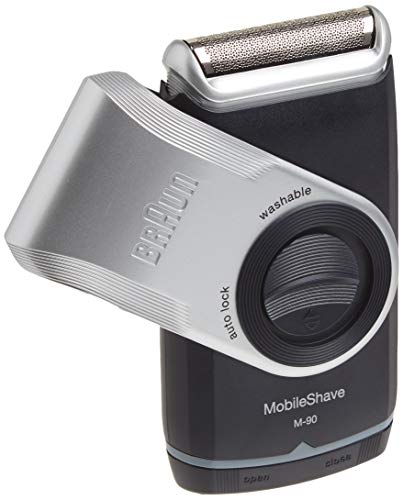
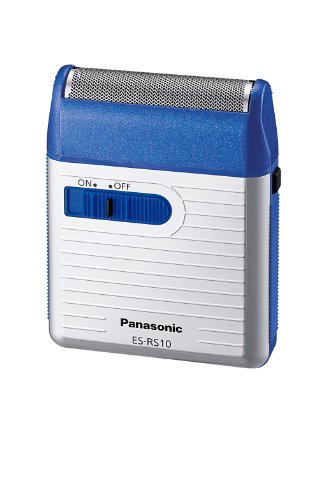
Each pick is a compact or travel shaver: AA-powered models that skip charging altogether, small rechargeable foil shavers with USB charging, and a women’s on-the-go shaver. Check each listing for a travel lock or protective cap before you fly. See how we test and choose products for the rules behind every pick.




Key Takeaways
- The TSA allows electric razors in both carry-on and checked bags, but the officer at the checkpoint makes the final call.
- The battery, not the blades, is what airline safety rules care about.
- A shaver with a built-in lithium battery can be checked only if it is fully off and protected from switching on.
- Spare lithium batteries and power banks belong in your carry-on only, with the terminals covered.
- Safety razors are a different case: the blade must come out before the checkpoint.
- Outside the US, local security rules and airline policies can be stricter, so check before you fly.
- A travel lock, a cap and a case solve most problems before they start.

The Rule for an Electric Shaver on a Plane, in One Minute
The TSA keeps a searchable list called “What Can I Bring?”. Its entry for electric razors says yes for carry-on bags and yes for checked bags. The page also points to the FAA for regulation questions, and it ends with the line that applies to every item: the final decision rests with the TSA officer.
So the blades are not the issue. The cutters in a foil or rotary shaver sit behind a guard, which is why security treats them very differently from a loose razor blade. Instead, the details that can trip you up are about power. Many rechargeable shavers run on a lithium-ion battery, and lithium batteries have their own rules on planes.
In short, packing an electric shaver on a plane comes down to three questions. Does it have a built-in lithium battery? Are you carrying any spare batteries or a power bank to charge it? And can it switch itself on inside a bag? The rest of this guide answers each one.
Electric Shavers vs Razor Blades at Security
Many travel articles lump every kind of razor together. However, the TSA lists them separately, and the answers differ. The table below separates the items people most often confuse.
| Item | Carry-on | Checked | What to know |
|---|---|---|---|
| Electric shaver or razor | Yes | Yes | Blades sit behind a foil or guard; battery rules still apply |
| Hair clippers | Yes | Yes | Listed separately by TSA with the same yes and yes answer |
| Disposable razor | Yes | Yes | Cover or wrap sharp items in checked bags |
| Safety razor with blade | No | Yes | Allowed in carry-on only without the blade; remove it before the checkpoint |
| Loose razor blades (not in a cartridge) | No | Yes | Pack them sheathed or securely wrapped in checked luggage |
The safety razor row is the one that catches people out. According to the TSA, a safety razor can go through the checkpoint only without its blade, and the blade must be removed before you reach screening. Officers are not allowed to take the blade out for you. In contrast, an electric shaver needs no such step, because its cutters are enclosed.
Batteries Decide It: Built-In, Spare and AA
Airline safety rules focus on lithium batteries because a damaged or short-circuited cell can overheat. That is why the battery type of your shaver matters more than its brand or blade style. Here is how the three common setups compare.
| Battery setup | Carry-on | Checked | Conditions |
|---|---|---|---|
| Built-in lithium-ion (rechargeable shavers) | Yes | Yes, with conditions | FAA: checked only if fully powered off and protected from accidental activation and damage |
| Spare lithium battery or power bank | Yes | No | Carry-on only; protect terminals with retail packaging, tape or a battery case |
| AA or AAA alkaline or NiMH cells | Yes | Yes | TSA: protect them from damage and from creating sparks or heat |
For lithium-ion batteries, the TSA lithium battery page sets a limit of 100 watt hours per battery and lithium metal cells at 2 grams of lithium each. The TSA notes that these limits cover nearly all batteries in everyday personal electronics. A shaver battery is a small one, but if a label ever shows a rating above 100 Wh, check with your airline.
The FAA guidance for airline passengers adds the checked-bag conditions. A rechargeable device can go in the hold only if it is completely powered off and protected from accidental activation. It should also be protected from damage. Meanwhile, spare batteries and power banks must always ride in the cabin.
Which Bag Should Your Electric Shaver on a Plane Go In?
Both bags are allowed, so the choice is about risk and convenience. Answer these four questions and follow the result.
- Does your shaver have a travel lock or a hard cap? Yes (A) or no (B).
- Are you packing a spare battery or power bank to charge it? No (A) or yes (B).
- Will you need it right after landing, or is your checked bag at risk of delay? No (A) or yes (B).
- Is it an expensive or hard-to-replace model? No (A) or yes (B).
Mostly A: either bag works. If you check it, switch it off, lock it, cap it and pad it.
Mostly B: put it in your carry-on. Then the spare battery stays with you as required, and you can see it if anything goes wrong.
Any B on question 2: the spare battery or power bank must be in your carry-on, whatever you do with the shaver.
IATA’s 2026 passenger guidance also leans this way. It says personal electronic devices with lithium batteries should be carried in carry-on baggage, while allowing checked devices that are fully switched off and protected.
How to Pack an Electric Shaver for a Plane, Step by Step
These steps take two minutes and cover both the TSA rules and the FAA battery conditions. They work for foil and rotary shavers alike.
- Charge and clean it at home. Brush out stubble and let a washable head dry fully, so you do not pack a damp, hair-filled unit.
- Switch it fully off. IATA specifies off, not a sleep or standby mode. Check that no light stays on.
- Engage the travel lock. If your shaver has one, the manual explains how. Without a lock, tape the switch or pick a case that presses nothing.
- Fit the protective cap. The cap guards the foil or heads, which are the parts most easily bent in a packed bag.
- Put it in a case or pouch. A firm case protects against crushing and stops the button being pushed by other items.
- Move spare batteries to your carry-on. Keep spare lithium cells and power banks in your cabin bag, with terminals covered by tape, the retail pack or a battery case.
- Pack the charger and any adapter together. Keep the cord, plug and travel adapter in one pocket so nothing gets left at a hotel.
Packing Habits That Help or Hurt
Most shaver trouble on trips is not about security at all. Instead, it is a shaver that ran flat, a bent foil, or a buzzing bag. These habits make the difference.
- Use the travel lock before every flight
- Fit the cap so the foil stays straight
- Keep spare batteries in the cabin
- Cover battery terminals
- Pack the charger with the shaver
- Check the charger label before plugging in abroad
- Check a shaver that is merely in standby
- Toss loose AA or lithium cells into a bag
- Pack a shaver that overheats or has a swollen battery
- Bring safety razor blades to the checkpoint
- Pack a wet head into a sealed case
- Assume one country’s rules apply everywhere
Shaving gel or foam is a separate item. The TSA allows aerosol shaving cream in a carry-on only in containers of 3.4 ounces or 100 ml or less. Larger cans go in checked bags, within the FAA limits on toiletries.
Taking an Electric Shaver on a Plane Abroad
TSA rules apply at US airports. When you fly home from another country, that country’s security staff and your airline’s own policy apply. Many follow the international framework from ICAO and IATA, so the basics are similar. Even so, details such as power bank limits can differ by airline.
For example, IATA’s 2026 guidance limits passengers to two lithium-ion power banks of up to 100 Wh each. It also says power banks must not be recharged from the aircraft’s power supply. Airline policies can be stricter than the baseline. Therefore, check your airline’s dangerous goods page before you fly, especially for long trips with several connections.
Outlets are the other overseas surprise. Plug shapes differ by country, and so does voltage. Look at the small print on your charger: if it says something like 100-240V, it can handle most countries with just a plug adapter. If it shows a single voltage, you may need a converter, or an AA-powered travel shaver instead.
Myths About Shavers and Airport Security
A few ideas keep circulating online. Here is what the official pages actually say.
- “Shavers must go in checked bags because they have blades.” False. The TSA allows electric razors in carry-on bags.
- “Rechargeable shavers cannot be checked.” Also false. The FAA allows checked devices that are fully off and protected, although the cabin is often the safer choice.
- “You have to take your shaver out at screening.” Not as a general rule. However, officers may ask to inspect any item, and their decision stands.
- “If it passed security at home, it will pass abroad.” Not guaranteed, because rules and airline policies differ by country.
- “A power bank can go in the hold if it is off.” No. TSA, FAA and IATA all treat power banks as spare batteries for the cabin only.
What Makes a Good Travel Shaver
Any shaver can travel. Still, a few features make an electric shaver on a plane, and in a hotel bathroom, much easier to live with.
- Travel lock: the simplest way to meet the “protected from accidental activation” condition when checking a bag.
- Protective cap or case: keeps foils and heads from bending and stops buttons from being pressed.
- Power source: AA-powered models avoid charging and voltage questions; rechargeable models give more power and skip buying batteries.
- Charging: USB or USB-C charging lets you share a cable with your phone. A charger rated 100-240V helps abroad.
- Size and weight: compact shavers save space but often have narrower heads, so each pass covers less skin.
- Washable head: easy rinsing helps when you cannot clean it at home, though it then needs drying before packing.
If your skin reacts to shaving, the head design matters more than its size. The sensitive-skin guide linked below covers foil and rotary choices in detail.
Honest Limits
This guide relies on official pages, and those pages are short. For instance, the TSA entry for electric razors gives a yes and a pointer to the FAA, but it does not spell out battery handling for shavers specifically. The battery advice here comes from the general TSA, FAA and IATA rules for devices and spare batteries.
Also, no article can promise how a specific checkpoint will go. An officer can stop any item, and a cluttered bag can trigger a manual search. Airline rules can change at short notice too, especially for power banks. As a result, the safest habit is to check the official pages the week you travel.
When to Ask TSA or Your Airline
Most shaver trips need no special checks. Reach out before you fly when:
- Your shaver or spare battery shows a rating above 100 Wh, or no rating at all
- You plan to carry several spare lithium batteries or power banks
- The shaver has a recall notice, a swollen battery, or a history of overheating
- You are flying a foreign airline or connecting through several countries
- You are unsure whether an item counts as a razor, a blade or a tool
For TSA questions, use the contact options on the TSA website. For airline rules, use the dangerous goods or baggage page of the airline you are flying.
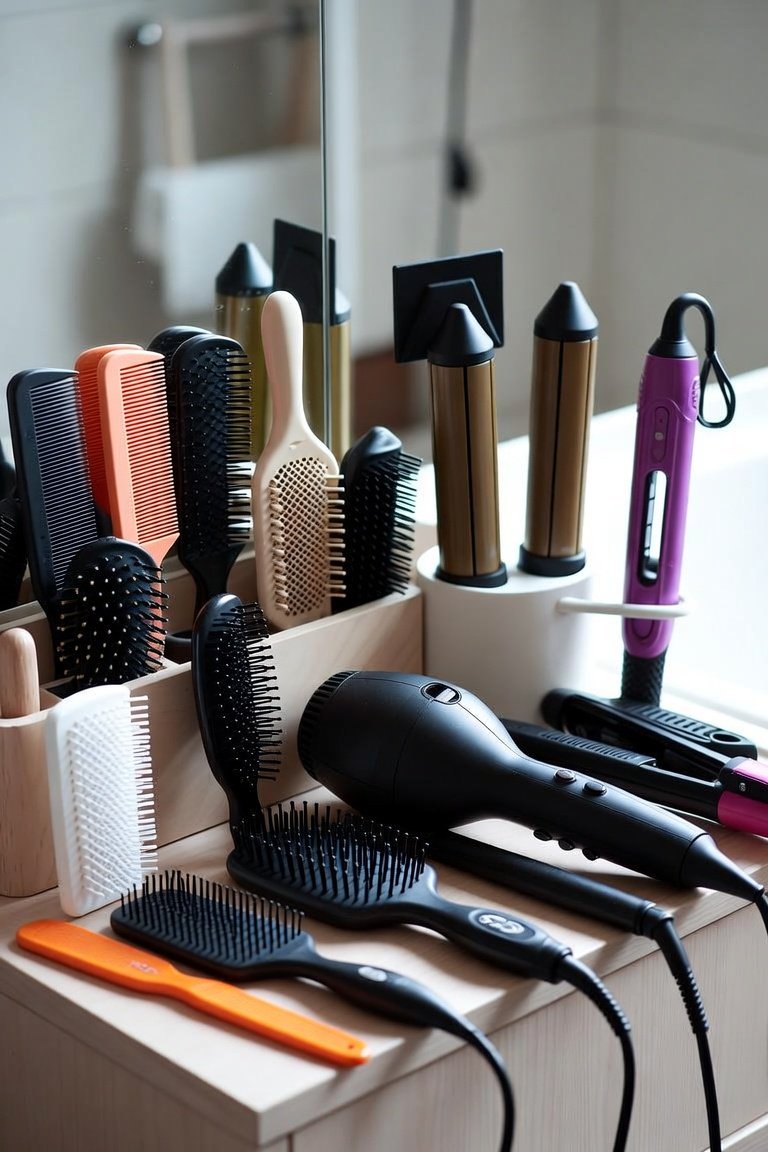
- Hair tools on a plane: straighteners, curlers and dryers.
- Shavers for sensitive skin: foil vs rotary for easily irritated skin.
- Organizing hair styling tools: storage that keeps cords tidy.
- Preventing razor bumps: a simple routine that works.
Electric Shaver on a Plane: Frequently Asked Questions
Can I bring an electric shaver on a plane in my carry-on?
Yes. The TSA allows electric razors in carry-on bags. The officer at the checkpoint still has the final say.
Can I pack an electric shaver on a plane in checked luggage?
Yes. If it has a lithium battery, the FAA says it must be completely off and protected from accidental activation and damage.
Do I need to take my shaver out at security?
Not as a standard rule. Officers may still ask to inspect it, so pack it where you can reach it.
Can I bring spare shaver batteries?
Spare lithium batteries go in your carry-on only, with terminals protected. Alkaline AA or AAA cells are allowed in both bags.
Can I bring a power bank to charge my shaver?
Yes, in your carry-on only. Power banks are not allowed in checked bags, and some airlines limit how many you can bring.
Can I use my electric shaver on a plane during the flight?
The TSA and FAA pages cited here do not address it. Ask the crew first, and stay seated whenever the seatbelt sign is on.
Is a safety razor treated like an electric shaver?
No. A safety razor can go in a carry-on only without its blade. Loose blades belong, wrapped, in checked bags.
Is an electric shaver on a plane allowed on international flights?
Generally yes, but the local country and your airline set the rules there. Check both before you fly.
Can I bring shaving cream in my carry-on?
Yes, in containers of 3.4 ounces or 100 ml or less. Larger cans go in checked bags.
Will my shaver charger work abroad?
Check the label. A charger marked 100-240V usually needs only a plug adapter; a single-voltage charger may need a converter.
The Bottom Line
An electric shaver is one of the easiest things to fly with. The TSA allows it in both bags, so the only real work is about the battery: keep spare lithium cells and power banks in the cabin, and if the shaver goes in the hold, switch it fully off, lock it and cap it.
For most trips, the carry-on is the simplest home for it. Then check your airline’s rules before international flights, look at your charger’s voltage label, and remember that the officer at the checkpoint has the last word.






2 Comments