

Does Laser Hair Removal Work on Blonde, Red or Gray Hair?
Clinic ads often say their machine “works on every hair color.” So it is fair to ask whether laser hair removal on blonde hair is worth booking. For most people with naturally blonde, red, gray or white hair, the honest answer is no, or at least not very well.
Quick answer: lasers find hair by its dark pigment, melanin. Blonde, gray and white hairs carry little of it, and red hair holds a type of melanin that absorbs too little laser energy. As a result, laser hair removal on blonde hair and other light shades usually gives weak or no results. Electrolysis, which destroys each follicle with a tiny current, works regardless of hair color and is the main permanent option.
The evidence is fairly consistent. Mayo Clinic says the treatment works best when hair and skin contrast, such as dark hair on fair skin. It also says light hair responds less well. A 2022 review in Sexual Medicine goes further and calls laser ineffective on white, blonde or red hair. On the other hand, the American Academy of Dermatology notes that some people with light hair and light skin can now be treated. That makes a dermatologist’s opinion worth getting before you pay for a package.
There is also a quiet trap. Light hair often looks darker than it really is, especially near the root. Because of that, a test patch tells you far more than a sales chat.
Below you will find a quick hair-color self-check, a color-by-color breakdown, the myths clinics repeat, how electrolysis compares, and the at-home tools that work on any shade.
Recommended Hair Removal Tools for Light Hair
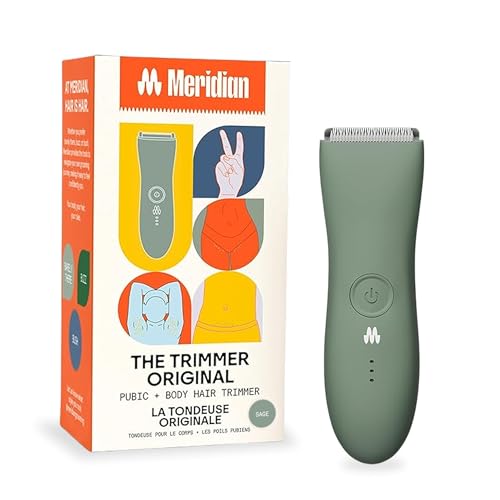
These picks were chosen because they do not rely on pigment. Epilators and wax pull hair from the root, while trimmers and face shavers cut it at the surface, so blonde, red and gray hairs respond just like dark ones. At-home IPL and laser devices are left out on purpose: they target melanin too, so they share the same problem with light hair. See how we test and choose products for the rules behind every pick.





Key Takeaways
- Lasers heat hair by targeting melanin, so the less pigment a hair has, the less energy it absorbs.
- Blonde, gray and white hairs carry little melanin, and red hair holds a type that absorbs laser light poorly.
- Laser and IPL are cleared for permanent hair reduction, not permanent removal; regrowth is expected in some people.
- Electrolysis treats one follicle at a time with a current and works on all hair colors, but it takes many visits.
- At-home IPL devices also rely on pigment, so they share the same weakness on light hair.
- Epilators, wax, trimmers and face shavers work the same on any hair color.
- Ask a board-certified dermatologist to assess your hair before you pay for a laser package.

Why Laser Hair Removal on Blonde Hair Usually Falls Short
Laser hair removal is based on a simple idea. The device sends light of a chosen wavelength into the skin. Melanin, the pigment in the hair shaft and bulb, absorbs that light and turns it into heat. Then the heat spreads to the follicle and damages the parts that make new hair.
So the hair itself works like a wick. A dark hair soaks up energy and carries the heat down to the root. A pale hair barely absorbs anything, so the light passes by and the follicle stays largely intact. In short, the laser cannot damage what it cannot “see.”
Skin color matters for the same reason. Skin also contains melanin, and the laser has to tell skin and hair apart. For that reason, Mayo Clinic says the treatment works best with a clear contrast between hair and skin, such as black hair on white skin. Light hair on light skin offers very little contrast to work with.
The StatPearls chapter on laser hair removal from the National Library of Medicine agrees. It notes that the best results come from dark hair on lighter skin types. It also reminds clinicians to describe the outcome as permanent hair reduction, not removal.
Self-Check: Will Laser Hair Removal Work on Your Blonde Hair?
This quick check will not replace a test patch. However, it shows whether a consultation is worth your time. Answer each question honestly, and look at the hair in daylight rather than under bathroom bulbs.
- Pull or shave a few hairs and look at the root end. Is it clearly brown or black (A), light brown or dark blonde (B), or pale, strawberry, gray or white (C)?
- Compare hair to skin. Does the hair stand out sharply against your skin (A), stand out a little (B), or almost blend in (C)?
- Look at the whole area. Are most hairs the same dark shade (A), mixed light and dark (B), or mostly light or gray (C)?
- Think about change over time. Has the hair stayed the same color (A), started to gray (B), or turned mostly gray or white (C)?
Mostly A: you may be a good laser candidate. Book a consultation and a test patch.
Mostly B: results are uncertain. Darker hairs may respond while lighter ones stay, so ask for a test area and expect possible touch-ups with electrolysis.
Mostly C: laser is unlikely to help much. Electrolysis or an at-home method is the realistic choice.
Laser Hair Removal on Blonde, Red, Gray and White Hair
“Light hair” covers several different situations. Each one fails for a slightly different reason, so it helps to separate them.
| Hair color | What is going on | Likely laser response | Realistic option |
|---|---|---|---|
| Dark blonde or light brown | Some melanin, often uneven between hairs | Partial; darker hairs respond better | Test patch first; electrolysis for leftovers |
| Light or platinum blonde | Very little melanin | Weak or none | Electrolysis or at-home methods |
| Red or strawberry | Mainly pheomelanin, which absorbs laser light poorly | Weak or none | Electrolysis or at-home methods |
| Gray | Pigment is fading or gone | Weak; mixed areas respond unevenly | Electrolysis, especially for chin hairs |
| White | No usable pigment | None | Electrolysis or at-home methods |
Mayo Clinic states that blonde, white and gray hair have less pigment, so the treatment is less effective. It adds that red hair holds a different type of melanin that does not absorb enough laser energy to damage the follicle. A 2022 review by Yuan and colleagues puts it more bluntly: laser works only on naturally dark, pigmented hair and is ineffective on white, blonde or red hair.
Gray hair deserves a special mention. Many people want laser for chin or lip hairs that appear later in life, and those hairs are often already gray. For that reason, laser hair removal on blonde hair and on gray hair runs into the same wall. Treating early, while hairs still have color, can help, but only for the dark ones.
Myths About Laser Hair Removal on Blonde Hair
A few claims come up again and again in clinic marketing. Here is what the sources actually say.
- Myth: “Our newest laser works on all hair colors.” Newer devices have mainly widened the range of skin tones that can be treated safely. Pigment in the hair is still the target, so a pale hair remains hard to heat.
- Myth: “Dyeing your hair dark first will fix it.” Hair dye colors the shaft above the skin, while the laser needs pigment down at the root. Researchers have tried applying dark substances to light hair to make it absorb energy. The 2022 review says these attempts had limited success and are not standard practice.
- Myth: “More sessions will get there eventually.” Extra sessions help when hairs are dark but in a resting phase. They do not add pigment to a white hair.
- Myth: “Laser is permanent.” Lasers are cleared for permanent hair reduction. Mayo Clinic says the treatment greatly reduces growth but does not guarantee hair will never return.
There is a fair counterpoint, though. The American Academy of Dermatology says that laser is now an option for some people with light-colored hair and light skin. In practice, “light-colored” can mean light brown or dark blonde, which still holds some pigment. So a dermatologist may find you treatable, while a friend with platinum hair is not.
Electrolysis vs Laser Hair Removal for Blonde Hair
These two treatments are often lumped together as “permanent hair removal.” In fact, they work in different ways and carry different labels.
In electrolysis, a trained electrologist slides a very fine probe into a single follicle. Then a small electric current travels down and destroys the hair root. According to Cleveland Clinic, electrolysis works with the widest range of skin and hair types. Because it does not rely on pigment at all, a white hair is treated the same as a black one.
| Feature | Laser hair removal | Electrolysis |
|---|---|---|
| How it works | Light heats melanin in many hairs at once | Current destroys one follicle at a time |
| Blonde, red, gray, white hair | Poor or no response | Works regardless of color |
| FDA clearance wording | Permanent hair reduction | Permanent hair removal |
| Typical schedule | Mayo Clinic: 4 to 8 sessions, several weeks apart | Cleveland Clinic: weekly or every other week, for up to about 18 months |
| Best for | Large areas of dark hair | Small areas, light hair, stray hairs left after laser |
| Comfort | Rated less painful in the 2022 review | Rated more painful in the same review |
One common claim needs a correction. Electrolysis is often called “the only FDA-approved method” of permanent hair removal, and some health sites repeat this. The 2022 review calls that description inaccurate. Instead, it explains that electrolysis devices are cleared for permanent hair removal, laser devices for permanent hair reduction, and the FDA does not compare how well they work. The same review also notes that studies have found regrowth after electrolysis in at least 20 percent of cases.
How to Decide on Laser Hair Removal for Blonde or Light Hair
Use these steps to decide whether laser hair removal on blonde hair is worth a try or whether to go straight to another method. They keep you from paying for sessions that cannot work.
- Check your hair at the root. Use the self-check above in daylight. If most hairs are pale, gray or red, skip ahead to step four.
- Book a consultation with a dermatologist. Ask whether your hair has enough pigment for the device they use, and ask them to examine it rather than just your skin.
- Insist on a test patch before a package. Wait several weeks after the test, then compare regrowth with an untreated area. A clear difference is a good sign.
- Plan electrolysis by time, not sessions. Electrolysis is usually booked in timed blocks. Ask how many hairs per session the electrologist expects in your area.
- Combine methods where it makes sense. For mixed hair, laser can thin the dark hairs while electrolysis finishes the light ones.
- Use an at-home method in between. Shaving, trimming, waxing or epilating keeps the area tidy while treatment continues. Ask your provider which methods to pause before each visit, because rules differ for laser and electrolysis.
At-Home Tools That Work on Any Hair Color
If professional treatment is not for you, several home methods ignore hair color completely. They remove or cut the hair mechanically, so pigment plays no part.
| Method | How it works | How long results last | Good for |
|---|---|---|---|
| Epilator | Rotating tweezers pull hairs from the root | Weeks, since hair regrows from the root | Legs, arms, underarms |
| Wax kit | Hard or soft wax grips hair and lifts it out | Weeks | Brows, lip, bikini line, legs |
| Body trimmer | Guarded blade cuts hair near the skin | Days | Bikini area and sensitive skin |
| Facial shaver or trimmer | Small blade cuts fine hair at the surface | Days | Lip, chin, cheeks, brows |
Each one has trade-offs. Epilators and wax last longer but sting, especially the first few times. Trimmers and shavers are painless but need frequent use. Also, tweezing a few stray chin hairs works well, and it suits gray hairs that laser would miss.
- Patch test new wax on a small area first
- Exfoliate gently between sessions to limit ingrown hairs
- Follow the kit directions on which way to apply and remove wax
- Keep blades and tweezer heads clean and dry
- Pause home removal before a clinic visit as instructed
- Use a trimmer on irritated or very sensitive skin
- Buy a home IPL to fix blonde or gray hair
- Wax over broken, sunburned or irritated skin
- Wax skin treated with retinoids without advice
- Share razors or wax spatulas
- Pluck a hair from a mole without a doctor’s advice
- Expect any home tool to be permanent
Time and Commitment: What Each Route Really Takes
Cost is not the only factor. The hours you spend in a chair or in front of a mirror matter too, so plan around them.
Laser treats a large patch in each pulse, so a session on the legs or underarms moves fast. However, that speed only pays off when the hair is dark enough to respond. The AAD says most patients need 2 to 6 treatments, while Mayo Clinic gives a range of 4 to 8. Both note that some regrowth can occur and touch-ups may be needed.
Electrolysis is slower because each follicle is treated by hand. Cleveland Clinic describes regular visits over many months, often weekly or every other week. As a result, it suits small areas such as the upper lip, chin or brows far better than full legs. For light hair on a large area, many people choose a home method instead.
Home tools take the least planning but the most repetition. A trimmer takes minutes, yet you repeat it every few days. An epilator or wax kit takes longer per session, although results usually last weeks.
Honest Limits
This guide summarizes what major medical sources and one peer-reviewed review say. It cannot tell you how your own hair will respond. Hair color is a spectrum, and two people who both call themselves “blonde” may have very different amounts of pigment.
The research on laser for light hair is also limited and mixed. The AAD is more open to treating light-haired patients than the 2022 review is. Newer devices and settings keep appearing, and a test patch is the only reliable way to know. Likewise, electrolysis results depend heavily on the skill of the electrologist.
Finally, the product picks above are general options. Ratings reflect build quality and comfort for many buyers, not results on your skin. If a tool irritates you, stop and switch methods.
When to See a Professional
Home hair removal is fine for routine grooming. Talk to a doctor or board-certified dermatologist instead when:
- Coarse hair appears suddenly on the face, chest or back, because new growth can have a medical cause
- Hair growth comes with irregular periods, acne or other new symptoms
- A clinical opinion on whether your hair color suits laser would help before you pay for sessions
- Scarring, keloids or skin color changes have followed past injuries
- You notice blistering, crusting or lasting color change after any treatment
- You plan electrolysis and want a referral to a qualified electrologist
If you do pursue laser, the AAD recommends choosing a board-certified dermatologist to perform it. In the same way, check that an electrologist is properly licensed where you live.
- How much laser sessions hurt: what the pulses feel like and how to ease them.
- Exercise after a laser session: when it is safe to sweat again.
- Shavers for sensitive skin: gentle options for easily irritated skin.
- Does dermaplaning make hair thicker?: the regrowth myth, explained.
- IPL and darker skin tones: skin-tone sensors, risks and safer alternatives.
Laser Hair Removal on Blonde Hair: FAQ
Does laser hair removal on blonde hair work at all?
Rarely well. Dark blonde hair with some pigment may respond partly, but light and platinum blonde hair usually shows little or no lasting reduction.
Why does laser not work on red hair?
Red hair contains mainly pheomelanin, a type of melanin that absorbs too little laser energy to damage the follicle.
Can laser remove gray or white hair?
Not reliably. Gray and white hairs have little or no pigment, so the laser has nothing to heat. Electrolysis is the usual choice for them.
Will dyeing help laser hair removal on blonde hair?
No. Dye colors the shaft above the skin, not the root. Experiments with dark topical agents have had limited success and are not standard care.
Is at-home IPL better than laser hair removal for blonde hair?
No. IPL also targets pigment, so it has the same problem with light hair.
Is electrolysis permanent?
Electrolysis devices are cleared for permanent hair removal, and it works on any hair color. Even so, some studies report regrowth in a share of treated hairs.
Is electrolysis the only FDA-approved permanent method?
That phrase is widely repeated, but a 2022 review calls it inaccurate. Electrolysis is cleared for permanent removal and laser for permanent reduction.
How many electrolysis sessions will I need?
It depends on the area and number of hairs. Cleveland Clinic describes regular visits, often weekly or every other week, for up to about 18 months.
Can I combine laser and electrolysis?
Yes. Some people use laser on the dark hairs and electrolysis on light hairs that remain. Your provider will set the timing.
What home tools work on light hair?
Epilators, wax kits, trimmers, facial shavers and tweezers all work regardless of color, because they cut or pull hair rather than heat it.
The Bottom Line
Lasers need pigment, and blonde, red, gray and white hairs do not have enough of the right kind. Dark blonde hair may respond partly, so a dermatologist’s assessment and a test patch are worth it before any package.
For truly light hair, electrolysis is the main permanent option, though it takes time and many visits. In between, or instead, epilators, wax, trimmers and face shavers work on every shade without relying on color at all.





2 Comments