Duo-Fiber Brush: The Ultimate Tool for Flawless Makeup Application
The duo-fiber brush is a unique tool that has changed the way makeup lovers and professionals apply products. Its special design—blending two types of fibers—offers versatility, precision, and a natural finish. Even though it looks simple, the duo-fiber brush is packed with features that make it stand out from other brushes in the beauty world.
If you’re curious about how to use it or why it matters, this guide will help you understand every detail.

What Is A Duo-fiber Brush?
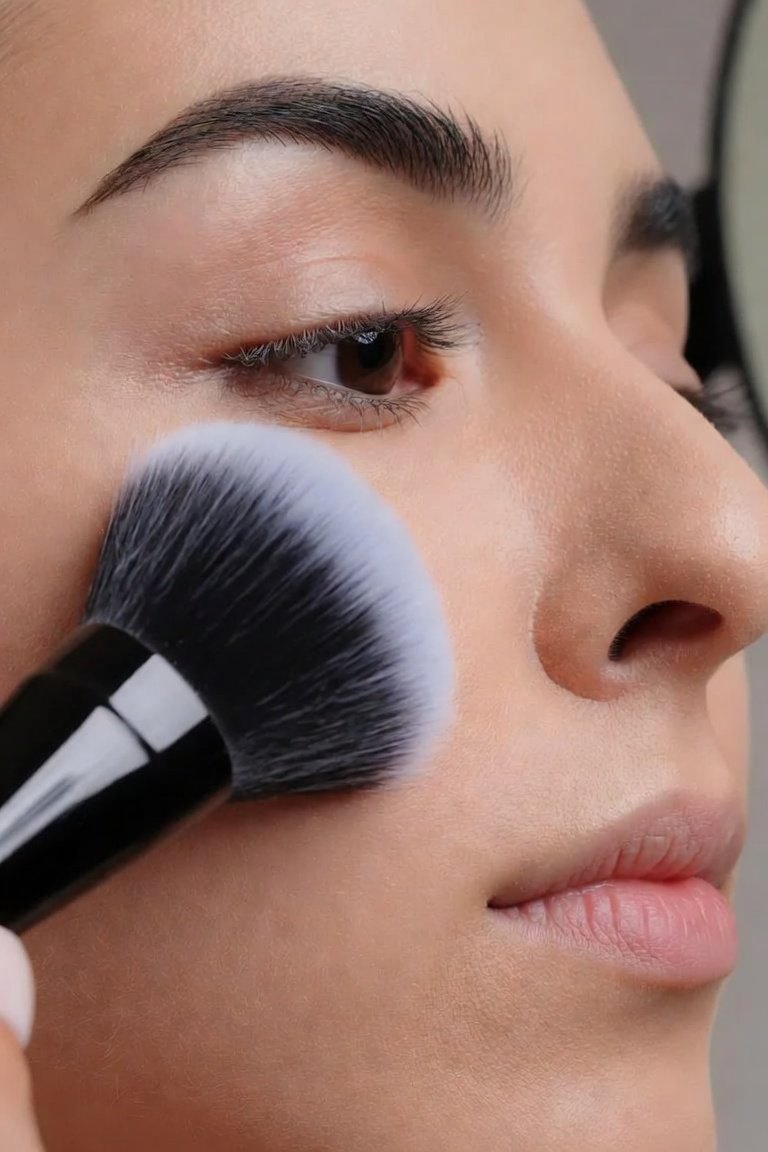
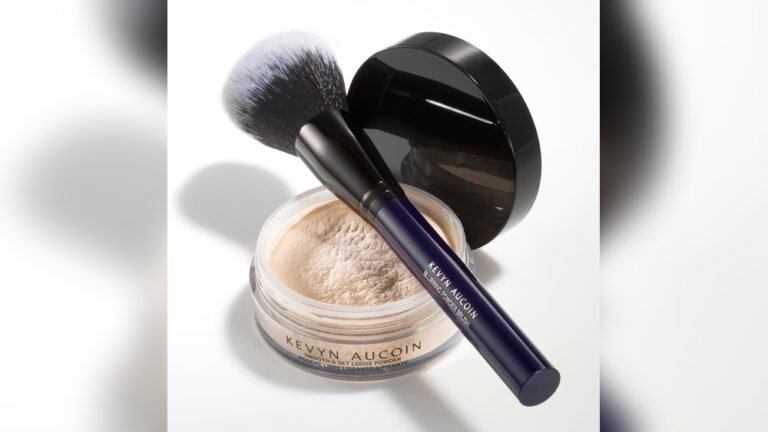
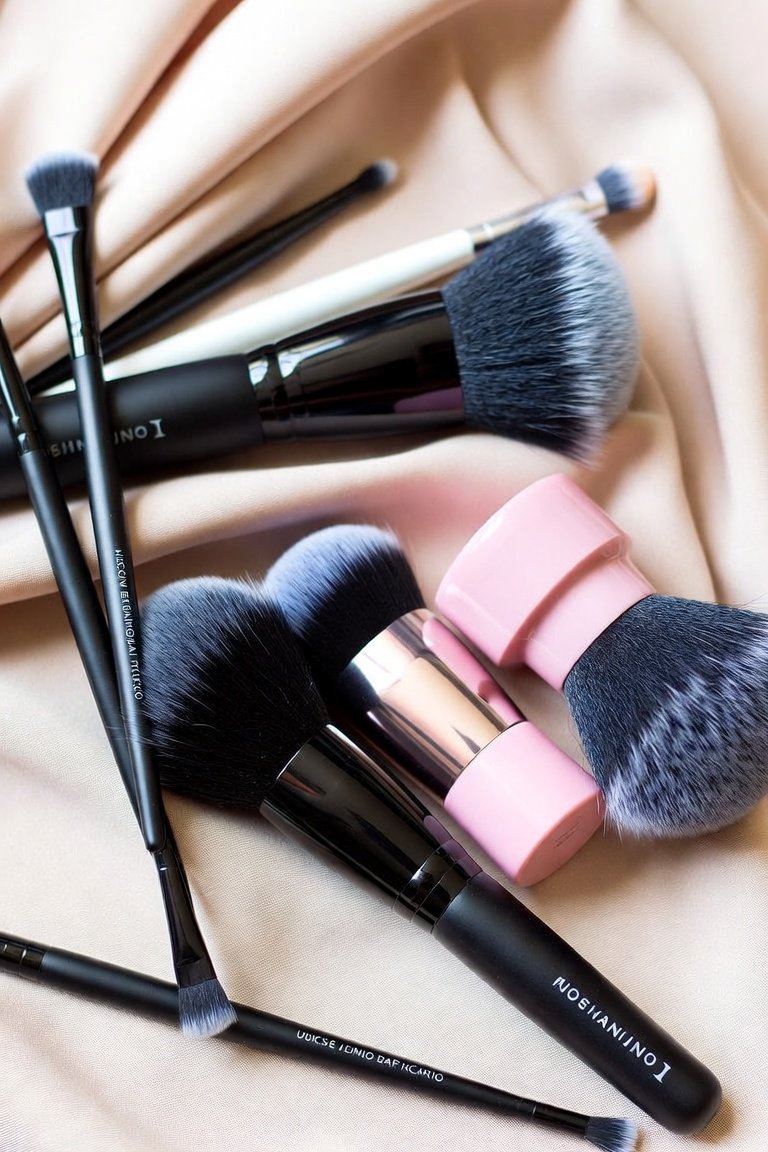
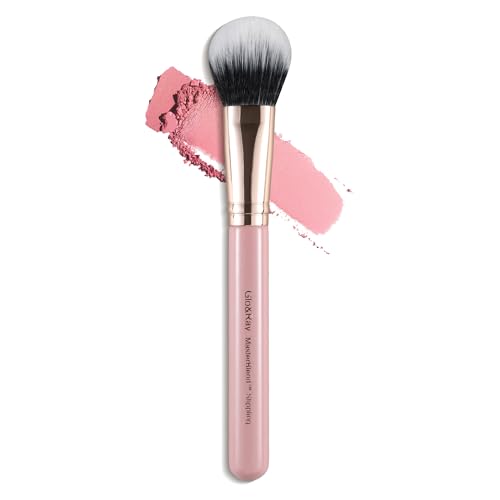
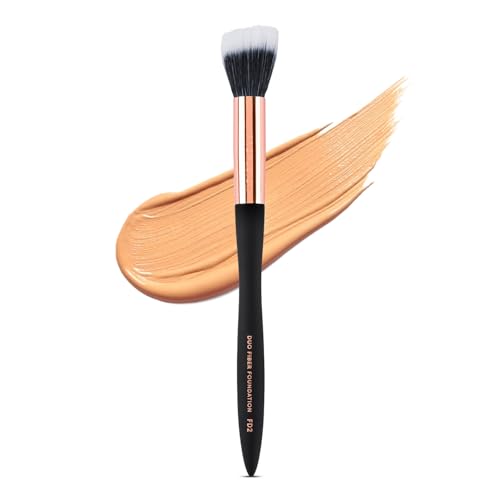
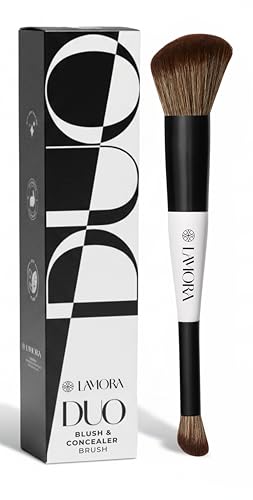
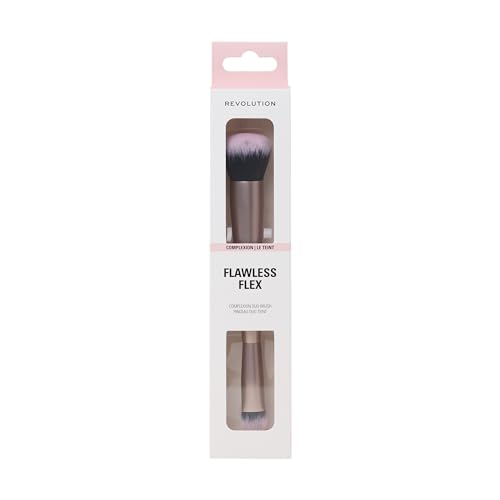
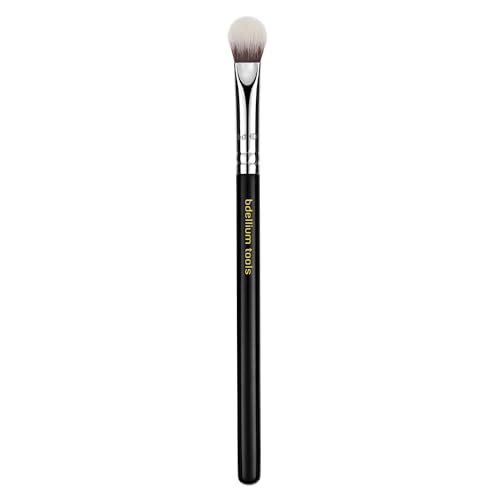
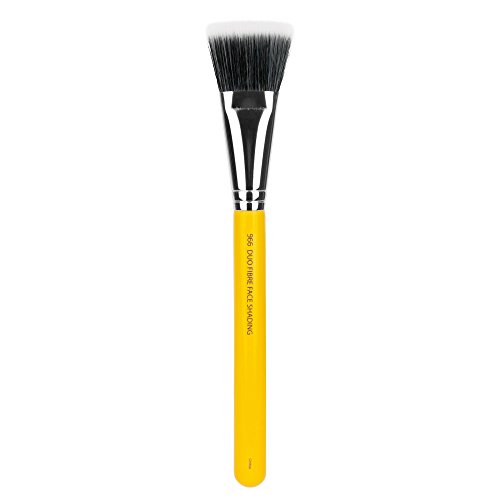
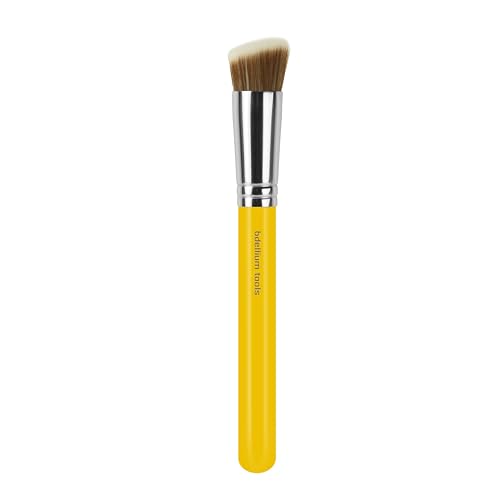
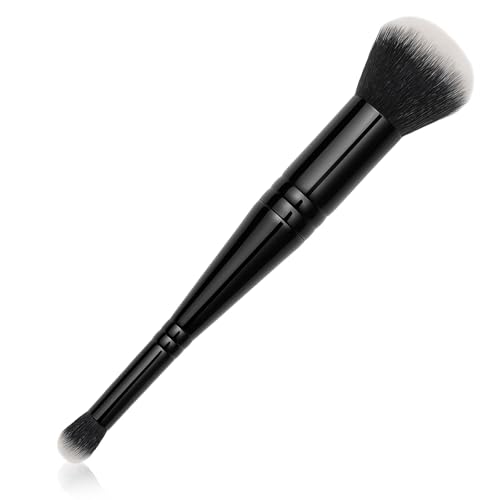
A duo-fiber brush is made with two kinds of bristles. The first layer is usually synthetic fibers. These are stiff and short, sitting close to the handle. The second layer is natural fibers, which are longer and softer. Together, they create a brush head with a fluffy, feathered look.
This design helps the brush pick up just the right amount of product. It spreads liquid, cream, or powder evenly for a light, airbrushed finish. Many makeup artists call it a “stippling brush” because it is perfect for stippling—light tapping motions that blend makeup seamlessly.
Key Features
- Two types of bristles: Synthetic and natural.
- Feathered tip: Less dense, gives a soft application.
- Multi-purpose: Works for liquid, cream, and powder products.
The duo-fiber brush stands out because it does not overload with product. This makes it ideal for beginners and anyone who wants a natural look.
History And Evolution Of Duo-fiber Brushes
The duo-fiber brush first appeared in professional makeup kits during the early 2000s. At that time, makeup artists needed tools to create flawless, HD-ready skin for models and actors. Traditional brushes could be too dense, leaving streaks or heavy patches.
Brands like MAC Cosmetics and Sigma Beauty started producing duo-fiber brushes, noticing that the mixed bristle design helped blend foundation without streaks. The style quickly became popular among beauty influencers and everyday users.
Over the years, the brush has evolved. Some brands now use only synthetic fibers for ethical reasons, but the two-length system remains. Today, duo-fiber brushes come in various shapes and sizes, suited for different parts of the face.
Important Milestones
- Early adoption: Used by professionals for TV and film makeup.
- Mass production: Brands released affordable versions for the public.
- Vegan options: All-synthetic duo-fiber brushes became common.
The duo-fiber brush is now considered a must-have tool for achieving a natural, modern makeup look.
How Duo-fiber Brushes Are Made
The manufacturing process involves careful selection of materials and skilled assembly. Most duo-fiber brushes start with a sturdy handle, usually made from wood or plastic. The ferrule—the metal piece that connects the bristles to the handle—is attached tightly to prevent shedding.
Bristle Selection
- Synthetic bristles: Often made from nylon or Taklon. These are resistant to bacteria and easy to clean.
- Natural bristles: Sourced from animal hair, such as goat or squirrel. They are softer and flexible.
Some brands now use only synthetic bristles, which mimic the softness and flexibility of natural hair.
Assembly Steps
- Attach the short, stiff bristles first.
- Layer longer, soft bristles above.
- Secure the bristles with a ferrule.
- Shape and trim the brush head for a feathered finish.
Manufacturers test brushes for durability and softness before packaging. High-quality duo-fiber brushes last for years with proper care.
Types Of Duo-fiber Brushes
There are several types of duo-fiber brushes, each designed for different uses. The most common are:
1. Duo-fiber Foundation Brush
This brush is flat or slightly rounded. It is perfect for applying liquid foundation, tinted moisturizer, or BB cream. The duo-fiber design helps spread product thinly, avoiding heavy buildup.
2. Duo-fiber Blush Brush
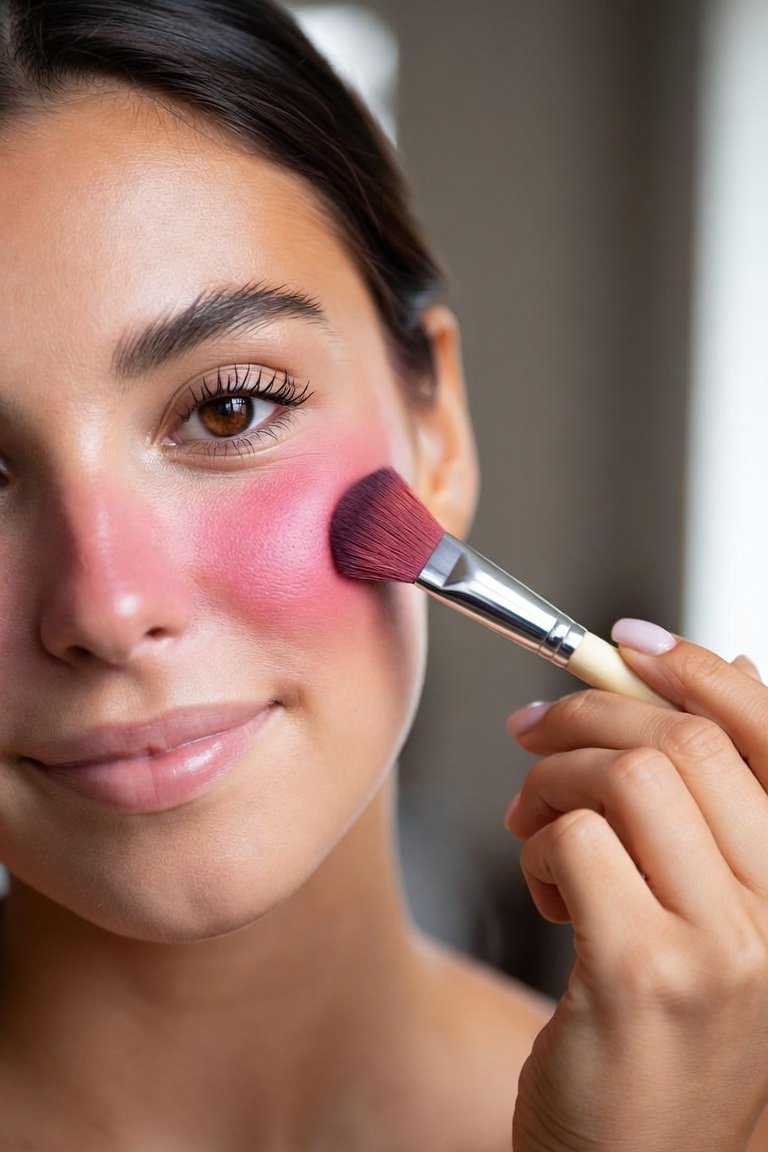
This brush is round and fluffy. It delivers a soft wash of color, making it great for blush and bronzer. The brush picks up less powder than dense brushes, allowing for buildable color.
3. Duo-fiber Contour Brush
This brush is angled. It helps define cheekbones and jawlines with cream or powder contour products. The feathered tip allows for subtle blending.
4. Duo-fiber Eyeshadow Brush
Small and tapered, this brush blends eyeshadow in the crease or applies a light shimmer. It prevents harsh lines and gives a soft look.
5. Duo-fiber Highlight Brush
Thin and fan-shaped, this brush applies highlighter to cheekbones, nose, and brow bone. It deposits just enough shimmer without overdoing it.
6. Duo-fiber Stippling Brush
This is the classic shape—flat-topped and wide. It is used for stippling foundation, blush, or highlighter. The brush creates a “pixelated” effect that hides pores.
Comparison Of Duo-fiber Brush Types
Here’s a quick overview of the most popular duo-fiber brush types:
| Brush Type | Shape | Main Use | Best For |
|---|---|---|---|
| Foundation | Flat/Rounded | Liquid/Cream Foundation | Natural finish |
| Blush | Round/Fluffy | Powder/Cream Blush | Soft color |
| Contour | Angled | Contour Products | Subtle definition |
| Eyeshadow | Small/Tapered | Eyeshadow | Blending |
| Highlight | Fan-shaped | Highlighter | Light shimmer |
| Stippling | Flat-topped | Multiple Products | Airbrush effect |
Main Uses Of Duo-fiber Brushes
The duo-fiber brush is known for its versatility. You can use it for many makeup products and techniques.
Foundation Application
The brush excels at applying liquid or cream foundation. The feathered tips prevent streaks and help blend product seamlessly. Beginners often find it easier to control coverage with a duo-fiber brush.
Blush And Bronzer
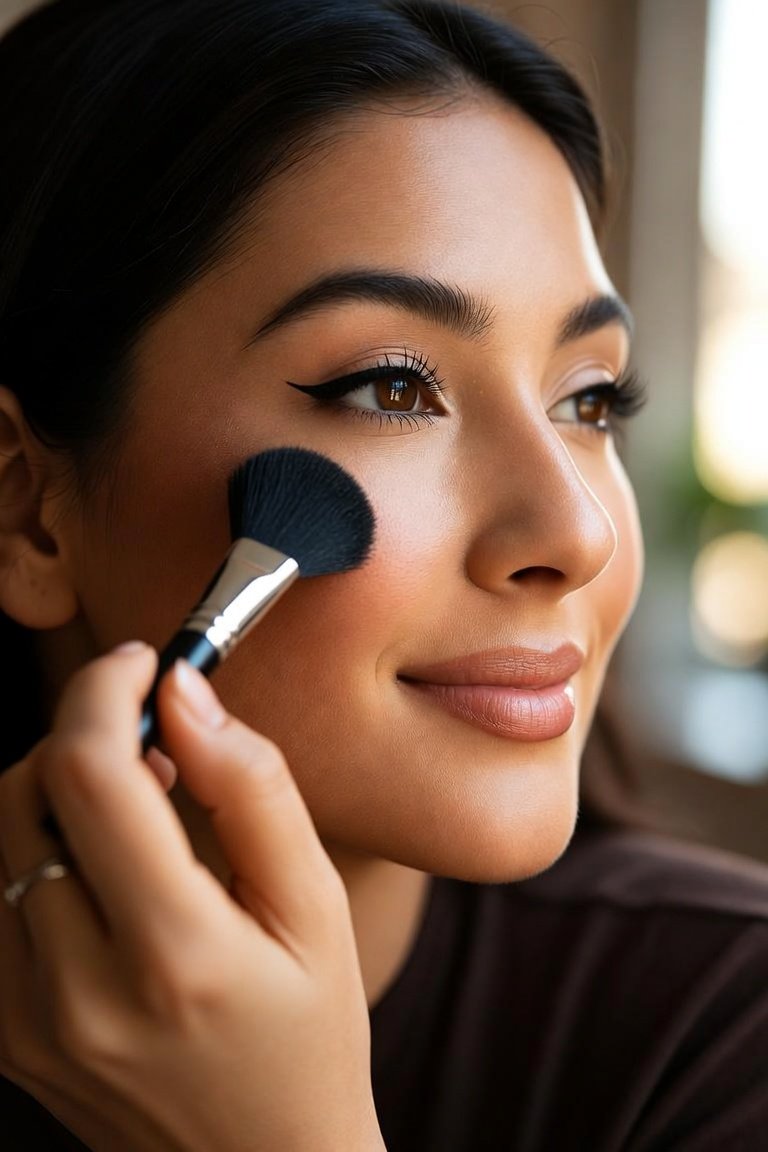
Because it picks up less product, the duo-fiber brush is perfect for blush and bronzer. It allows you to layer color until you reach the desired intensity.
Highlighter
The brush’s soft tip gives a light, glowing finish. You won’t end up with too much shimmer, which can look unnatural.
Cream Products
Duo-fiber brushes work well with cream blush, contour, or highlighter. The synthetic bristles hold cream, while the natural fibers blend it out.
Setting Powder
Some people use a duo-fiber brush for setting powder. It helps avoid a cakey look, especially for dry or mature skin.
Skincare Application
A lesser-known use is for skincare products. The brush can apply moisturizer, primer, or sunscreen, giving an even layer.
Step-by-step Guide: How To Use A Duo-fiber Brush
Using a duo-fiber brush is simple, but a few tips can make a big difference in your results.
1. Choose The Right Brush
Pick a brush shape that matches your product. Flat or rounded brushes are best for foundation. Fluffy brushes suit blush and bronzer.
2. Apply Product
Place a small amount of product on the back of your hand or directly on the brush. Duo-fiber brushes pick up less product, so you may need to build coverage.
3. Use Stippling Motions
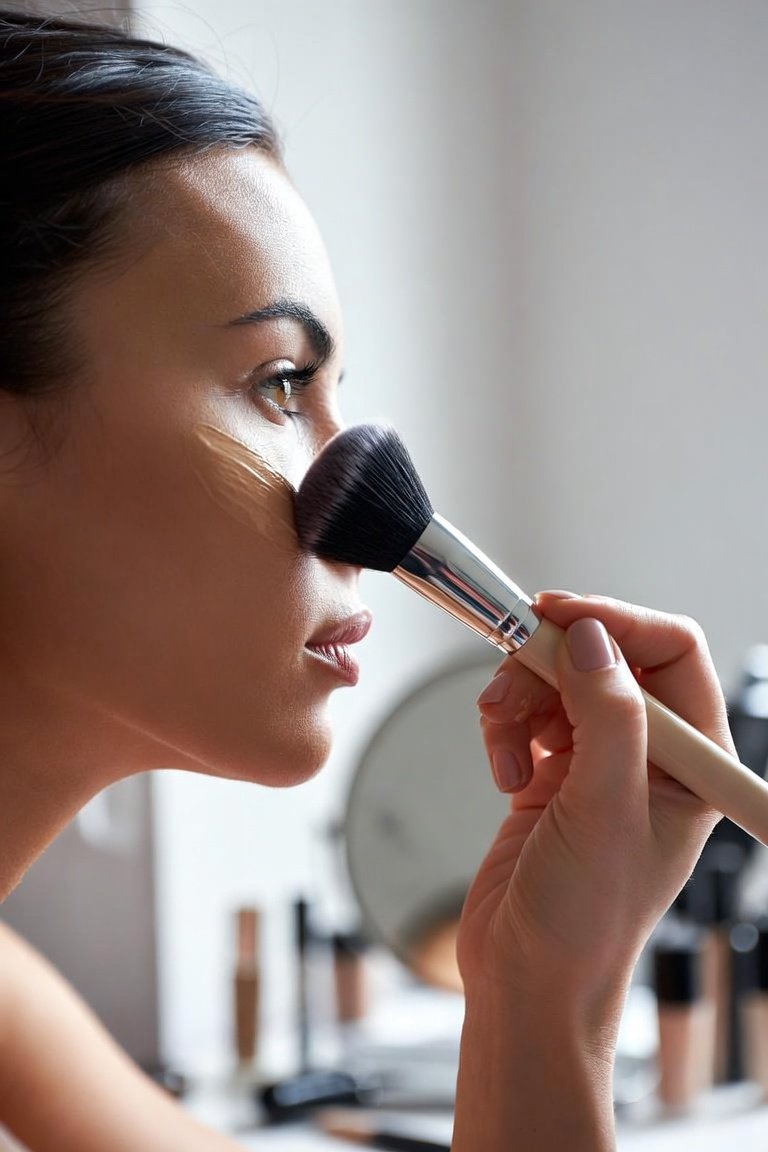
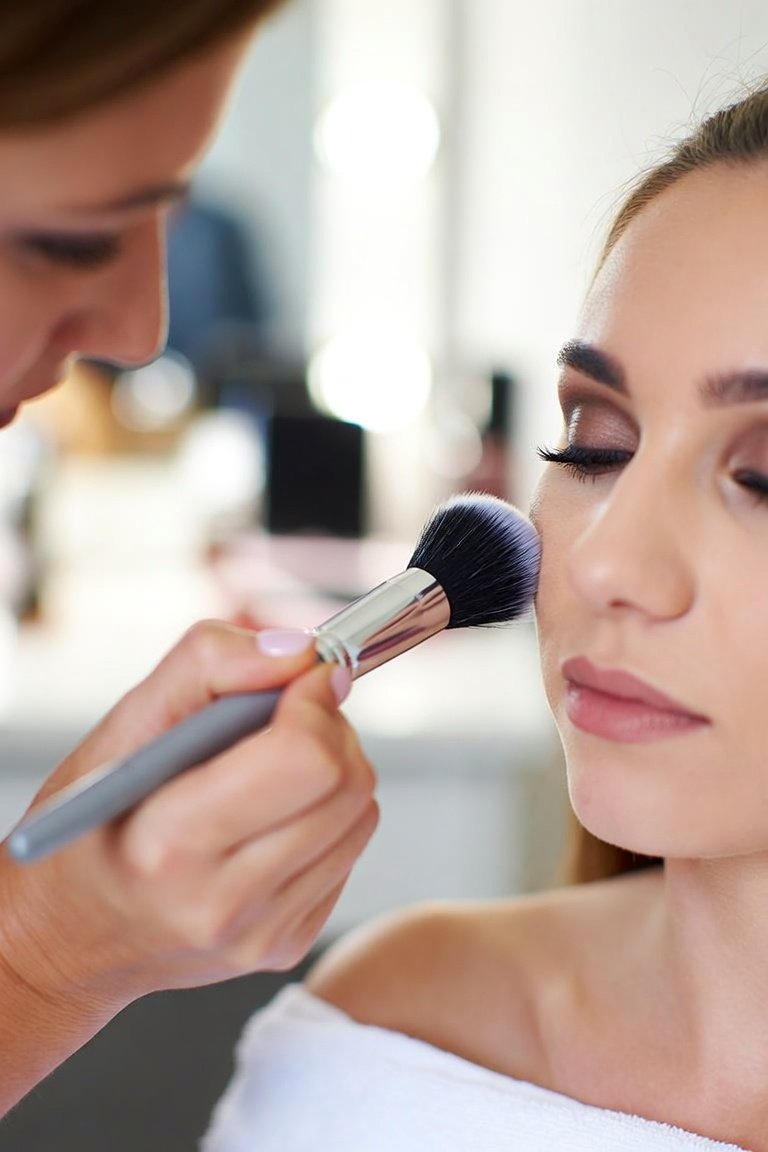
Tap the brush gently on your skin. This technique helps fill pores and blend foundation evenly. Avoid dragging the brush, which can cause streaks.
4. Blend In Circular Motions
After stippling, use light circular motions to blend. The feathered bristles soften edges and give a natural finish.
5. Build Gradually
If you need more coverage or color, repeat the process. Duo-fiber brushes allow for layering without looking heavy.
6. Clean Between Uses
Wash your brush regularly to prevent buildup. Synthetic bristles are easy to clean and dry quickly.
Example: Applying Foundation
- Dot foundation on cheeks, forehead, and chin.
- Stipple with the duo-fiber brush to spread product.
- Blend in circles for a seamless look.
- Add more foundation only if needed.
Common Mistakes
- Using too much product: The brush is designed for light application.
- Dragging the brush: Always tap and blend, never drag.
- Skipping cleaning: Dirty brushes can cause breakouts.
Benefits Of Using Duo-fiber Brushes
Duo-fiber brushes offer several advantages over traditional brushes or sponges.
Natural Finish
The mixed bristles spread product thinly, giving an airbrushed effect. This is ideal for people who dislike heavy makeup.
Versatility
You can use one brush for many products—foundation, blush, highlighter, powder, even skincare.
Easy For Beginners
The brush does not pick up too much product. This makes it easier to avoid common mistakes like cakey makeup.
Less Product Waste
Because the brush spreads product evenly, you use less. This saves money and prevents over-application.
Suitable For Sensitive Skin
Synthetic bristles are hypoallergenic and less likely to irritate skin. Duo-fiber brushes are often recommended for sensitive or acne-prone skin.
Quick Application
The feathered tip covers more area in less time. Duo-fiber brushes are popular for busy mornings.
Drawbacks And Limitations
While duo-fiber brushes have many strengths, they are not perfect for every makeup task.
Not Ideal For Full Coverage
If you want heavy coverage, the duo-fiber brush may not be the best choice. It is designed for a natural look.
Can Be Tricky With Thick Products
Very thick creams or stick foundations may not blend as easily with duo-fiber brushes.
Needs Regular Cleaning
Because the brush picks up both liquid and powder, it must be cleaned often. Otherwise, product buildup can cause streaks.
May Shed Bristles
Lower-quality brushes sometimes shed bristles. Investing in a reputable brand helps avoid this problem.
Duo-fiber Brush Vs Other Makeup Brushes
How does the duo-fiber brush compare to other popular makeup tools? Here’s a breakdown:
| Brush Type | Bristle Density | Finish | Product Waste | Best For |
|---|---|---|---|---|
| Duo-Fiber | Light/Feathered | Natural, Airbrushed | Low | Liquid, Cream, Powder |
| Flat Foundation | Dense | Full Coverage | Medium | Liquid Foundation |
| Beauty Sponge | N/A | Dewy, Smooth | High | Liquid/Cream |
| Powder Brush | Fluffy/Dense | Matte, Soft | Low | Powder |
Key Differences
- Duo-fiber brushes give a lighter finish and are more versatile.
- Flat foundation brushes provide full coverage but can leave streaks.
- Beauty sponges absorb more product, leading to waste.
- Powder brushes are best for powders but cannot handle liquids.
How To Clean And Maintain Your Duo-fiber Brush
Proper cleaning keeps your brush soft and effective. Here’s a step-by-step guide:
Cleaning Steps
- Wet the bristles with lukewarm water. Avoid soaking the handle.
- Apply gentle soap or brush cleanser.
- Massage the bristles in your palm.
- Rinse until water runs clear.
- Squeeze out excess water.
- Reshape the brush head.
- Lay flat to dry—never stand upright while wet.
Cleaning Frequency
- Foundation or cream use: Clean once a week.
- Powder use: Clean every two weeks.
Tips
- Use a silicone brush cleaning mat for deeper cleaning.
- Never use hot water—it can loosen glue and cause bristle loss.
- Let the brush dry completely before using again.
Common Mistakes
- Standing the brush upright while wet: Water can seep into the handle and cause mold.
- Using harsh cleaners: These can damage bristles.
How To Choose A Quality Duo-fiber Brush
Not all duo-fiber brushes are equal. Here’s what to look for:
Bristle Quality
Check for soft, flexible bristles. The ends should be feathered, not blunt.
Handle Strength
A strong, comfortable handle is important for control. Wood and high-quality plastic last longer.
Ferrule Fit
The metal ferrule should be tight and secure. Loose ferrules cause shedding.
Brand Reputation
Choose brands known for quality. Read reviews and look for professional recommendations.
Price Range
High-quality duo-fiber brushes can cost $15–$50. Cheap brushes may shed or lose shape quickly.
Vegan Options
If you prefer cruelty-free products, look for all-synthetic duo-fiber brushes.
Popular Brands And Models
Many beauty brands offer duo-fiber brushes. Here are some of the most popular:
- MAC 187 Duo Fibre Brush: Famous for foundation and blush. High-quality, long-lasting.
- Sigma F50 Duo Fibre Brush: Affordable and versatile. Works for multiple products.
- Real Techniques Stippling Brush: All-synthetic, cruelty-free, great for cream products.
- Morphe M406 Duo Fiber Brush: Good value, soft bristles, popular among makeup artists.
- E.l.f. Studio Stipple Brush: Budget-friendly, best for beginners.
- IT Cosmetics Airbrush Duo Fiber Brush: Luxury option, ultra-soft bristles.
Brand Comparison
| Brand | Price Range | Bristle Type | Durability |
|---|---|---|---|
| MAC | $40–$50 | Natural/Synthetic | High |
| Sigma | $25–$35 | Synthetic | High |
| Real Techniques | $10–$20 | Synthetic | Medium |
| Morphe | $10–$25 | Synthetic | Medium |
| e.l.f. | $5–$10 | Synthetic | Low-Medium |
| IT Cosmetics | $35–$45 | Synthetic | High |
Advanced Tips For Duo-fiber Brush Users
To get the most out of your duo-fiber brush, try these advanced techniques:
Mixing Products
You can use the brush to mix foundation shades on the back of your hand. The feathered tip blends colors smoothly.
Layering Textures
Start with liquid foundation, then use the same brush for cream blush or highlighter. Clean between uses for best results.
Creating Gradient Effects
Use the brush for bronzer, blush, and highlighter in one go. The feathered bristles help create a natural gradient on the cheeks.
Fixing Mistakes
If you apply too much product, use a clean duo-fiber brush to blend out excess. The soft tips will soften harsh lines.
Skincare Prep
Apply moisturizer or primer with a duo-fiber brush for a smooth, even base. This can help makeup last longer.
Non-obvious Insights About Duo-fiber Brushes
Many beginners overlook these points when using duo-fiber brushes:
1. The Brush Can Be Used Dry Or Wet
While most people use the brush dry, you can dampen it for a dewier finish. Spritz the bristles with water or setting spray before applying foundation.
2. The Length Of The Bristles Affects Performance
Longer bristles give a softer finish, while shorter bristles provide more control. Experiment with different shapes to find your favorite.
3. The Brush Can Help With Texture Issues
If your skin has texture or pores, the stippling motion fills gaps and blurs imperfections. This is why duo-fiber brushes are popular for “HD makeup. ”
4. The Brush Is Great For Light Coverage
If you want minimal makeup, the duo-fiber brush is ideal. It spreads product thinly, making it perfect for “no-makeup makeup. ”
5. Brush Storage Matters
Store your brush flat or bristle-up. Crushing the bristles can ruin the feathered tip.
Common Questions And Troubleshooting
Why Does My Duo-fiber Brush Leave Streaks?
Streaks usually happen if the brush is dirty or if you drag it across the skin. Use stippling motions and clean the brush often.
Why Is My Brush Shedding?
Shedding is often caused by low-quality glue or rough cleaning. Invest in a reputable brand and clean gently.
Can I Use The Brush For All Products?
You can use it for most liquid, cream, and powder products. Avoid very thick creams and stick foundations.
How Long Does A Duo-fiber Brush Last?
A high-quality brush can last 2–5 years with proper care. Replace brushes if the bristles start to fray.
Where Can I Learn More About Makeup Brushes?
For more details, visit the Make-up Brush Wikipedia page.
Frequently Asked Questions
What Is The Best Way To Clean A Duo-fiber Brush?
Use lukewarm water and a gentle soap or brush cleanser. Massage the bristles, rinse well, and let the brush dry flat. Clean weekly if you use foundation.
Can Duo-fiber Brushes Be Used For Powder Products?
Yes, duo-fiber brushes are great for applying powder blush, bronzer, and setting powder. They pick up less product, so you get a softer finish.
Are Duo-fiber Brushes Suitable For Sensitive Skin?
Most duo-fiber brushes, especially those with synthetic bristles, are hypoallergenic and safe for sensitive skin. Avoid brushes with rough bristles.
How Do I Prevent My Duo-fiber Brush From Shedding?
Choose brushes from reputable brands. Clean gently, avoid soaking the handle, and let the brush dry flat.
Is A Duo-fiber Brush Better Than A Sponge For Foundation?
A duo-fiber brush gives a lighter, airbrushed finish and uses less product. A sponge offers a dewy look but absorbs more foundation. Each has its strengths.
The duo-fiber brush is a smart, reliable tool for anyone who wants a natural makeup look. With its unique blend of bristles, it offers versatility and control. Whether you’re a beginner or a seasoned makeup lover, learning to use this brush can improve your routine.
Don’t be afraid to try new techniques and experiment with different products. The duo-fiber brush is easy to care for and lasts a long time when treated well. If you want soft, seamless makeup every day, this brush is a must-have in your collection.