Loose Powder Brush: Achieve a Flawless Finish Every Time
The loose powder brush is one of the most essential tools in any makeup lover’s kit. It may look simple, but its role in achieving a flawless finish is huge. Whether you are a beginner or a professional artist, knowing how to choose, use, and care for a loose powder brush can make a big difference in your makeup routine.
In this article, you will discover everything you need to know about loose powder brushes. From their types and materials to application techniques, cleaning advice, and the latest trends, each section is crafted to help you get the best results—no matter your skill level.
What Is A Loose Powder Brush?
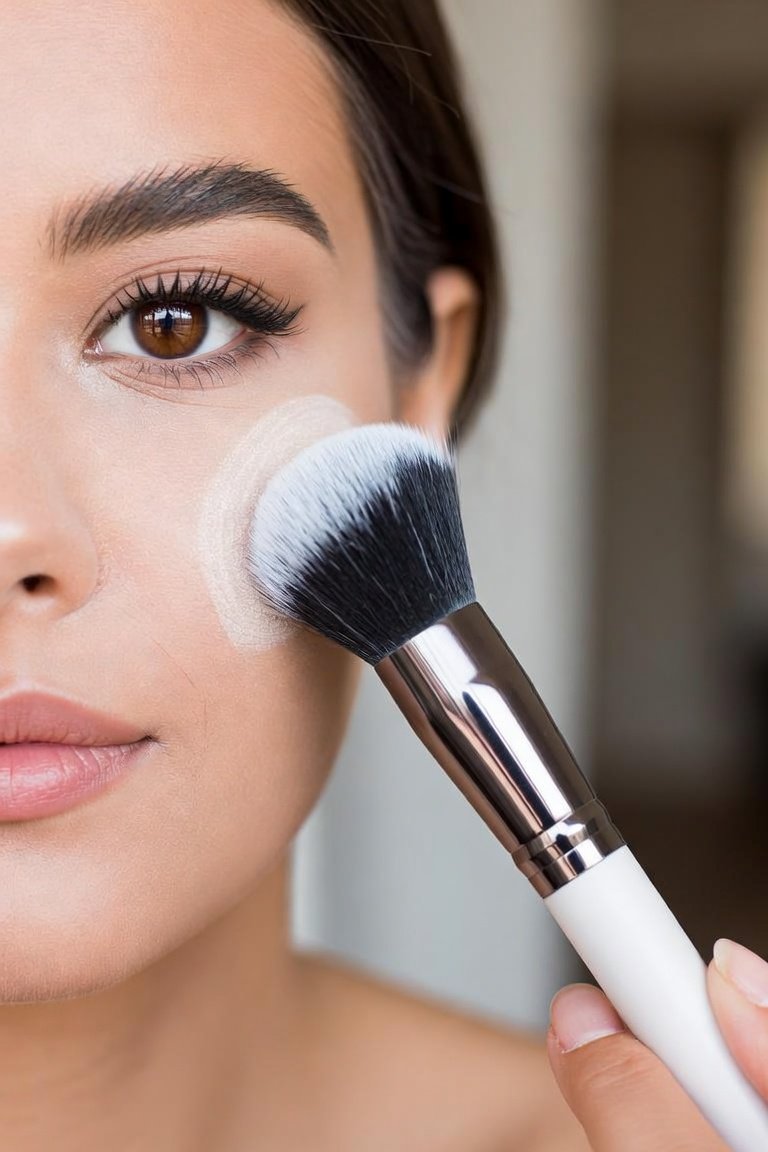
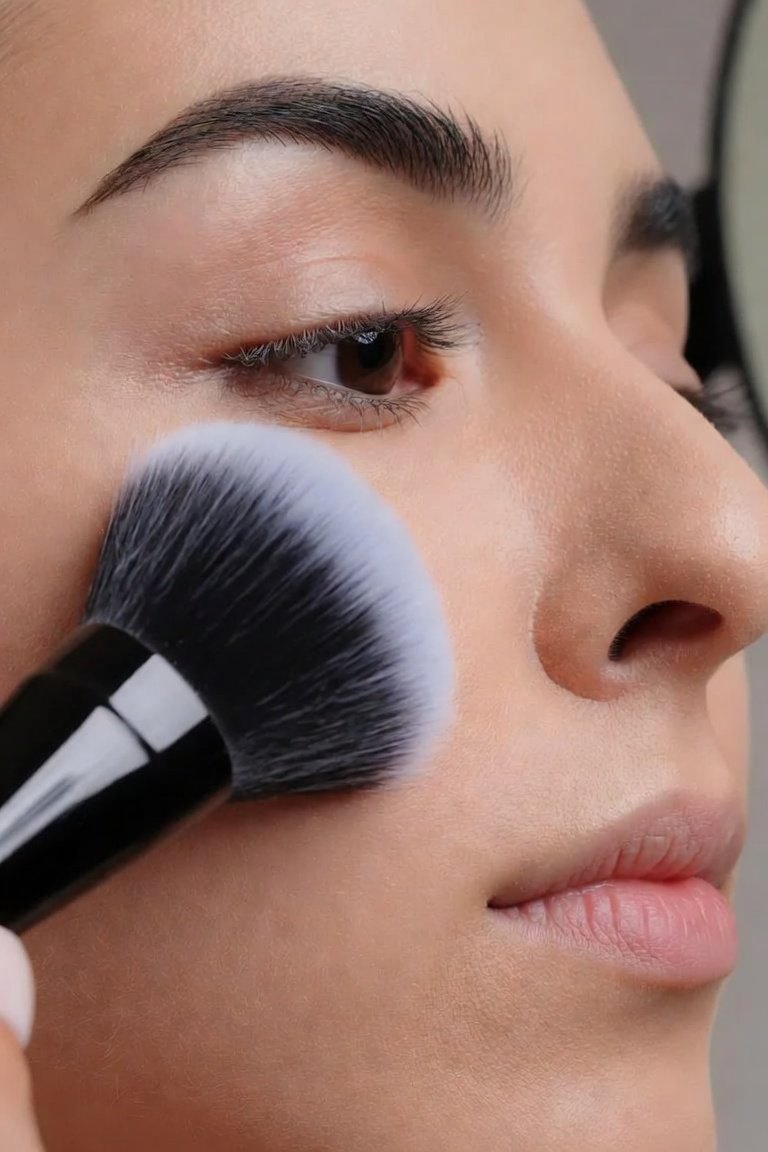
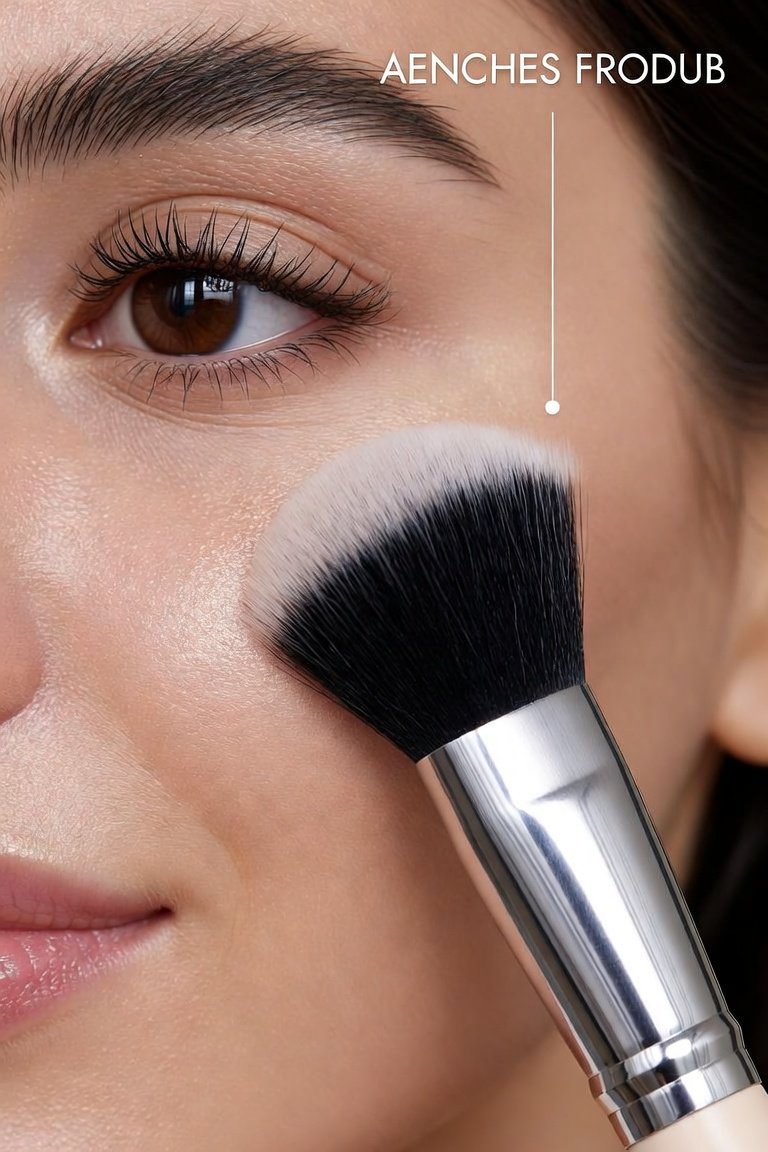
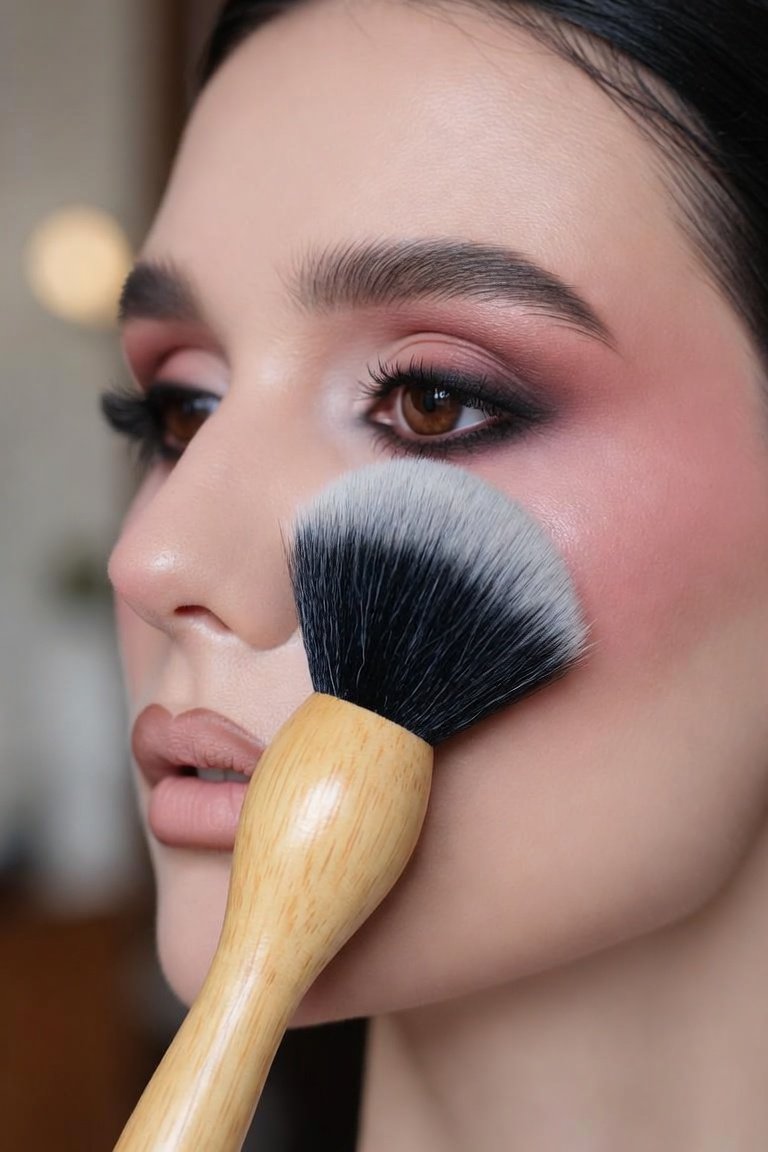
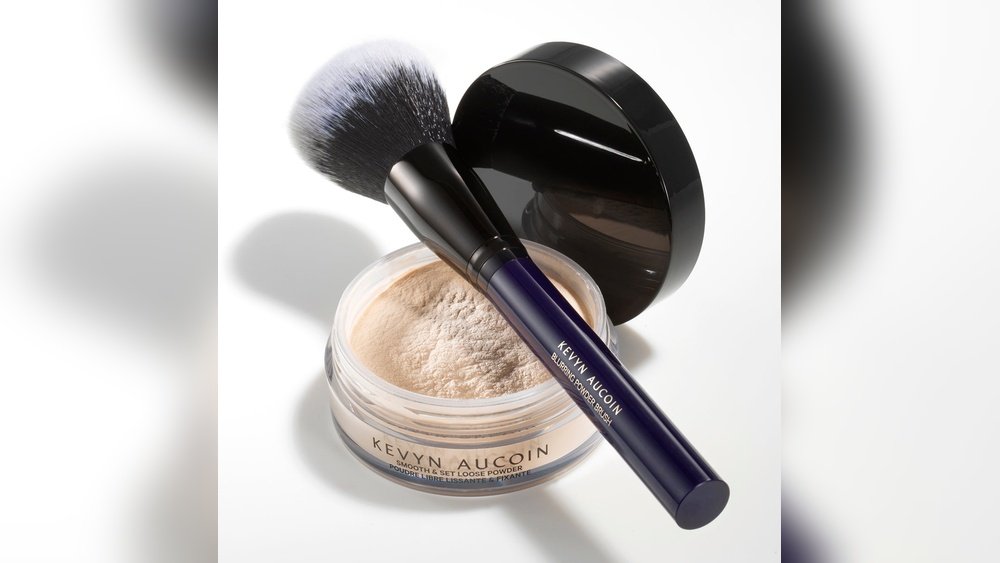
A loose powder brush is a makeup brush designed specifically for applying loose powder products. These powders can include setting powder, finishing powder, or even mineral foundation. The brush usually features a large, fluffy head with soft bristles. The purpose is to pick up the right amount of powder and distribute it evenly across the face.
Loose powder brushes are different from compact powder or blush brushes. They are bigger, softer, and designed to prevent excess product buildup. The bristles are often tapered or rounded to help blend powder seamlessly.
Main Functions
- Setting makeup: Helps lock foundation and concealer in place.
- Reducing shine: Absorbs excess oil, leaving a matte finish.
- Blending: Ensures powder does not look cakey or patchy.
Typical Materials
- Synthetic fibers: Durable, easy to clean, suitable for sensitive skin.
- Natural hair: Often goat or squirrel hair, softer, good for blending, but less hypoallergenic.
Many beginners miss the difference between a loose powder brush and other brushes. Using a smaller brush for loose powder can lead to uneven coverage and wasted product.
Types Of Loose Powder Brushes
Loose powder brushes come in different shapes, sizes, and materials. Choosing the right type is important for achieving your desired look. Here are the main types:
1. Classic Fluffy Brush
This is the most common style. It has a round, full head and soft bristles. The classic fluffy brush is ideal for all-over powder application.
2. Tapered Powder Brush
The bristles are shaped to a slight point. This helps target specific areas like under the eyes or around the nose. It gives more control compared to the classic shape.
3. Flat Powder Brush
Flat brushes are less common but useful for pressing powder onto the skin. They are often used for baking or setting makeup in targeted areas.
4. Kabuki Brush
Kabuki brushes are dense and short. They work well with mineral powders and give a buffed, airbrushed finish.
5. Duo Fiber Brush
These brushes have two types of bristles—usually synthetic and natural. The mix gives a lighter touch, good for sheer application.
6. Retractable Powder Brush
Designed for travel, these brushes can be closed and opened as needed. They keep the bristles clean and are perfect for on-the-go touch-ups.
Comparison Table: Common Loose Powder Brush Types
| Brush Type | Shape | Best For | Portability |
|---|---|---|---|
| Classic Fluffy | Round, Full | All-over application | Low |
| Tapered Powder | Pointed | Precision, targeted areas | Medium |
| Flat Powder | Flat, wide | Baking, pressing powder | Low |
| Kabuki | Dense, short | Buffing mineral powder | Medium |
| Duo Fiber | Mixed bristles | Light, sheer coverage | Medium |
| Retractable | Varies | Travel, touch-ups | High |
Many makeup users only try the classic shape, but exploring other types can solve common problems like uneven coverage or powder buildup.
How To Choose The Right Loose Powder Brush
Selecting the best brush depends on your skin type, makeup style, and needs. Here are the main points to consider:
Bristle Material
- Synthetic bristles: Great for sensitive skin and vegan users. They do not absorb much product and are easy to clean.
- Natural hair: Softer, blends powder well, but may cause allergies in some people.
Brush Size
- Large brushes: Cover more area quickly. Good for setting the whole face.
- Medium/small brushes: Better for precision, like setting powder under the eyes.
Handle Length And Weight
- Long handles: Give more control but may feel heavy.
- Short handles: Easier to use for quick touch-ups.
Density
- Dense bristles: Pick up more product, good for full coverage.
- Loose bristles: Give a lighter finish, prevent cakiness.
Price Vs. Quality
Not all expensive brushes are better. Sometimes, a well-made synthetic brush outperforms a pricey natural hair brush. Look for:
- Secure ferrule: Prevents shedding.
- Softness: Should feel gentle on the skin.
- Durability: Bristles should not bend or break easily.
Data Table: Comparing Brush Materials
| Material | Softness | Durability | Hypoallergenic | Price Range |
|---|---|---|---|---|
| Synthetic | Medium-High | High | Yes | $10-$40 |
| Goat Hair | High | Medium | No | $20-$80 |
| Squirrel Hair | Very High | Low | No | $50-$120 |
Common Mistakes When Choosing
- Picking a brush that is too small for loose powder.
- Ignoring bristle softness—rough bristles can irritate skin.
- Buying only based on price or brand, not performance.
Experienced users often test brushes in-store by feeling the bristles and checking for shedding.
How To Use A Loose Powder Brush For Perfect Application
Getting the best results from a loose powder brush is all about technique. Here is a step-by-step guide:
- Tap off excess powder: After dipping your brush into the powder, lightly tap it to remove extra product. This prevents cakiness.
- Apply with gentle sweeping motions: Start at the center of your face and move outward. Use light, circular strokes for even blending.
- Focus on oily zones: Apply more powder on the T-zone (forehead, nose, chin) if you have oily skin.
- Build coverage gradually: Do not overload your brush. Add more powder only if needed.
- Blend edges: Make sure powder does not settle into fine lines or look obvious around the edges.
Practical Example
If you use a classic fluffy brush and translucent powder, dip the brush, tap off excess, and lightly sweep across your cheeks, forehead, and nose. For baking under the eyes, use a flat brush, press powder gently, wait a few minutes, then sweep off with the fluffy brush.
Advanced Tip
For a natural finish, use a duo fiber brush to apply powder lightly only where needed. This avoids making dry areas look flaky.
Cleaning And Caring For Your Loose Powder Brush
A clean brush means better makeup results and healthier skin. Dirty brushes can harbor bacteria and cause breakouts.
How Often To Clean
- Weekly: If you use the brush daily.
- Biweekly: For occasional use.
Steps For Cleaning
- Wet bristles: Use lukewarm water.
- Apply mild soap: Or a brush cleaner. Avoid harsh chemicals.
- Massage gently: Work soap through bristles without pulling.
- Rinse thoroughly: Until water runs clear.
- Reshape and dry: Lay flat on a towel. Do not stand upright while wet.
Tips For Longevity
- Avoid soaking the entire brush—water can loosen the glue inside the handle.
- Use brush guards when drying to keep bristle shape.
- Store brushes upright in a holder to prevent damage.
Data Table: Cleaning Frequency Vs. Brush Performance
| Cleaning Frequency | Bristle Softness | Product Buildup | Skin Health |
|---|---|---|---|
| Weekly | High | Low | Good |
| Biweekly | Medium | Medium | Fair |
| Monthly | Low | High | Poor |
Most beginners clean brushes too rarely, which leads to rough bristles and uneven powder application.
Loose Powder Brush Vs. Other Makeup Brushes
Understanding how a loose powder brush differs from other brushes helps you use each tool properly.
Powder Brush Vs. Foundation Brush
- Powder brush: Large, fluffy, distributes powder evenly.
- Foundation brush: Dense, flat or rounded, used for liquid or cream products.
Powder Brush Vs. Blush Brush
- Powder brush: Covers large areas.
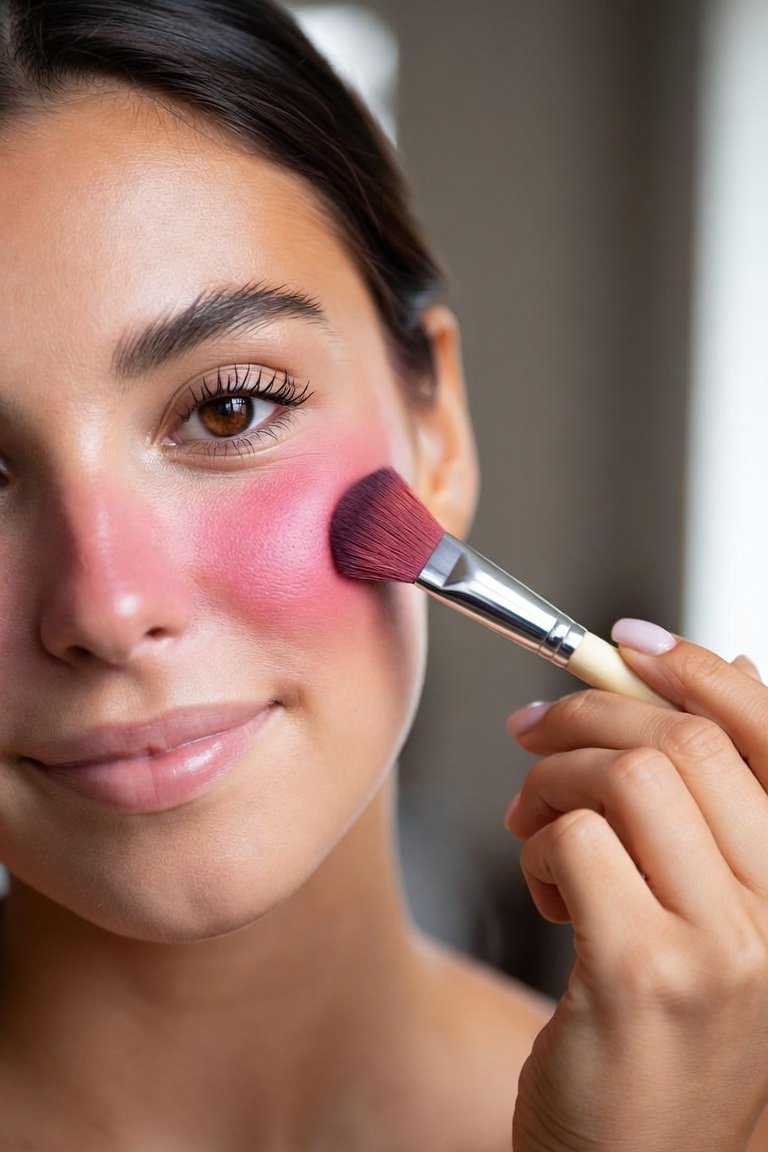
- Blush brush: Smaller, angled or rounded for precise color application.
Powder Brush Vs. Sponge
- Powder brush: Gives a light, blended finish.
- Sponge: Can press powder tightly for baking but may look heavy.
When To Use Which
- Use a loose powder brush for setting or finishing powders.
- Use other brushes for contour, blush, or foundation.
Popular Brands And Models
Many brands offer high-quality loose powder brushes. Some are affordable, others are luxury. Here are a few top choices:
1. Real Techniques Powder Brush
- Synthetic bristles
- Affordable, durable
- Widely available
2. Mac 150 Large Powder Brush
- Natural hair
- Professional quality
- Higher price
3. Sigma F30 Large Powder Brush
- Synthetic fibers
- Soft, sturdy handle
- Mid-range price
4. Ecotools Full Powder Brush
- Eco-friendly materials
- Good for sensitive skin
- Budget option
5. Bobbi Brown Powder Brush
- Natural hair
- Elegant design
- Luxury pricing
6. Morphe M527 Deluxe Powder Brush
- Synthetic and natural mix
- Large, fluffy head
- Affordable
7. Sephora Collection Pro Powder Brush 50
- Synthetic
- Sleek handle
- Professional performance
For more details on specific brands, Sephora provides a wide selection and detailed reviews.
Latest Trends And Innovations
Loose powder brushes are not static. New designs and materials come out every year.
Vegan And Cruelty-free Brushes
Many brands now offer vegan bristles that mimic natural hair softness. These are ideal for users with sensitive skin or ethical concerns.
Smart Brush Handles
Some brushes have ergonomic handles with non-slip grip. This helps prevent hand fatigue and allows more precise application.
Retractable And Travel Brushes
With busy lifestyles, portable brushes are in high demand. Retractable designs keep bristles clean and safe in bags.
Antibacterial Coatings
A few brands now add antibacterial treatments to bristles. This helps keep the brush cleaner longer and reduces skin irritation.
Customizable Brush Heads
Some companies offer brushes with interchangeable heads. This lets you switch between fluffy, flat, or tapered shapes depending on your needs.
Common Loose Powder Brush Problems And Solutions
Even with the best brush, you might face issues. Here’s how to fix them:
Shedding Bristles
- Cause: Poor construction or cleaning with hot water.
- Solution: Choose quality brushes, clean gently, avoid rough handling.
Cakey Finish
- Cause: Using too much powder or not tapping off excess.
- Solution: Tap brush after loading, apply in light layers.
Patchy Application
- Cause: Dirty brush or uneven bristles.
- Solution: Clean regularly, check for damaged bristles.
Irritation Or Allergies
- Cause: Natural hair bristles or harsh detergents.
- Solution: Use synthetic brushes and mild cleaners.
Short Brush Lifespan
- Cause: Improper storage, frequent washing, or cheap build.
- Solution: Store upright, use brush guards, invest in well-made tools.
Loose Powder Brush Myths
There are many misconceptions about loose powder brushes. Let’s clear up some common ones:
Myth 1: Only Expensive Brushes Are Good
Truth: Some affordable brushes use high-quality synthetic fibers and perform as well as luxury brands.
Myth 2: Natural Hair Is Always Better
Truth: Synthetic bristles can be just as soft and are hypoallergenic. They also last longer.
Myth 3: You Must Use A Powder Brush For All Powder Products
Truth: For blush or contour, specialized brushes give better results.
Myth 4: Cleaning Brushes Damages Them
Truth: Proper cleaning actually extends brush life and improves performance.
Myth 5: Bigger Brushes Always Give Better Coverage
Truth: For small areas or detailed work, a smaller tapered brush is more effective.
Loose Powder Brush For Different Skin Types
Not all brushes perform the same on every skin type. Here’s how to match brush and skin:
Oily Skin
- Use a dense, fluffy brush to apply matte powders.
- Focus on the T-zone.
- Synthetic bristles are easier to clean, reducing oil buildup.
Dry Skin
- Choose soft, loose bristles to avoid disturbing dry patches.
- Use minimal powder and blend gently.
- Avoid pressing powder too tightly.
Sensitive Skin
- Stick to hypoallergenic synthetic brushes.
- Clean regularly to avoid irritation.
- Avoid rough, scratchy bristles.
Combination Skin
- Use a fluffy brush for general application, then switch to a tapered brush for oily areas.
Loose Powder Brush For Different Makeup Looks
The right brush can help achieve various makeup styles:
Natural Look
- Use a duo fiber brush for a light, sheer layer of powder.
- Avoid dense brushes that overload the skin.
Matte Finish
- Use a classic fluffy brush with a matte powder.
- Apply extra powder on oily zones.
Glamorous Look
- Use a dense kabuki brush to buff powder for a flawless, airbrushed finish.
- Layer powder for extra coverage.
Dewy Look
- Use a soft, loose brush only on oily spots.
- Avoid powder on cheeks and forehead for a natural glow.
Step-by-step Guide: Loose Powder Brush For Beginners
Many beginners feel unsure about using a loose powder brush. Follow these steps:
- Start with clean skin and foundation.
- Choose a fluffy, soft brush.
- Dip brush lightly into powder.
- Tap off excess.
- Apply powder in sweeping motions, starting from the center and moving outward.
- Focus more powder on the nose, forehead, and chin.
- Blend edges to avoid visible lines.
- Use a smaller brush for under-eye setting if needed.
Beginner Mistakes To Avoid
- Using dirty brushes, which leads to uneven application.
- Pressing powder too hard, making skin look dry.
- Skipping the tapping step, causing cakiness.
Loose Powder Brush For Professional Makeup Artists
For pros, the loose powder brush is a must-have. Here’s how professionals use it:
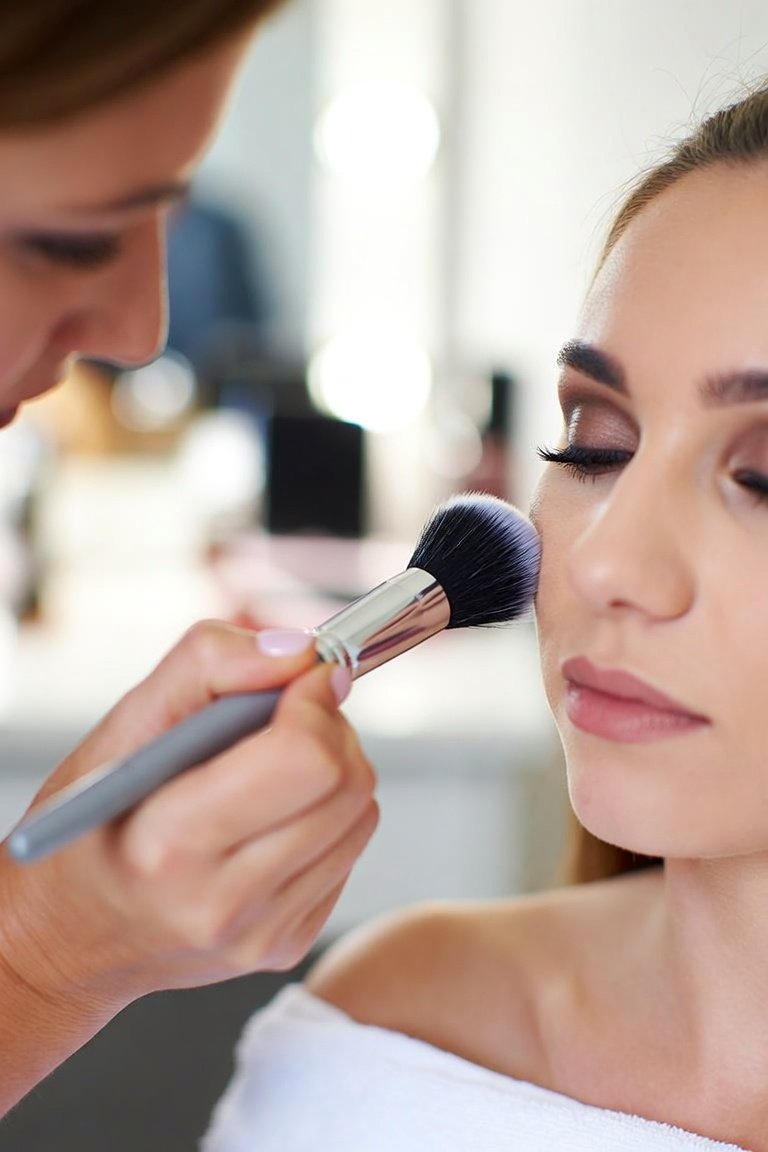
- Select brushes based on client skin type.
- Use multiple brushes for different powders (translucent, colored, shimmer).
- Clean brushes between clients to maintain hygiene.
- Choose brushes with sturdy handles and soft, durable bristles.
Pro Tip
Many makeup artists carry both synthetic and natural brushes. They use natural for blending and synthetic for detailed work or clients with allergies.
Environmental Impact And Sustainability
Brush manufacturing can affect the environment. Many brands now focus on sustainability.
Eco-friendly Materials
- Bamboo handles
- Recycled plastic
- Vegan bristles
Green Packaging
- Minimal, recyclable packaging
- Biodegradable brush guards
Supporting Sustainable Brands
Look for certifications like cruelty-free or vegan. Brands such as EcoTools and Real Techniques offer eco-friendly options.
Cost Vs. Value: Is A Loose Powder Brush Worth The Investment?
It’s tempting to buy a cheap brush, but quality matters. A good brush:
- Lasts longer
- Applies powder more evenly
- Feels comfortable on the skin
Data shows that users who invest in quality brushes replace them less often and see fewer makeup problems.
Value Tips
- Check reviews before buying.
- Test bristles for softness.
- Compare price to performance, not just brand name.
Frequently Asked Questions
What Is The Best Loose Powder Brush For Sensitive Skin?
The best option is a synthetic bristle brush because it is hypoallergenic and gentle. Brands like Real Techniques and EcoTools are popular for sensitive skin.
How Often Should I Clean My Loose Powder Brush?
Clean your brush once a week if you use it daily. Regular cleaning removes product buildup and prevents skin irritation.
Can I Use A Loose Powder Brush For Pressed Powder?
Yes, but a loose powder brush works best with loose powders. For pressed powder, a slightly smaller and denser brush may give better results.
Why Is My Powder Looking Cakey After Using The Brush?
This usually happens when you use too much powder or skip tapping off excess. Apply powder in light layers and blend well.
Are Expensive Loose Powder Brushes Better Than Cheap Ones?
Not always. Some affordable brushes use high-quality synthetic fibers and perform as well as luxury brushes. Focus on softness, durability, and reviews, not just price.
A loose powder brush may seem simple, but it is a powerful tool in your makeup routine. Knowing how to choose, use, and care for it helps you achieve a flawless finish every time. Whether you want a natural look or full glam, the right brush makes all the difference.
Explore different types, match your brush to your skin and makeup style, and keep it clean for best results. With the tips and insights in this article, you are ready to upgrade your makeup game and enjoy smoother, more beautiful skin.