

Washcloth vs Hands for Washing Your Face: Which Is Gentler?
You work cleanser into your skin with your hands, then grab a damp cloth to “finish the job.” Which of those two steps is more likely to leave your face tight and pink? The washcloth vs hands question sounds minor, but the answer changes how your skin feels an hour after you wash.
Quick answer: for most people, clean fingertips are the better default. The American Academy of Dermatology tells people to apply cleanser with their fingertips and warns that washcloths and other tools can irritate skin. A soft, clean cloth still has a place. Use it to lift off a balm or to pat your skin dry, never to scrub, and start with a fresh one each time.
The reason comes down to friction. Cleanser does the cleaning because it loosens oil and grime so water can carry them off. Extra rubbing adds irritation without adding much cleaning power. Cleveland Clinic’s dermatology advice agrees: use your fingers, because a washcloth, loofah or scrubbing brush can be harsh on skin. Hygiene matters too, since a cloth that stays damp in a warm bathroom is a poor thing to press on your face twice a day. Skin is also more reactive on some days than others.
Below you will find a 30-second check, based on how your skin feels today, to choose between the two, a side-by-side comparison, a gentle routine, cloth care habits, and advice for acne-prone, dry and sensitive skin.
Recommended Washcloths for Washing Your Face
Every pick here is a soft face cloth or washcloth set, in cotton, muslin or microfiber. Check the fabric against the comparison table below, and keep a spare so you can use a clean one each time. See how we test and choose products for the rules behind every pick.


Key Takeaways
- Fingertips are the default recommended by dermatologists, because rubbing with a cloth adds friction that cleanser does not need.
- A soft cloth works best as a gentle wiping or drying tool, not as a scrubber.
- Lukewarm water, a mild cleanser and a pat-dry finish matter more than which tool touches your skin.
- Acne-prone, dry and sensitive skin usually do best with hands only, or a cloth used with almost no pressure.
- A damp cloth is a poor thing to reuse, so use a clean one each time and let it dry fully.
- Cotton, muslin and microfiber feel different, and the softest one is the one your skin tolerates.
- Persistent redness, burning or breakouts are a reason to see a dermatologist, not to switch cloths again.
Washcloth vs Hands: The Short Verdict
Start with your hands. The American Academy of Dermatology’s face-washing guidance says to wet your face with lukewarm water, apply a gentle cleanser with your fingertips, rinse, and pat dry with a soft towel. The same page says washcloths, mesh sponges and other tools can irritate skin.
That does not make cloths forbidden. It means they are optional, and they carry more risk than fingers. Your fingertips are warm, flexible and sensitive, so they stop pressing when something feels too hard. A cloth does not give you that feedback, so it is easier to rub too long or too firmly without noticing.
So the practical rule is simple. Use hands for washing. Bring in a cloth only if you have a reason, and then keep the pressure close to zero. If you are unsure, try hands only for two weeks and see how your skin feels, then add a cloth back and compare.
Washcloth vs Hands: The 30-Second Check
Answer these five questions about how your skin feels right now. They tell you which method to use at this moment, and the answers change from week to week.
- Is your skin red, stinging or flaking today? Yes (A) or no (B)?
- Do you have active breakouts or tender pimples? Yes (A) or no (B)?
- Are you removing a balm, oil or heavy sunscreen? Yes (C) or no (B)?
- Do you have a fresh, dry cloth ready? Yes (B) or no (A)?
- Does a cloth ever leave your face tight or pink? Yes (A) or no (B)?
Mostly A: use hands only, and pat dry with a clean towel. Skip the cloth until your skin settles.
Mostly B: hands are still the simplest choice, and a soft cloth is fine for a light wipe or for drying.
Any C: a soft, damp cloth can help lift a balm or oil, using almost no pressure, followed by a normal rinse.
Washcloth vs Hands Side by Side
Here is how the two stack up on the things that matter day to day.
| Factor | Fingertips | Washcloth |
|---|---|---|
| Friction on skin | Low, and you feel it immediately | Higher, and easy to overdo |
| Hygiene upkeep | Wash your hands first and you are done | Needs a clean cloth each time and full drying |
| Removing balm or oil | Works, but can leave residue if you rinse too little | Can help lift residue when used gently |
| Reach around nose and hairline | Good | Fair; fabric can drag in corners |
| Travel and convenience | Nothing to carry | One more item to pack, wash and dry |
| Best for acne-prone or sensitive skin | Yes, this is the usual advice | Only with very light pressure, or not at all |
Why Friction Decides the Washcloth vs Hands Question
Cleanser works chemically. Surfactants in the formula grab oil and loosen dirt, then water rinses them away. Pressure is not part of that process, so rubbing harder does not clean better. It only stresses the skin barrier, the thin outer layer that keeps moisture in and irritants out.
Cleveland Clinic’s guide to washing your face adds two details that fit this picture. Lukewarm water is best for most people, because hot water can strip the barrier and worsen dryness. And you should pat your face dry with a clean cotton towel, since rubbing disrupts the barrier as well.
Notice what both points share. They are about reducing mechanical and heat stress, not about adding tools. A cloth is neither good nor bad on its own. What it does depends on how hard you press and how long you keep going.
A Gentle Face-Washing Routine, Step by Step
This routine works for hands alone, and it shows exactly where a cloth can slot in if you want one.
- Wash your hands first. Clean fingertips matter because they are the only tool touching your face.
- Wet your face with lukewarm water. Hot water feels satisfying, but it can dry the skin and leave it tight.
- Apply a mild cleanser with your fingertips. Use small, light circles. Foaming cleansers need a short massage until they lather, and medicated cleansers usually need to sit for a minute or two as directed.
- Skip the scrub. Keep your touch light, because pressure adds irritation, not cleaning power.
- Rinse until the residue is gone. Splash with lukewarm water or use a soft, damp cloth with no pressure if you prefer.
- Pat dry. Press a clean, soft towel against your skin instead of dragging it across.
- Moisturize if your skin feels dry. Do it while your skin is still slightly damp.
When a Washcloth Earns Its Place
A cloth is useful for a few jobs where fingers fall short. It can help when you are taking off a cleansing balm, a heavy sunscreen or a long-wear base that leaves a film. A warm, damp cloth pressed gently over the skin and then lifted off will pick up some of that residue, which makes rinsing easier.
Another good use is a gentle rinse-off after a medicated or thick cleanser, when you want every trace gone. A soft cloth dampened with lukewarm water, pressed flat and lifted, helps you see whether residue is left, and that matters because leftover product can itself bother skin.
It can also be easier on the hands if fine finger movements are difficult for you. In that case, a soft cloth held in the palm may be more comfortable than hands alone.
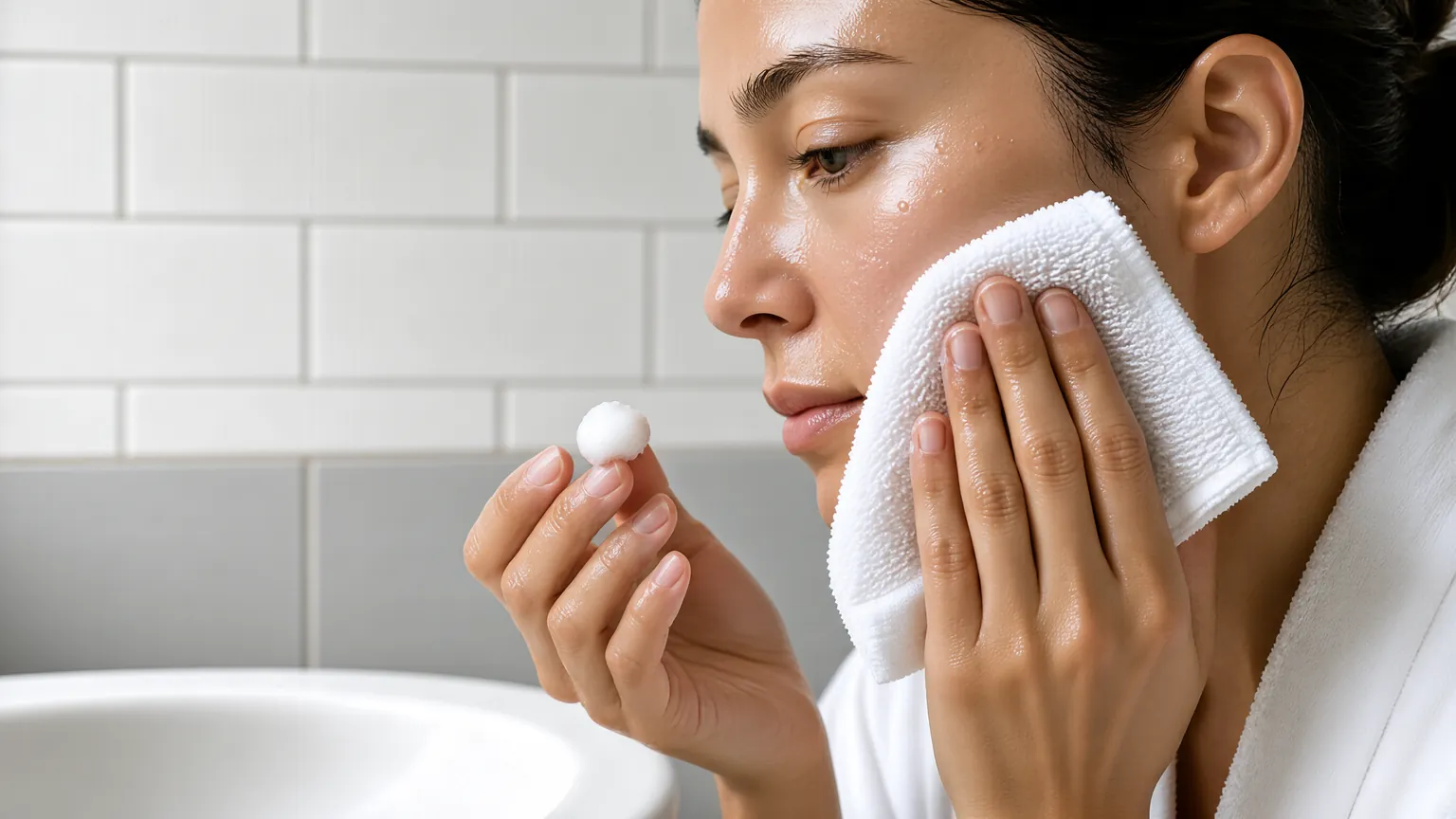
- Use a fresh, soft cloth each time
- Press flat and lift, with almost no pressure
- Use lukewarm water on the cloth
- Rinse and wring the cloth after use
- Hang it to dry fully between uses
- Stop if skin turns pink or stings
- Scrub in hard circles or back-and-forth strokes
- Reuse a damp cloth from yesterday
- Use rough terry or a loofah on your face
- Wipe across active breakouts
- Rub your face dry with the same cloth
- Add a cloth to a routine that already stings
Choosing a Cloth: Cotton, Muslin or Microfiber
If you decide a cloth belongs in your routine, the fabric decides how forgiving it is. These materials behave differently, so match them to your skin.
| Fabric | Feel | Good for | Watch out for |
|---|---|---|---|
| Cotton terry | Soft but looped, absorbent | Drying and general wiping | Loops can feel rough on reactive skin |
| Muslin | Light, loosely woven, gets softer with washing | Lifting balms and gentle removal | Dries slowly if folded while damp |
| Microfiber | Very fine fibers, grabs residue | Makeup and sunscreen removal | Can feel slick; keep pressure low |
| Bamboo-based cloth | Smooth and soft | Sensitive-feeling skin | Same hygiene rules as any cloth |
Our guides to muslin cleansing cloths, bamboo facial cloths and microfiber makeup remover cloths go deeper into each fabric.
Keeping a Cloth Clean
A wet cloth hangs in a warm, humid room. That is a good setting for odor and microbes to build, so a cloth needs more care than a hand does. Cleveland Clinic’s guide specifically warns against using a dirty towel, or one that has sat on a rack for two weeks.
- One use, one cloth. Drop it in the laundry after each wash instead of rehanging it.
- Dry it fully. If it is still damp, it is not ready for your face.
- Launder with a mild, fragrance-free detergent. Residue from strong scents can irritate your skin.
- Keep face cloths separate. Do not use the one for your face on your body or hands.
- Retire worn cloths. Pilled, stiff or thin cloths feel rough, so replace them.
Buying a multi-pack makes this easy, because you always have a clean cloth ready without doing laundry daily. Also, give each cloth a quick sniff before use. A sour or musty smell means it stayed damp too long, so wash it again before it touches your face.
Washcloth vs Hands by Skin Type
The right answer depends on what your skin is doing. These are starting points, not rules.
- Acne-prone skin: the AAD advises washing gently up to twice daily and after sweating, with fingertips, and says scrubbing with washcloths, sponges and other tools can irritate skin. Hands win here.
- Dry or eczema-prone skin: keep water lukewarm, wash with hands, and pat dry. A cloth can easily strip what little moisture is left.
- Sensitive or rosacea-prone skin: hands only, with a mild cleanser, and no tools until a dermatologist says otherwise.
- Oily skin: hands are enough. Oily skin is not tougher skin, and over-scrubbing can leave it irritated and still oily.
- Normal skin: hands first. A soft cloth is a comfort choice, not a necessity.
Washcloth vs Hands Myths, Checked
A few ideas show up again and again. Here is what holds up and what does not.
- “Hands cannot get skin really clean.” Cleanser does the cleaning, and fingertips spread it well enough. Rinsing thoroughly matters more than the tool.
- “A cloth exfoliates, so it is better.” A cloth can slough the surface a little, but that is also exactly how it irritates. Exfoliating is a separate decision from washing.
- “Hot water and a cloth open pores.” Pores are not doors. Heat mainly dries and irritates skin.
- “Rough means clean.” Roughness removes moisture along with grime, which can leave skin tight and reactive.
- “Hands are dirty.” They are, until you wash them. Wash your hands first and the problem is solved.
Honest Limits
Most dermatology advice comes from expert guidance and clinical experience, and there are few head-to-head trials comparing hands to cloths for healthy skin. The AAD and Cleveland Clinic both lean toward fingertips, but individual skin differs. Some people tolerate a soft cloth well.
The advice here also cannot account for your specific skin condition. A cloth that irritates one person may be fine for another, so watch how your skin reacts over a week or two and adjust.
When to See a Professional
Book an appointment with a dermatologist if any of these apply:
- Your skin stays red, itchy or flaky despite a gentle routine
- Breakouts are painful, deep or leave marks
- You get burning or stinging with every product you try
- You suspect eczema, rosacea or contact dermatitis
- Skin changes appear suddenly, or a spot grows, bleeds or does not heal
Swapping tools rarely fixes these problems, and a clinician can check what is going on.
- Washing a muslin cloth: how often and when to replace it.
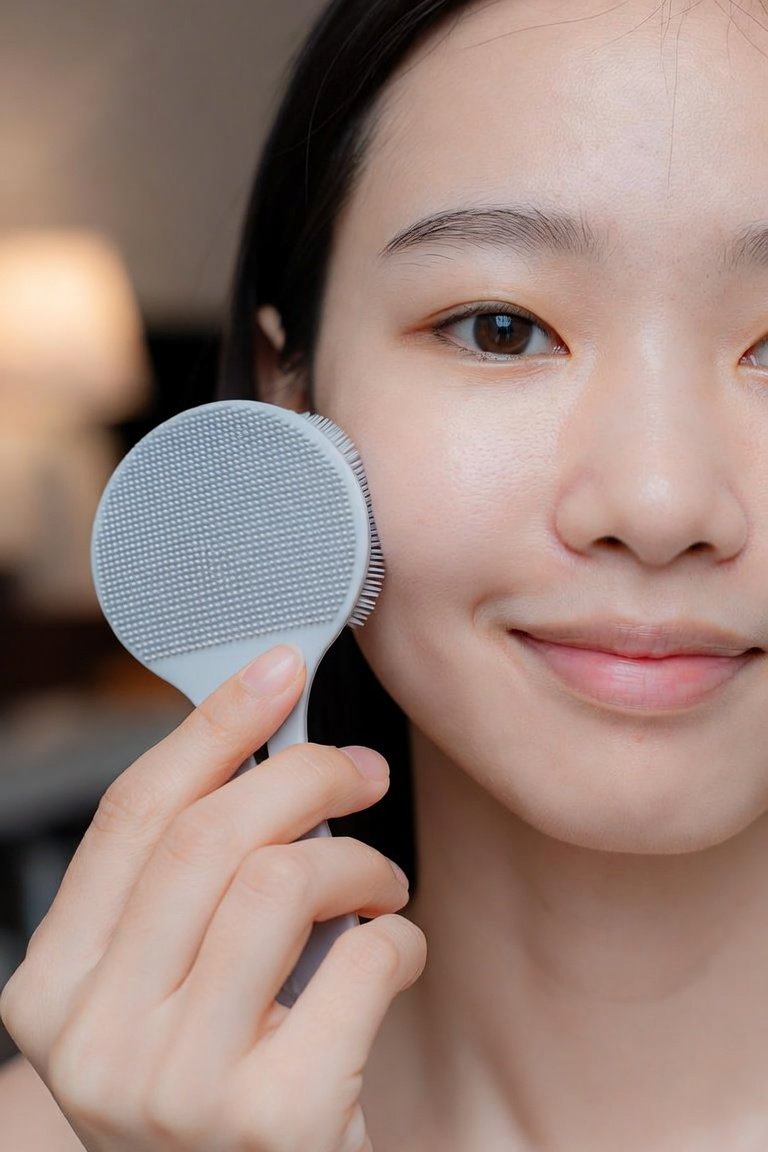
- Are cleansing brushes bad for skin: who should avoid them.
Frequently Asked Questions
Washcloth vs hands: which is better for washing your face?
Hands are the usual recommendation, because dermatologists say washcloths can irritate skin. A soft cloth is fine for gentle removal or drying if used with very light pressure.
Is a washcloth vs hands choice different for acne?
Yes. The AAD says to wash acne-prone skin gently with your fingertips and notes that scrubbing with washcloths and sponges can irritate. Hands are the safer choice.
Can I use a washcloth every day?
You can, if your skin tolerates it and the cloth is clean and soft each time. Many people do fine using hands daily and a cloth only to remove balm.
How often should I wash my washcloth?
After every use, because it stays damp and warm. A clean, fully dry cloth each time is the simple rule.
Washcloth vs hands: which exfoliates better?
It can slough the surface, but that also raises the risk of irritation. If you want exfoliation, treat it as its own step with a gentle product.
What water temperature is best?
Lukewarm is best for most people. Cleveland Clinic notes that hot water can strip the skin barrier and worsen dryness.
Is microfiber or cotton gentler?
It depends on your skin. Muslin and smooth microfiber often feel gentler than looped terry, but pressure matters more than fabric.
Should I dry my face with the same cloth?
Use a separate clean towel for drying and pat instead of rubbing. A damp washing cloth is not the best tool for it.
Is it fine to wash my face in the shower?
You can, as long as the water stays lukewarm. Hot shower water can strip the skin barrier, so turn it down for your face or wash at the sink.
Do disposable face towels count as a washcloth?
They avoid the reuse problem, because each one is used once. They still add friction if you rub, so the same light touch applies.
The Bottom Line
For washing, hands are the gentler and simpler default, and that is what dermatologists recommend. A soft cloth is a fine extra for lifting balm or patting dry, as long as it is clean and your touch is light.
Keep the water lukewarm, use a mild cleanser, rinse well and pat dry. If your skin stays irritated, ask a dermatologist rather than testing another fabric.



2 Comments