

Shaving vs Laser Hair Removal: Which Lasts Longer?
If you are tired of daily stubble, the shaving vs laser hair removal question comes down to one trade-off: speed now or smoothness later. A razor works the same day and needs no appointments. Laser hair removal takes a series of sessions, but its results last far longer.
Quick answer: laser hair removal lasts longer than shaving. The American Academy of Dermatology (AAD) says shaving results are short-lived, so many people shave daily or every few days. Laser hair removal needs several sessions, and regrowth is usually thinner and finer, but it works best on dark hair and is not a fit for everyone. Many people use both: a razor now, and a dermatologist-guided plan for later.
The Cleveland Clinic gives a useful reality check. It says most people need about six to eight laser treatments, spaced six to eight weeks apart. It also calls the results “not permanent” while noting they last longer than shaving or waxing. The AAD is more optimistic and says hair removal can be permanent after six or more treatments, so the honest summary is long-lasting, not guaranteed.

The reason is simple. A razor cuts hair at the skin surface and leaves the follicle untouched, so hair returns within days. Laser heat targets the pigment in the hair and damages the follicle that grows it. However, that only works on hair in its growth phase, which is why one session is never enough.
Below you will find a side-by-side comparison, a quick self-check, the safe way to start, and honest limits for each method.
Recommended Razors and At-Home Devices for Shaving vs Laser Hair Removal
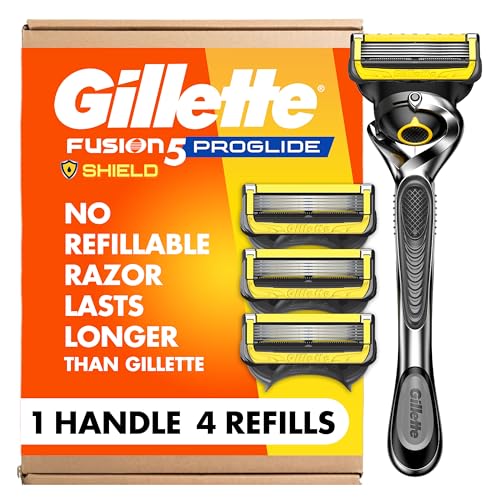
Because this guide compares both methods, the picks cover each one: four at-home IPL devices and three razors. At-home devices use pulsed light, which is related to laser but not identical, so read the laser vs IPL section before you buy. See how we test and choose products for the rules behind every pick.






Key Takeaways
- Shaving removes hair at the surface, so results last only a day or a few days, according to the AAD.
- Laser hair removal damages the follicle, so regrowth takes months or longer and is usually thinner and lighter.
- Sources disagree on the word “permanent”: the AAD says it can be, while the Cleveland Clinic says it is not.
- Laser works best on dark, thick hair and does not work well on blonde, gray, white or red hair.
- At-home IPL devices are not the same as clinic lasers, and the AAD advises seeing a dermatologist before using one.
- You still shave between laser sessions, because the hair needs to be short for treatment.
- Burns, dark spots and infection are rare when an experienced provider treats you, but real, so choose the operator carefully.

Shaving vs Laser Hair Removal: How Each One Works
A razor slices the hair off at the skin. The follicle below stays healthy, so a new hair keeps growing and shows up as stubble within a day or two. That is why shaving feels like a chore you repeat.
Laser works on a different principle. The Cleveland Clinic explains that laser heat targets pigment, so dark hair absorbs the most heat. The heat travels to the follicle and destroys it. Only follicles in the active growth phase respond, which means you need several sessions to catch each hair at the right time.
This difference in mechanism explains almost every other difference between the two. A razor is fast but temporary. Laser is slow to start but can reduce growth for much longer. Neither is perfect, so the right choice depends on your hair, your skin and your patience.
Shaving vs Laser Hair Removal Side by Side
The table below puts the main points in one place. The shaving and laser details come from the AAD and the Cleveland Clinic pages linked at the end of this guide.
| Factor | Shaving | Laser hair removal |
|---|---|---|
| What it does | Cuts hair at the skin surface | Heats the hair follicle to disable it |
| How long it lasts | Days; the AAD says daily or every few days | Months to years; regrowth is usually thinner and lighter |
| Sessions needed | None; repeat as needed | About 6 to 8, spaced 6 to 8 weeks apart (Cleveland Clinic) |
| Best hair and skin | Any | Dark, thick hair; the AAD says it will not work on blonde, white, gray or red hair |
| Main risks | Cuts, razor burn, ingrown hairs | Burns, blisters, dark or light spots, infection, scars |
| Downtime | None | None, but sun protection is needed afterward |
| Who should check first | People with very sensitive skin or acne | Anyone with certain medications, skin conditions, or a tan |
As the table shows, laser wins on how long it lasts, while shaving wins on convenience and suitability. Therefore the real question is not which one is better, but which one fits your hair and your situation.
A Two-Minute Self-Check: Which Method Fits You?
Read each question and note your answers. They will tell you whether laser is worth exploring or whether you should refine your shaving routine.
- Is your hair dark and thick? If yes, laser has a better chance of working. If it is blonde, gray, white or red, the AAD says it will not.
- Do you get razor burn or ingrown hairs often? If yes, the AAD notes that people with constant razor burn or ingrown hairs may benefit from laser.
- Do you have a tan or tan easily? If yes, wait. The AAD says a tan must fade completely before treatment.
- Are you pregnant or taking acne medication? If yes, talk to a healthcare provider first, as the Cleveland Clinic advises.
- Do you have time for several visits? If not, shaving is the simpler path for now.
- Are you hoping for a one-session fix? If yes, adjust your expectations. A single session reduces growth but does not finish the job.
Mostly yes on the first two: ask a dermatologist about laser. Yes on the third or fourth: pause and get advice. Yes on the last two: keep shaving well and revisit laser later.
How Long Each Method Really Lasts
Shaving results last a day or two for most people, and the AAD describes them as short-lived. Laser is harder to pin down, because the evidence is described in different ways.
The Cleveland Clinic says most people see a 10% to 25% reduction in hair growth after the first treatment. After the full course, regrowth may not occur for months or years. It also says the procedure is not permanent, though any regrowth is usually lighter and thinner.
The AAD says that after about six treatments, removal can be permanent, except on a woman’s face. It also says hair grows back thinner and finer after each treatment. These two statements do not fully match, so treat “permanent” as a best case, and plan for occasional touch-ups.

Laser vs IPL: What People Confuse
Most at-home devices sold online use intense pulsed light, or IPL, even when the listing says “laser.” Braun’s own comparison page, which is promotional, explains that IPL uses a pulsed light source while laser uses a single-wavelength, focused beam. Both aim to heat the hair follicle by targeting pigment.
The same page says IPL usually takes longer than laser and works best on light to medium skin with dark hair. It also says IPL is not recommended for light hair, because the contrast is too low. Because the page comes from a company that sells IPL devices, check its claims against independent sources.
The AAD says at-home devices are not for everyone and need longer use and periodic maintenance. It advises seeing a dermatologist before using one. The Cleveland Clinic adds that without professional supervision, the risk of misuse or injury rises, so it recommends extreme caution and protective eyewear.
Shaving Well While You Wait for Laser Results
Even if you plan to try laser, you will keep shaving for a while. The Cleveland Clinic says to shave the area two to three days before a professional treatment, because hair longer than a grain of rice will not respond. Good technique also protects your skin in the meantime.
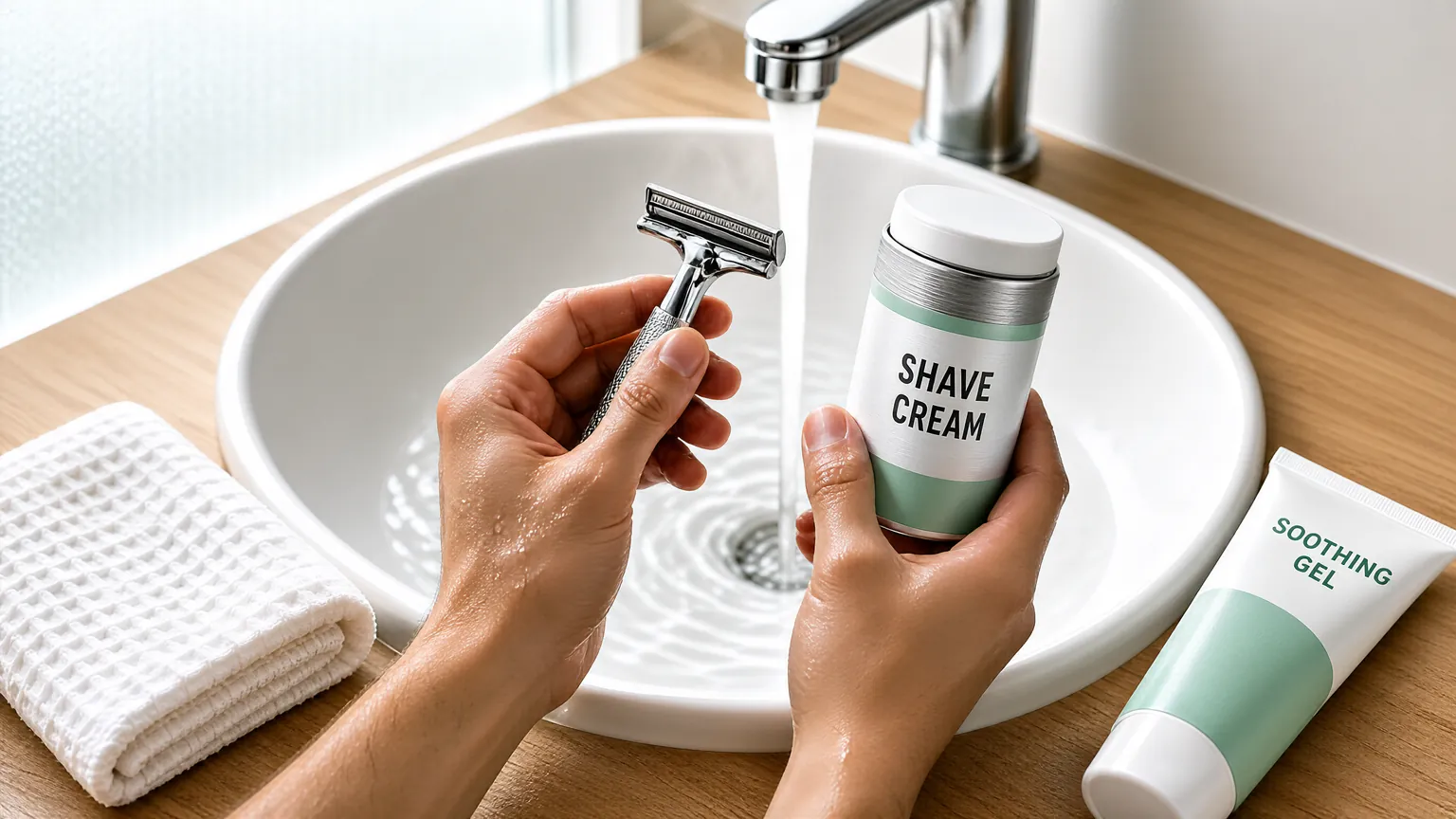
The AAD’s shaving advice is simple: wet the skin and hair first, use shaving cream or gel, and shave with the grain. Rinse the blade after each stroke, and replace a disposable razor after about 5 to 7 shaves. Let the razor dry fully between uses.
If razor bumps are your main problem, our guide to the electric shavers for sensitive skin covers an option the AAD also suggests trying. The AAD says men with facial acne can test electric and disposable razors to see which causes less irritation.
How to Choose Between Shaving and Laser, Step by Step
This sequence keeps the decision low-risk. It follows the AAD and Cleveland Clinic guidance and does not assume you will start laser tomorrow.
- Check your hair and skin match. Laser works best on dark, thick hair, so note your hair color before spending anything.
- Talk to a board-certified dermatologist. The AAD says a dermatologist can assess whether you are a good candidate, and suggests seeing one before using an at-home laser.
- Review your medications and conditions. The Cleveland Clinic lists pregnancy, some acne treatments, frequent cold sores, keloid scars and skin cancer history as reasons to talk to a provider first.
- Avoid sun and tanning. The AAD says a tan must fade before treatment, and treated skin must stay out of the sun while it heals.
- Shave before treatment. Shave two to three days ahead for a professional session, or as your device’s instructions direct.
- Follow the full schedule. Expect several sessions, and do not skip them, since follicles only respond in their growth phase.
- Skip waxing and plucking. The Cleveland Clinic advises avoiding them in treated areas once treatment starts, because the follicle needs the hair in place.
- Track regrowth for months. Keep a simple note of how fast and how thick hair returns, then adjust with your provider.
Myths About Shaving and Laser Hair Removal
- Myth: shaving makes hair grow back thicker. A razor cuts the tip of the hair. Shaving does not change how the follicle grows, although blunt stubble can feel coarse.
- Myth: laser works on every hair color. The AAD says it will not work on blonde, white, gray or red hair.
- Myth: one session is enough. The Cleveland Clinic cites roughly 6 to 8 sessions for most people.
- Myth: at-home devices equal clinic lasers. They use different light sources and different safety margins, and the AAD advises seeing a dermatologist first.
- Myth: laser is always permanent. Sources disagree, and the Cleveland Clinic says it is not permanent.
Risks and Side Effects of Shaving vs Laser Hair Removal
Both methods carry risks, but they differ in kind. Shaving risks are small and frequent, while laser risks are less frequent and can be more serious.
| Method | Common effects | How to lower the risk |
|---|---|---|
| Shaving | Nicks, razor burn, ingrown hairs, irritation | Soften hair, use cream, shave with the grain, replace the blade |
| Clinic laser | Redness, swelling; rarely burns, blisters, infection, pigment changes | Choose an experienced provider, avoid sun, follow aftercare |
| At-home device | Skin irritation or burns from misuse | Follow instructions, use eye protection, see a dermatologist first |
For a closer look at what treatment feels like, see our guide on how painful laser sessions are. If you already have a session booked, exercising after treatment is worth reading first.
Do and Don’t for Shaving vs Laser Hair Removal
- Check hair color and skin match first
- Shave before treatment as directed
- Protect treated skin from sun
- Choose an experienced operator
- Replace razors every 5 to 7 shaves
- Treat a tan or sunburn
- Wax or pluck between sessions
- Expect one session to finish the job
- Skip eye protection with devices
- Shave over acne lesions
Honest Limits of This Comparison
This guide relies on the AAD and the Cleveland Clinic, and those two pages differ on whether results are permanent. Individual results also vary with hair color, skin tone, hormones and the device used. No source here can predict what will happen on your skin.
At-home IPL devices are the weakest part of the evidence here. The one manufacturer page we read is promotional, and the AAD only says at-home devices need longer use. Use the product list as a starting point, not as proof that any device works for you.
Finally, the picks are based on title match and Amazon listing data, not hands-on testing. Check each listing for skin and hair compatibility before you buy.
When to See a Professional
A board-certified dermatologist can tell you whether laser is a good option for your skin tone and hair color. See one before you start any at-home device, and book an appointment when:
- Constant razor burn or ingrown hairs do not improve
- Pregnancy, acne medication, keloid scars or skin cancer history applies to you
- You have dark skin and light hair and want laser
- A treated area blisters, burns or darkens
- You are unsure which device or method suits you
- Does hair grow back thicker: the regrowth myth for shaving and dermaplaning.
- IPL on dark skin: safety and the devices that handle it.
Frequently Asked Questions
Shaving vs laser hair removal: which lasts longer?
Laser lasts longer. Shaving results last days, while laser can keep hair away for months or years, though regrowth can still happen.
Shaving vs laser hair removal: which is safer for sensitive skin?
Shaving is simpler and lower risk when done well. Laser is usually safe with an experienced provider, but people with sensitive skin should get advice first.
Shaving vs laser hair removal for dark hair: does it matter?
Yes. Dark, thick hair responds best to laser, because the heat targets pigment. Light hair responds poorly.
Shaving vs laser hair removal: does hair grow back thicker?
No. Shaving does not change the follicle, and laser usually leaves regrowth thinner and lighter.
Shaving vs laser hair removal: which hurts more?
Shaving rarely hurts, though razor burn can sting. Laser discomfort varies by person and area, so see our guide on laser pain for details.
Do I need to shave before laser hair removal?
Often yes. The Cleveland Clinic says to shave two to three days before treatment, because hair longer than a grain of rice will not respond.
How many laser sessions will I need?
Most people need about six to eight, spaced six to eight weeks apart, according to the Cleveland Clinic.
Is laser hair removal permanent?
Sources differ. The AAD says it can be permanent after several treatments, while the Cleveland Clinic says it is not permanent but lasts longer than shaving.
Are at-home IPL devices as good as clinic laser?
Not necessarily. They use a different light source, and the AAD says they need longer use and maintenance. See a dermatologist before using one.
Can I keep shaving between laser sessions?
Yes. Shaving is fine between sessions, while waxing and plucking are not, because they remove the hair root.
The Bottom Line on Shaving vs Laser Hair Removal
Laser lasts longer, shaving is easier to start, and neither suits everyone. If your hair is dark and razor burn keeps coming back, laser is worth a conversation with a dermatologist. If your hair is light or you want something simple, a good shaving routine is a sound choice.
Whichever you choose, rely on trusted sources and go slowly. Read the AAD pages on ways to remove unwanted hair and how to shave, and the Cleveland Clinic’s laser hair removal overview.