
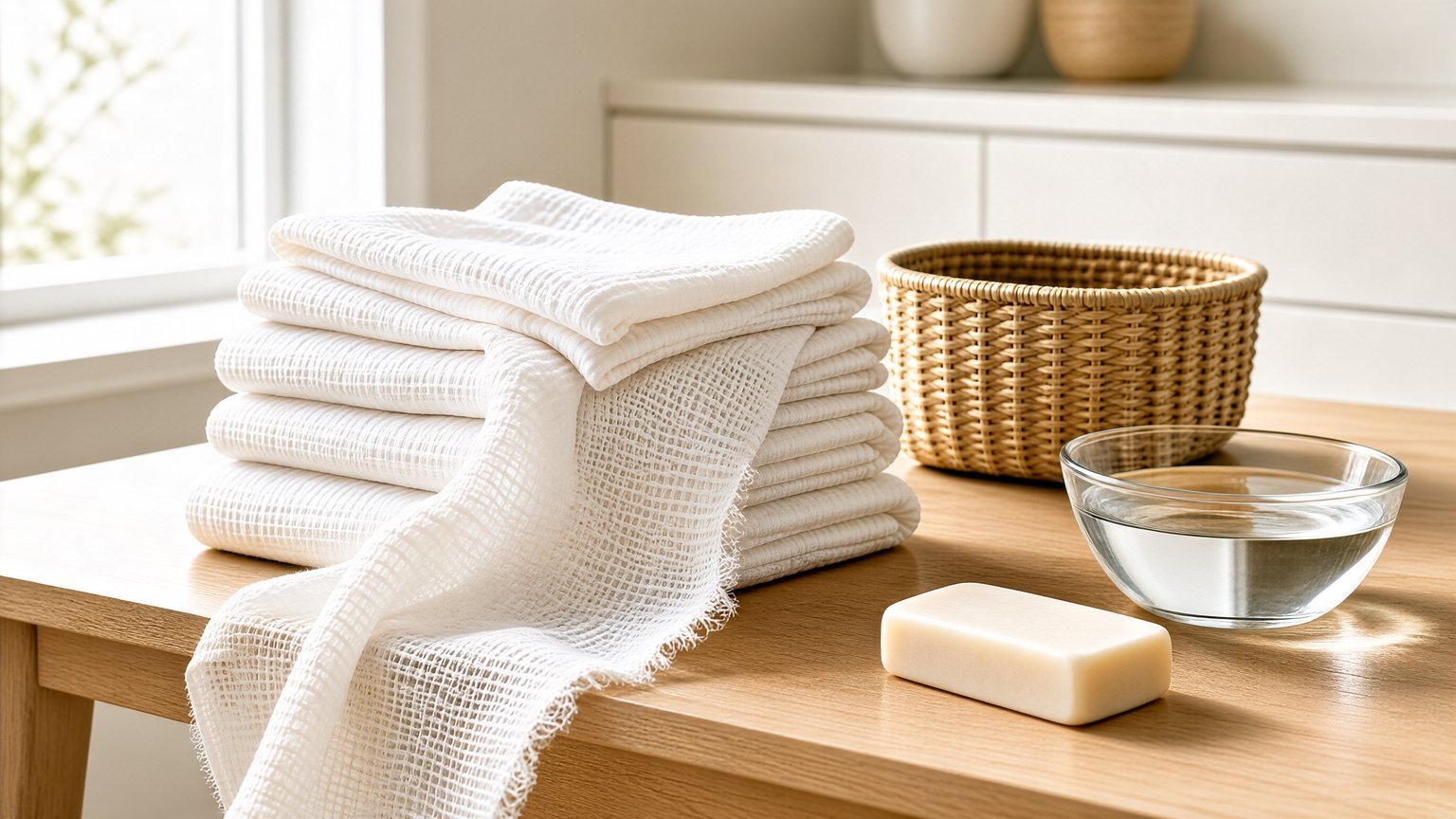
How to Wash a Muslin Cloth: Routine, Frequency and When to Replace It
How many times can you use the same damp cloth on your face before it stops helping? For a muslin cloth, the honest answer is not many, so you need to wash a muslin cloth far more often than a bath towel. The weave that makes it a good cleansing tool also holds water, oil and makeup, so it needs frequent washing.
Quick answer: wash a muslin cloth after every use if your skin is acne-prone, and at least every other day otherwise, with a rinse in hot water between washes. In the machine, use 40 degrees Celsius with other whites and a gentle detergent, and skip fabric softener. Dry it fully, and swap it for a fresh cloth when it turns grey, stiff or smelly.
Those timings come from skincare brand Pai, which also suggests a hot soak with white wine vinegar and bicarbonate of soda. Softener matters because it coats cotton fibres, so the cloth absorbs less and rinses worse. Replacement timing is the part no source pins down, so this guide gives you signs to look for instead.
It also helps to think of the cloth as a consumable rather than a keepsake. Fresh cloths are light, quick to dry and easy to rotate, so a small stack beats one favorite cloth that never gets a break. That mindset makes frequent washing feel normal instead of like extra work.
Below you will find a routine picker, step-by-step washing methods, a comparison of machine and hand washing, drying tips, and clear signs it is time for a new cloth.
Recommended Muslin Cloths for Facial Cleansing
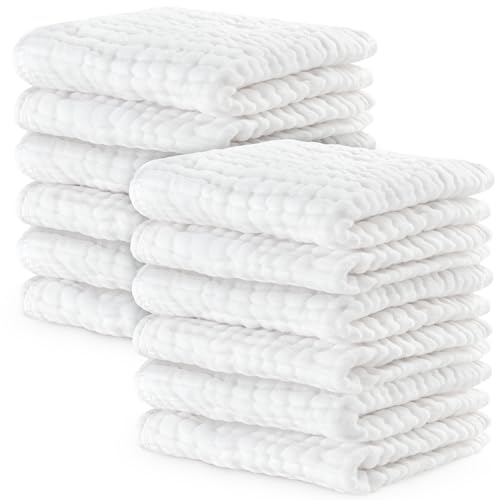
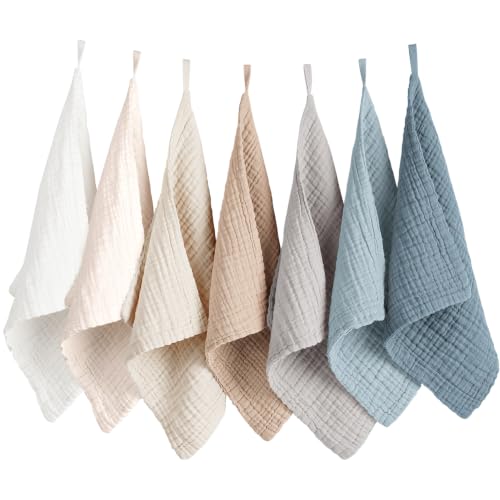
Every pick is a muslin or muslin-style cotton cloth sold for face cleansing, mostly in multipacks so you can rotate. Check the listing for the care label before you wash. See how we test and choose products for the rules behind every pick.


Key Takeaways
- A muslin cloth holds water, oil and makeup in its loose weave, so it needs washing far more often than a bath towel.
- Change the cloth daily for acne-prone skin, and about every other day for other skin types, with a hot rinse between.
- Machine wash at 40 degrees Celsius with whites, using a gentle detergent, such as a baby detergent.
- Fabric softener coats the fibres, so leave it out.
- A hot soak with white wine vinegar and bicarbonate of soda is an alternative to the machine.
- Dry the cloth completely before folding it away, because a damp cloth sours quickly.
- Replace it when it turns grey, stiff, smelly or thin, since no source gives one fixed lifespan.
Why a Muslin Cloth Gets Dirty So Quickly
Muslin is a lightly woven cotton fabric. Its open weave is what makes it gentle and quick to drain, yet it also traps whatever you wipe off: cleanser, oil, sunscreen and makeup.
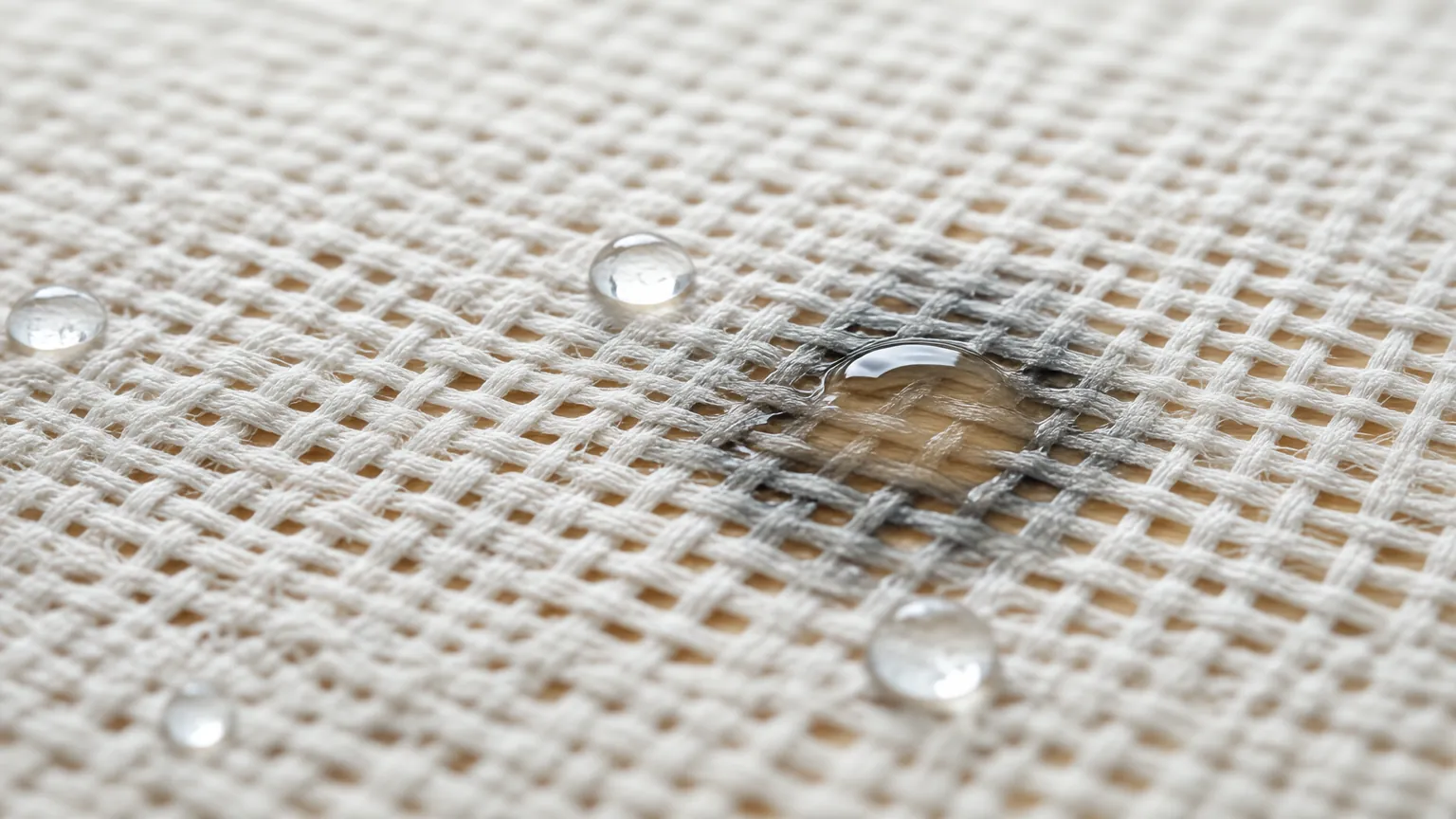
A damp cloth that is hung up and used again tomorrow stays slightly moist for hours. That is the main reason the washing schedule is so strict, because moisture plus leftover product is what makes a cloth smell and look dull.
The cloth also does double duty in many routines. It removes cleanser, it exfoliates lightly when you press it on damp skin, and it wipes off sunscreen. Each of those jobs leaves something behind, which is why a cloth that looked clean yesterday is not necessarily clean today.
Washing therefore has a simple goal: remove the product, rinse out the detergent, and dry the cloth completely. The rest of this guide is about doing that without wearing the fabric out.
Pick Your Washing Routine
How often to wash a muslin cloth depends on your skin and how you use it. Pick the line that fits you best.
- Acne-prone or breakout-prone skin: use a fresh cloth each day, as Pai suggests, and wash the used one straight away.
- Normal or dry skin: change the cloth about every other day, and rinse it thoroughly in hot water between uses.
- Heavy makeup or sunscreen removal: wash after each use, because the cloth is carrying more product than usual.
- Light cleansing only: a hot rinse after each use and a wash every second day is a sensible minimum.
- Shared bathroom: give each person a cloth, and keep them apart so they never mix.
Seasons change the answer too. In hot weather, or after a workout, you sweat more and use more cleanser and sunscreen, so the cloth gets dirty sooner. In cold, dry months you may stretch to every second day, as long as you still rinse it in hot water after use.
Most people do best with a small rotation. Three to seven cloths mean you never have to reuse a damp one, which is why muslin comes in multipacks.
How to Wash a Muslin Cloth Step by Step
This routine covers both the daily rinse and the weekly machine wash. It follows Pai’s guidance for temperature and detergent.
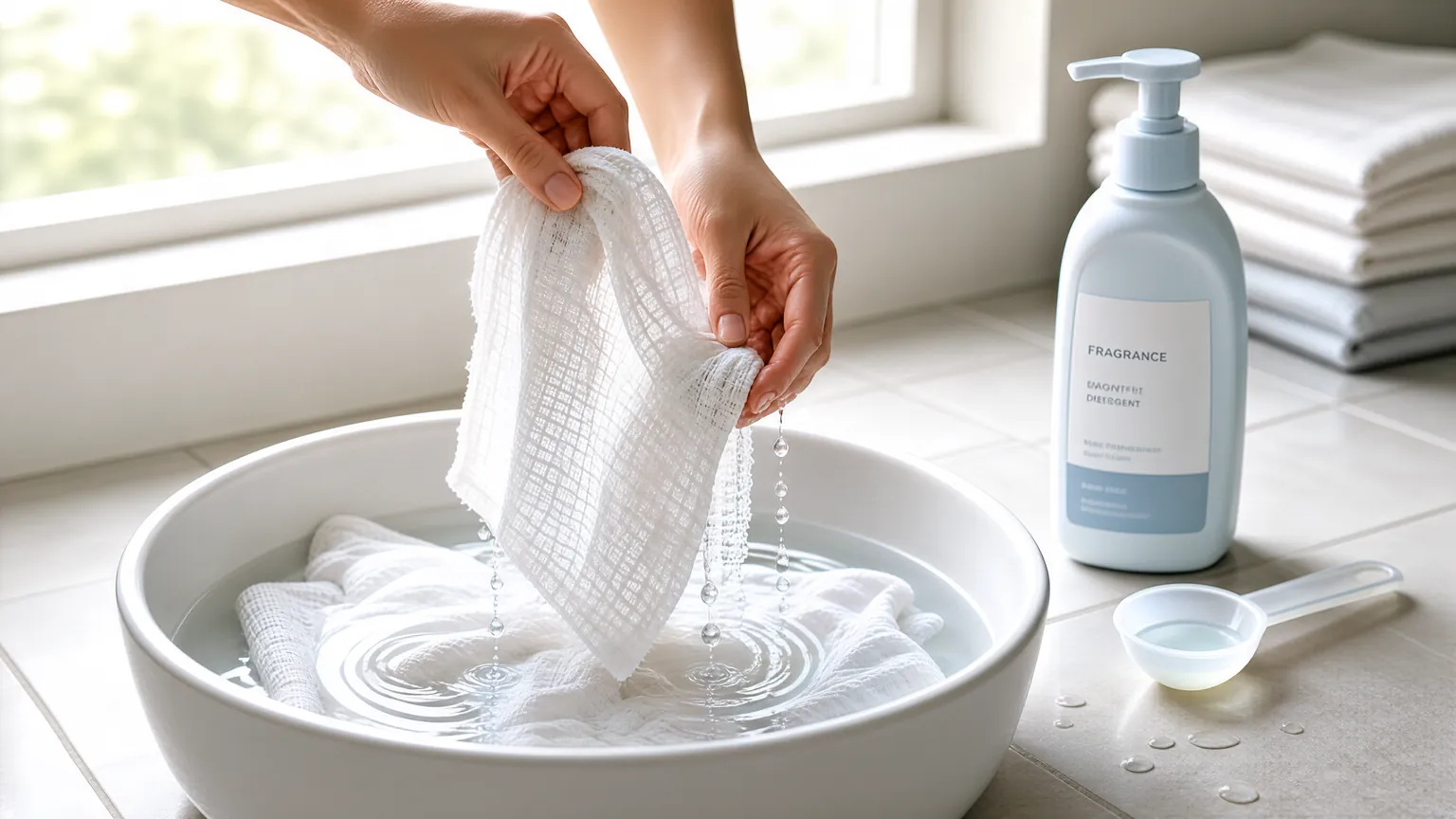
- Rinse right after use. Run the cloth under hot water and squeeze until the water runs clear, so product does not dry into the weave.
- Wring and hang it. Squeeze out the water and hang the cloth where air reaches both sides.
- Collect used cloths. Keep them in an open basket, not a sealed hamper, until wash day.
- Load with whites. Wash at 40 degrees Celsius with other white items, so colours do not stain the cloth.
- Use a gentle detergent. Choose a mild one, such as a baby detergent, and measure carefully.
- Leave out softener. Fabric softener is not recommended for these cloths.
- Dry fully. Hang the cloths or tumble them on a low setting if the care label allows, and fold them only when they are completely dry.
After the machine cycle, check the cloth before you fold it. Hold it up to the light: leftover product shows as shadows in the weave, and detergent shows as a stiff, slightly crunchy patch. If you see either, run it through another rinse, because residue is what irritates skin, not the cotton.
A small mesh laundry bag helps if you wash many cloths with larger items. It stops thin cloths from snagging on zips or twisting around towels, so the edges fray later.
Machine vs Hand Washing
You can wash a muslin cloth either way. The right choice depends on how many cloths you rotate and how much time you have.
| Machine wash | Hand wash or soak | |
|---|---|---|
| Method | 40 degrees Celsius with other whites and gentle detergent | Hot-water soak with a teaspoon of white wine vinegar and bicarbonate of soda |
| Best for | A week’s worth of used cloths | One or two cloths, or a quick refresh between washes |
| Effort | Low, but needs a full load | Some rinsing and wringing |
| Watch for | Colours running onto pale cloths | Rinsing out the vinegar and soda fully |
Water temperature deserves a note. Hot water loosens oil and product more effectively than cool water, which is why a hot rinse after each use is part of the routine. The 40-degree machine setting is a machine-wash cycle, not a replacement for that quick daily rinse.
For a travel or gym bag, keep one dry cloth in a breathable pouch and a spare in a separate bag for used ones. Mixing them defeats the point of rotating, because a damp cloth contaminates a dry one in minutes.
Both methods come from the same source, so treat them as two valid options, not a ranking. Many people use the soak between machine washes.
What to Use to Wash a Muslin Cloth: Detergent, Softener, Vinegar
Most skin irritation from cloths comes from what is left in the fibres, not from the cotton itself. That makes your product choice matter.
- Gentle detergent: Pai suggests a baby detergent. It is mild, and it usually has no heavy fragrance.
- Fabric softener: avoid it. Softener leaves a coating on cotton, so the cloth absorbs less and can feel waxy on the skin.
- White wine vinegar and bicarbonate of soda: used together in a hot soak to keep cloths fresh, as an alternative to a machine cycle.
- Bleach: not recommended here. It is harsh on thin cotton, and the source does not suggest it.
Drying a Muslin Cloth After You Wash It
A cloth that is washed well but stored damp will still smell. Drying is half the job.
- Hang the cloth fully open to dry
- Use a ventilated rail or airer
- Dry it completely before putting it away
- Store clean cloths in a dry drawer
- Rotate several cloths in turn
- Leave it bunched on the sink
- Fold it while damp
- Keep it in a sealed bag or box
- Reuse a damp cloth the next day
- Share it with someone else
Where you dry the cloth matters as much as how. A sunny window or an airy rail does better than a small, steamy bathroom, because moist air slows evaporation. If the bathroom stays humid, finish drying the cloth in another room.
Because the weave is open, muslin dries faster than terry. Even so, a cloth balled up in a damp corner can stay wet for hours.
Muslin Cloth vs Terry Cloth: What Changes When You Wash
Many people treat a muslin cloth like a small towel. The two behave differently, so the care differs too.
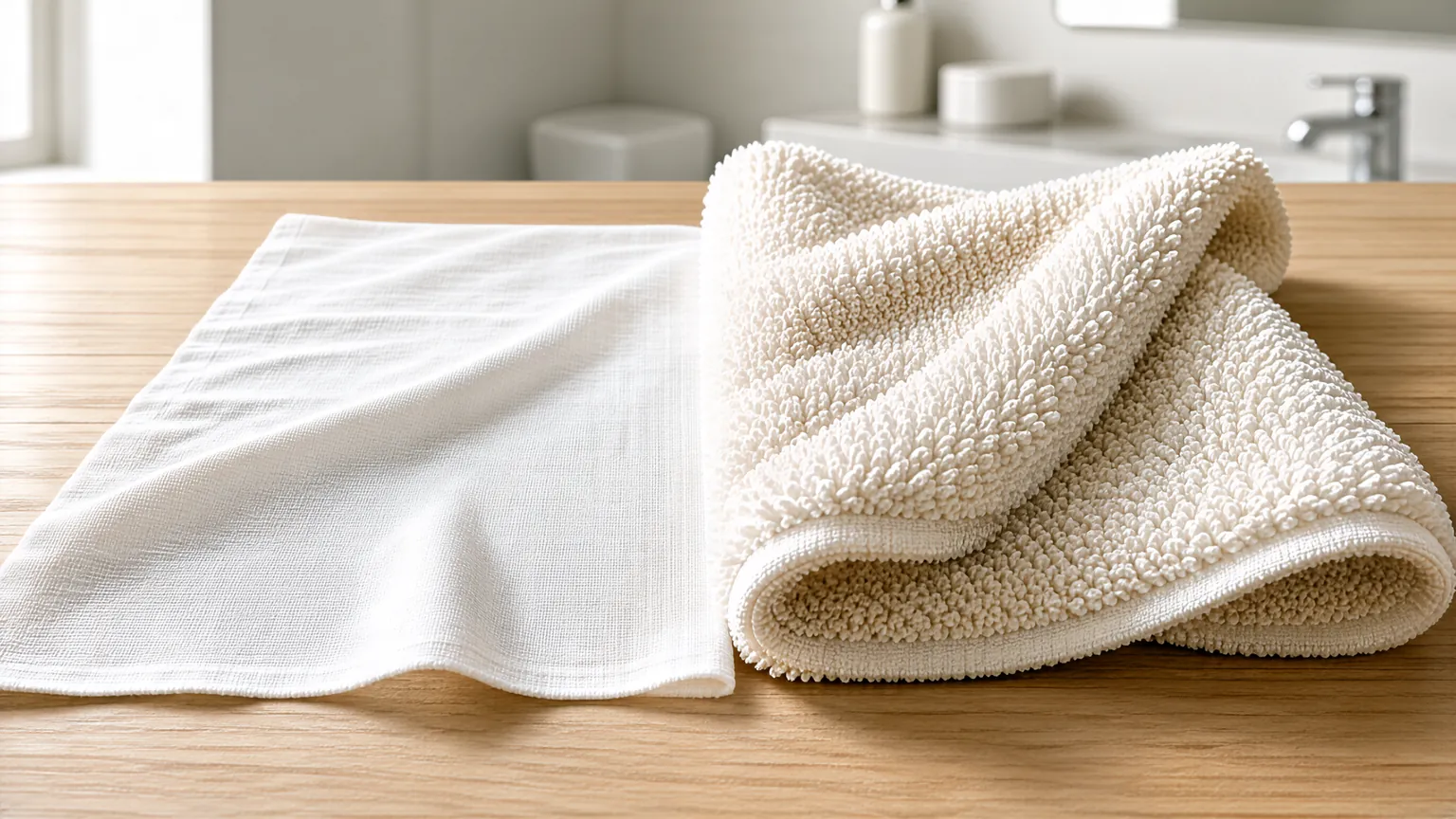
| Feature | Muslin cloth | Terry washcloth |
|---|---|---|
| Weave | Loose, flat, lightweight | Looped pile, thick |
| Drying time | Faster, because it holds less water | Slower, because loops hold moisture |
| Wash frequency for face use | Frequent, daily to every other day | Also frequent, but it often stays in use longer in practice |
| Feel on skin | Light, slightly textured | Plush, can be rougher when worn |
There is also a texture difference. Terry loops can feel scrubby on the face when the cloth is old and stiff, whereas muslin stays flat and fairly gentle. However, both grow harsher when they hold detergent or softener, so rinsing well matters for either type.
The practical lesson is that a thin cloth is easy to rotate. You can own several muslin cloths in the space of one thick towel.
Signs It Is Time to Replace Your Muslin Cloth
Pai’s article does not give condition-based replacement signs, and neither does any source we found, so these are practical cues rather than a rule. Replace the cloth when you see any of them.
- Grey or yellow tone: washing no longer brings it back to white.
- Stiff or scratchy feel: softener build-up, detergent residue or worn fibres.
- Smell after washing: a sour or musty smell that survives a wash.
- Thin patches or holes: the weave has worn through.
- Fraying edges: loose threads can snag on the skin.
A quick test helps when you are unsure. Hold the cloth up to a window. Even light through the weave means it is in good shape, while thin, shiny or see-through patches mean the fibres are wearing out. Then compare it with a spare, new cloth: a worn one feels noticeably rougher or flatter.
Muslin is easy to replace, so there is little reason to keep a worn cloth. If you want to compare other cloth types, our guides to choosing muslin cleansing cloths and bamboo facial cloths explain the differences.
Mistakes That Shorten a Cloth’s Life
- Washing with coloured items. Dye can transfer onto a pale cloth.
- Using softener. It coats the fibres and makes the cloth less absorbent.
- Skipping the hot rinse. Product dries into the weave and becomes harder to remove.
- Scrubbing hard. Rubbing the cloth hard on your face and wringing it tightly both wear the fibres.
- Letting cloths sit damp. A cloth left in a heap on the counter or in a hamper stays moist and picks up odor long before wash day.
- Using one cloth for everything. Keep a separate cloth for the face, and another for makeup removal or the body.
Honest Limits
Washing keeps a cloth fresh, but it does not make it last forever. Cotton wears down, and bright white fades to cream or grey over time. That is normal.
Another limit is hardness of water. In hard-water areas cotton can feel stiffer after washing, because minerals stay in the fibres. A gentle rinse cycle can help, but you may simply notice that cloths wear out a little sooner.
The washing guidance here rests mainly on one brand’s advice, so it reflects a sensible routine, not a tested standard. Some muslin cloths carry their own care labels, and those take priority. No source we found sets a firm replacement date.
When to See a Professional
A clean cloth is a small part of skin care. If you get persistent breakouts, redness, itching or a rash even with fresh cloths and gentle products, see a dermatologist or your doctor. A cloth cannot treat skin conditions.
Bring the cloth and the detergent name to the appointment if you can. It helps a professional work out whether the cause is a product, a fabric or something else entirely.
If you suspect a reaction to detergent, stop using the product and speak to a pharmacist or doctor before you try another.
- Washcloth vs hands: which cleans better and which is gentler.
Frequently Asked Questions
How often should I wash a muslin cloth?
After every use if your skin is acne-prone, and at least every other day otherwise, with a hot rinse in between.
Can I wash a muslin cloth in the washing machine?
Yes. Pai suggests 40 degrees Celsius with other whites and a gentle detergent, such as a baby detergent.
Should I use fabric softener on a muslin cloth?
No. Softener coats the fibres and makes the cloth less absorbent, and the source advises leaving it out.
What is the best way to wash a muslin cloth by hand?
Soak it in hot water with a teaspoon of white wine vinegar and bicarbonate of soda, then rinse well and dry it fully.
Can I use bleach to wash a muslin cloth?
It is not recommended. Bleach is harsh on thin cotton, so a gentle detergent and a hot wash are enough.
How do I wash a muslin cloth that smells?
Run a machine wash with gentle detergent, or soak it with vinegar and bicarbonate of soda. If the smell stays, replace it.
How many muslin cloths do I need?
A rotation of three to seven lets you use a fresh one each day while the rest are washed and dried.
Can I tumble dry a muslin cloth?
Check the cloth’s care label first. Air drying is gentler, and either way the cloth should be fully dry before storage.
Why does my muslin cloth feel stiff after washing?
Detergent residue or softener build-up is the usual cause. Use less detergent, skip softener and rinse again.
Can I share a muslin cloth?
It is best not to. A cloth holds skin oils and product from its user, so each person should have their own.
The Bottom Line
A muslin cloth earns its place by being light and quick to dry, but it only stays hygienic if you rotate and wash it often. Rinse in hot water after each use, wash at 40 degrees Celsius with gentle detergent, and leave out the softener.
Dry it fully, keep a small stack so you never reuse a damp one, and replace any cloth that turns grey, stiff or smelly. That routine is simple, and it keeps the cloth doing its job.



One Comment