
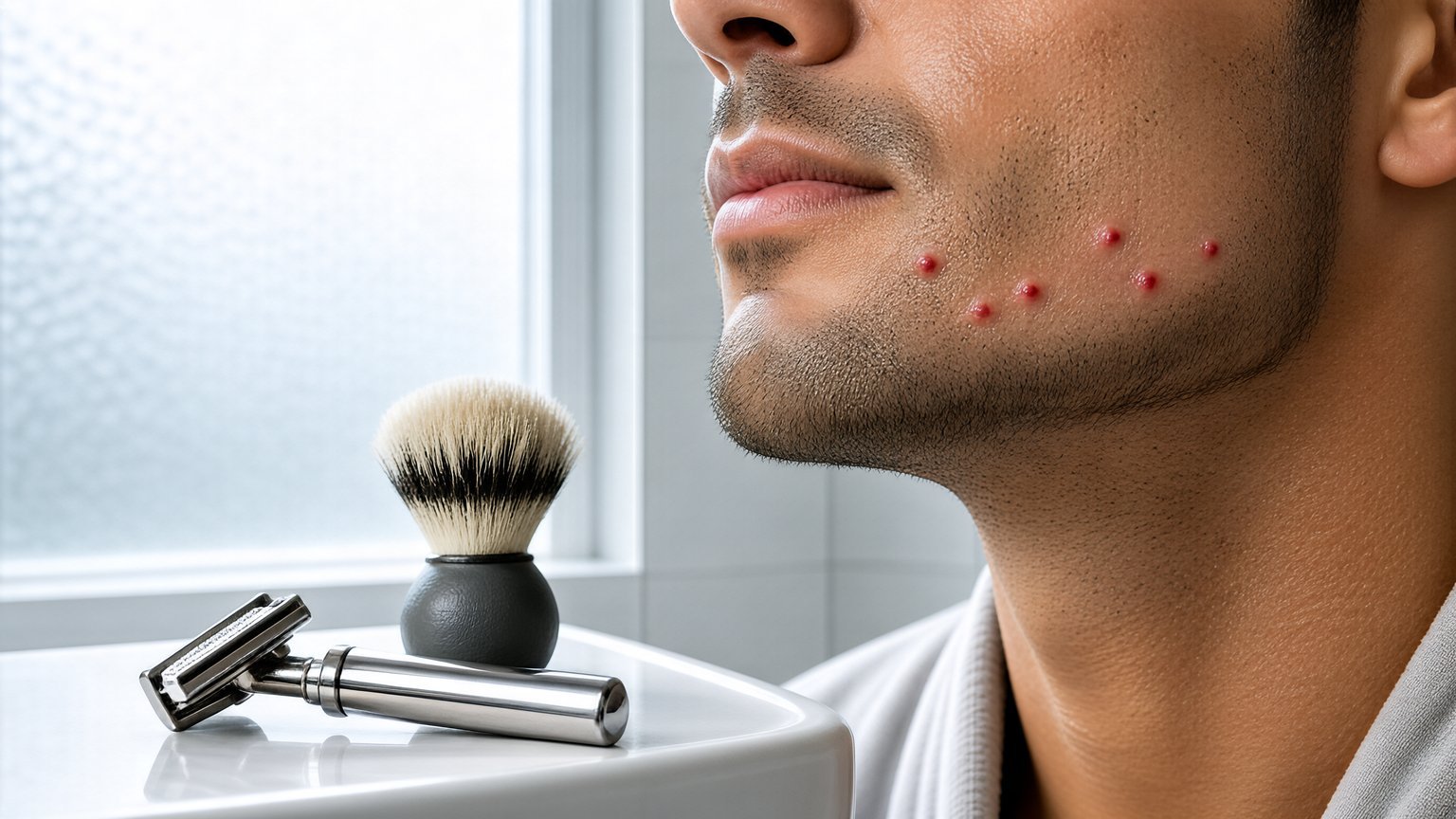
How to Prevent Razor Bumps After Shaving: 3 Key Steps
A closer shave sounds like a better shave, but it is the main reason people end up with red, itchy bumps along the jaw, neck or legs. The good news is that you can prevent razor bumps after shaving with a short set of habits, and none of them needs a special product.
Quick answer: shave when the hair is soft, in the direction it grows, with lather and a fresh blade. Rinse the razor as you go, replace it after 5 to 7 shaves, and finish with a cool, damp washcloth. If bumps keep coming back after you change your routine, see a board-certified dermatologist.

The American Academy of Dermatology (AAD) gives the same core advice. It says to shave at the end of a shower or after holding a warm, damp washcloth on the area, because soft hair cuts more cleanly. It also says shaving daily, or at least every 2 to 3 days, gives hair less time to grow and curve. That surprises people who try to shave less often to rest the skin.
The mechanism explains the rules. A blade leaves a sharp, blunt-cut tip. If the hair is tightly curled, or the skin is stretched and then relaxes, that tip can turn back toward the skin and cause a small, irritated bump.
Below you will find a quick self-check, a step-by-step routine, a razor comparison, the mistakes to drop, and a clear line for when to get help.
Recommended Razors and Aftershave Products to Prevent Razor Bumps After Shaving
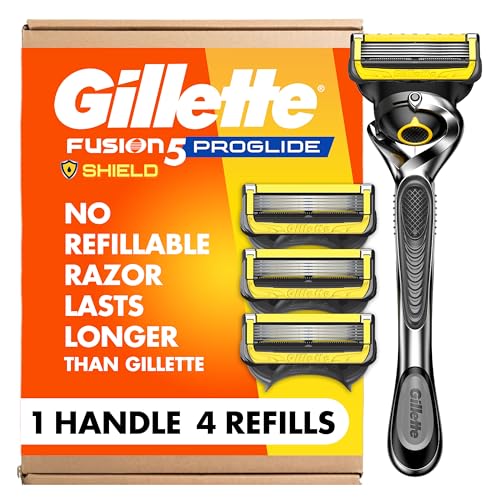
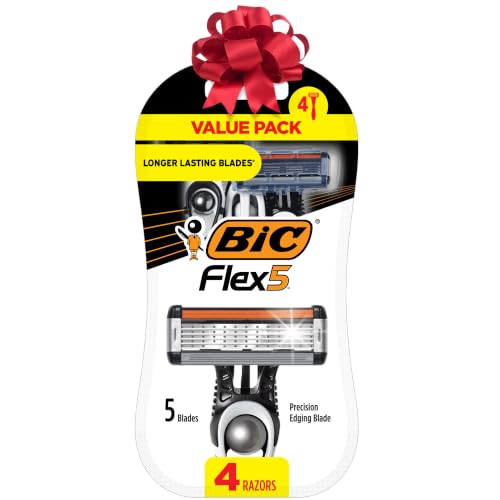
These picks are razors built for sensitive skin, including safety razors and 5-blade cartridge razors, plus two aftershave serums made for razor bumps. Check each listing against the razor comparison below before you choose. See how we test and choose products for the rules behind every pick.




Key Takeaways
- Razor bumps usually come from freshly cut hair that curls back toward the skin, so the fix is to change how and when you cut.
- Soften the hair first. The AAD suggests shaving at the end of a shower or using a warm, damp washcloth.
- Shave in the direction your hair grows, and use a lubricating shaving cream or gel.
- Replace a disposable razor after 5 to 7 shaves, rinse it often, and let it dry fully between uses.
- Shaving daily or every 2 to 3 days can leave less time for hair to curve, and growing the hair out stops the cause altogether.
- Razor bumps and razor burn are different problems, so a fix for one will not always help the other.
- Bumps that persist, scar or sit on the back of the neck are a reason to see a dermatologist.

What Causes Razor Bumps After Shaving (and Why Prevention Works)
When a blade cuts a hair, it leaves a clean, blunt edge just at or below the skin line. Straight hair grows out without trouble. Curly or coiled hair is different, because it can bend back and press into the skin as it grows. The body treats that tip like a splinter, so the spot turns red, raised and sometimes sore.
Two things make this more likely. The first is a very close cut, because a hair trimmed below the surface has to find its way out. The second is pulling the skin tight, because the hair is cut below the surface and then retreats as the skin relaxes. That is why the advice to prevent razor bumps after shaving is mostly about being less aggressive, not more careful with a particular product.
The same logic explains why the AAD tells people to shave with the grain. Cutting against the grain gives a closer result, but it also lifts the hair and cuts it lower. As a result, more hairs have a chance to turn back in.
A Two-Minute Self-Check: Which Habit Is Behind Your Bumps?
Most people have one or two habits that do most of the damage. Read the list, tick what applies, and start with those fixes first.
- Do you shave dry or with only soap? If yes, the blade drags. Add a lubricating cream or gel and shave after a shower.
- Do you shave against the grain for a closer result? If yes, switch to with-the-grain passes for two weeks and compare.
- Is your razor older than a handful of shaves? If you cannot remember when you changed it, it is probably past the 5 to 7 shave mark the AAD gives for disposable razors.
- Do you stretch the skin tight? Light pressure and a single pass cut less deeply than repeated strokes over taut skin.
- Do you leave the razor wet in the shower? A damp razor stored in a wet place stays wet, so let it dry fully between uses.
- Do you shave very rarely, then go for a full clean-up? Long hair is harder to cut cleanly, so lengths between shaves can matter.
Mostly the first three: prep and blade care are your priority. Mostly the last three: adjust technique and storage. All of them: start with the routine below and change one habit per week so you can tell what works.
Steps to Prevent Razor Bumps After Shaving, in Order
This order follows the AAD guidance and keeps each step simple. Skipping the first two steps causes more trouble than skipping any other.
- Wash with a gentle cleanser. The AAD suggests a non-comedogenic cleanser before shaving, so oil and dead skin do not clog the blade.
- Soften the hair. Shave at the end of your shower, or hold a warm, damp washcloth on the area for a minute or two. Soft hair cuts with less pull.
- Apply a moisturizing shaving cream or gel. Use a sensitive-skin formula if your skin is dry or easily irritated, and leave it on for a moment before the first stroke.
- Shave with the grain. Use short, light strokes in the direction the hair grows, and do not press down.
- Rinse the blade often. Hair and cream build up on the razor quickly, so rinse after each stroke or two.
- Rinse with warm water and cool the skin. Finish with a cool, damp washcloth to calm the skin.
- Apply a soothing aftershave. The AAD suggests one formulated to reduce the risk of razor bumps and irritation, then a moisturizer if the skin feels tight.
- Dry and store the razor. Let it air dry in a dry spot, not in the shower, and replace a disposable razor after 5 to 7 shaves.
Myths About Razor Bumps After Shaving That Prevention Advice Gets Wrong
Some of the most repeated tips either miss the cause or push people the wrong way. This table separates common myths from what the sources actually support.
| Common belief | What is more accurate |
|---|---|
| Closer always means better. | Very close cuts leave hairs below the skin line, which makes it easier for them to grow back in. A lighter pass is often better. |
| Shaving less often is gentler. | The AAD says shaving daily or every 2 to 3 days gives hair less time to grow and curve. |
| Pressing harder gets rid of stubble faster. | Pressure irritates the skin and cuts the hair lower. Light strokes work better. |
| Burn and bumps mean the same thing. | Burn is immediate redness and stinging. Bumps are raised spots from hair growing back into the skin. |
| More blades always means fewer bumps. | The AAD focuses on technique and blade freshness, not blade count. A sharp, clean razor matters more than the number on the box. |
| Bumps are a sign of dirty skin. | They are mostly a hair-direction problem, not a hygiene problem. Keeping the razor clean and dry does help, though. |
Choosing a Razor That Fits Your Skin
No razor type removes the risk, but some make light, with-the-grain shaving easier. The right choice depends on how coarse and curly your hair is, how often you shave and how much you want to learn.
| Razor type | Where it helps | Watch out for |
|---|---|---|
| 5-blade cartridge razor | Easy to use, fast, forgiving for people who shave often. Many have lubricating strips and a pivoting head. | Blades dull and clog, so replace the cartridge on schedule. A multi-blade head can cut the hair lower. |
| Disposable razor | Convenient for travel and a backup. The AAD advises replacing it after 5 to 7 shaves. | Easy to keep using past that point. Store it dry. |
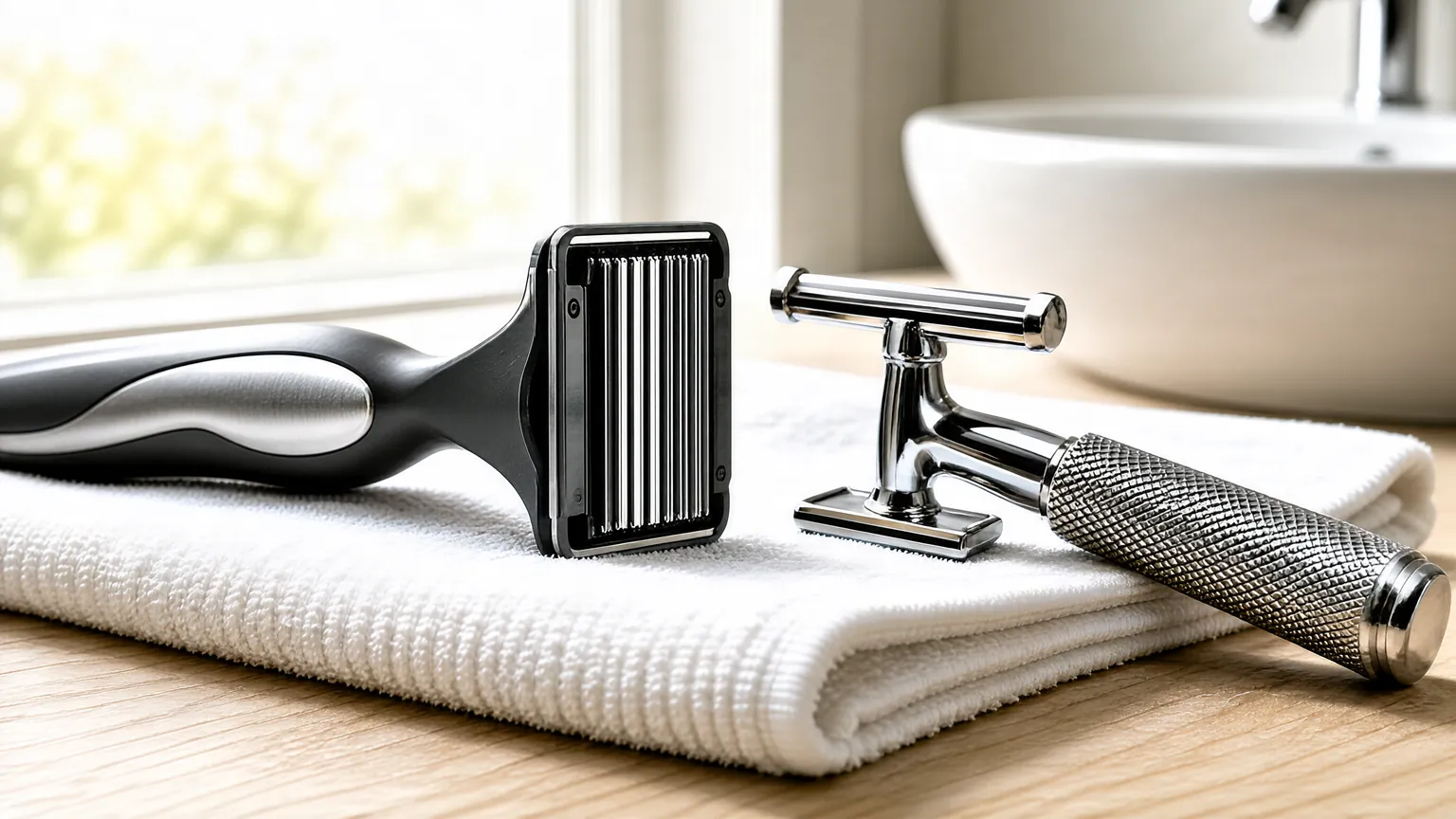
| Double-edge safety razor | Single, sharp blade that you can swap often. Some models have adjustable settings. | Takes practice, and pressing down causes nicks. Use light strokes at a steady angle. |
| Electric shaver or trimmer | Does not cut as close, so less hair is cut below the skin line. This makes it a gentler option for some people. | Results are less smooth. Keep the foil and heads clean. |
If your skin reacts to blades in general, an electric shaver is worth a look. Our guide to electric razors made for sensitive skin explains how foil and rotary heads differ and what to check before you buy.
Prep and Aftercare: The Part Most People Skip
Most of the damage is done before the first stroke. Dry, stiff hair resists the blade, and the razor tugs and then cuts low. A minute or two of warmth fixes most of that.
After the shave, rinse with warm water and press a cool, damp washcloth on the skin, as the AAD advises. Then choose an aftershave that is gentle and made for razor bumps. Some products for this use contain ingredients that exfoliate lightly, so start on a small area and stop if your skin stings or turns red.
Keep the rest of your routine simple. Skin that is already irritated does not need extra scrubs on the same day.
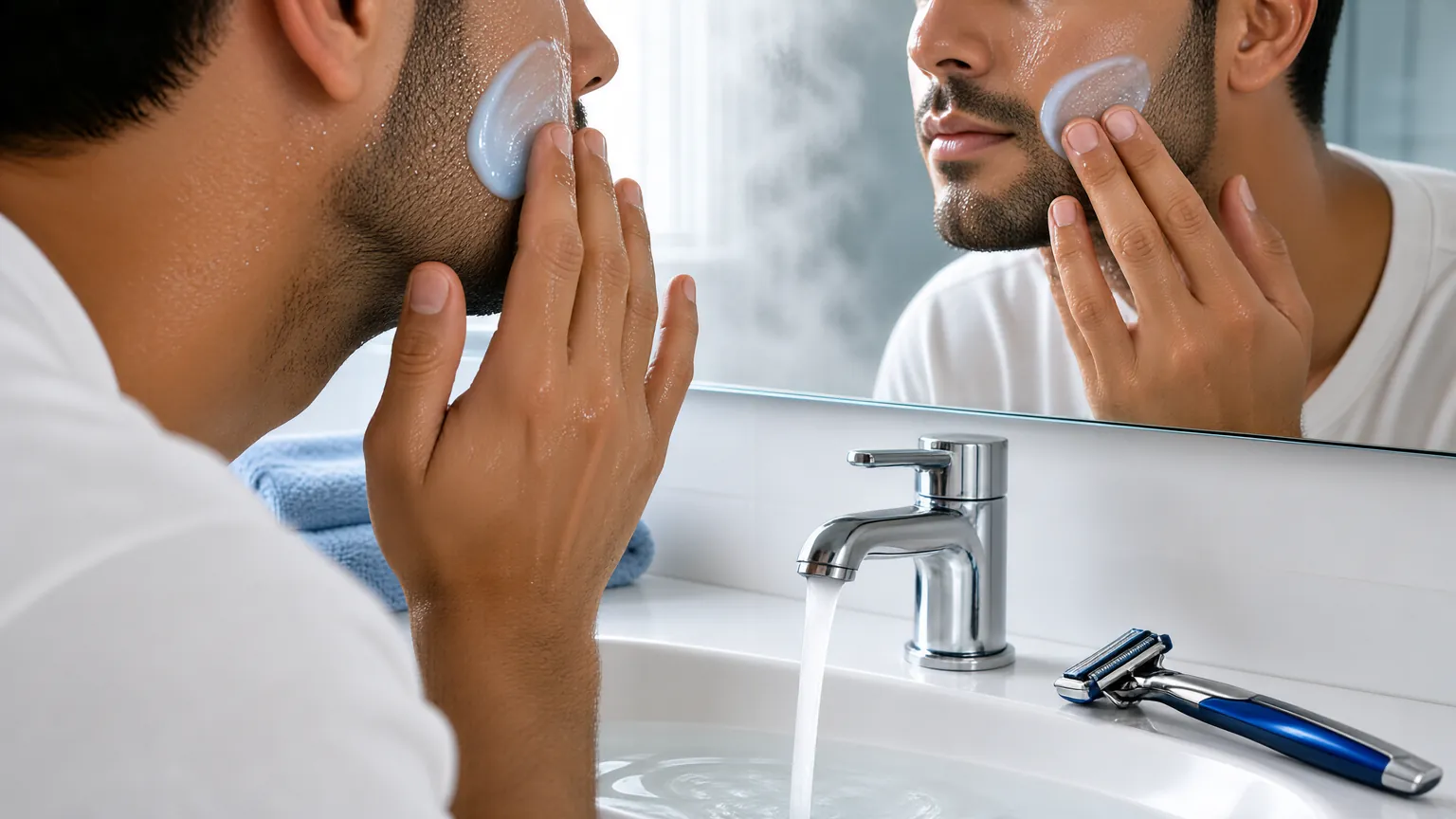
Finding the Grain: How to Shave in the Direction Hair Grows
Hair on the face and neck does not all grow in one direction. On the neck it often grows upward or sideways, and on the cheeks it usually grows downward. Looking closely in good light, before you lather, tells you more than guessing.
To map it, let a few days of growth come in, then run a finger over the area in different directions. The direction that feels smooth is with the grain, and the direction that feels rough is against it. The AAD also suggests gently brushing the hair with a toothbrush daily to train it to grow away from the skin.
For patchy or swirling areas, such as the chin and under the jaw, use short strokes and check the direction in each spot. Do not use one long pass across the whole area.
How Often to Shave to Prevent Razor Bumps After Shaving
This is the most counterintuitive part. Many people shave less often to give the skin a break, then go back for a big clean-up. The AAD says daily shaving, or at least every 2 to 3 days, leaves hair less time to grow and curve.
That does not mean you must shave every day. It means a steady rhythm beats long gaps. If your bumps persist anyway, the AAD gives another option: stop shaving and grow the hair out, which removes the cause of razor bumps.
Some people take a short break to let the skin settle, then restart with a gentler routine. A break is also a good time to try a trimmer set to a longer length, since leaving a little length means the hair cannot curve back as easily.
Do and Don’t: A Quick Reference
Use this list as a reminder at the sink. Most bad shaving days include at least two items from the right-hand column.
- Shave after a shower or a warm washcloth
- Use a moisturizing cream or gel
- Shave with the grain
- Rinse the blade often
- Replace disposable razors after 5 to 7 shaves
- Cool the skin with a damp washcloth
- Store the razor dry
- Shave dry or on stiff, dry hair
- Press hard or stretch the skin tight
- Go over the same patch again and again
- Keep using a dull or clogged blade
- Leave the razor in a wet shower
- Pick or squeeze bumps
- Shave over acne or open skin
Differences by Body Area
The routine stays the same everywhere, but the details change with the area.
- Beard and neck: hair is coarse and grows in several directions, so map the grain first and use light, short strokes. The neck is where many people get stuck, because the skin is thin and curved.
- Legs: hair is usually finer and straighter, so bumps are less common. Use a lubricating gel and avoid going over the knees and ankles with extra pressure.
- Bikini line and underarms: hair is often coarse and curly, and the skin rubs against clothing. Use a fresh blade, a gentle aftershave, and loose clothing afterward if your skin feels tender.
- Scalp and back of the neck: bumps here can have other causes. The AAD notes that bumps on the back of the neck or scalp may be acne keloidalis nuchae, which needs a dermatologist.
Honest Limits
These habits lower the chance of bumps, but they do not guarantee a bump-free shave. Very curly or coiled hair will always be more likely to curve back, even with perfect technique.
Aftershave serums are a support, not a cure. Review ratings tell you about the experience of other buyers, not about what will happen on your skin. Also, no source says one blade count or brand is best, so treat any strong claim for a single razor with some caution.
If you have tried the routine for several weeks and your skin is still reacting, the problem may be the hair type or a skin condition, not your habits.
When to See a Professional
The AAD says to see a board-certified dermatologist if razor bumps persist after you change your shaving habits. That matters, because the AAD also warns that untreated razor bumps can lead to lasting changes such as deep grooves and raised scars. Book an appointment when:
- Bumps keep returning after several weeks of the new routine
- Bumps are painful, filled with pus, or spreading
- You notice dark marks, scarring or firm lumps
- The bumps are on the back of the neck or scalp
- You want to talk about longer-term hair removal options, such as the laser treatment covered in our guide to what laser sessions feel like
- Does hair grow back thicker: the regrowth myth for shaving and dermaplaning.
Frequently Asked Questions
How can I prevent razor bumps after shaving my face?
Shave after a shower, use a moisturizing cream, go with the grain with light strokes, and use a fresh blade. Finish with a cool, damp washcloth and a soothing aftershave.
Can I prevent razor bumps after shaving my legs?
Yes. Use a lubricating gel, shave with the grain, and do not press hard over knees and ankles. Replace the razor after 5 to 7 shaves.
How do I prevent razor bumps after shaving the bikini line?
Use a clean, fresh blade, shave with the grain with short strokes, and rinse often. Wear loose clothing afterward if the skin feels sensitive.
Which razor helps prevent razor bumps after shaving?
No razor is guaranteed. A sharp, clean blade and light with-the-grain strokes matter more than blade count. Some people do better with an electric shaver.
Does aftershave prevent razor bumps after shaving?
A soothing aftershave formulated to reduce the risk of razor bumps can help, according to the AAD, but it does not replace good technique.
How often should I replace my razor?
The AAD advises replacing a disposable razor after 5 to 7 shaves and storing it in a dry place. Follow the maker’s guidance for cartridges and blades.
Is it better to shave in the shower?
Shaving at the end of a shower works well because warm, damp skin and soft hair cut more easily. If you prefer a dry bathroom, use a warm, damp washcloth first.
Should I shave every day?
You do not have to, but the AAD says shaving daily or at least every 2 to 3 days gives hair less time to grow and curve.
Is it okay to stop shaving?
Yes. The AAD says that stopping shaving and growing out your hair eliminates the cause of razor bumps.
When should I see a dermatologist?
See a board-certified dermatologist if bumps persist after you change your habits, or if they are painful, spreading, or leaving marks.
The Bottom Line
Razor bumps are mostly a cutting problem. Soften the hair, use a lubricating cream, shave lightly with the grain, and keep your blade fresh and dry. Keep a steady shaving rhythm instead of long gaps, and cool the skin afterward.
Change one habit at a time so you can see what helps. If bumps persist or leave marks, a dermatologist can look at the cause, and for some people growing the hair out or exploring other hair removal methods is the better path. The AAD sources linked here are a good place to start: 6 razor bump prevention tips from dermatologists, and how to shave.





One Comment