

How to Use a Dermaplaning Tool Safely: Step-by-Step
Dermaplaning looks easy in videos, which is why many people skip the parts that keep it safe. If you want to use a dermaplaning tool safely, start by treating it as what it is: a small, sharp blade that removes fine hair and skims the top of the skin. Technique, timing and cleanliness matter more than the brand on the handle.
Quick answer: skip dermaplaning if you have a breakout, an eczema flare or any other active skin problem. Otherwise, work on clean, dry skin with a clean blade, use light strokes, and go slowly to avoid nicks. Do it no more than once a week, then moisturize and wear sunscreen. If you are unsure, ask a dermatologist or a trained professional.
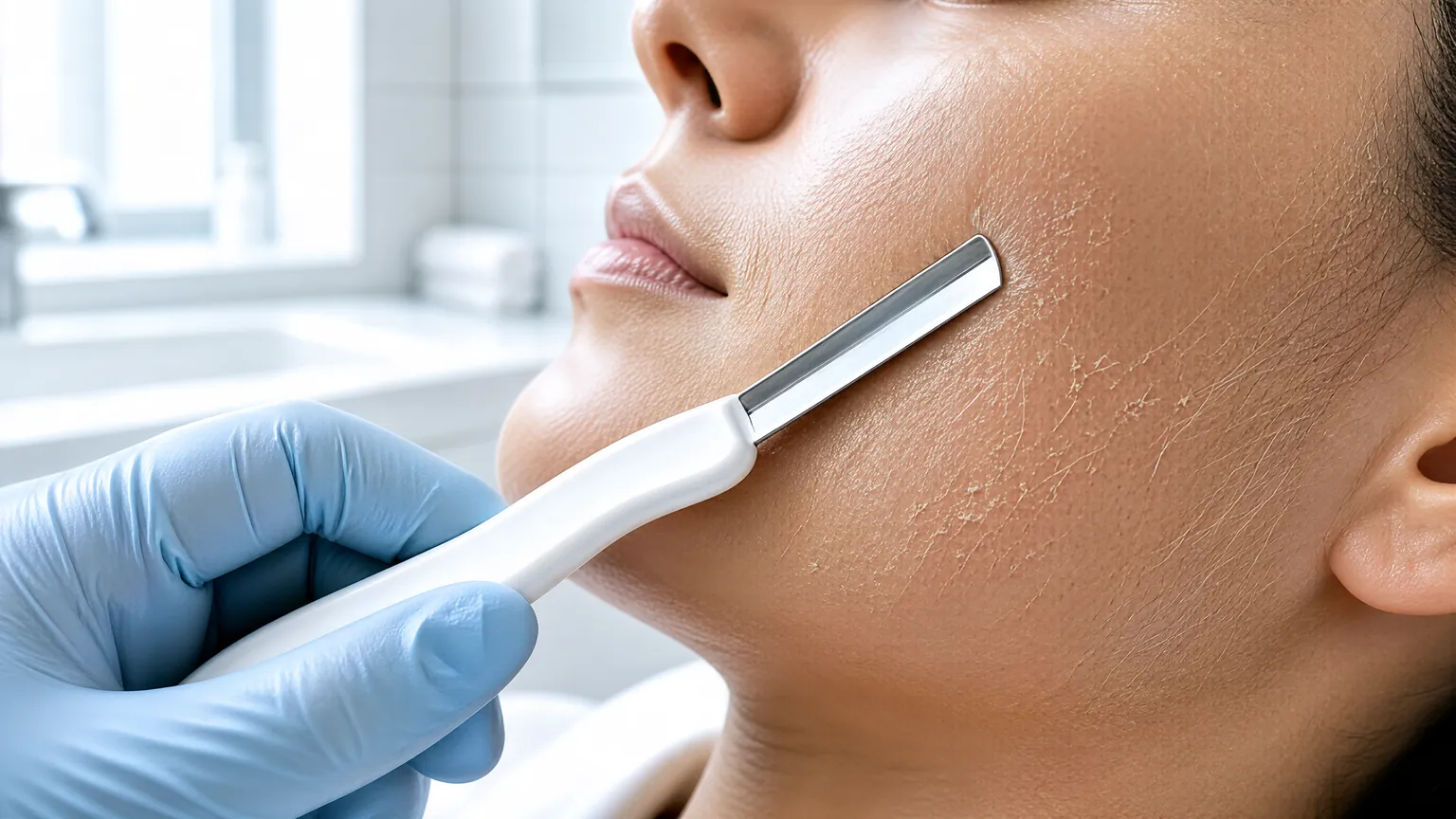
Cleveland Clinic describes dermaplaning as removing peach fuzz and dead skin with a blade. Professionals use a tiny scalpel called a dermatome, while the at-home version uses a single-blade straight razor. The same source says skin can feel irritated for a day or so, nicks can lead to infection, and existing acne can get worse.
It also clears up the biggest worry. Shaving does not change how thick, dark or fast your hair grows. Regrowth may feel coarser at first because the cut ends are blunt, and that fades as the tips soften.
Below you will find a go or no-go check, a step-by-step method, a comparison of tool types, aftercare, cleaning rules and the signs that mean you should hand the job to a professional.
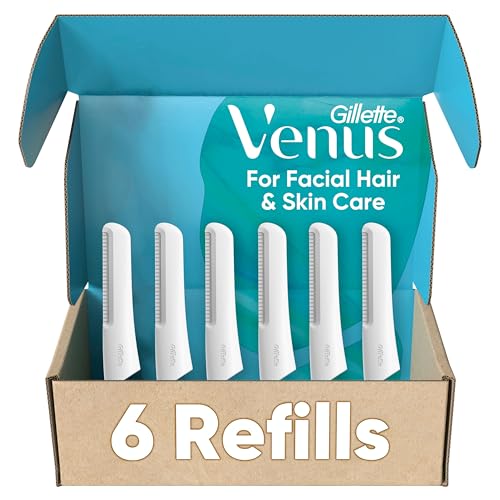
Recommended Dermaplaning Tools You Can Use Safely at Home
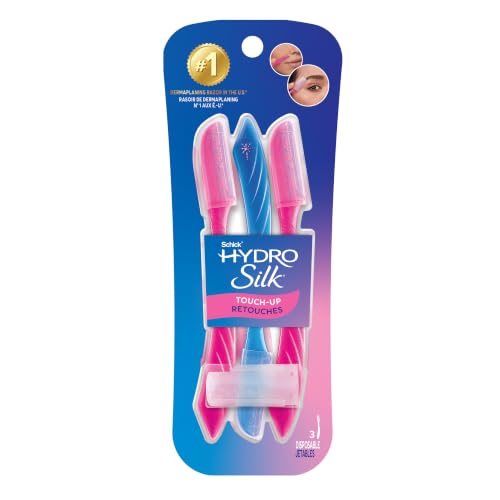
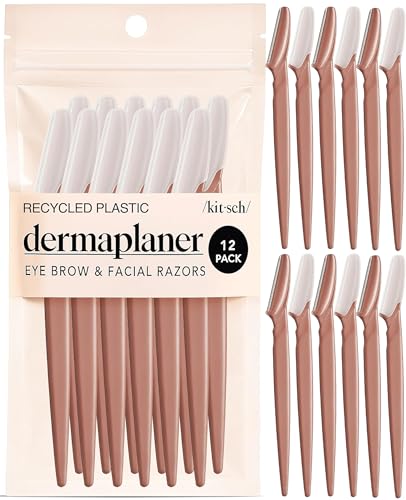
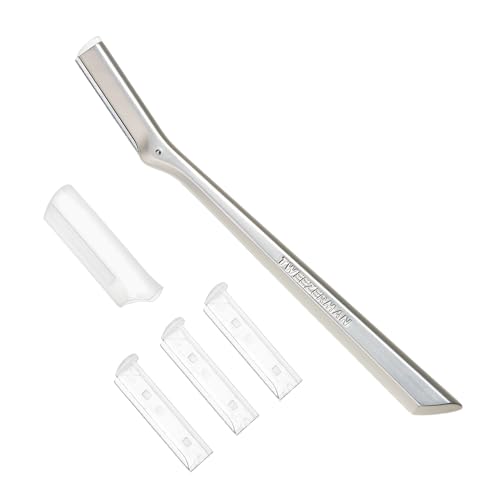
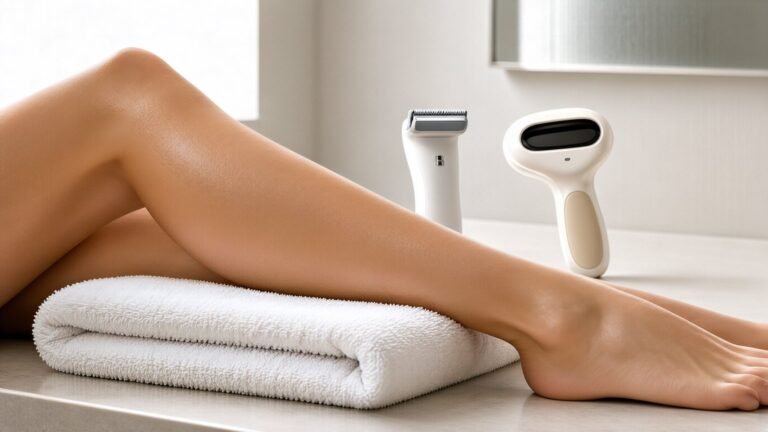
Every pick here is a facial razor or dermaplaning tool made for peach fuzz, from foldable single-blade razors to handles with replaceable blades. Check the blade type and any guard against the tool comparison below before you choose. See how we test and choose products for the rules behind every pick.


Key Takeaways
- A dermaplaning tool removes peach fuzz and a thin layer of dead skin cells, so it can irritate skin for a day or so.
- Skip it during a breakout, an eczema flare or any active skin condition, as Cleveland Clinic advises.
- Work slowly with a clean blade on clean, dry skin. Nicks can lead to infection.
- Once a week is the most a dermatologist quoted by Cleveland Clinic recommends, so the skin can recover between sessions.
- Shaving does not change hair thickness, color or growth speed. New hair can feel coarse at first because the tips are blunt.
- Moisturize and wear sunscreen afterward, because freshly exfoliated skin is more exposed.
- A professional uses a dermatome in a clinical setting. The at-home version is a single-blade razor and carries the same cautions.

Can You Use a Dermaplaning Tool Safely Today? A Go or No-Go Check
Most dermaplaning problems start before the blade touches the skin. Answer these questions first. A single “no-go” answer means wait.
- Do you have an active breakout? No-go. Cleveland Clinic says dermaplaning can agitate acne and make breakouts worse by exposing vulnerable skin to bacteria.
- Is there an eczema flare or another active skin condition? No-go. Talk to a dermatologist about professional options instead.
- Is your skin already irritated, sunburned or freshly treated? No-go. The blade also removes a layer of skin, which can add to the irritation.
- Are there cuts, scabs or open spots on the area? No-go. Nicks can lead to infection, so open skin is a reason to wait.
- Did you dermaplane in the last week? No-go. Give the skin time to recover first.
- Is your skin calm, clean and dry, and is the blade new or freshly disinfected? Go.
All go: continue with the steps below. Any no-go: wait until the skin is calm, or ask a professional.
What a Dermaplaning Tool Does to Hair and Skin
Dermaplaning removes two things. The first is vellus hair, the soft, light “peach fuzz” on the cheeks, forehead and jaw. The second is a thin layer of dead skin cells on the surface, so the skin can feel smoother afterward.
Cleveland Clinic lists the claimed benefits as exfoliation that may brighten a dull complexion and help keep pores from clogging, a smoother feel, and skincare or makeup that may apply or absorb more smoothly. Those are modest gains. The tool does not change pore size, remove deep wrinkles or fix scars.
Hair removal is the part you can see. The dead-skin part is why people say their skin looks brighter, but that effect is mild and short-lived, so do not expect a change in skin texture that lasts. If the main goal is glow, a gentle routine and daily sunscreen usually matter more than a blade.
The trade-off is that you are also disrupting the skin barrier for a short time. As a result, the skin may feel irritated for a day or so. That is the reason aftercare matters as much as technique.
Professional vs At-Home Dermaplaning: Same Idea, Different Risk
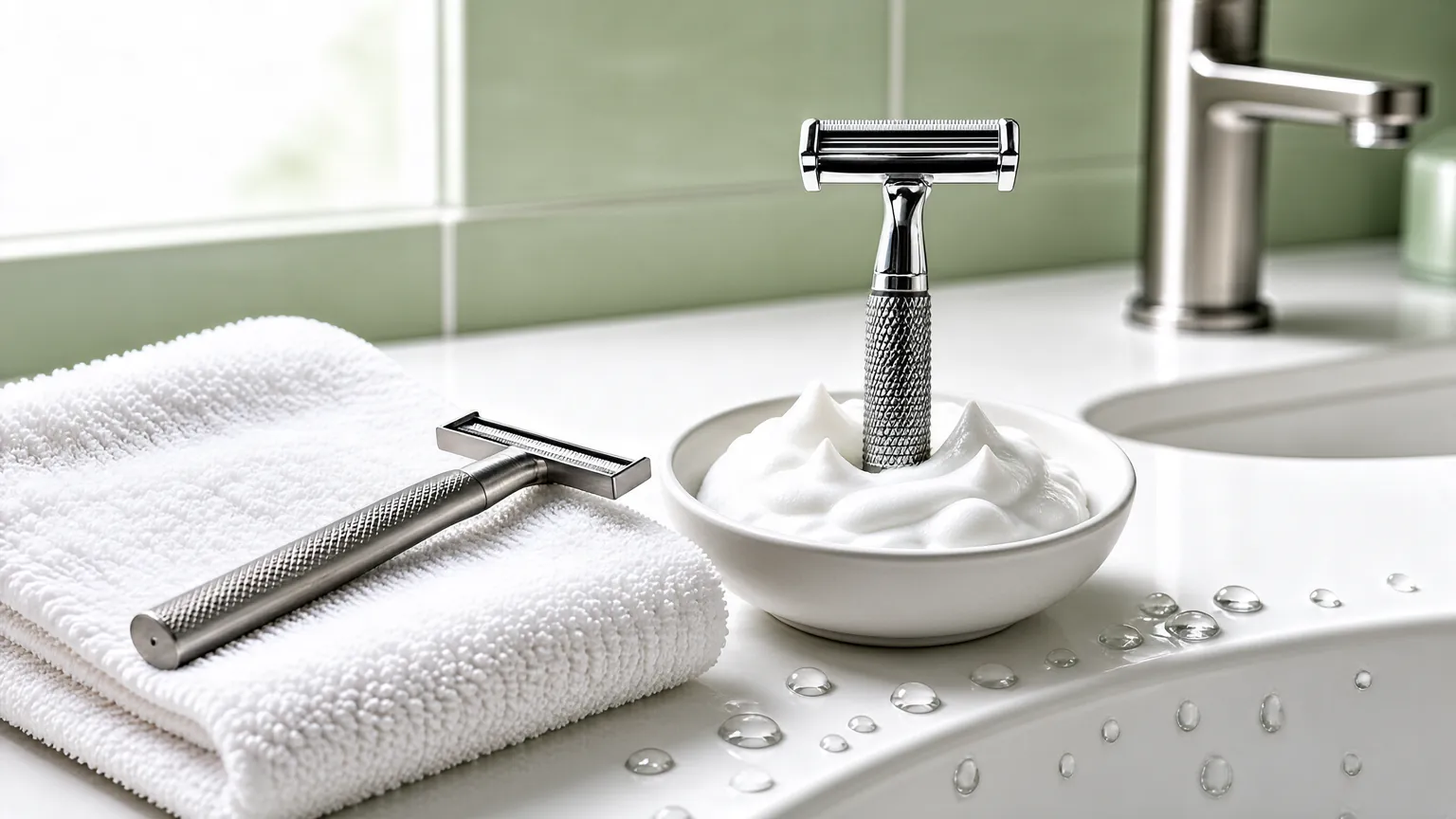
The name covers two different routines. A trained doctor or aesthetician uses a dermatome, a tiny scalpel, in a medical spa or office. At home you use a single-blade straight razor from a drugstore or online. Cleveland Clinic calls the home version generally safe and low-risk, but it carries the cautions above.
| Factor | Professional | At home |
|---|---|---|
| Tool | A dermatome, a tiny scalpel | A single-blade straight razor or facial razor |
| Who does it | A trained doctor or aesthetician | You, with no feedback on your technique |
| Skin check first | Yes, for active acne, flares and conditions | Only what you check yourself |
| Main risk | Irritation, infection if poorly done | Nicks, irritation, infection from a dirty blade |
| Best for | First-timers, sensitive or reactive skin, complicated skin conditions | Calm skin and a person who is happy to go slowly |
How to Use a Dermaplaning Tool Safely, Step by Step
Cleveland Clinic gives the safety rules but not a full method. The steps below follow its cautions and common practice for single-blade facial razors. Technique varies between people, so treat this as a starting point and stop if anything stings or bleeds.
- Run the go or no-go check. If the skin is irritated, broken out or inflamed, stop here.
- Clean the blade and your hands. Disinfect a reusable razor with rubbing alcohol and warm water, or open a fresh single-use one.
- Cleanse and dry the face. Many people dermaplane on clean, dry skin so the blade glides and they can see the hair.
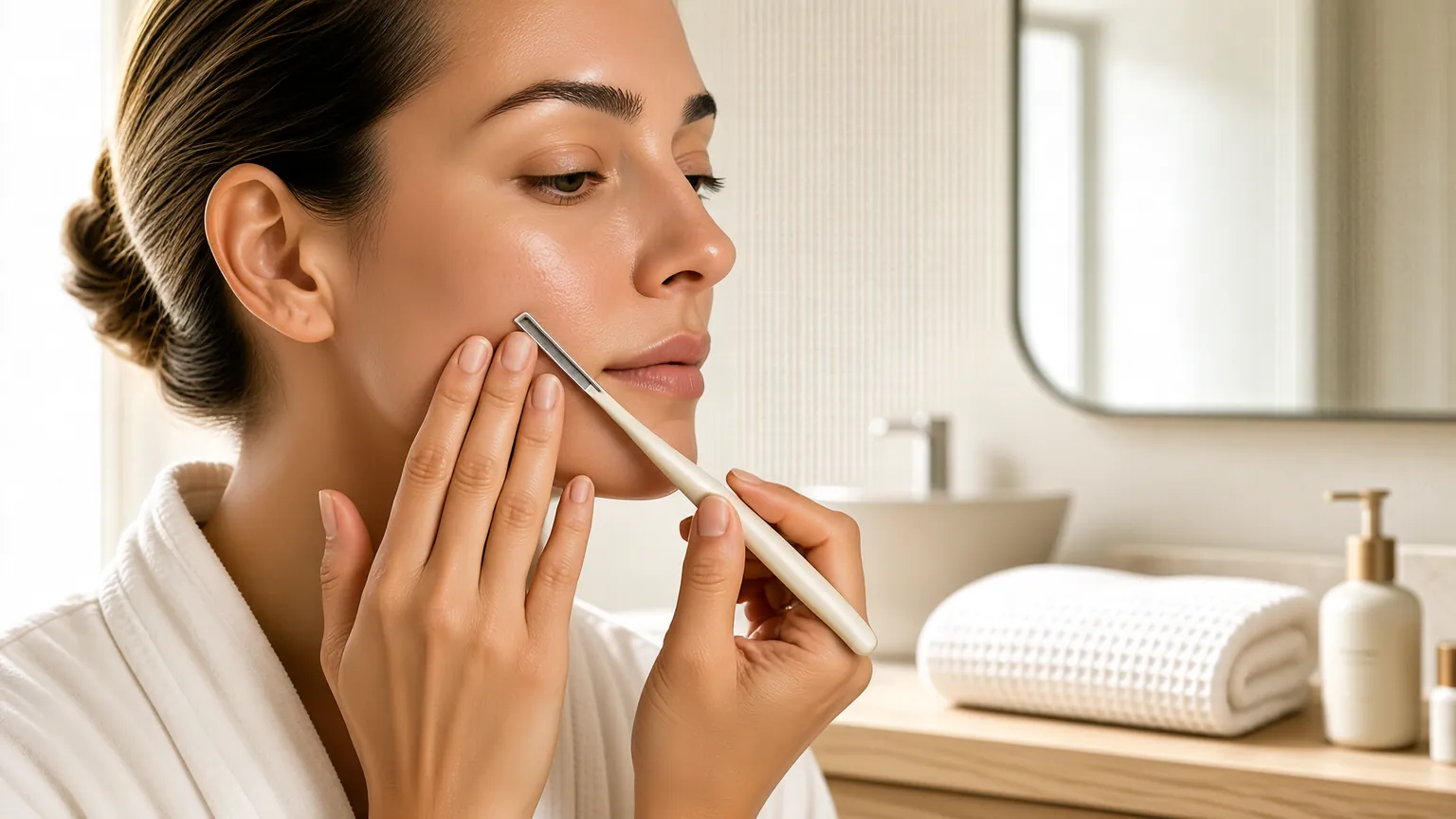
- Pull the skin taut. Use your free hand to hold the area flat. Loose skin folds, and folds get nicked.
- Hold the blade at a shallow angle. A low angle, often described as about 45 degrees, skims the surface instead of digging in.
- Use short, light strokes. Move in the direction the hair grows, do not press, and lift the blade between strokes.
- Skip trouble spots. Avoid moles, bumps, active blemishes and the eye area. If in doubt, leave it out.
- Rinse and pat dry. Use lukewarm water, then pat the skin dry with a clean towel.
- Moisturize and apply sunscreen. Cleveland Clinic advises both after dermaplaning.
- Clean and store the tool. Wipe the blade, let it dry and put the cover back on.
Myths About Dermaplaning, Checked Against the Source
Most of the fear and most of the hype around dermaplaning come from a few claims that do not hold up. This table separates them.
| Claim | What the evidence says |
|---|---|
| Hair grows back thicker and darker. | False. Shaving does not change growth, color or thickness. Regrowth can feel coarser at first because the cut ends are blunt. |
| You can do it every day for the best results. | Cleveland Clinic’s dermatologist advises no more than once a week so skin can recover. |
| Dermaplaning treats acne. | It can agitate acne and worsen breakouts, so avoid it during one. |
| Only professionals should do it. | At-home versions exist and are generally low-risk, but nicks and irritation are possible. |
| Sunscreen is optional afterward. | Cleveland Clinic advises moisturizer and sunscreen after, because skin is more vulnerable. |
For a deeper look at the first myth, see our explanation of whether dermaplaned hair grows back thicker.
Aftercare: Using a Dermaplaning Tool Safely Means Protecting the Skin
The skin is freshly exfoliated, so it needs two things: moisture and sun protection. A plain, fragrance-free moisturizer is usually enough. Cleveland Clinic advises sunscreen because the barrier is temporarily disrupted.
For the rest of the day, keep the routine gentle. Skip strong exfoliating acids, retinoids and scrubs, since the skin has just lost a layer. If you need a sunscreen that suits breakout-prone skin, our guide to sunscreen for oily, acne-prone skin is a good place to start.
How Often Can You Use a Dermaplaning Tool Safely?
The dermatologist quoted by Cleveland Clinic says not to do it daily or every other day, and to do it no more than once a week. Peach fuzz is soft and light, so there is little to gain from going sooner.
Many people settle for every two to four weeks. That is a personal choice, not a rule from the source. If the skin looks red, feels dry or stings, extend the gap. As a result, you spend less time recovering.
Cleaning Your Dermaplaning Tool Safely Between Uses
A dirty blade is the easiest way to turn a minor nick into an infection. Cleveland Clinic advises cleaning the razor before and after use. Reusable razors can be disinfected with rubbing alcohol and warm water, and single-use razors are available.
- Wipe the blade with rubbing alcohol and rinse with warm water before and after each use.
- Dry it fully and store it with the cover on, away from damp surfaces.
- Do not share your tool with anyone.
- Replace blades when they feel dull, rusty or catch on the skin. A dull blade needs more pressure, which raises the risk of nicks.
Choosing a Dermaplaning Tool: What the Types Mean
Most home tools fall into three groups. The right one depends on how steady your hand is and whether you want to replace blades or the whole razor.
| Type | How it works | Watch out for |
|---|---|---|
| Single-use or disposable facial razor | Small blade, often with a guard or cover. Replace the whole razor. | Easy to keep using past its best. Replace as soon as it dulls. |
| Handle with replaceable blades | A reusable handle that takes new blades, which can feel more stable in the hand. | Blades are sharp when you swap them, so handle with care. |
| Foldable facial razor | Blade folds into the handle, which is handy for travel and storage. | Check that the blade locks and keep the hinge clean. |
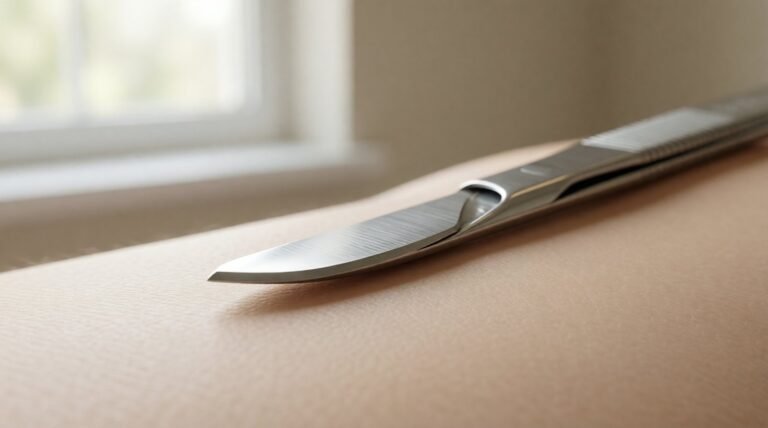
Whichever you pick, look for a tool with a guard or a clear blade cover, a comfortable grip, and blades that are easy to replace. Avoid unguarded surgical scalpels. Those are professional tools, not home ones.
Do and Don’t: A Quick Reference
Print this list or keep it near the mirror. Most dermaplaning mishaps come from the right-hand column.
- Use a clean or new blade
- Work on calm, clean, dry skin
- Pull the skin taut and use light strokes
- Go slowly and stop if it stings
- Moisturize and wear sunscreen after
- Wait a week or more between sessions
- Dermaplane over acne, a flare or open skin
- Press hard or go over the same spot
- Share your tool or reuse a dull blade
- Shave around the eyes
- Combine it with strong acids or scrubs that day
- Skip sunscreen
Honest Limits
A dermaplaning tool will not remove deep scars, shrink pores or treat acne. It will not slow hair growth either. The result is mostly a smoother surface that lasts until the hair and skin cells grow back, and that can be a few weeks.
Results also depend on your own skin. Thicker or darker facial hair may show more stubble-like regrowth, and oily or acne-prone skin may react more. Because everyone’s skin differs, test on a small, low-risk area first and watch how it feels over the next day.
The evidence is also thin. Cleveland Clinic describes the benefits as possible, using words like “may”. No source here shows long-term skin improvement from regular dermaplaning, so treat it as a cosmetic step, not skincare therapy.
If your goal is permanent removal of fine, light facial hair, a dermaplaning tool is not the answer. Laser treatment depends on pigment in the hair, which peach fuzz often lacks, and our guide to laser hair removal on light hair explains why.
When to See a Professional
Choose a trained professional, or at least ask one, when:
- You have acne, rosacea, eczema or another skin condition, and you are not sure the skin can tolerate a blade
- This is your first time and you want to see the technique first
- A cut will not stop bleeding, looks infected, or stays red and sore
- Your skin stays irritated for more than a day or so after dermaplaning
- You notice scarring or dark marks after earlier sessions
- Preventing razor bumps: a simple routine that works.
Frequently Asked Questions
Is it safe to use a dermaplaning tool at home?
Cleveland Clinic calls at-home dermaplaning generally safe and low-risk, but nicks, irritation and breakouts are possible, so follow the safety rules.
How do I use a dermaplaning tool safely on sensitive skin?
Be cautious. Sensitive or reactive skin may do better with a professional, or with a patch of skin tested first. Stop if the skin stings or turns red.
Can I use a dermaplaning tool safely if I get acne?
Not during a breakout. Cleveland Clinic says dermaplaning can worsen acne. Wait until the skin is calm, or ask a dermatologist.
How often can I use a dermaplaning tool safely?
No more than once a week, according to the dermatologist quoted by Cleveland Clinic. Many people wait longer between sessions.
How do I use a dermaplaning tool safely around the eyes?
The safest approach is to avoid the eye area. If you want that area done, ask a trained professional.
Does dermaplaning make hair grow back thicker?
No. Shaving does not change growth, color or thickness. Regrowth may feel coarser at first because the cut ends are blunt.
Should I dermaplane wet or dry skin?
Many people use clean, dry skin so the blade glides and the hair is easy to see. Whichever you choose, make sure the skin is clean and the blade is sharp.
What do I do after dermaplaning?
Rinse with lukewarm water, pat dry, then moisturize and apply sunscreen. Avoid strong acids and scrubs for the rest of the day.
How do I clean a dermaplaning tool?
Wipe a reusable blade with rubbing alcohol and rinse with warm water before and after use. Dry it and store it covered.
Is dermaplaning the same as shaving?
Both use a blade, but dermaplaning aims at peach fuzz and the dead skin layer using a single-blade tool and a light, shallow stroke. Cleveland Clinic describes the home version as a single-blade straight razor.
The Bottom Line
A dermaplaning tool is a blade, so the safe way to use it is the careful way. Check that your skin is calm, start with a clean blade, go slowly with light strokes, and wait at least a week before doing it again. Moisturize and use sunscreen after every session.
Skip it during breakouts, flares or any active skin condition, and book a professional when you are unsure. For the facts behind these rules, read the Cleveland Clinic guide to dermaplaning at home.




One Comment